What is a Knock Sensor on a Car: Essential Guide
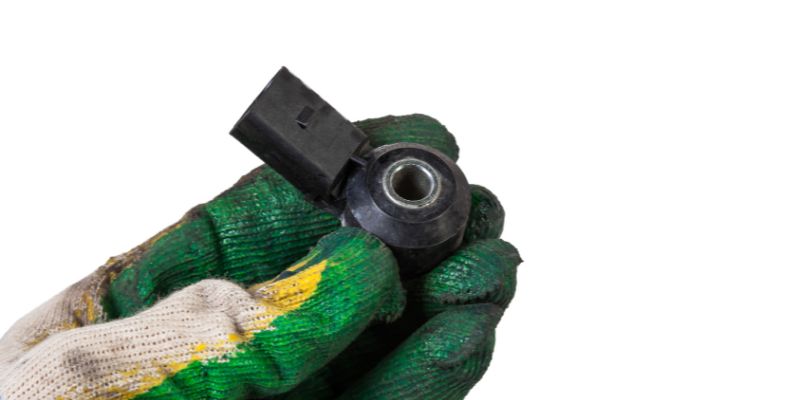
A knock sensor on a car detects and prevents engine knocking, a harmful combustion event that can damage your engine. It then signals the engine control unit (ECU) to adjust timing and fuel mixture, ensuring smooth operation and protecting your vehicle.
Have you ever heard a strange pinging or rattling sound coming from your engine? It can be unnerving, especially if you’re not sure what it means for your car’s health. This unsettling noise is often a sign of “engine knock,” and a tiny but mighty component called the knock sensor is your engine’s first line of defense against it. Don’t worry if it sounds technical; understanding this part is simpler than you might think. We’ll break down exactly what a knock sensor does, why engine knock is a problem, and how this sensor keeps your engine running smoothly and safely. Let’s dive in!
What is a Knock Sensor on a Car?
At its core, a knock sensor on a car is a tiny but crucial component that acts like a tiny microphone for your engine. Its primary job is to listen for a specific type of abnormal combustion, often called “engine knock” or “pinging.” This happens when the fuel in your engine’s cylinders ignites unevenly or too early, creating a sharp, metallic sound that can be damaging over time. Think of it as the vigilant guardian of your engine’s healthy combustion process.
When the knock sensor detects this jarring vibration, it sends an electrical signal to your car’s Engine Control Unit (ECU). The ECU, which is like the brain of your car, then interprets this signal. In response to the knock, the ECU will make immediate adjustments to the engine’s timing and fuel mixture. These adjustments are designed to stop the knocking and prevent potential damage to the engine’s pistons, valves, and other vital parts. It’s a sophisticated system that works incredibly fast to protect your vehicle.
Why Engine Knock is Bad News
Engine knock isn’t just an annoying sound; it’s a sign that something isn’t quite right in your engine’s combustion chamber. When fuel ignites prematurely or unevenly, it creates pressure spikes that can be quite forceful. Imagine hitting a metal drum with a hammer – that’s the kind of impact we’re talking about, happening thousands of times a minute inside your engine.
Here’s a breakdown of why engine knock is a serious issue:
-
Engine Damage: The most significant concern with persistent engine knock is the physical damage it can inflict. The abnormal combustion process creates extreme pressure and heat, which can lead to:
- Piston Damage: Piston crowns can melt or fracture.
- Connecting Rod Damage: The rods can bend or break.
- Head Gasket Failure: The gasket can be blown out due to excessive pressure.
- Spark Plug Damage: Electrodes can be eroded or melted.
- Reduced Performance: When your engine is knocking, it’s not operating efficiently. This will typically result in noticeable power loss, sluggish acceleration, and a disappointing driving experience.
- Poor Fuel Economy: An engine struggling with knock is burning fuel inefficiently. This means you’ll be visiting the gas station more often, costing you more money in the long run.
- Increased Emissions: Inefficient combustion can also lead to higher levels of harmful exhaust emissions, which is bad for the environment and can cause your car to fail emissions tests.
How Does a Knock Sensor Work?
The magic of the knock sensor lies in its ingenious design and how it integrates with your car’s computer system. Let’s break down the process step-by-step:
- Listening for Vibrations: The knock sensor itself is typically a piezoelectric crystal. This type of crystal has a special property: it generates a small electrical voltage when it’s subjected to mechanical stress or vibration. The sensor is strategically mounted directly onto the engine block, which is the perfect place to “hear” the specific vibrations associated with engine knock.
- Detecting the “Knock” Frequency: Engine knock creates a very distinct vibration pattern or frequency. The piezoelectric element in the knock sensor is sensitive to this specific frequency range. When the abnormal combustion event occurs, it sends shockwaves through the engine block. The sensor picks up these vibrations.
- Generating an Electrical Signal: As the vibrations hit the piezoelectric crystal, it flexes and deforms, producing a tiny electrical voltage. The harder the knock, generally the stronger the voltage signal.
- Sending the Signal to the ECU: This electrical signal is then transmitted via wires to the Engine Control Unit (ECU). The ECU is a small computer that manages almost every aspect of your engine’s operation.
-
ECU’s Response: The ECU analyzes the signal from the knock sensor. If it determines that the vibration indicates knocking, it takes immediate action. The ECU’s main tools for combating knock are:
- Ignition Timing Retard: The most common response is to slightly delay the spark. By igniting the fuel-air mixture a little later in the combustion cycle, the pressure build-up is less intense, reducing the likelihood of knock.
- Fuel Mixture Adjustment: In some cases, the ECU might also slightly enrich the fuel mixture (add more fuel relative to air). A richer mixture can sometimes help to cool the combustion chamber and prevent pre-ignition.
- Continuous Monitoring: This process happens in real-time, with the knock sensor constantly monitoring for knock and the ECU continuously adjusting engine parameters to keep it running smoothly and prevent damage. It’s a dynamic feedback loop that ensures optimal engine performance.
Location of the Knock Sensor
Finding the knock sensor on your car is like playing a treasure hunt, but with a clear objective! Generally, knock sensors are mounted directly on the engine block or very close to it. This placement is essential for it to effectively “feel” the vibrations of engine knock.
Typical locations include:
- On the Side of the Engine Block: Often found midway down the engine, between the cylinders, bolted directly to the metal of the block.
- Near the Intake Manifold: Sometimes they are located in this area, still with solid contact to the block.
- Underneath the Intake Manifold: This can make them a bit harder to access, requiring removal of other components.
Pro Tip: Consult your car’s repair manual or search online for your specific year, make, and model to pinpoint the exact location. Digital resources like ALLDATA or your vehicle manufacturer’s service information can be invaluable here.
Symptoms of a Failing Knock Sensor
While a knock sensor is designed to be quite durable, like any automotive component, it can eventually fail. When this happens, your engine loses its ability to detect and correct knock, which can lead to a few tell-tale signs.
Here are common symptoms of a failing or faulty knock sensor:
- Check Engine Light (CEL) On: This is the most common indicator. The ECU monitors the knock sensor circuit, and if it detects an electrical fault (like an open or short circuit) or if the sensor isn’t signaling as expected, it will trigger the CEL.
- Engine Knocking or Pinging: Without the sensor to detect and report knock, or with a faulty sensor sending the wrong information, your engine might start knocking. The ECU won’t be able to retard timing, so the knocking will continue unchecked.
- Rough Idling: The engine’s idle speed may become unstable, with the engine running unevenly or vibrating more than usual.
- Poor Engine Performance: You might notice a significant drop in acceleration, power, and overall responsiveness. The engine might feel sluggish.
- Increased Fuel Consumption: Because the ECU can’t optimize timing to prevent knock, the engine may run less efficiently, leading to a noticeable increase in your gas mileage.
- Failed Emissions Test: Inaccurate combustion timing can lead to increased exhaust emissions, potentially causing your vehicle to fail an emissions inspection.
Diagnosing Knock Sensor Issues
Diagnosing a knock sensor problem usually involves a combination of listening, checking for error codes, and sometimes testing the sensor itself. Since the Check Engine Light is a common symptom, the first step is often to retrieve the diagnostic trouble codes (DTCs).
Retrieving Diagnostic Trouble Codes (DTCs)
To do this, you’ll need an OBD-II (On-Board Diagnostics II) scanner. These devices plug into a port typically found under the dashboard on the driver’s side. Many auto parts stores offer free code reading services, or you can purchase an inexpensive scanner for home use.
Common DTCs related to knock sensors include:
- P0325: Knock Sensor 1 Circuit Malfunction (Bank 1 or Single Sensor)
- P0326: Knock Sensor 1 Circuit Range/Performance (Bank 1 or Single Sensor)
- P0327: Knock Sensor 1 Circuit Low Input (Bank 1 or Single Sensor)
- P0328: Knock Sensor 1 Circuit High Input (Bank 1 or Single Sensor)
- And similar codes for “Knock Sensor 2” if your vehicle has multiple sensors.
A code pointing directly to the knock sensor is a strong indicator, but it’s not always definitive. Sometimes, other issues can mimic a faulty knock sensor.
Visual Inspection
Once you’ve located the sensor, a quick visual check can reveal obvious problems:
- Wiring: Look for any chafed, burnt, melted, or disconnected wires leading to the sensor. The connector should be clean and secure.
- Sensor Housing: Check for any cracks or physical damage to the sensor itself.
- Mounting: Ensure the sensor is tightly bolted to the engine block. A loose sensor won’t be able to pick up vibrations effectively.
Testing the Knock Sensor
Testing the sensor itself often requires a multimeter and knowledge of your specific vehicle’s wiring diagram. The exact procedure can vary, but generally:
For a single-wire sensor (less common now): This type often works as a ground for the circuit. Testing might involve checking for continuity to ground when the sensor is mounted, and then checking continuity to ground when the sensor is removed (which might show a change, indicating it’s sensitive to vibration).
For two-wire sensors (more common): These typically have a signal wire and a ground wire.
- Disconnect the sensor’s electrical connector.
- Set your multimeter to measure resistance (ohms).
- Touch the multimeter probes to the contacts inside the sensor’s connector. You should get a resistance reading. Check your repair manual for the expected range, as it varies.
- Next, set your multimeter to measure AC voltage.
- With the sensor still disconnected, you might gently tap the engine block near the sensor’s mounting location or tap the sensor itself (if safe and accessible). You should see a small AC voltage reading. Again, consult a repair manual for expected values. A lack of voltage or a drastically different resistance can indicate a faulty sensor.
For more in-depth testing, especially with multi-wire sensors or to confirm functionality, using an oscilloscope can be very helpful to see the waveform generated by the sensor when it’s tapped or when the engine is running and knocking.
Replacing a Knock Sensor: A DIY Guide
Replacing a knock sensor is often a manageable DIY project for the home mechanic. While accessibility can be a challenge on some vehicles, the process itself is usually straightforward.
Tools and Materials You’ll Likely Need:
- New Knock Sensor: Ensure it’s the correct part for your vehicle’s year, make, and model.
- Socket Set: You’ll need sockets of the correct size to remove any existing components and to unscrew the sensor itself.
- Wrench Set: For similar purposes as the sockets.
- OBD-II Scanner: To clear codes after the repair.
- Torque Wrench: Highly recommended to ensure the new sensor is tightened to the manufacturer’s specifications. Improper torque can affect its sensitivity.
- Dielectric Grease: For the electrical connector to prevent corrosion and ensure a good connection.
- Penetrating Oil (optional): If the old sensor is seized.
- Safety Glasses and Gloves: Always prioritize safety!
Step-by-Step Replacement:
- Safety First: Ensure the engine is completely cool before starting. Disconnect the negative battery terminal to prevent any accidental electrical shorts.
- Locate the Sensor: Refer to your repair manual or the location guide mentioned earlier to find the knock sensor.
- Access the Sensor: You might need to remove other engine components to get clear access. This could include air intake components, heat shields, or even parts of the exhaust system. Take photos as you go to help with reassembly.
- Disconnect the Electrical Connector: Carefully unclip and disconnect the wiring harness from the old sensor. There might be a locking tab that needs to be pressed.
- Remove the Old Sensor: Using the appropriate socket or wrench, carefully unscrew the old knock sensor from the engine block. If it’s stuck, a little penetrating oil might help, but be patient.
- Prepare the New Sensor: Apply a small amount of dielectric grease to the electrical contacts of the new sensor’s connector. This helps protect against moisture and corrosion.
- Install the New Sensor: Screw the new knock sensor into the engine block by hand first to avoid cross-threading. Once it’s snug, use your socket and wrench to tighten it. If you have a torque wrench, tighten it to the manufacturer’s specified torque. This is critical for proper function; consult your service manual for the exact torque value.
- Reconnect the Electrical Connector: Plug the wiring harness firmly into the new sensor until it clicks into place.
- Reassemble: Reinstall any components you removed for access, ensuring all bolts and connections are secure.
- Reconnect the Battery: Reconnect the negative battery terminal.
- Clear Codes and Test: Start the engine. The Check Engine Light should be off. If it stays on, or if you still suspect a problem, use your OBD-II scanner to clear any stored DTCs. Take your car for a test drive, paying attention to how the engine sounds and performs.
Important Note: If you’re uncomfortable working with engine components or if the sensor is in a very difficult-to-reach location, it’s best to seek professional help from a qualified mechanic.
Knock Sensor Sensitivity and Engine Design
It’s fascinating how the knock sensor is designed to be so selective. It’s engineered to primarily pick up the characteristic frequency range of engine knock, which is typically between 5 kHz and 15 kHz. Other engine noises, like valve train clatter or exhaust leaks, might produce vibrations, but they fall outside this specific frequency band.
Modern vehicles might have more than one knock sensor. A common setup is to have one sensor per cylinder bank (Bank 1 and Bank 2 for V6 or V8 engines). This allows the ECU to precisely identify which bank of cylinders is experiencing knock and make more targeted adjustments. Some high-performance engines might even have a sensor for each cylinder to offer the most granular control over combustion timing.
The sensitivity settings within the ECU are also crucial. The ECU is programmed with specific thresholds. If a vibration signal from the knock sensor exceeds this threshold, it triggers an action. These thresholds are determined by engineers during the vehicle’s development phase and are optimized for the engine’s design, fuel type, and intended performance characteristics. For instance, an engine designed to run on higher-octane fuel might have a lower knock threshold, as higher-octane fuels are more resistant to knock.
The quality of the mounting surface at the engine block also plays a role. Any oil, rust, or debris between the sensor and the block can dampen the vibrations, reducing the sensor’s effectiveness or even rendering it useless. This is another reason why a clean mounting surface is important during installation.
Factors Influencing Engine Knock
Several things can contribute to engine knock, making the knock sensor’s job harder:
- Fuel Octane Rating: Lower octane fuels are less resistant to detonation. Using a fuel with an octane rating lower than what your car’s manufacturer recommends is a common cause of knock.
- Engine Temperature: An overheating engine is more prone to knock because the higher temperatures can cause the fuel-air mixture to ignite prematurely.
- Carbon Buildup: Over time, carbon deposits can form on the piston tops and cylinder heads. These deposits can become hot spots, pre-igniting the fuel mixture. They can also effectively increase the compression ratio, further promoting knock.
- Ignition Timing: If the ignition timing is too advanced (spark plug fires too early), it can lead to excessive cylinder pressure and knock. This is usually controlled by the ECU, but faulty sensors (like a crankshaft or camshaft position sensor) or ECU problems can cause incorrect timing.
- Lean Fuel Mixture: An engine running with too much air and not enough fuel (a lean mixture) burns hotter and is more prone to detonation. This could be caused by faulty fuel injectors, a vacuum leak, or a malfunctioning fuel pump.
- High Compression Ratio: Engines with higher compression ratios are inherently more susceptible to knock. This is why performance engines often require higher-octane fuels.
- Heavy Engine Load: Knock is more likely to occur under heavy acceleration or when climbing hills, as these conditions put the most stress on the engine.
Understanding these factors can help you prevent engine knock in the first place, reducing the burden on your knock sensor and protecting your engine.
Knock Sensor vs. Other Engine Sensors
It’s easy to get confused between different engine sensors, as they all contribute to the ECU’s decision-making. Here’s how the knock sensor differs from a few other common ones:
| Sensor Type | What it Detects | Primary Function | Relationship to Knock Sensor |
|---|---|---|---|
| Knock Sensor | Engine knock/pinging vibrations | Prevents engine knock by signaling ECU to retard timing | Provides direct feedback on combustion quality. |
| Mass Airflow (MAF) Sensor | Amount of air entering the engine | Helps ECU calculate fuel injection amount for optimal air-fuel ratio | A faulty MAF can lead to lean conditions, increasing knock risk, but it doesn’t directly detect knock. |
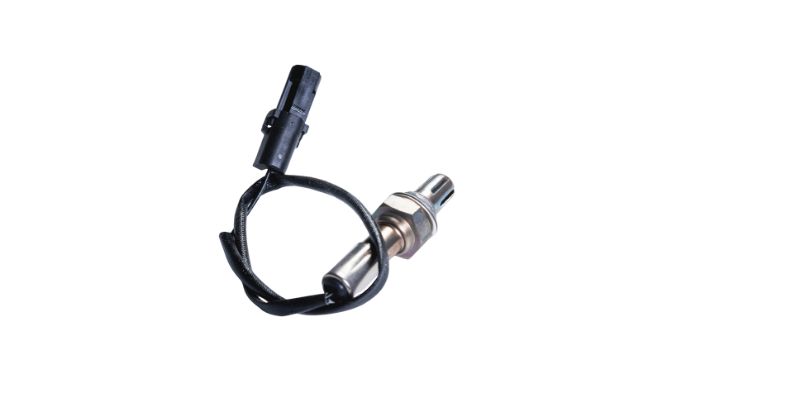
| Oxygen (O2) Sensor | Amount of unburned oxygen in the exhaust | Helps ECU fine-tune the air-fuel ratio for efficiency and emissions | Monitors exhaust after combustion. While exhaust gas temps can indirectly relate to knock, the O2 sensor doesn’t “hear” knock. |
| Crankshaft Position (CKP) Sensor | Engine speed and piston position | Provides critical timing information for fuel injection and spark | Essential for the ECU to know when to spark. If the CKP fails, ignition happens erratically, which can cause knock, but the knock sensor is the damage controller. |
| Coolant Temperature (ECT) Sensor | Engine coolant temperature | Informs ECU about engine operating temperature; affects fuel mixture and idle speed | An overheating engine (detected by ECT) increases knock probability, so the ECT indirectly influences the conditions for knock detection by the knock sensor. |
While each sensor plays a role, the knock sensor is unique in its ability to identify and react to the specific phenomenon of engine knock itself.
Conclusion: Your Engine’s Audible Guardian
The humble knock sensor might be small, but its role in protecting your engine is monumental. It’s a critical component in ensuring your vehicle performs efficiently, reliably, and without suffering internal damage from harmful engine knock. By constantly listening for that tell-tale ping and relaying the information to your car’s computer, it allows for real-time adjustments that keep your engine purring smoothly.
Whether you’re dealing with a mysterious engine noise or just want to be proactive about your car’s health, understanding what your knock sensor does is empowering. Remember, recognizing the symptoms of a faulty sensor and knowing how to diagnose or even replace it can save you significant money and hassle down the road. Keep those engine vibrations in check, and your car will thank you with years of dependable service!
Frequently Asked Questions (FAQs)
What happens if a knock sensor fails?
If a knock sensor fails, your car’s computer (ECU) can no longer detect engine knock. This can lead to persistent knocking or pinging sounds, reduced engine performance, poor fuel economy, and potentially serious engine damage over time if the knock isn’t corrected.
Can I drive with a bad knock sensor?
It’s generally not recommended to drive extensively with a confirmed faulty knock sensor. While your car might still run, the lack of knock detection means the ECU cannot prevent potentially damaging pre-ignition or detonation events. This could lead to internal engine damage.
How much does it cost to replace a knock sensor?
The cost can vary depending on your vehicle and location. The part itself is usually quite affordable, ranging from $30 to $100. Labor costs for replacement can add anywhere from $50 to $200 or more, depending on how accessible the sensor is on your specific car.
Does a faulty knock sensor always turn on the Check Engine Light?
Not always immediately, but it’s very common. The ECU monitors the knock sensor circuit for electrical faults. If it detects an issue with the sensor’s wiring or its internal function, it will typically trigger the Check Engine Light with specific diagnostic trouble codes (DTCs).
Can a bad knock sensor cause my car to lose power?
Yes, a failing knock sensor can lead to a noticeable loss of power. When the ECU suspects knock (even if falsely due to a faulty sensor) or cannot detect genuine knock, it might default to a more conservative ignition timing to protect the engine. This conservative timing often results in reduced engine performance and acceleration.
What is the difference between engine knock and pre-ignition?
Engine knock (or detonation) is when the fuel-air mixture in the cylinder ignites randomly or multiple flame fronts collide after the spark plug has fired. Pre-ignition is when the fuel-air mixture ignites before the spark plug fires, often due to hot spots in the combustion chamber (like carbon deposits). Both are harmful, and a knock sensor can often detect symptoms related to pre-ignition as well.