What Are Car Gauges And What Do They Actually Measure?
Understanding these indicators is key. It helps you keep your car running well. It also helps you drive safer.
This guide breaks down what those gauges mean. We’ll look at what they measure and why you should pay attention. Get ready to decode your dashboard!
Car gauges are instruments on your vehicle’s dashboard. They show you vital information about your car’s performance and condition. These include things like speed, engine speed, fuel level, and engine temperature. Knowing what they mean helps you drive safely and maintain your car.
Understanding Your Car’s Dashboard Gauges
Your car is a complex machine. It needs to tell you when things are good or not so good. That’s where car gauges come in.
They are like your car’s eyes and ears. They let you see and hear what’s happening under the hood. They give you a quick snapshot of your car’s health.
Think of them as your car’s vital signs. Just like a doctor checks your pulse and blood pressure, your car has gauges for its important functions. These gauges translate complex mechanical and electrical data into simple readings.
This makes it easier for you to understand. You can then react if something seems off.
Most modern cars have a few key gauges. Some are digital displays now. But many still use the classic needle-style dials.
Both have the same goal. They aim to inform the driver. They help prevent breakdowns and accidents.
They also help you understand how your car is performing on the road.
We’ll go through the most common ones. We will explain what each gauge measures. We will also explain why that measurement is important for you and your car.
It’s not as scary as it might seem at first. Most of it is common sense once you know what to look for.
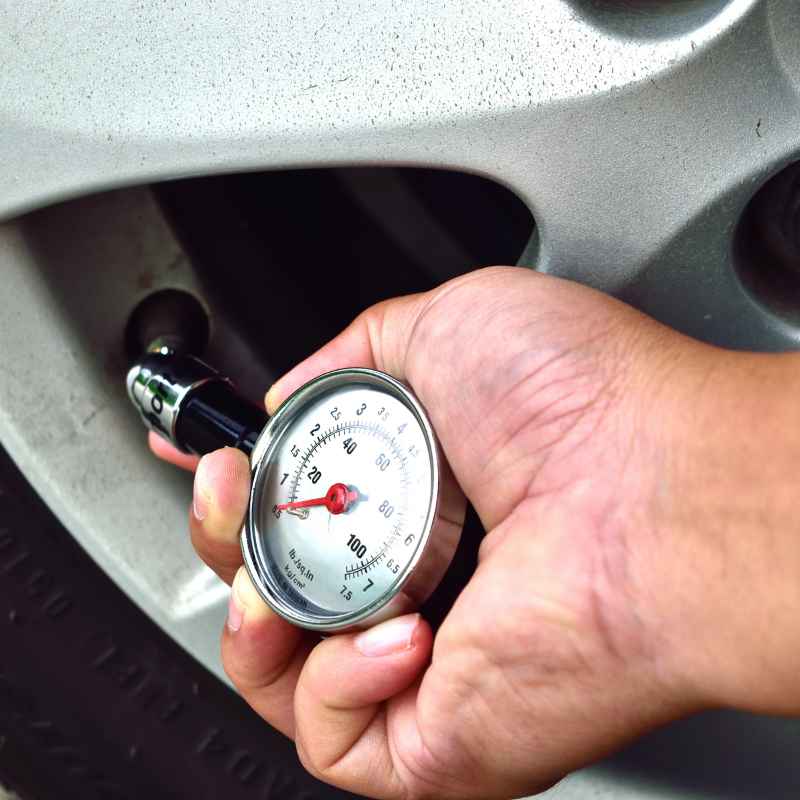
The Core Car Gauges Explained
Let’s dive into the main players on your dashboard. These are the gauges you’ll see in most vehicles. They cover the most critical functions.
Knowing these will give you a solid foundation.
Speedometer
This is usually the most prominent gauge. The speedometer tells you how fast you are going. It measures your vehicle’s current speed.
This is shown in miles per hour (MPH) in the U.S. Some also show kilometers per hour (KPH).
It uses sensors connected to your car’s wheels or transmission. These sensors track how fast your wheels are turning. The gauge then displays that number.
Staying aware of your speed is vital for safety. It helps you follow speed limits. It also prevents speeding tickets.
Tachometer
The tachometer measures your engine’s speed. This is shown in revolutions per minute (RPM). It tells you how fast your engine’s crankshaft is spinning.
Higher RPMs mean the engine is working harder. Lower RPMs mean it’s working less.
For manual transmissions, it helps you know when to shift gears. For automatic transmissions, it shows engine load. Many drivers don’t watch this gauge closely.
But it can tell you if your engine is overworking. It might also indicate an issue if it’s too high or too low at idle.
Fuel Gauge
This gauge shows you how much fuel is left in your tank. It typically reads “Full” to “Empty.” Most have markings for “1/4,” “1/2,” and “3/4” tank too.
It works with a float inside your fuel tank. The float moves up and down with the fuel level. This movement changes an electrical signal.
That signal tells the gauge how much fuel you have. Running out of gas can be dangerous. It can also damage your fuel pump.
Keep an eye on this one!
Temperature Gauge
The temperature gauge monitors your engine’s operating temperature. It shows how hot your engine is getting. This is crucial for preventing overheating.
Overheating can cause severe engine damage.
It has a sensor that reads the coolant temperature. Coolant circulates through the engine. It absorbs heat.
The gauge shows if the coolant is doing its job. Most gauges have a “Normal” range. If the needle goes into the red zone, your engine is too hot.
You should stop driving.
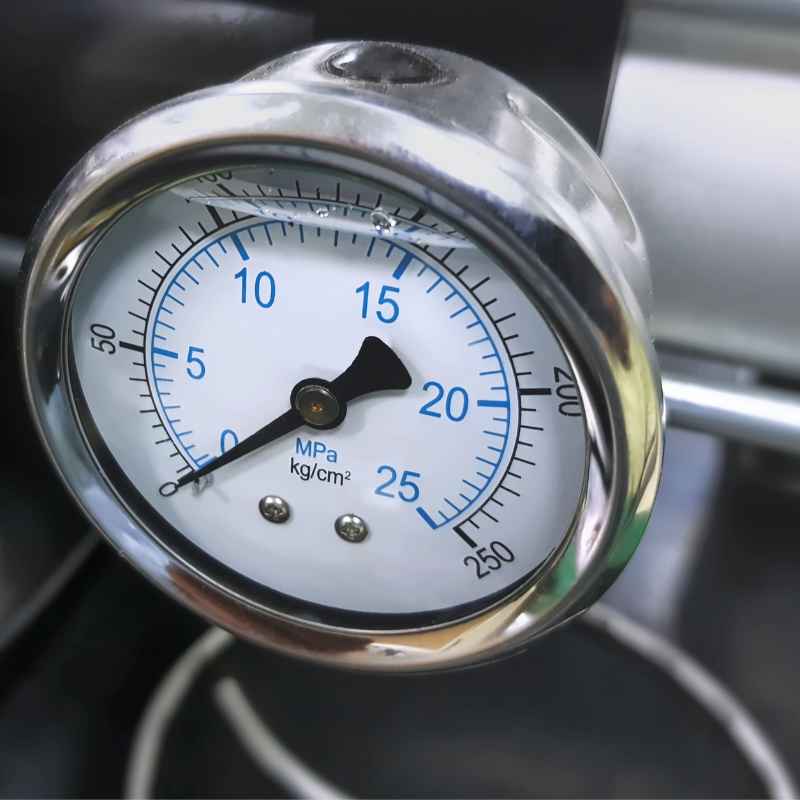
Oil Pressure Gauge
This gauge shows the pressure of your engine oil. Oil is like blood for your engine. It lubricates moving parts.
It also helps keep the engine cool. Low oil pressure means oil isn’t reaching all parts of the engine. This can cause serious damage very quickly.
This gauge is not in all cars. Some newer cars have an oil pressure warning light instead. If you do have a gauge, watch it.
If the needle drops low, or a warning light comes on, stop the engine. Check your oil level immediately.
Battery/Voltage Gauge
This gauge shows the electrical system’s voltage. It tells you if your car’s battery is charging properly. It also shows if the alternator is working well.
The normal range is usually around 12-14 volts. If the reading is too low, your battery might not be charging. This means your car might stop running soon.
If it’s too high, the alternator could be overcharging. This can also harm your battery and electronics.
Dashboard Icons You Might See
Check Engine Light: This is a big one. It can mean many things. It’s often related to emissions.
It could be a loose gas cap or something more serious. Get it checked by a mechanic.
Oil Warning Light: Usually red. It means low oil pressure. Stop the car immediately.
Check your oil level.
Battery Warning Light: Also often red. It indicates a problem with charging. Your battery might be dying or the alternator isn’t working.
Brake Warning Light: Can mean low brake fluid or an issue with the braking system. This is a safety critical warning. Do not ignore it.
ABS Light: Indicates a problem with the Anti-lock Braking System. Your regular brakes will still work, but ABS might not.
My Own Dashboard Scare
I remember one chilly morning a few years back. I was driving to an early meeting. Everything felt normal.
Then, I noticed the temperature gauge. It was creeping up. Way past the usual “N” for Normal.
It was heading towards the red. My heart jumped into my throat.
Panic started to set in. I pictured the engine seizing up. The cost of repairs flashed in my mind.
I quickly looked for a safe place to pull over. I turned off the engine. I waited for it to cool down.
I popped the hood. I could smell a faint sweet smell. It was coolant.
Turns out, a hose had a small leak. It wasn’t a huge failure, but it was enough to cause the overheating. I managed to get it fixed at a local shop.
That day taught me a valuable lesson. Pay attention to your gauges. They are there for a reason.
That little needle saved me from a much bigger problem.
Less Common but Important Gauges
Not every car has these. But if yours does, they offer even more insight. They can help you be proactive about maintenance.
Transmission Temperature Gauge
This gauge is more common on trucks or cars used for towing. It monitors the temperature of your transmission fluid. Hot transmission fluid can lead to shifting problems.
It can also cause damage over time.
If your car has this, it’s good to know its normal range. A sudden spike could mean trouble. It might be time for a transmission fluid check or change.
Oil Level Gauge (Dipstick vs. Gauge)
While the oil pressure gauge tells you about pressure, some cars have an oil level gauge. This is less common now. Most cars use a dipstick to check oil level manually.
If you have an electronic oil level sensor, it might show up on a digital display. It’s important to know how your car tells you about oil level. Low oil is a major cause of engine damage.
Amperes Gauge (Similar to Voltage)
This gauge is less common in modern cars. It measures electrical current in amperes. It’s similar to the voltage gauge.
It shows how much electricity is flowing. It helps diagnose electrical system problems.
If your car has this, it gives a detailed look at your charging system. Most drivers rely on the voltage gauge or warning lights for this.
Digital Dashboards vs. Analog Gauges
Times are changing. Many new cars have digital dashboards. These can display all the information from analog gauges.
They often use screens. These screens can show numbers, bars, or even virtual needles.
Digital displays offer flexibility. They can show more information at once. They can also alert you with colors or sounds.
Some systems let you customize what you see.
Analog gauges have a classic feel. Some drivers prefer the clear, direct visual of a needle. Both systems serve the same purpose.
They aim to give you the information you need. The key is to understand what the numbers and symbols mean, no matter the display type.
Infographic Style: Understanding Gauge Behavior
Normal Operation
Needles steady in the middle.
Lights off.
Slight Concern
Needle slightly above normal.
Intermittent light flickers.
Urgent Warning
Needle in red zone.
Solid red or yellow warning light.
Real-World Scenarios and Gauge Readings
Let’s think about different driving situations. How might your gauges react? What should you look for?
Driving Uphill in Hot Weather
When you drive uphill, your engine works harder. This makes it produce more heat. If it’s also a hot day, the cooling system has to work overtime.
You might see your temperature gauge climb a bit higher than usual.
This is often normal. But if it gets too close to the red, it’s a sign to slow down. You could also turn off the air conditioner.
This reduces the load on the engine. In very extreme cases, you might need to pull over.
Cruising on the Highway
On the highway, your engine often runs at a steady speed. Your speedometer shows your legal speed. Your tachometer should be at a moderate RPM.
Your fuel gauge will slowly drop.
Your temperature gauge should stay in the normal, steady range. Your oil pressure (if you have it) should be stable. This is usually when your car is running most efficiently.
Idling in Traffic
When your car is stopped and idling, your speed is zero. Your tachometer will show a low RPM. Your fuel gauge will drop slowly.
The engine is still running, so it uses fuel.
Your temperature gauge might creep up slightly when idling. This is because there’s less airflow through the radiator. If it gets too high, it could mean your cooling fan isn’t working correctly.
Your oil pressure should remain stable.
Starting Your Car
When you first start your car, the gauges will jump to life. The fuel gauge will show your current level. The temperature gauge will start low and move towards its normal spot as the engine warms up.
The oil pressure gauge should show pressure immediately. If it stays at zero for more than a few seconds, shut off the engine. This indicates a serious problem.
Quick Scan: Normal vs. Worrying Readings
| Gauge | Normal Reading | When to Worry |
|---|---|---|
| Temperature | Mid-range, steady | Approaching or in the red zone |
| Oil Pressure | Steady in the middle or upper range | Dropping low, near zero, or warning light |
| Voltage | 12.5 – 14.5 volts | Consistently below 12V or above 15V |
| Fuel | Any level above empty | Empty (when driving) |
What This Means for You: When to Take Action
Knowing your gauges is about more than just information. It’s about knowing when to act. This can save you time, money, and stress.
When Gauge Readings Are Normal
Most of the time, your gauges will live in their happy place. The temperature needle sits steadily. Oil pressure is good.
Fuel is adequate. The speedometer shows your legal speed.
These normal readings mean your car is likely functioning as it should. You can drive with confidence. This is the ideal state.
When to Get Concerned About Gauge Readings
Sudden changes are your biggest clue. If the temperature gauge spikes without warning, that’s a concern. If your oil pressure drops suddenly, that’s a big alarm bell.
Erratic readings are also worrying. If a gauge needle jumps around wildly, there might be an electrical issue. Or, it could be a sign of a deeper problem.
Always trust your gut if something feels off.
Simple Checks You Can Do
If you see a concerning gauge reading, don’t panic. First, check your car’s manual. It will explain what each gauge means for your specific model.
It will also tell you what warnings to look out for.
For overheating, pull over safely and let the engine cool. Check your coolant level (when cool!). For low fuel, find a gas station soon.
For oil pressure, check your oil level with the dipstick.
If warning lights come on, like the “Check Engine” light, it’s a sign to get it inspected. These lights often store a trouble code. A mechanic can read this code to figure out the exact issue.
Quick Tips for Monitoring Your Gauges
Making gauge monitoring a habit is easy. It just takes a little awareness.
- Make it a Routine: Glance at your gauges when you first start the car. Check them again after a few minutes of driving.
- Know Your Normal: Pay attention to where your gauges usually sit when your car is running well.
- Watch for Changes: Be alert to any sudden spikes, drops, or erratic movements.
- Don’t Ignore Lights: Warning lights are your car’s way of shouting for attention. Investigate them.
- Consult Your Manual: It’s your best friend for understanding your car’s specific warnings.
Frequently Asked Questions About Car Gauges
What is the most important car gauge to watch?
Many experts say the temperature gauge and oil pressure gauge are the most critical. Overheating and loss of oil pressure can cause severe, rapid engine damage. The speedometer and fuel gauge are also very important for safe and practical driving.
Why does my temperature gauge go up in traffic?
When your car is idling in traffic, there’s less airflow through the radiator. This means less cooling. Your engine is still running and producing heat.
So, the temperature gauge might rise slightly. If it gets into the red, it could mean your cooling fan isn’t working, or there’s a coolant issue.
Can I check my oil level with the oil pressure gauge?
No, not directly. The oil pressure gauge tells you how much pressure the oil is under. It does not tell you the actual volume of oil.
You need to use the dipstick or an electronic oil level indicator for that. Low oil level can cause low oil pressure.
What does it mean if my battery light comes on?
A battery warning light usually means there’s an issue with your car’s charging system. This could be a problem with the battery itself or the alternator. Your car runs on battery power alone when this light is on.
You should get it checked soon before the battery dies completely.
Are digital dashboard gauges less reliable than analog ones?
Not necessarily. Both systems use sensors to gather data. Digital dashboards can offer more information and warnings.
However, any electronic system can potentially have glitches. The reliability depends on the car’s manufacturer and the specific technology used.
What is the “Check Engine” light and what should I do?
The Check Engine Light (CEL) indicates a problem detected by your car’s computer. This can range from minor issues like a loose gas cap to more serious engine or emissions problems. You should have your car scanned by a mechanic to determine the cause.
Driving with the CEL on for extended periods can lead to more damage.
Conclusion: Your Car’s Health at a Glance
Your car’s gauges are more than just pretty lights and needles. They are your direct line to your vehicle’s well-being. By understanding what they measure, you can drive smarter.
You can catch problems early. You can keep your car running safely and smoothly for years to come.
Make it a habit to check them. It’s a simple act that can save you a lot of trouble. Your car will thank you for it!
Products related to this article
Sponsored / affiliate links. As an Amazon Associate I earn from qualifying purchases. I may earn additional commission from eligible campaigns.