What Is The Fastest Car In NFS Payback? Essential
The fastest car in Need for Speed Payback, consistently topping the leaderboards for pure top speed, is generally considered to be the Koenigsegg Regera. However, unlocking its true potential requires significant upgrades, as stock performance varies greatly.
Have you spent hours grinding for cash in Need for Speed Payback, dreaming of that one car that will leave every rival choking on your nitrous fumes? It is frustrating when you finish a race and realize your dream machine just wasn’t fast enough. Finding the absolute quickest car in this game isn’t just about choosing a cool name; it’s about maximizing speed ratings and knowing which vehicle handles power the best.
Don’t worry about complex charts or confusing stats. As your trusted automotive guide, Md Meraj, I’m here to break down exactly which cars hold the crown for speed and how you can make them even faster. We will look at the top contenders, what makes them fast, and the simple steps you need to take to dominate Silver Rock. Ready to unlock warp speed in Payback? Let’s dive in!
Understanding Speed in Need for Speed Payback
Before we name the king of speed, it is vital to understand that “fastest” in NFS Payback isn’t just about the highest printed Top Speed in the garage screen. The game uses a complex Performance Index (PI) system that blends acceleration, handling, nitro, and top speed.
A car might have a higher top speed on paper, but if it takes forever to reach that speed (poor acceleration) or spins out instantly when you hit a corner (poor handling), it won’t win races. For this guide, we are focusing primarily on cars that can achieve the highest theoretical top speed rating, assuming they are fully upgraded in the relevant class.
The Performance Index (PI) Explained Simply
Think of the PI as your car’s overall fitness score. Every part you install—engine, gearbox, tires, and turbo—adds points to this score. To tackle the highest-level events (like those requiring 399 PI or more), you must increase this number. For top speed runs, you generally want to concentrate upgrades on maximum speed components, even if it slightly lowers handling.
- Acceleration: How quickly you go from 0 to 60 mph. Crucial for drag races and rapid overtakes.
- Top Speed: The maximum velocity your car can hit. The focus of our quest today!
- Handling: How well the car sticks to the road around corners. Very important for circuit races.
- Nitrous (NOS): The duration and power of your temporary speed boost.
The Reigning Champion: What Is The Fastest Car In NFS Payback?
If you are looking for raw, out-of-the-box, maximum speed potential that can be pushed to the absolute limit with maximum upgrades (Level 399), one name consistently rises to the top. This is the car most players aim for when setting land-speed records within the game world.
The Koenigsegg Regera: The Speed King
The Koenigsegg Regera is widely accepted as the fastest car in Need for Speed Payback when fully upgraded to its maximum potential (Level 399). This hypercar possesses the necessary base structure and engine capabilities required to hit the absolute ceiling of the game’s speed mechanics.
Why does the Regera often win the top speed contest?
- Exceptional Base Power: It starts with incredible acceleration and high baseline speed stats.
- Upgrade Ceiling: When fitted with the best available performance parts in the Speed class, it reaches the highest achievable PI rating, allowing it to house the most powerful engine setup possible.
- Drag Race Dominance: While handling can be tricky, in straight-line races like Drag or Speed Trap events, the Regera excels when optimized purely for velocity.
While other cars get close, the Regera usually holds the slight edge in final, fully maxed-out straight-line performance.
Top Contenders: Other Lightning-Fast Machines
It’s important to remember that a close second place in NFS Payback is still unbelievably fast. If you haven’t unlocked the Regera yet, or if a particular car suits your driving style better, these alternatives are fantastic choices for speed domination. They are often easier to purchase earlier in the game.
The Speed Class Elite
These vehicles, when fully tuned for speed, will compete fiercely with the Regera. Knowing your options helps you decide where to invest your hard-earned cash and upgrade tokens.
| Car Model | Car Type | Why It’s Fast | Best For |
|---|---|---|---|
| Koenigsegg Regera | Hypercar | Highest overall achievable top speed potential. | Top Speed Traps, Drag Races |
| Bugatti Chiron | Hypercar | Incredible acceleration combined with massive top-end power. | Fastest to top speed boost |
| Ford GT (2017) | Supercar/Speed | Excellent balance; very competitive top speed without extreme handling penalties. | High-Speed Circuit Races |
| Hennessey Venom GT | Hypercar | Raw, aggressive straight-line speed, sometimes slightly edged out by Koenigsegg. | Desert Sprints |
| Nissan GT-R R35 (Nismo) | Supercar | Great performance upgrade path for a slightly more attainable ‘pro’ car. | All-Round Speed Events |
When discussing raw figures, you must look at the cars designated for the “Speed” class, as these are inherently designed by the game developers to hit higher velocity metrics than cars designed primarily for Drift or Offroad.
How To Unlock The Absolute Fastest Speed (The Upgrade Process)
Owning a top-tier car is only half the battle. A stock Regera is fast, but a fully upgraded, tuned Regera borders on physics-defying speed within the game engine. To reach that maximum potential, you need to follow the upgrade path precisely. This is where many beginners stumble—they buy the car but forget the essential fine-tuning.
Step 1: Acquiring the Car
The fastest cars are expensive and often require you to progress deep into the story, usually by defeating specific racers or winning high-stakes events. If you are targeting the Regera or Chiron, be prepared to save up a significant amount of in-game cash or earn high-value speed-class performance cards.
Step 2: Focus on Performance Cards
Performance cards are the specialized parts you use to raise your PI. For top speed, your focus needs to be aggressive:
- Engine Block & ECU: These provide the biggest base boosts to raw power and RPM.
- Turbo/Supercharger: Always prioritize the highest-tier forced induction available for maximum air intake and power delivery.
- Drivetrain (Gearbox & Axle): For top speed builds, you want a gearbox that prioritizes a very high final gear ratio to allow the engine to keep pulling at extreme velocities.
- Tires: Use speed-rated tires. While they might offer less grip, they reduce rolling resistance, contributing slightly to top speed gains.
Pro Tip: When playing through the main story, look for opportunities to earn “Speed Cards” in Payback races. These are random drops that can instantly upgrade one component towards the required PI.
Step 3: Fine-Tuning for Top Speed vs. Handling Trade-off
This part is critical for true speed enthusiasts. As you push your car toward Level 399, you will have customization options that affect how the power is managed. To maximize top speed:
- Gear Ratios: Lengthen the final drive ratio. This makes the car take longer to reach top speed, but once it’s there, the speed will be higher than if the gears were shorter. Shorter gears are better for acceleration; longer gears are better for pure velocity.
- Nitrous Setup: If you are building for speed traps (one-time bursts of speed), you want high nitrous duration and good recovery. If you struggle to maintain top speed due to drag, ensure you have high Nitrous Power.
This detailed optimization separates a “fast” car from the fastest car. For more detailed technical notes on tuning mechanics similar to those found in real-world automotive testing, resources like those provided by many university engineering departments often discuss the mathematics behind gear ratios and vehicle dynamics, even if applied to racing simulations.
Drag Racing: Where Top Speed Truly Matters
The “fastest car” title often plays out in the Drag Racing events—stretches of dead straight road where handling doesn’t matter, only raw power and perfect shifts matter. If your goal is to dominate these events, the focus must remain squarely on acceleration and top-speed gearing.
Essential Drag Tuning Checklist
Mastering the drag strip requires precision. Follow these steps for peak performance in any high-speed sprint:
- Perfect Launch: Rev your engine just before the green light appears. Too early, and you waste RPM; too late, and you lose precious time.
- Shift Timing: Shift exactly as the RPM meter hits the redline, but before the game forces an automatic shift. This ensures you maintain maximum available horsepower through every gear change.
- NOS Usage: Only deploy Nitrous in higher gears (usually 3rd gear onwards). Using NOS too early in 1st or 2nd gear often just causes wheelspin, wasting the boost.
- Final Drive Adjustment: Ensure your final gear ratio allows you to hit the game’s theoretical speed limit before the final shift point, or just as you hit it.
A Note on Accessibility: Street Racing vs. Derelicts
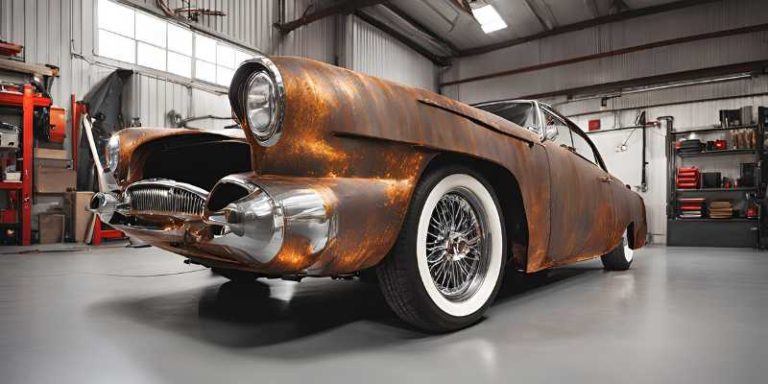
While hypercars like the Regera are the conceptually fastest, their accessibility can be a barrier for beginners. You might find a highly modified “Derelict” vehicle that, once fully restored and upgraded, performs surprisingly well in straight-line events.
Derelicts (like the classic Ford Mustang or Chevrolet C10 Pickup) can sometimes be tuned to surprisingly high PI levels. However, they rarely reach the absolute maximum speed ceiling of purpose-built hypercars due to weight and chassis limitations. They are fantastic for mid-game fun, but for the definitive “fastest,” stick to the proper Speed-class machinery.
When Other Events Dictate Speed Needs
Remember how we talked about speed not being everything? Depending on the race type, a different car might actually be “faster” for that specific race.
| Race Type | Ideal Car Trait | Example Car Focus |
|---|---|---|
| Speed Trap | Sustained High Top Speed | Koenigsegg Regera (Optimized for Top Speed) |
| Sprint/Circuit Race | Balance of Speed & Handling | Porsche 911 Carrera S or Ford GT |
| Drag Race | Rapid Acceleration & High Terminal Velocity | Bugatti Chiron or Nissan GT-R |
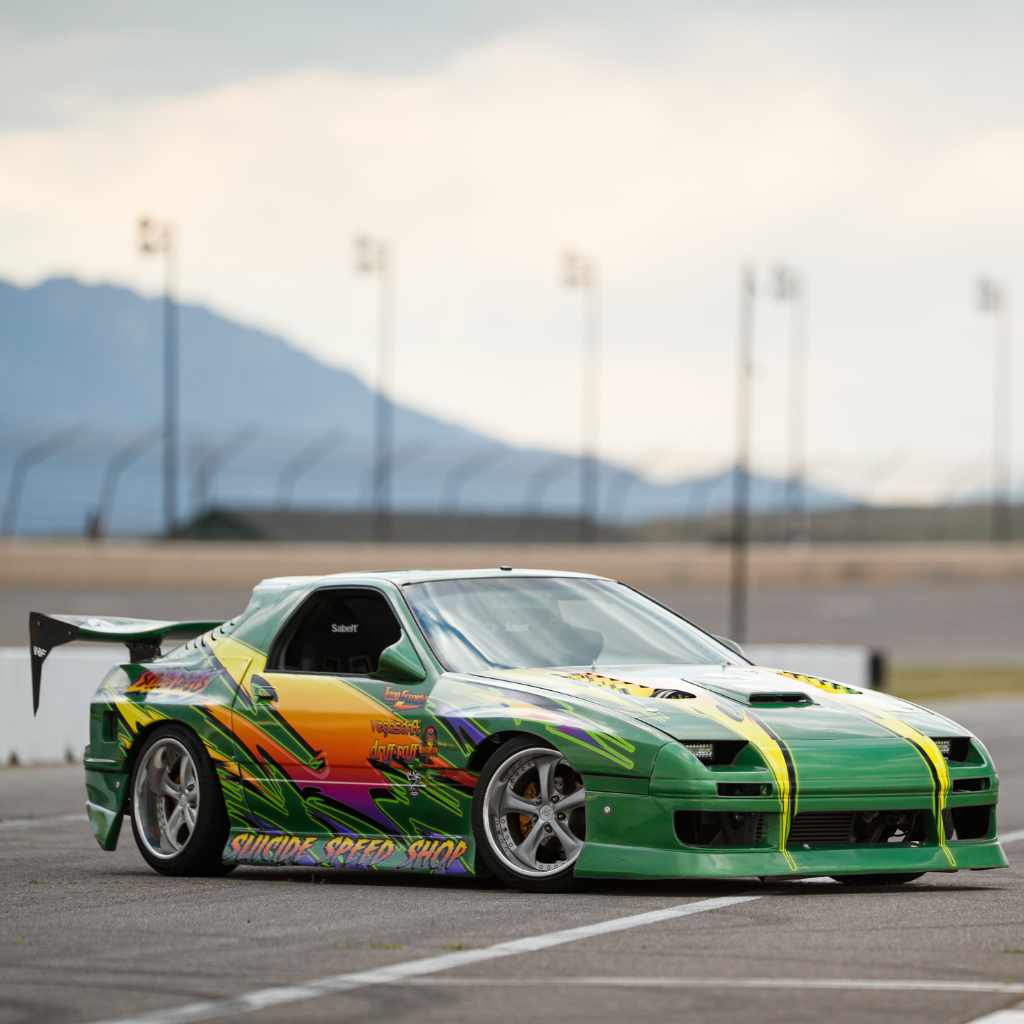
| Drift | Handling and Control (Speed is secondary) | Mazda RX-7 (FD) or Nissan Silvia |
This distinction is key. If you try to race a highly specialized top-speed build (like a Regera tuned only for 399 top speed) through a tight canyon circuit, you will be slower than a well-balanced mid-tier supercar because the top-speed setup sacrifices responsiveness for velocity.
Beyond Top Speed: Why Handling Matters in High-Velocity Driving
Even in races where you seek ultimate speed, the roads of Fortune Valley are rarely perfectly straight. A car that can hit 250 MPH but requires you to brake to 50 MPH for every turn is objectively slower than a car that hits 235 MPH but can take those same turns flat out at 150 MPH without losing momentum.
This concept is fundamental to real-world driving physics as well—it’s why Formula 1 cars prioritize downforce and grip over just raw engine horsepower. To translate this to NFS Payback, ensure that when you are upgrading your speed demon, you leave some room for handling optimization:
- Suspension Tuning: Keep your ride height relatively low, even for speed builds, to lower the center of gravity.
- Brake Power: Excellent brakes are non-negotiable. Being able to bleed speed quickly before a corner means you lose less time scrubbing speed than having to attempt a slow, safe turn.
Frequently Asked Questions (FAQ) for NFS Payback Speed Hunters
Q1: Is the Koenigsegg Regera the only car that can hit the highest speed limit?
A: No, but it is generally the most efficient. Cars like the Bugatti Chiron and Hennessey Venom GT can also reach the absolute maximum speed cap when fully customized with 399-rated Speed parts, but the Regera often achieves this with slightly better overall stability.
Q2: How do I get the Koenigsegg Regera in NFS Payback?
A: You typically unlock the purchase option for the Regera by progressing through the main story chapters and defeating specific antagonists associated with the Speed class racing houses. It is a high-end purchase requiring significant in-game currency.
Q3: What does it mean when my car hits the “speed limit” in a Speed Trap?
A: If you see a message that your car hit the speed limit, it means you have reached the maximum velocity the game engine allows for that specific car setup or race event, regardless of available upgrades. You must adjust your drivetrain tuning (lengthen gear ratios) or select a car with inherently higher potential if you want to go faster.
Q4: Should I upgrade my ‘Offroad’ or ‘Drift’ cars for top speed?
A: Generally, no. Cars designated for Offroad (like trucks or rally cars) or Drift have chassis and component limitations that prevent them from reaching the same top speeds as cars from the Speed or Super Sport classes, even when fully upgraded.
Q5: Is buying used cars from the “Parts Store” guaranteed to be fast?
A: No. Used cars come with random performance card levels. You might find a used car that is already highly upgraded (e.g., 300 PI), but you will still need to find better parts to push it towards the 399 maximum speed potential.
Q6: How important is Nitrous Oxide (NOS) for achieving the fastest speed?
A: Nitrous is crucial for achieving top speed quickly (acceleration) and recovering speed after slowing down (like exiting a corner). However, in a pure, already-fast straight-line run, the car’s mechanical top speed rating is more important than the NOS duration.
Conclusion: Mastering Speed in Fortune Valley
So, there you have it! When asking “what is the fastest car in NFS Payback,” the clear answer points toward the incredible Koenigsegg Regera when optimized for pure velocity. However, success in this game is rarely about finding one magic key; it’s about understanding the mechanics behind the speed.
Remember, the journey to owning the fastest machines involves smart grinding, strategic part selection, and precise tuning of your gear ratios to squeeze every last digital mile per hour out of your engine. Don’t just buy the hypercar—learn to treat it like a true mechanic would treat a finely tuned engine. Experiment, adjust your ratios little by little, and soon you will be leaving those rivals in your dust, feeling confident that every victory was earned through smart preparation. Keep those tires gripping, and happy racing!