What is the Msrp of My Car: Unlock True Value Instantly
Are you curious about the true value of your car? Knowing the MSRP of your car can give you the upper hand whether you’re buying, selling, or just keeping track of your investment.
But what exactly is the MSRP, and why does it matter to you? This article will break down everything you need to know in simple terms. By the time you finish reading, you’ll understand how the MSRP affects your car’s worth and how you can use this knowledge to make smarter decisions.
Ready to find out what your car is really worth? Let’s dive in.
Msrp Basics
The MSRP of a car is an important number for buyers. It tells you the price the car maker suggests. This helps you understand what to expect when buying a new car.
Knowing how MSRP works can make your car buying easier. It shows the starting price before any discounts or fees.
What Msrp Means
MSRP stands for Manufacturer’s Suggested Retail Price. It is the price car makers recommend dealers sell at. This price includes the base car and standard features.
It does not include taxes, dealer fees, or extra options. Think of it as a starting point for the price.
How Msrp Is Set
Car makers set the MSRP based on production costs and market trends. They study what similar cars cost in the market. Then they choose a price that covers costs and matches customer expectations.
This price can change each year with new models or features added.
Msrp Vs. Invoice Price
The invoice price is what the dealer pays the car maker. It is usually less than the MSRP. Dealers use this price to make profit after selling the car.
Knowing both prices helps buyers negotiate better deals. The MSRP is the starting price, the invoice shows dealer cost.
Finding Your Car’s Msrp
Finding your car’s MSRP helps you understand its true value. The MSRP is the price set by the manufacturer. It shows what the car costs before taxes and fees. Knowing this price can help you make better buying decisions. There are simple ways to find the MSRP for your car. Below are three easy methods to try.
Using Manufacturer Websites
Visit the car brand’s official website. Most brands list their current models and prices. You can select your car’s make and model. The website shows the base price and options. This price is often the MSRP. It is the best place for accurate information.
Checking Window Stickers
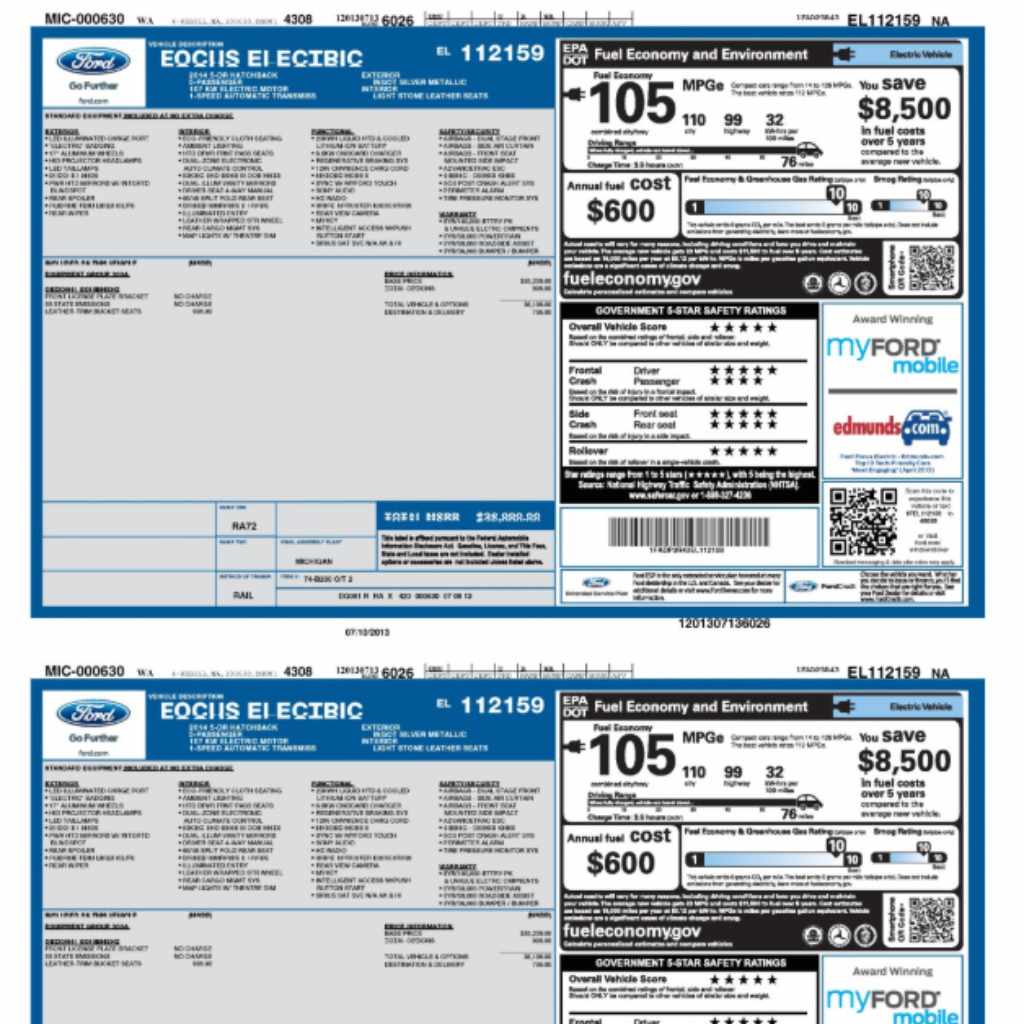
Look at the window sticker on the car itself. New cars have a sticker with detailed pricing. This sticker includes the MSRP and other costs. It shows standard features and optional upgrades. The sticker is usually on the driver’s side window. It is a reliable source for MSRP data.
Online Pricing Tools
Use online pricing tools on trusted websites. Enter your car’s details like year, make, and model. These tools provide the MSRP and market price. They also show price trends and dealer offers. This helps compare your car’s value easily. Many tools are free and user-friendly.
Factors Impacting Msrp
The Manufacturer’s Suggested Retail Price (MSRP) is not fixed. It changes based on several factors. Understanding these factors helps buyers know why prices vary for the same car model. Several key elements influence the MSRP of your car.
Trim Levels And Options
Cars come in different trim levels. Each level offers unique features and styles. Basic trims cost less, while premium trims add luxury and tech options. Extra features like sunroofs, navigation systems, and safety packages increase the MSRP. The more options added, the higher the price.
Geographic Location
Where you live affects the MSRP. Dealers in big cities often have higher prices than rural areas. Local taxes and fees change the final cost. Shipping and delivery charges can also raise the MSRP in certain regions. This means the same car may cost more in one place than another.
Seasonal And Market Trends
Car prices shift with the seasons. Demand usually rises in spring and summer. Dealers may lower prices during fall or winter to clear inventory. Market trends like fuel prices and new model releases influence MSRP too. Economic conditions and competition play a role in setting prices.
Credit: www.youtube.com
Msrp Vs. Market Value
The MSRP and market value are two key price points for your car. The MSRP, or Manufacturer’s Suggested Retail Price, is the price set by the car maker. Market value is what buyers actually pay in the current market. These two can differ a lot based on several factors.
Understanding the difference helps you make smarter buying or selling choices. It also shows why the price you see might not match the price you pay.
Depreciation Effects
Depreciation lowers the car’s value over time. The MSRP is the starting price when the car is new. As soon as you drive the car off the lot, its market value drops. This happens because cars lose value with age and use. Market value changes faster than MSRP, reflecting current conditions.
Negotiation Leverage
Knowing the MSRP gives you a baseline for price talks. Dealers may start with a price above MSRP. If you know the MSRP, you can spot if the price is fair. Market value shows what others pay, helping you negotiate better. Use both numbers to get a reasonable deal.
Certified Pre-owned Differences
Certified pre-owned cars often have higher prices than regular used cars. Their market value stays closer to the original MSRP. These cars get inspections and warranties, which add value. The market value for certified cars reflects these extra benefits. MSRP helps you compare prices for certified and non-certified cars.
Unlocking Your Car’s True Value
Understanding your car’s true value starts with knowing its MSRP. The Manufacturer’s Suggested Retail Price sets the baseline for what a car should cost. It helps you see if a deal is fair or too high. Knowing the MSRP gives you power in buying, selling, or trading your car. It is the first step toward smart decisions about your vehicle.
Using Msrp To Negotiate
MSRP gives you a starting point for price talks. Dealers often list prices above MSRP. You can use the MSRP to ask for a better deal. Showing you know the MSRP shows you are informed. It can help lower the price closer to the suggested amount. Always compare the dealer’s price with the MSRP first.
Considering Additional Fees
MSRP does not include all costs. Taxes, registration, and dealer fees add to the price. These fees vary by location and dealer. Ask for a full price breakdown to avoid surprises. Knowing all costs helps you understand the total price. Plan your budget with these extra fees in mind.
Trade-in And Resale Insights
MSRP also affects your car’s trade-in value. Cars hold value based on their original MSRP and condition. A higher MSRP might mean better resale price later. Check your car’s current market value against its MSRP. This helps you get a fair trade-in or resale price. It keeps you informed about your car’s worth over time.

Credit: www.reddit.com
Tools To Track Msrp Changes
Tracking the Manufacturer’s Suggested Retail Price (MSRP) of your car helps you stay informed about price changes. Various tools make it easy to monitor these updates. These tools keep you updated on discounts, dealer incentives, and market shifts.
Mobile Apps For Pricing
Mobile apps provide quick access to MSRP updates. They offer real-time pricing for new and used cars. Some apps send notifications about price drops or special offers. Apps like Edmunds and Kelley Blue Book are popular choices. They help you compare prices across different models and trims.
Dealer Price Alerts
Dealers use price alert systems to notify buyers about changes. Signing up for these alerts means you get immediate updates. You receive emails or text messages with new prices or deals. These alerts help you act fast when prices change. They are useful for tracking limited-time offers.
Industry Reports
Industry reports provide detailed insights on car pricing trends. These reports come from automotive research firms. They analyze MSRP trends over months and years. Reports highlight factors affecting price changes, like demand or supply. Reading them helps you understand the bigger pricing picture.

Credit: stat.vin
Frequently Asked Questions
What Does Msrp Mean For My Car?
MSRP stands for Manufacturer’s Suggested Retail Price. It is the price the car maker recommends dealers charge. This price helps buyers understand the car’s base cost before taxes and fees.
How To Find The Msrp Of My Car?
You can find your car’s MSRP on the window sticker or the manufacturer’s website. Online car listings and dealerships also list the MSRP for each model.
Is Msrp The Final Price I Pay?
No, MSRP is just a suggested price. The actual price may vary due to dealer discounts, taxes, fees, and negotiations.
Why Is Msrp Important When Buying A Car?
MSRP helps you compare prices of different cars fairly. It sets a benchmark so you know if a deal is good or overpriced.
Conclusion
Knowing your car’s MSRP helps you understand its true value. It shows the starting price set by the maker. This number guides you during price talks with dealers. Remember, the MSRP does not include taxes or fees. Always compare the MSRP with other prices before buying.
This way, you get a fair deal on your car. Keep this info in mind when shopping for your next vehicle. It makes the whole process clearer and easier.