What Is the Rubber Seal at the Car Window Base Called
Many people wonder, What Is the Rubber Seal at the Car Window Base Called? It might seem like a small detail, but this part plays a big role in keeping your car dry and quiet. Sometimes, figuring out the right name for car parts can be a bit tricky, especially when you need a replacement or want to talk to a mechanic. Don’t worry, though!
This guide will make it super simple. We’ll break down exactly what this seal is and what it does, step by step. Get ready to learn all about it!
Understanding Your Car’s Window Seal
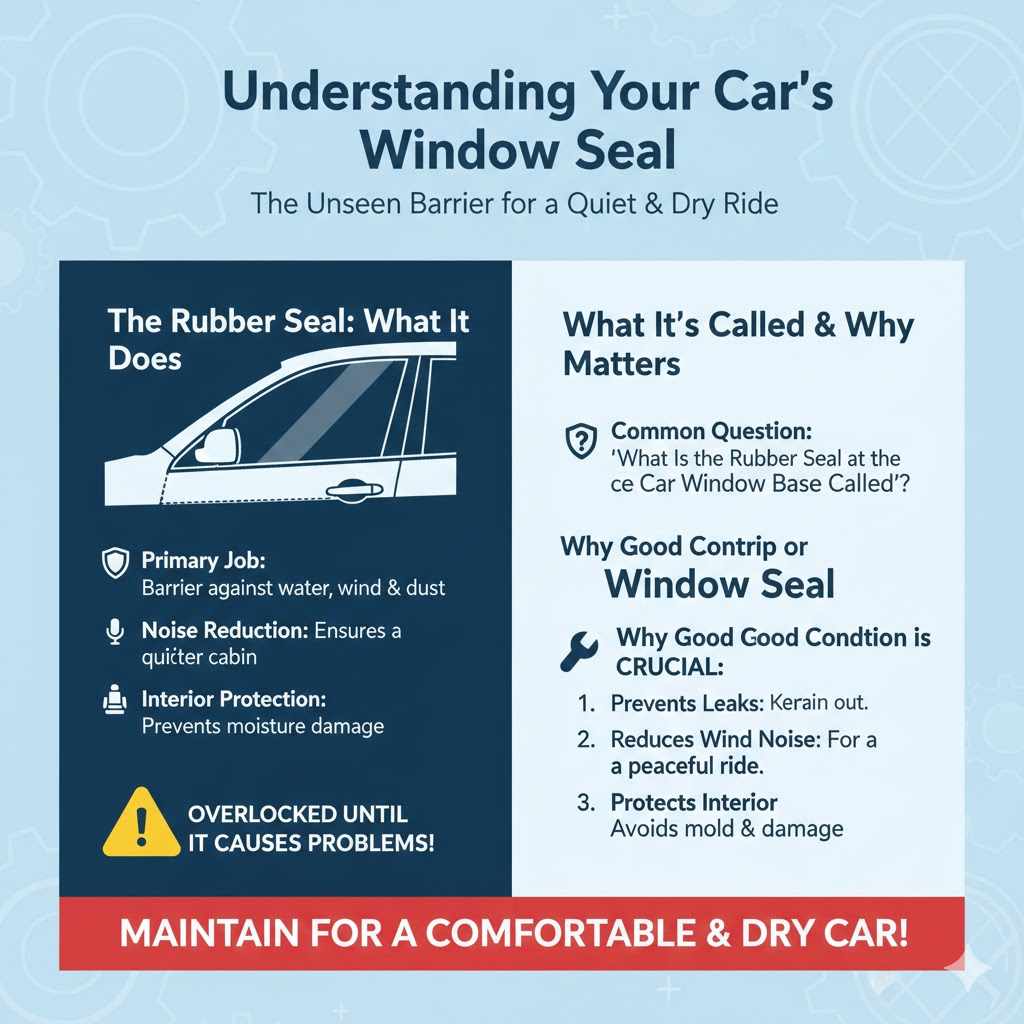
The rubber seal around your car window is a vital component that many drivers overlook until it starts to cause problems. Its primary job is to create a barrier against the elements and noise. When you ask, “What Is the Rubber Seal at the Car Window Base Called?”, you’re tapping into a common question that touches on vehicle maintenance and design.
This seal prevents water, wind, and dust from entering the car’s cabin. Keeping it in good shape ensures a comfortable and quiet ride, and protects the interior from damage caused by moisture.
The Official Name for the Window Seal
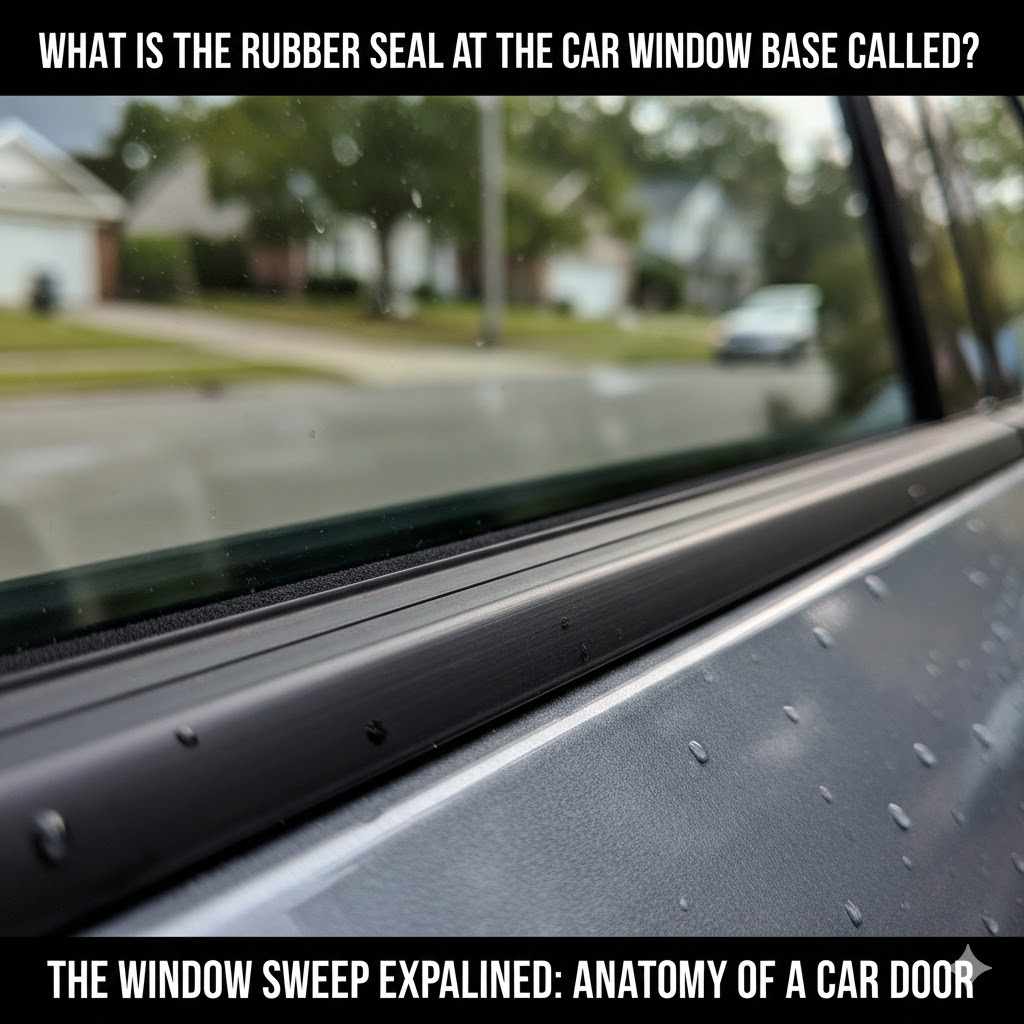
The rubber seal that runs along the base of your car window, and often around the entire perimeter, is most commonly known as a window seal or a weatherstrip. Sometimes, people refer to it more specifically as a door seal if it’s part of the door frame that seals against the car body. For the part specifically at the bottom of the glass where it meets the door panel, it might also be called a window run channel or a glass run channel.
These terms might sound technical, but they all point to the same essential function: creating a tight seal. A window seal is designed to be flexible yet durable, able to withstand exposure to sunlight, rain, and temperature changes. Its structure allows it to compress when the window is closed, forming a waterproof and airtight barrier.
The material used is typically a form of EPDM rubber (ethylene propylene diene monomer). This synthetic rubber is chosen for its excellent resistance to weathering, ozone, and UV rays, which are common causes of rubber degradation in automotive applications. This means your window seals are built to last, but like any rubber component, they can eventually wear out or become damaged.
Window Run Channel Functionality
The window run channel is a critical part of the window sealing system. It is essentially a channel or groove that the side of the car window slides into. This channel is lined with a fuzzy or rubberized material that helps the window slide smoothly up and down while also providing a seal against the glass.
Think of it as a guide and a protector all in one for the edge of your window.
When you lower your car window, it slides down into this channel. When you raise it, the channel guides the glass to its closed position, where it meets the main weatherstripping to create a watertight seal with the car body. The fuzzy material inside the channel, often called pile lining, reduces friction and prevents dust and debris from getting into the door mechanism.
Without a properly functioning window run channel, your windows might become noisy, difficult to operate, or allow water to leak into the car. This can lead to damage to the interior, including the door panels and electronics, and can even cause mold or mildew to grow inside your vehicle.
- Smooth Operation: The primary function of the run channel is to allow the window glass to move up and down smoothly without binding or sticking. The lining material within the channel reduces friction.
- Weather Protection: It seals the edge of the window glass against the door frame when the window is closed, preventing rain, wind, and dirt from entering the car. This is a key part of the overall weatherstripping system.
- Noise Reduction: By providing a snug fit, the run channel helps to minimize wind noise that can enter the cabin at higher speeds. A worn-out channel can allow more air to pass through, increasing road noise.
- Protection of Glass and Mechanism: The channel protects the edges of the glass from chipping or scratching as it moves. It also helps keep debris away from the window regulator and motor, which could otherwise cause damage.
Why is the Seal Important What Is the Rubber Seal at the Car Window Base Called
The rubber seal, whether you call it a weatherstrip or a window run channel, is critically important for several reasons. Its presence directly impacts your comfort, the longevity of your car’s interior, and even its resale value. Understanding its importance helps you appreciate why maintaining it is a smart move for any car owner.
When the seal is intact and functioning correctly, it acts as a powerful barrier. It stops rainwater from seeping into the car, which can cause water damage to upholstery, carpets, and even electrical components. This prevents the musty smell of dampness and the growth of mold and mildew, which are not only unpleasant but also harmful to health.
Beyond water, the seal also blocks out drafts and wind noise, leading to a quieter and more comfortable driving experience.
Additionally, the seal helps to keep out dust, dirt, and even insects, maintaining a cleaner interior. Over time, a compromised seal can lead to accelerated wear on interior fabrics and trim due to constant exposure to the elements. For those living in areas with extreme weather, a good seal is essential for maintaining cabin temperature, reducing the strain on heating and cooling systems.
Common Issues with Car Window Seals
Over time, car window seals can suffer from wear and tear, leading to several common problems. Exposure to sunlight, extreme temperatures, and harsh weather conditions can cause the rubber to dry out, crack, or become brittle. This degradation compromises the seal’s ability to perform its protective functions.
One of the most frequent issues is water leaks. When the seal cracks or loses its flexibility, it can no longer create a tight barrier, allowing rain to enter the car. This can happen around the edges of the window or at the bottom where the seal might be most compressed.
These leaks can lead to water stains, mold growth, and damage to interior materials.
Another common problem is increased wind noise. A worn or damaged seal will not press tightly against the car body, allowing air to flow into the cabin. This can make conversations difficult, increase fatigue on long drives, and make the car feel less refined.
You might notice a whistling sound or a constant rush of air when driving at higher speeds.
Seals can also become loose or detach from their mounting points, especially if they are old and the adhesive or clips that hold them in place have failed. This can leave gaps that further exacerbate water and noise issues. In some cases, the rubber may start to stick to the glass, causing a rough or jerky movement when operating the window.
This often indicates that the seal is drying out and needs attention, possibly replacement.
- Deterioration and Cracking: Prolonged exposure to UV rays and temperature fluctuations causes the rubber to lose its elasticity. It can become hard, brittle, and develop visible cracks, compromising its sealing ability.
- Deformation and Loosening: Heat can cause seals to soften and lose their shape, while repeated opening and closing of windows can lead to them becoming loose. This creates gaps where elements can enter.
- Adhesive Failure: Many seals are held in place with strong automotive adhesives. Over time, these adhesives can break down, especially when exposed to moisture and temperature changes, causing the seal to peel away.
- Damage from External Factors: Minor impacts, car washes, or even attempting to force a stuck window can cause physical damage to the seals, leading to tears or punctures.
Replacing Your Car Window Seals
If you notice that your window seals are damaged or worn out, replacing them is a worthwhile task for maintaining your car’s condition. The process for replacing what is the rubber seal at the car window base called can vary depending on your car’s make and model, but the general steps are quite straightforward.
First, you’ll need to obtain the correct replacement seals for your specific vehicle. You can usually find these at auto parts stores, online retailers, or directly from your car’s manufacturer. Once you have the new seals, the old ones need to be carefully removed.
This often involves gently prying them away from the window frame or door panel.
After cleaning the area where the old seal was located, you can begin installing the new one. Many seals simply press into a channel or groove around the window frame. Others might require adhesive for a secure fit.
It’s important to work slowly and ensure the new seal is properly seated all the way around to create a uniform and effective barrier.
For the window run channel specifically,
DIY vs. Professional Seal Replacement
Deciding whether to
DIY replacement allows you to save money on labor costs. The main expense will be the cost of the new seals. Many online tutorials and forums provide step-by-step instructions, making it easier to tackle the job.
All you typically need are basic tools like a trim removal tool, a rag, and possibly some adhesive cleaner.
However, some seal replacements, particularly those involving the inner window run channels or more integrated systems, can be more challenging. If you’re not mechanically inclined, attempting these can lead to mistakes that might cause further damage or result in a poor seal. In such cases, professional help is often the better option.
Auto repair shops have the experience, specialized tools, and knowledge to ensure the job is done correctly the first time, guaranteeing a proper seal and smooth window operation.
- Assess the Damage: Before deciding, thoroughly inspect the condition of your window seals. If it’s just minor cracking or stiffness, DIY might be an option. If the seal has completely detached or the channel is damaged, professional help might be better.
- Consider Your Skill Level: Be honest about your mechanical abilities. If you’ve done similar repairs before and feel confident, go for DIY. If you’re unsure, it’s wiser to seek professional assistance to avoid potential problems.
- Factor in Time and Tools: DIY requires you to dedicate time for the repair. You also need to ensure you have the correct tools. Professionals have all the necessary equipment readily available.
- Warranty and Guarantee: Professional repairs usually come with a warranty on parts and labor. This offers peace of mind and recourse if something goes wrong. DIY repairs typically do not have this guarantee.
Maintenance Tips for Window Seals
To extend the life of your car window seals and prevent premature wear, regular maintenance is key. Simple actions can make a significant difference in keeping them supple, flexible, and effective for years to come. These tips are easy to follow and don’t require special tools or skills.
One of the most effective ways to maintain your seals is to clean them regularly. Use a mild soap and water solution or a dedicated rubber cleaner to gently wipe them down. This removes dirt, grime, and any residue that can build up and cause the rubber to deteriorate.
After cleaning, make sure to rinse thoroughly and dry the seals.
Applying a rubber protectant or conditioner is also highly recommended. These products help to keep the rubber flexible, prevent it from drying out and cracking, and provide protection against UV rays. Many automotive supply stores sell products specifically designed for weatherstripping.
Apply these treatments according to the product instructions, usually every few months.
When washing your car, avoid using harsh chemicals or high-pressure water directly on the seals, as this can damage the rubber or dislodge them. Also, be mindful when opening and closing windows, especially if they seem a bit stiff. Forcing them can cause damage.
If a window is difficult to operate, inspect the seal and the run channel for obstructions or signs of wear.
- Regular Cleaning: Wash your car’s window seals with a mild soap and water solution to remove dirt and debris. This prevents abrasive particles from damaging the rubber.
- Apply Rubber Conditioner: Use a silicone-based or rubber protectant product regularly. This replenishes the rubber’s oils, keeps it flexible, and protects it from sun damage and cracking.
- Inspect for Damage: Periodically check the seals for any signs of cracking, tearing, or hardening. Early detection of damage can prevent leaks and more extensive repairs.
- Keep Them Lubricated: In dry climates, a light application of silicone lubricant can help keep the seals from sticking to the glass and ensure smooth operation.
Common Terminology for Car Window Sealing Parts
When discussing car maintenance, knowing the correct terminology is helpful. Beyond just asking, “What Is the Rubber Seal at the Car Window Base Called?”, understanding related terms can help you communicate more effectively with mechanics and make informed decisions about repairs.
The main rubber component that seals the window against the car body when closed is often broadly called a door seal or weatherstripping. This is usually the thickest rubber part visible around the perimeter of the door opening. It compresses when the door is shut to prevent water and air from entering.
However, the specific rubber component at the base of the glass itself, often a U-shaped channel with a fuzzy lining, is more precisely termed a window run channel or glass run channel. This part guides the glass as it moves and seals against it to prevent leaks from the side.
Sometimes, you might also hear the term beltline weatherstrip. This refers to the weatherstripping located at the bottom of the side window glass, just above the door panel. Its job is to seal the gap between the moving glass and the door frame, preventing water from dripping into the door cavity.
Understanding these different terms helps when looking for replacement parts or describing a problem to a professional. Each part plays a role in the overall sealing system of your car windows.
Detailed Explanation of Terminology
Let’s break down these terms to ensure clarity. When someone asks, “What Is the Rubber Seal at the Car Window Base Called?”, they might be referring to a few different parts, but they are all related to the same goal: keeping your car sealed.
Weatherstrip: This is a very general term for any rubber or foam material used to seal gaps and prevent the passage of air, water, or sound. On a car, weatherstripping is used around doors, windows, hoods, and trunks. The rubber around your car window is a type of weatherstripping.
Door Seal: This term specifically refers to the weatherstripping found around the perimeter of a car door. When the door is closed, the door seal compresses against the car body, creating a seal to keep out weather and noise. It’s a broad category that includes window seals.
Window Seal: This is a more specific term for the rubber components that seal the car window. It can refer to the entire system, including the weatherstripping around the window frame and the run channel. It’s a common and easily understandable term for the parts that keep your windows sealed.
Window Run Channel / Glass Run Channel: This is the most specific term for the channel, usually lined with fuzzy material, that the edge of the side window glass slides into. It’s located along the vertical edges and often the top edge of the side window opening, within the door frame. It guides the glass and provides a seal against the glass itself.
Beltline Weatherstrip: This is the weatherstripping that runs along the bottom edge of the side window glass, where it meets the door panel. Its primary function is to prevent water from splashing up and entering the door cavity from the outside, and also to reduce wind noise.
In essence, all these terms describe parts of the system that keep your car’s interior protected from the outside environment. The specific name depends on the exact location and function of the rubber component.
The Role of the Window Run Channel
The window run channel is a critical element in the proper functioning and sealing of your car’s side windows. It is more than just a rubber strip; it’s a precisely engineered component designed to work in conjunction with the window glass and the door mechanism. Its presence is what allows your windows to slide up and down smoothly while maintaining a seal against the elements.
Inside the door panel, the window glass travels within this specialized channel. The channel’s lining, often made of a flocked material (like a fuzzy fabric), significantly reduces friction. This ensures that the glass moves effortlessly, preventing strain on the window motor or manual regulator.
Without this smooth guidance, operating the window would be difficult and noisy.
When the window is fully raised, the window run channel is designed to create a snug fit against the edge of the glass. This fit is crucial for preventing water ingress. Even a slight gap can allow rain to drip into the door cavity, potentially leading to rust or damage to internal components.
The channel works hand-in-hand with the exterior weatherstripping to provide a comprehensive seal.
- Guiding the Glass: The channel provides a defined path for the window glass to travel within the door. This ensures the glass moves vertically without tilting or binding, which is essential for smooth operation.
- Friction Reduction: The flocked lining of the channel minimizes the resistance between the glass edge and the channel itself. This allows the window to be raised and lowered with less effort and noise.
- Water Sealing: The channel forms a seal against the edge of the glass when the window is closed. This prevents water from entering the door panel through the gap between the glass and the frame.
- Dust and Debris Barrier: The snug fit of the channel also helps to keep dust, dirt, and other external debris from entering the sensitive internal mechanisms of the door, protecting the window regulator and motor.
Real-Life Scenarios with Window Seals
Understanding the importance and terminology of car window seals becomes much clearer when looking at real-life situations. These scenarios highlight how critical these seemingly small rubber parts are for the overall condition and usability of a vehicle.
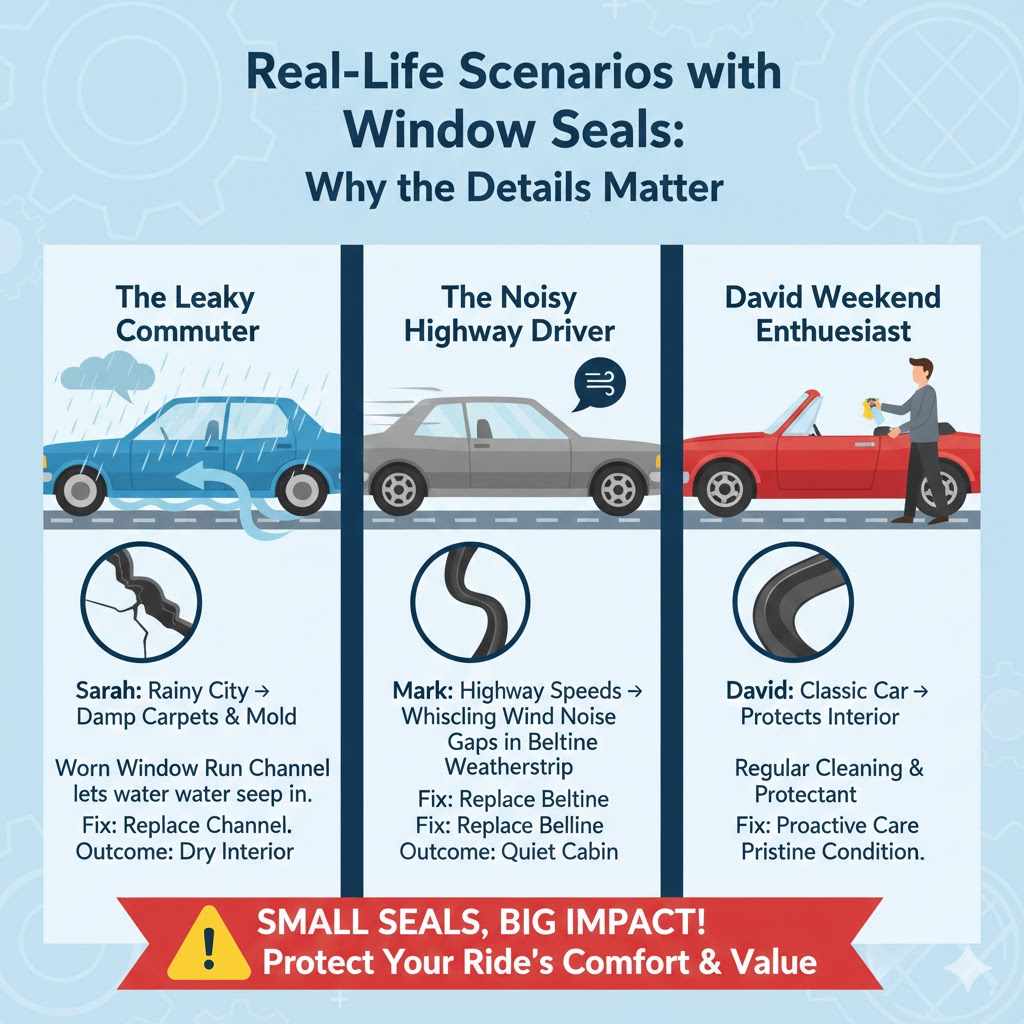
Consider a scenario where a driver lives in a rainy coastal city. After a few years, they start noticing damp carpets and a musty smell inside their car, especially after heavy downpours. They initially suspect a leaky sunroof or door seals, but upon closer inspection by a mechanic, it’s discovered that the window run channels on the front doors have degraded.
The fuzzy lining has worn away, and the rubber has cracked, allowing water to seep in along the bottom edge of the glass and into the door cavity. The solution involves replacing these specific run channels, which resolves the leak and the unpleasant odor, restoring the car’s interior comfort.
Another common scenario involves a car owner who frequently drives on the highway. They start complaining about a persistent whistling noise that gets louder with speed. While this could be many things, a worn-out beltline weatherstrip or a loose exterior door seal is often the culprit.
When the rubber is no longer creating a tight seal against the car body, wind can pass through, creating that annoying sound. Replacing the compromised weatherstripping eliminates the whistling, making highway driving much more pleasant and quieter.
Finally, imagine a classic car owner who meticulously maintains their vintage vehicle. They are very aware that older rubber components can become brittle over time. To prevent issues, they regularly clean and apply a rubber protectant to all their window seals.
This proactive approach prevents cracks from forming, keeps the seals flexible, and ensures that the windows continue to seal effectively, preserving the car’s original condition and preventing water damage that could be costly to repair on a valuable classic car.
- The Leaky Commuter: Sarah drives to work daily through a city known for its heavy rain. She starts finding puddles on her passenger-side floor mat after every wash or significant downpour. After checking the door seals, she realizes the issue is with the window run channel, which has hardened and cracked, allowing water to seep in along the edge of the glass when it’s rolled up. Replacing this specific channel stops the leak, saving her interior from mold and water damage.
- The Noisy Highway Driver: Mark notices a constant rushing air sound inside his car when he drives at speeds above 50 mph. He initially thinks it’s tire noise, but a mechanic identifies a gap in the beltline weatherstrip on his driver’s side window. The rubber has shrunk slightly and is no longer making firm contact with the door frame. Replacing this beltline strip significantly reduces the wind noise, making his commute more peaceful.
- The Weekend Enthusiast: David owns a convertible and is concerned about protecting its interior from the elements when parked. He regularly cleans and treats his window seals with a silicone-based protectant. This keeps the rubber supple, prevents it from drying out and cracking, and ensures a tight seal when the windows are up, keeping rain and dust out and maintaining the car’s pristine interior.
Frequently Asked Questions
Question: What is the rubber seal at the base of a car window called
Answer: The rubber seal at the base of a car window is most commonly called a window run channel or a glass run channel. It’s also part of the overall weatherstripping system and might be referred to as a beltline weatherstrip.
Question: Why do my car windows leak
Answer: Car windows typically leak when the rubber seals, weatherstripping, or window run channels have degraded, cracked, or become loose. This allows water to enter the car interior.
Question: Can I replace window seals myself
Answer: Yes, you can often
Question: How often should I maintain my car’s window seals
Answer: It’s a good idea to inspect and clean your car’s window seals every few months and apply a rubber protectant at least twice a year, especially if you live in an area with harsh weather conditions.
Question: What is the fuzzy material inside the window channel
Answer: The fuzzy material inside the window channel is called flocking or pile lining. It helps reduce friction, allowing the window glass to slide smoothly and quietly.
Summary
The rubber seal at your car window base is typically called a window run channel or glass run channel. These seals are vital for preventing water and wind leaks, reducing noise, and protecting your car’s interior. Regular cleaning and treatment with rubber protectants can extend their lifespan.
If they degrade, replacement is necessary for optimal vehicle protection and comfort.