Are Car Ramps Safe? The Weight-Rating Rule Most Guides Skip
Car ramps are safe when their weight rating covers your vehicle’s full axle weight — not curb weight — on a flat, dry, hard surface. A ramp pair rated 12,000 lb GVW holds only 6,000 lb per side, since ramps lift one axle at a time. This guide covers that rating math, the 5 most common ramp failures, and the exact 10-step process I use for every oil change.
What Are Car Ramps, and Why Do People Use Them?
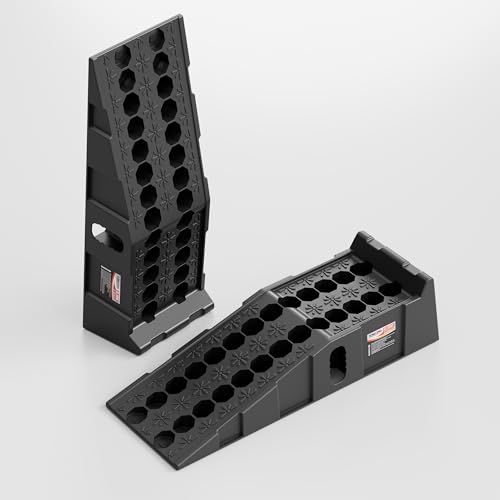
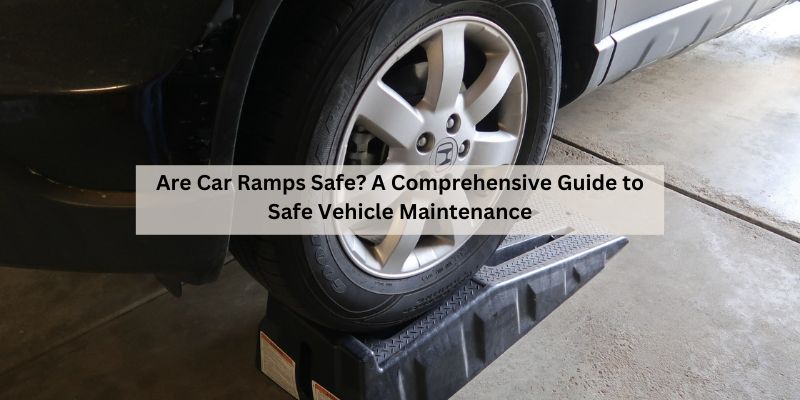
Car ramps are sturdy, inclined platforms designed to lift the front or rear of your vehicle off the ground. They’re typically made of metal, heavy-duty plastic, or a combination of both. You drive your car onto the ramps, and voilà—your vehicle is elevated, giving you access to the undercarriage for tasks like oil changes, brake repairs, or exhaust work.

I remember the first time I used ramps. It was a game-changer! No more crawling under a low car or wrestling with a jack and stands. Ramps are popular because they’re simple, affordable, and don’t require the setup time of a jack. Plus, they feel stable, which is a big deal when you’re lying underneath a 3,000-pound vehicle. But the question remains: are they safe? Let’s break it down.
How Car Ramps Work and Their Design
Car ramps are designed with a sloped incline that allows your car’s tires to roll up smoothly. Once your vehicle reaches the top, it rests on a flat platform. Most ramps have a slight lip or stopper to prevent the car from rolling too far. The best ramps are engineered to distribute your car’s weight evenly, reducing the risk of tipping or sliding.
I’ve used ramps made of different materials, and here’s what I’ve noticed: metal ramps are incredibly durable but can be heavy and prone to rust. Plastic or composite ramps are lighter and often have grippy surfaces for better tire traction, but they might not feel as reassuring for heavier vehicles. The design matters, too—wider ramps provide more stability, and longer inclines make it easier to drive up without scraping your car’s bumper.
Are Car Ramps Safe? The Short Answer
Yes, car ramps can be safe—if you use them correctly. I’ve had moments where I felt uneasy under a car on ramps, wondering if it could slip or collapse. But after learning the proper techniques and taking precautions, I’ve come to trust them for most routine maintenance. The key is understanding their limitations, choosing the right ramps, and following safety protocols. Let’s explore what makes ramps safe (or unsafe) in more detail.
Factors That Affect Car Ramp Safety
Not all car ramps are created equal, and several factors determine whether they’re safe for your vehicle. Here’s what I’ve learned over the years:
Weight Capacity
Every ramp has a weight rating, usually listed in pounds or tons per pair. I once made the mistake of using ramps rated for 6,000 pounds on a heavier SUV. Thankfully, nothing went wrong, but it was a wake-up call. Always check your vehicle’s gross weight (including cargo) and ensure the ramps can handle it. For example, a typical sedan weighs 3,000–4,000 pounds, so a pair of ramps rated for 6,000–8,000 pounds should suffice. For trucks or SUVs, you’ll need ramps with a higher capacity, like 10,000 pounds or more.
The GVW Rating Trap: Why Your Ramps Might Only Hold Half What You Think
Ramp weight ratings are almost always listed as a combined GVW (gross vehicle weight) figure for the pair, not what a single ramp holds on its own. A pair rated for 12,000 lb GVW is really built to lift one axle carrying up to 6,000 lb — half the printed number — because a set of ramps only ever supports two wheels at a time, never all four. Comparing that rating to your car’s total curb weight overstates your safety margin.
To size ramps correctly, check your vehicle’s front or rear Gross Axle Weight Rating (GAWR) — printed on the door-jamb sticker or in the owner’s manual — and compare that number to half the ramp pair’s GVW rating, not the whole thing.
📊 A ramp pair rated for 12,000 lb GVW is designed to support roughly 6,000 lb per side — because ramps lift one axle at a time, not the whole vehicle at once. — Source: Jalopnik and AutoZone ramp safety guides, 2026
“I once made the mistake of using ramps rated for 6,000 pounds on a heavier SUV. Nothing went wrong that time, but once I understood the GVW-per-pair math, I realized how close that actually was to the ramps’ real limit for that axle.”
Many experienced DIYers also slide a jack stand under the frame as a backup once the vehicle is resting on the ramps — a second point of support in case a ramp shifts or a weld fails. If your project needs full underbody access or wheel removal instead, our guide to jacking up a car safely covers the jack-and-stand process step by step.
Best Car Ramp Pick
Black Widow Stackable Plastic Car Service Ramps (16,000 lb GVW/Pair)
A 16,000 lb GVW-per-pair rated ramp — meaning roughly 8,000 lb per side, enough headroom for most trucks and SUVs even after you do the axle-weight math above.
- Best for: Trucks and SUVs where you want real margin above your front or rear GAWR
- Why we picked it: High-impact grid design plus built-in handles make it easy to size correctly using the per-side math this guide covers
- Main drawback: Taller lift height means it’s not the best pick for low-clearance sports cars
Compare more ramp safety gear options
 Option MaxxHaul Solid Rubber Wheel Chock 2-Pack
|
 Option VEVOR 6-Ton Double-Locking Jack Stands (Pair)
|
 Option Pyle Low-Clearance Car Ramps, 17° Incline (13,000 lb GVW/Pair)
|
As an Amazon Associate we earn from qualifying purchases.
Material Quality
Cheap ramps can be tempting, but they’re often a gamble. I’ve seen flimsy plastic ramps crack under pressure or metal ones with poor welds that wobble. High-quality ramps from reputable brands use reinforced materials and are tested for durability. Look for ramps certified by organizations like ASME (American Society of Mechanical Engineers) for peace of mind.
Surface and Traction
The ramp’s surface plays a big role in safety. Ramps with textured or rubberized surfaces prevent tires from slipping. I once used a slick metal ramp on a slightly wet driveway, and my car’s tires spun a bit—scary moment! Always place ramps on a dry, level surface, and avoid smooth or polished ramps unless they have added grip.
Incline Angle
A steep incline can make it hard to drive up smoothly, increasing the risk of slipping or overshooting. I prefer ramps with a gradual slope (around 15–20 degrees) because they’re easier to navigate. Low-profile ramps are great for sports cars with low ground clearance, but they might not lift as high — if your car scrapes on standard ramps, our guide to car ramp extensions for low cars covers dedicated low-profile options.
Stability Features
Some ramps come with safety features like built-in wheel stops, non-slip bases, or side supports. These extras can make a big difference. I’ve found that ramps with wide bases and anti-skid pads feel much more secure, especially on uneven surfaces.
Comparing Car Ramps to Other Lifting Methods
To understand ramp safety, it’s helpful to compare them to alternatives like floor jacks and jack stands. Here’s a quick table based on my experience:
| Method | Pros | Cons | Best For |
|---|---|---|---|
| Car Ramps | Easy to use, stable, no setup required, great for quick jobs | Limited height, not ideal for wheel removal, fixed position | Oil changes, brake pad inspections, exhaust work with no wheel removal |
| Floor Jack + Jack Stands | Adjustable height, versatile, good for wheel work | Requires more setup, risk of improper stand placement, less stable if misused | Wheel removal, tire rotations, suspension and brake caliper work |
| Hydraulic Lift | Professional-grade, maximum access, very safe when maintained | Expensive, requires space, not practical for home use | Shops and serious home garages needing full underbody access |
I’ve used all three methods, and ramps are my go-to for quick jobs like oil changes. They’re less fuss than setting up jack stands, but they’re not perfect for every task. If you need to remove wheels or work on suspension, jack stands might be better.
Common Safety Risks and How to Avoid Them
Even with the best ramps, things can go wrong if you’re not careful. Here are the risks I’ve encountered or heard about, along with how to avoid them:
Risk 1: Ramps Slipping or Shifting
If ramps aren’t on a level surface, they can slide as you drive up. I once placed ramps on a slightly sloped driveway, and one shifted an inch—enough to make my heart race! Always use ramps on a flat, non-slippery surface like a concrete garage floor. If you’re on asphalt, check that it’s not soft or crumbling.
Risk 2: Driving Off the Edge
It’s easy to misjudge and drive off the side of a ramp, especially with narrow ones. I’ve learned to align my car carefully and go slow. Some ramps have guide rails to keep tires centered, which I highly recommend for beginners.
Risk 3: Overloading the Ramps
Exceeding the weight limit can cause ramps to crack or collapse. I always double-check my vehicle’s weight and the ramp’s capacity. If you’re unsure, go for ramps with a higher rating than you think you need.
Risk 4: Rolling Off the Ramps
If your car isn’t in park or the parking brake isn’t engaged, it could roll off. I’ve heard horror stories of cars rolling backward during maintenance. Always put your car in park (or first gear for manuals), engage the parking brake, and use wheel chocks behind the rear tires for extra security.
Risk 5: Poor Ramp Condition
Worn or damaged ramps are a recipe for disaster. I inspect my ramps before every use, looking for cracks, rust, or bent parts. If anything looks off, replace them immediately.
Step-by-Step Guide to Using Car Ramps Safely
Here’s the exact process I follow to ensure safety when using ramps. It’s simple but effective:
- Choose the Right Ramps: Pick ramps with a weight capacity well above your vehicle’s weight. Check reviews and opt for trusted brands.
- Find a Level Surface: Park on a flat, stable surface like a concrete garage floor. Avoid gravel or sloped driveways.
- Inspect the Ramps: Look for damage, cracks, or wear. Ensure the ramps are clean and free of oil or debris.
- Position the Ramps: Align the ramps with your car’s front or rear tires, depending on the job. Make sure they’re straight and secure.
- Use Wheel Chocks: Place chocks behind the tires not on the ramps to prevent rolling.
- Drive Up Slowly: Ease your car onto the ramps at a steady, slow pace. Stop when you feel the tires settle into the ramp’s platform.
- Secure the Vehicle: Put the car in park (or gear), engage the parking brake, and double-check that the ramps are stable.
- Test Stability: Gently rock the car to ensure the ramps don’t wobble. If they do, reposition or troubleshoot.
- Work Safely: Use a creeper to slide under comfortably, and never work under a car without ensuring it’s secure.
- Lower the Car Carefully: When done, slowly back off the ramps, ensuring the path is clear.
I’ve followed these steps for years, and they’ve kept me safe every time. It’s all about taking your time and not cutting corners.
Who Should Use Car Ramps?
Car ramps are great for DIYers and home mechanics who do routine maintenance like oil changes, brake inspections, or exhaust repairs. They’re ideal for people with limited garage space or those who want a quick, stable lifting solution. However, if you’re doing heavy-duty work like suspension repairs or need access to all four wheels, a jack and stands or a professional lift might be better.
I’ve found ramps especially handy for beginners because they’re less intimidating than jacks. If you’re new to car maintenance, ramps can give you confidence while you learn the ropes.
Tips for Choosing the Best Car Ramps
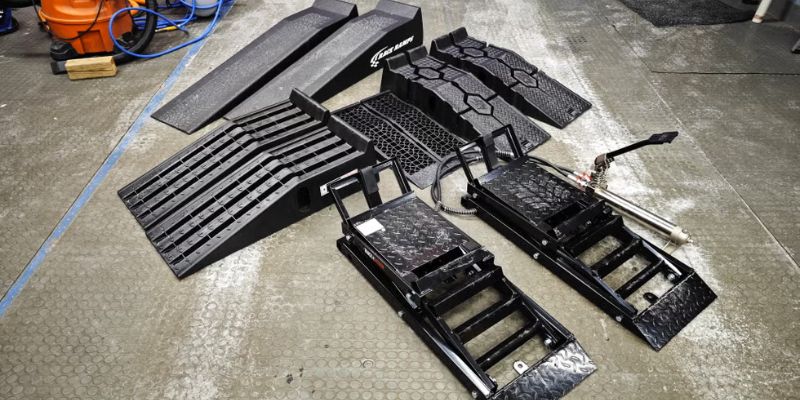
Picking the right ramps can make all the difference. Here’s what I look for when shopping:
- Weight Capacity: Choose ramps rated at least 25% higher than your vehicle’s weight.
- Material: Steel for durability, composite for lightweight portability.
- Width and Length: Wider ramps for stability, longer inclines for low cars.
- Safety Features: Look for wheel stops, non-slip bases, and textured surfaces.
- Portability: If you move ramps often, consider foldable or lightweight models.
- Price vs. Quality: Expect to spend $50–$150 for a good pair. Avoid super-cheap options.
I once bought a budget pair for $30, and they felt flimsy from day one. Investing in a quality set, like Rhino Ramps or Race Ramps, has been worth every penny. For a full breakdown of specific models by price and weight rating, see our best car ramps for maintenance picks, or our metal car ramps for oil changes guide if you specifically want a steel set for quick jobs.
Maintenance and Storage of Car Ramps
Taking care of your ramps ensures they stay safe and last longer. I store mine in a dry corner of my garage to prevent rust or cracking. After each use, I wipe them down to remove oil or dirt. If you notice any damage, don’t risk it—replace them. I also stack mine flat to save space, but I make sure nothing heavy sits on top to avoid warping.
My Personal Experience with Car Ramps
I’ve been using car ramps for over a decade, and they’ve made my DIY projects so much easier. My first pair was a cheap set from a big-box store, and while they worked, I always felt nervous. Upgrading to a higher-quality pair with a 10,000-pound capacity gave me peace of mind, especially when working on my pickup truck. I’ve done everything from oil changes to replacing mufflers, and ramps have been reliable as long as I follow safety steps.
One time, I forgot to use wheel chocks, and my car shifted slightly when I bumped it. Lesson learned! Now, I’m obsessive about double-checking everything. If I can avoid mistakes, so can you.
Conclusion: Are Car Ramps Safe? My Final Thoughts
After years of using car ramps, I can confidently say they’re a safe and practical tool for most home mechanics—if you use them right. They’re stable, easy to use, and perfect for quick jobs like oil changes or undercarriage inspections. But safety comes down to choosing quality ramps, checking their condition, and following proper procedures. I’ve learned to respect the weight of my vehicle and never take shortcuts. By picking ramps with the right weight capacity, using them on a level surface, and securing your car properly, you can work with confidence.
Whether you’re a beginner or a seasoned DIYer, car ramps can be a game-changer for your garage. They’ve saved me time and hassle, and I hope this guide helps you feel ready to use them safely. So, grab a pair of ramps, follow the steps I’ve shared, and get under your car with peace of mind. Happy wrenching!
FAQs
What are car ramps, and how do they work?
Car ramps are inclined platforms that lift your vehicle’s front or rear tires off the ground. You drive slowly onto the ramps, and they hold your car securely for undercarriage work. They’re simple to use and provide a stable base for tasks like oil changes.
Are car ramps safer than jack stands?
Car ramps can be safer for quick jobs because they’re stable and don’t require setup. However, jack stands offer more versatility for tasks like wheel removal. Both are safe if used correctly, but ramps are easier for beginners.
Can car ramps support heavy vehicles like trucks?
Yes, as long as the ramps’ weight capacity exceeds your vehicle’s weight. For trucks, choose ramps rated for 10,000 pounds or more. Always check your vehicle’s weight and the ramp’s rating before use.
How do I know if my car ramps are safe to use?
Inspect your ramps for cracks, rust, or damage before each use. Ensure they’re rated for your vehicle’s weight and placed on a flat, non-slip surface. Using wheel chocks and engaging the parking brake adds extra safety.
Can I use car ramps on a sloped driveway?
It’s not recommended. Ramps need a flat, stable surface to prevent slipping. A sloped driveway increases the risk of the ramps shifting or your car rolling. Use a level garage floor or similar surface instead.
What’s the best way to store car ramps?
Store ramps in a dry, sheltered area to prevent rust or cracking. Keep them flat or stacked neatly, and avoid placing heavy objects on top. Clean them after use to remove oil or debris.
Does a ramp’s weight rating cover my full vehicle weight?
No. Ramp weight ratings are usually a combined GVW figure for the pair, so a set rated 12,000 lb GVW holds about 6,000 lb per side — matching one axle, not your car’s total weight. Compare the rating to your vehicle’s front or rear Gross Axle Weight Rating (GAWR), found on the door-jamb sticker, not the curb weight listed in the owner’s manual specs page.
Products related to this article
Sponsored / affiliate links. As an Amazon Associate I earn from qualifying purchases. I may earn additional commission from eligible campaigns.