
How Do Dealerships Get Cars? Manheim, Trade-Ins & Floor Plans
Dealerships get their cars from two main channels: manufacturer allocation for new vehicles, and trade-ins or dealer-only wholesale auctions like Manheim and ADESA for used ones — nearly all financed through floor plan loans, not cash. As of December 2025, U.S. dealer lots carried a 90-day supply of new inventory, all on borrowed money until it sells. This guide covers vehicle allocation, wholesale auctions, floor plan financing, and who actually holds the title.
Quick Answer
New vehicles come from manufacturer allocation under a franchise agreement, paid for through floor plan financing rather than cash. Used vehicles come from trade-ins, dealer-only wholesale auctions (Manheim, ADESA, OPENLANE), lease returns, and dealer-to-dealer swaps. Until a floor-planned vehicle sells, the lender — not the dealership — technically holds its title.
Sources for Dealership Car Acquisitions
Dealerships need a steady stream of vehicles to keep their lots full. New inventory comes primarily from manufacturers, who build the cars, trucks, and SUVs a dealership sells under its franchise agreement. Used inventory comes from a wider mix of sources — trade-ins, dealer-only wholesale auctions, lease returns, and private purchases — each with a different cost structure and turnaround time.
Manufacturers and Their Role
Original equipment manufacturers (OEMs) like Ford, Toyota, and Honda supply dealerships with brand-new vehicles under a franchise agreement — a legal contract that sets the terms of the relationship and gives the manufacturer control over how many vehicles each store receives. That allocation is based on a dealership’s sales performance, local market demand, and the manufacturer’s own production capacity. In exchange, manufacturers back their dealer network with marketing support, staff training, and warranty coverage.
- Franchise Agreements: Legal contracts that define the terms between manufacturer and dealership.
- Vehicle Allocation: Manufacturers assign a set number of new vehicles to each dealership based on performance and demand.
- Marketing Support: Manufacturers help fund advertising and promotional materials.
- Training Programs: Manufacturers train dealership sales and service staff.
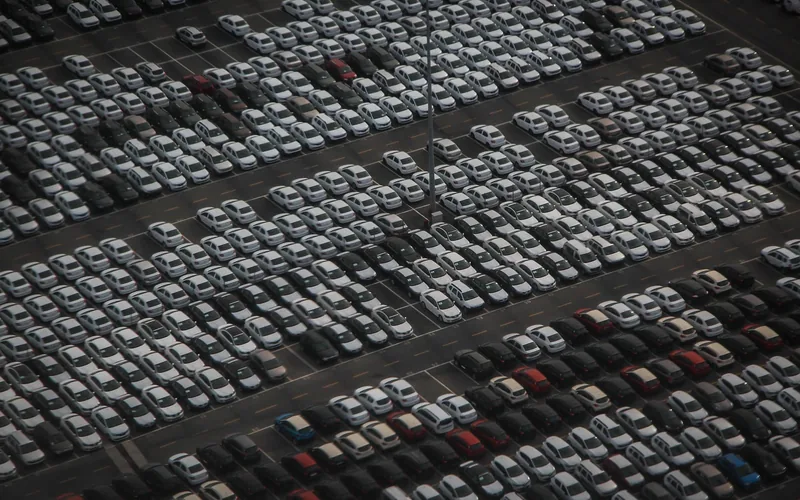
Used Car Sources: Auctions, Trade-ins, and More
Used inventory comes from several distinct channels, and most dealerships blend all of them to keep a varied lot. The biggest sources are customer trade-ins and dealer-only wholesale auctions — platforms like Manheim, ADESA, and OPENLANE, which require an active dealer license and an AuctionACCESS registration before a buyer can even bid. These auctions run on a competitive bidding model, so prices track wholesale market value rather than retail sticker prices.
- Trade-ins: When a customer trades in their old car toward a purchase, it typically joins the dealership’s used inventory.
- Dealer-Only Wholesale Auctions: Manheim, ADESA, and OPENLANE let credentialed dealers buy and sell used vehicles in bulk, often the same week a car needs restocking.
- Lease Returns: When a leased vehicle comes back at the end of its term, the dealership or manufacturer’s captive finance arm can buy it at its contracted residual value and resell it — often as certified pre-owned inventory, since lease returns tend to be low-mileage and well-maintained.
- Direct and Dealer-to-Dealer Purchases: Dealerships buy some vehicles directly from private sellers, and swap or buy inventory from other dealerships to fill gaps a single store’s allocation or trade-ins can’t cover.
Whatever the source, every used vehicle gets inspected before it’s priced and listed — condition, mileage, accident history, and current actual cash value all factor into what a dealership will pay and what it can charge.
Do Dealerships Actually Own the Cars on Their Lot?
Floor plan financing is a revolving line of credit that lets a dealership stock new vehicles without paying the manufacturer’s invoice in cash. Under this arrangement, the lender pays the manufacturer directly and holds a security interest — effectively the title — in every financed vehicle until it sells. The dealership has possession and the right to sell the car, but not full legal ownership, until that sale pays off the loan on that specific unit.
Used-car dealerships often work differently. Because used inventory costs far less per unit than new inventory, many used-car dealers buy vehicles outright and hold the title directly, though some still use floor plan financing for higher-value units. Either way, a lender that floor-plans inventory typically monitors how long a vehicle sits unsold and can require the dealer to pay off a unit outright if it lingers too long — depreciation is the lender’s risk too, not just the dealer’s.
Comparing How Dealerships Acquire Vehicles
| Acquisition Channel | New or Used | How It’s Paid For | Best For |
|---|---|---|---|
| Manufacturer Allocation | New | Floor plan loan | Matching current model-year demand |
| Customer Trade-Ins | Used | Credited against the new sale, then resold | Steady, low-acquisition-cost inventory |
| Wholesale Auctions (Manheim, ADESA, OPENLANE) | Mostly used | Floor plan or cash, via competitive bidding | Filling specific model or trim gaps fast |
| Lease Returns | Used, low-mileage | Purchased at contracted residual value | Certified pre-owned programs |
| Dealer-to-Dealer Swaps | New or used | Direct trade or invoice between stores | Moving overstocked models to where demand exists |
The Car Ordering and Delivery Process Explained
Once a dealership knows its sources, the new-vehicle side of the business still has to move through allocation, ordering, and transportation before a single car reaches the lot. Every step is coordinated so vehicles arrive on time and ready to sell.
The Vehicle Allocation System
The vehicle allocation system is how a manufacturer distributes new vehicles across its dealer network. Allocation depends on a dealership’s sales performance, local market demand, and the manufacturer’s own production capacity for that model. Manufacturers use this system to balance supply against demand and shorten how long a customer waits for a specific vehicle.
- Sales Performance: Dealerships that sell more units typically receive larger allocations.
- Market Demand: Stores in higher-demand markets can receive additional units.
- Production Capacity: A manufacturer’s output can cap how many vehicles are available to allocate at all.
- Popular Models: High-demand trims and models are often allocated more tightly to manage scarcity.
Placing Orders and Customization
Once allocation is set, the dealership orders specific models, trims, and features through the manufacturer’s ordering system. Many dealerships also let customers special-order a vehicle built to their exact specifications rather than choosing only from what’s already on the lot. Because a special order still has to clear the same allocation and pricing rules as stock inventory, it’s worth knowing whether a dealer can mark up an ordered car above MSRP before you commit to one.
- Model Selection: Dealers choose which models to order based on customer demand.
- Trim Levels: Trim mix is set to match local market preferences.
- Options and Features: Buyers can often add packages like upgraded audio or advanced safety tech.
- Order Tracking: Dealerships monitor an order’s status from the manufacturer through delivery.
Vehicle Transportation and Preparation
Once a vehicle is built, the manufacturer ships it to the dealership by truck, rail, or cargo ship — the method and distance determine how long delivery takes. When it arrives, the dealership inspects it for shipping damage, details it, and completes the paperwork and fueling needed before it’s ready to sell.
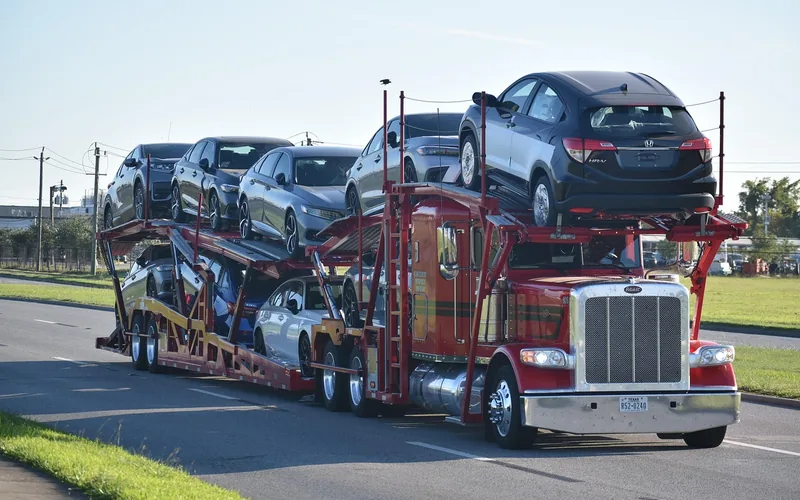
- Allocation: The manufacturer assigns available units to the dealership based on sales performance and local demand.
- Order Placement: The dealership selects model, trim, and options through its manufacturer ordering portal.
- Transportation: The vehicle ships by carrier truck, rail, or cargo ship, depending on the distance from the assembly plant.
- Inspection and Prep: The dealership checks for shipping damage, details the vehicle, and finishes paperwork and fueling before it reaches the lot.
Financial Aspects of How Dealerships Acquire Cars
Acquiring vehicles takes real capital, and how a dealership funds and prices that inventory shapes whether it stays profitable.
Financing New Vehicle Purchases
Dealerships can’t pay cash for every vehicle a manufacturer ships them. Floor plan financing is the loan that covers it instead — the dealership repays each portion of the loan as the matching vehicle sells, which keeps the store stocked without tying up all of its own capital at once.
- Floor Plan Loans: Revolving credit used to buy new vehicles, repaid as each one sells.
- Inventory Management: Careful stocking limits interest expense on vehicles that sit unsold.
- Financial Statements: Lenders require dealerships to report finances regularly to keep their credit line.
- Credit Lines: Some dealerships supplement floor plan credit with additional lines for slower-moving inventory.
📊 U.S. new-vehicle inventory stood at 3.01 million units with a 90-day supply as of December 1, 2025 — down 6% year-over-year, with days’ supply easing slightly from 91 days a year earlier. Every one of those units sits on a dealership floor plan loan until it sells. Source: Cox Automotive, November 2025 New-Vehicle Inventory Report
“Affordability will go down as one of the most-used buzzwords of the year, yet in new-vehicle sales and pricing, the story remains one of a slow, sustained upward trajectory.”
That pricing pressure is part of why dealerships lean on multiple acquisition channels instead of just one — a store that can pull inventory from trade-ins and wholesale auctions, not just manufacturer allocation, has more room to stock vehicles that fit what buyers can actually afford.
Pricing Strategies and Profit Margins
Dealerships set prices using a mix of the manufacturer’s suggested retail price (MSRP) and current market value, adjusted for demand, vehicle type, and local competition. Every cost that goes into getting a vehicle sale-ready — acquisition, transport, prep, marketing, staff — factors into the margin a dealership needs on each unit to stay in business.
- MSRP: The manufacturer’s suggested price is the starting point for new-vehicle pricing.
- Market Value: Dealerships track local competition and demand trends.
- Negotiation: Buyers can often negotiate based on inventory age, incentives, and demand.
- Profit Margins: Every vehicle needs a margin, though it varies widely by segment and market.
Inventory Management and Cost Control
Inventory management means tracking every vehicle from the moment it arrives until it sells. Dealerships watch turnover rate to spot slow-moving models early, since a car that sits longer costs more in floor plan interest and lot space. That data drives decisions on pricing, marketing pushes, and what to order next.
- Inventory Tracking: Dealerships need to know exactly what’s in stock at all times.
- Turnover Rate: How often a dealership sells and replaces its inventory.
- Cost Analysis: Ongoing review of what it costs to hold each vehicle in stock.
- Sales Forecasting: Historical sales data guides what to order next.
Regulations and Legal Considerations
Dealerships operate under a detailed set of rules covering licensing, consumer protection, and vehicle standards. These regulations protect buyers and keep the industry accountable.
Licensing and Compliance
Dealerships must obtain and maintain a state-issued license to sell vehicles, and requirements vary by state. The licensing process typically verifies financial and operational standards, and dealerships must keep meeting them — not just at signup — to keep the license active.
- State Regulations: Requirements differ from state to state.
- Licensing Requirements: Dealerships apply for and renew licenses on a set schedule.
- Background Checks: Owners and managers typically undergo background checks.
- Financial Stability: Dealerships must demonstrate the financial capacity to run the business.
Compliance is ongoing, not a one-time box to check. Dealerships track regulatory changes and update their operations accordingly — non-compliance can mean fines or losing the license outright.
Consumer Protection Laws
Consumer protection laws require dealerships to act honestly with customers across advertising, warranty disclosure, and financing terms. These rules exist so buyers can make informed decisions without being misled.
- Truth in Advertising: Dealerships can’t mislead customers in ads.
- Warranty Disclosure: Warranty terms must be clearly explained.
- Financing Terms: All financing terms must be disclosed accurately.
- Customer Complaints: Dealerships need a process for handling complaints.
These laws shape how a dealership prices and discloses costs at every step of a transaction — transparency isn’t optional, it’s a legal requirement.
Environmental and Safety Standards
Dealerships also have to follow fuel efficiency, emissions, and safety standards for the vehicles they sell. This includes supporting sustainable practices across the lot and making sure every vehicle sold meets current legal safety requirements.
- Fuel Efficiency: Vehicles sold must meet applicable fuel economy standards.
- Emissions Regulations: Vehicles must comply with emissions requirements.
- Safety Features: Required safety equipment must be present and functional.
- Waste Disposal: Dealerships must follow proper procedures for shop waste.
Innovations and Future Trends in Dealership Vehicle Acquisition
Technology, EV adoption, and sustainability pressure are all changing how dealerships source and manage inventory.
Digital Platforms and E-Commerce
Online sales portals let customers search inventory, arrange financing, and in some cases finish a purchase without visiting the lot. Dealerships increasingly use the same kind of digital tools on the sourcing side — finding vehicles, tracking inventory, and managing wholesale auction bids — which is steadily pulling vehicle acquisition itself online, not just the retail side of the business.
- Online Sales Portals: Customers can browse and, in many cases, purchase online.
- Inventory Management Software: Dealerships track stock with dedicated platforms.
- Digital Marketing: Online campaigns reach a wider buyer pool.
- Virtual Showrooms: Customers can review vehicle details remotely.
The Rise of Electric Vehicles (EVs)
Growing EV demand is changing dealership sourcing and service needs alike. EVs draw on different supply chains than gas vehicles, and dealerships handling them need charging infrastructure on-site and technicians trained specifically for EV service and repair.
- New Supply Chains: EVs rely on parts and battery sourcing unique to electric drivetrains.
- Charging Infrastructure: Dealerships need on-site charging capability.
- Specialized Training: Technicians need EV-specific certification.
- Marketing Strategies: Dealerships increasingly highlight EV-specific benefits to buyers.
Sustainable Practices and Supply Chain Efficiency
Dealerships are also under pressure to source and operate more sustainably — from how materials are sourced to how efficiently vehicles move through the supply chain. A greener supply chain isn’t just a marketing angle; it can lower a dealership’s own operating costs too.
- Sustainable Sourcing: Prioritizing eco-friendlier materials and partners.
- Waste Reduction: Cutting waste and reusing materials where possible.
- Energy Efficiency: Lowering energy use across dealership operations.
- Supply Chain Optimization: Streamlining how vehicles move from plant to lot.
Frequently Asked Questions
What is “floor planning”?
Floor planning is the revolving line of credit dealerships use to fund new-vehicle inventory. The lender pays the manufacturer directly, and the dealership repays each portion of the loan as the matching vehicle sells, rather than paying full price upfront in cash.
Do dealerships actually own the cars on their lot?
Not always, and not fully. New vehicles bought under floor plan financing are technically owned by the lender until they sell — the dealership has possession and the right to sell, but the lender holds the title as collateral. Used-car dealerships often buy inventory outright and hold the title directly, since used vehicles cost far less per unit.
Where do dealerships get their used cars?
Mainly from customer trade-ins and dealer-only wholesale auctions like Manheim, ADESA, and OPENLANE. Lease returns and dealer-to-dealer swaps fill in the rest, and some dealerships also buy directly from private sellers to round out their inventory.
How is vehicle allocation determined?
Manufacturers set allocation based on a dealership’s sales performance, local market demand, and how much of a given model the manufacturer can actually produce. Dealerships that consistently hit sales targets tend to see stronger allocations over time.
What auctions do dealerships use to buy wholesale vehicles?
Manheim, ADESA, and OPENLANE are the largest dealer-only wholesale auction platforms in the U.S. Access requires an active dealer license and registration through AuctionACCESS, and vehicles sell through competitive bidding at prices well below retail.
How do dealerships price their cars?
Dealerships start from the manufacturer’s suggested retail price (MSRP) for new vehicles or current market value for used ones, then adjust for demand, vehicle condition, and local competition. Negotiation, incentives, and how long a vehicle has been in stock all factor into the final price.
What are some of the key regulations dealerships must follow?
Dealerships must maintain a state-issued license, follow consumer protection laws around advertising and financing disclosures, and meet environmental and safety standards for every vehicle they sell. Non-compliance can lead to fines or loss of the dealer license.
Final Thoughts
How dealerships get their cars comes down to two tracks running at once: manufacturer allocation and floor plan financing for new inventory, and trade-ins, wholesale auctions, and lease returns for used inventory. Every unit on the lot is tied to financing, licensing, and regulatory rules that most buyers never see — and until a floor-planned vehicle sells, it isn’t even fully the dealership’s to keep.
Understanding where a vehicle actually came from — and how it’s being financed while it sits on the lot — puts you in a stronger position the next time you’re negotiating a purchase.
Products related to this article
Sponsored / affiliate links. As an Amazon Associate I earn from qualifying purchases. I may earn additional commission from eligible campaigns.