What Is the Voltage of a Car Cigarette Lighter?
Many people wonder, “What Is the Voltage of a Car Cigarette Lighter?” It seems like a simple question, but for those new to cars or electronics, the answer can be a bit fuzzy. You might be looking to power a gadget or just curious about how your car works. Don’t worry, this post will break it down easily.
We’ll cover everything you need to know without making it complicated. Get ready to find out the exact voltage and why it matters for your devices.
The socket in your car that used to hold a cigarette lighter is a very handy power source. These days, it’s more common to see people plugging in phone chargers, GPS devices, or other electronic accessories. The big question on many minds is, What Is the Voltage of a Car Cigarette Lighter? This is a fundamental piece of information for anyone wanting to use these ports safely and effectively.
Understanding this voltage helps you avoid damaging your electronics and ensures you get the power you need.
The Standard Voltage for Car Power Outlets
In almost all passenger vehicles worldwide, the standard voltage supplied by the car’s electrical system and delivered through the cigarette lighter socket is 12 volts. This 12-volt system is a universal standard for automotive electrical components. It’s designed to power everything from your headlights and radio to the various accessories you might plug into the cigarette lighter port.
This 12-volt DC (Direct Current) power is the same type of electricity that many small electronic devices use. However, it’s important to remember that the actual voltage can fluctuate slightly. It might be a little lower when the engine is off and the battery is the sole power source, and it can be a bit higher when the engine is running and the alternator is charging the battery.
This range is typically between 11.5 volts and 14.7 volts, but for practical purposes and device compatibility, 12 volts is the number to keep in mind.
Why 12 Volts Is the Standard
The automotive industry settled on 12 volts for several good reasons.
- Efficiency and Weight: Higher voltages would require thicker, heavier wiring to handle the same amount of power safely, making vehicles heavier and less fuel-efficient. Lower voltages would demand more current for the same power output, also leading to thicker wires and more heat loss. 12 volts strikes a good balance.
- Battery Technology: Lead-acid batteries, which have been the standard for car batteries for a long time, naturally operate well at around 12 volts. A typical car battery consists of six cells, each producing about 2 volts, totaling 12 volts.
- Component Availability: Many electronic components, especially those designed for mobile applications, are manufactured to work with or be easily adapted to a 12-volt DC power supply. This standardization makes it easier and cheaper to produce and integrate various electronic systems in vehicles.
- Safety: While 12 volts can still cause a shock, it is generally considered a safer low voltage for use in environments where users might be exposed to it, especially in wet conditions like inside a car.
DC vs. AC Power
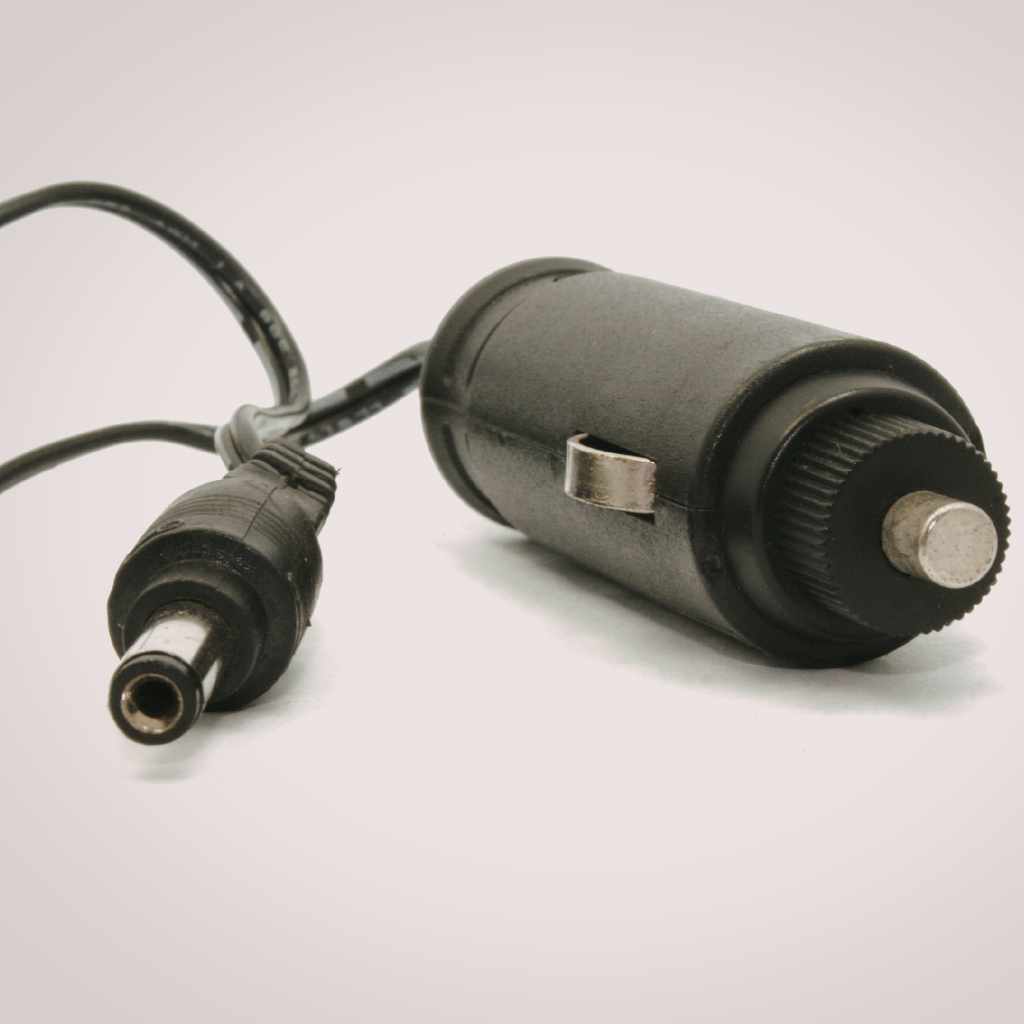
It’s crucial to understand that the power from your car’s cigarette lighter socket is Direct Current (DC). This means the electricity flows in one direction. Most of the electronic devices you’ll plug in, like phone chargers and GPS units, are designed to run on DC power or come with adapters that convert the car’s DC power to the specific DC voltage their internal components need.
Some devices, however, require Alternating Current (AC) power, like the kind you get from a wall outlet in your home. For these devices, you’ll need a power inverter. A power inverter plugs into the cigarette lighter socket and converts the car’s 12-volt DC power into 120-volt AC power (or 230-volt AC depending on your region).
These inverters have different power ratings, so you need to choose one that matches the wattage of the device you want to power.
Using Adapters and Inverters
When you buy a charger or accessory for your car, it’s usually designed specifically for the 12-volt DC system. These are often called “car chargers” or “DC adapters.” They typically have a plug that fits directly into the cigarette lighter socket and an internal circuit to regulate the voltage for your device, often converting the 12V down to 5V for USB devices.
If you have a household appliance that you want to use in your car, you will need an inverter. These devices vary in their capacity to deliver power. A small inverter might be enough to charge a laptop, while a larger one could power a small appliance like a blender or a portable refrigerator.
Always check the wattage requirements of your device and ensure the inverter can supply that power. Overloading an inverter or the car’s electrical system can lead to blown fuses or damage.
What Happens If I Plug In the Wrong Device?
Plugging a device designed for a different voltage or type of current (AC instead of DC) directly into the cigarette lighter socket without the correct adapter or inverter can lead to several problems:
- Device Damage: If a device requires a different voltage (e.g., 5 volts for a USB device, but it receives 12 volts), it can be instantly damaged. The internal components can burn out due to overvoltage.
- Fuse Blowing: Cars have fuses to protect the electrical system. If you plug in a device that draws too much current or creates a short circuit, it will likely blow a fuse. This is a safety mechanism to prevent more serious damage. You’ll need to replace the blown fuse.
- Inverter Overload: If you try to power a device with a higher wattage than your inverter can handle, the inverter might shut down, overheat, or even be damaged.
- Car Electrical System Issues: In rare cases, a severe short circuit or faulty device could potentially cause issues with other parts of the car’s electrical system, although modern cars have good protective measures.
Troubleshooting Common Issues
If your cigarette lighter socket isn’t providing power, here are a few common reasons and solutions:
- Blown Fuse: This is the most frequent cause. Check your car’s owner’s manual to locate the fuse box and identify the fuse for the cigarette lighter (it might be labeled “CIG,” “ACC,” “12V,” or something similar). Visually inspect the fuse; if the metal filament inside is broken, it needs to be
- No Power to the Socket: Sometimes, the socket might be wired to only receive power when the ignition is turned on (ACC position). Try turning the key to the ACC position or starting the engine to see if power is restored.
- Damaged Socket: The internal contacts within the socket might be bent or corroded, preventing a good connection. You may need to clean the contacts or, in some cases, replace the socket itself.
- Faulty Accessory: The device or adapter you are trying to use might be faulty, rather than the car’s socket. Try plugging in a different known-working accessory to test.
Compatibility and Device Ratings
When selecting car accessories, always check their power requirements.
- Input Voltage: For car chargers, ensure they are designed for 12V DC input. Most will list a range like “DC 12V-24V,” which means they can work in both standard 12V cars and larger 24V trucks.
- Output Voltage and Amperage: For USB chargers, look at the output specifications. Standard USB is 5V. The amperage (mA or A) indicates how fast it can charge. Higher amperage means faster charging for compatible devices.
- Wattage: For inverters, the wattage rating is critical. This tells you the maximum power the inverter can supply. Ensure it exceeds the wattage of the device you intend to power.
The Difference Between Cigarette Lighter Sockets and Other 12V Outlets
You might notice that some cars have multiple 12V power outlets. While they all generally supply 12 volts, there can be subtle differences:
- Accessory (ACC) vs. Battery (BATT): Some outlets are wired to only work when the ignition is in the accessory (ACC) position or the engine is running. Others are wired directly to the battery and are always on (BATT). Outlets that are always on can drain your car battery if you leave devices plugged in.
- Fused Circuits: Different outlets might be on separate fuse circuits, meaning one might still work if another’s fuse blows.
- Dedicated Outlets: Some newer cars have dedicated USB ports, which are specifically designed to provide a stable 5V output for charging smartphones and tablets. These are often separate from the traditional cigarette lighter socket.
Can I Use My Phone Charger in the Car?
Yes, absolutely, but you need the right type of charger. You cannot plug your standard home phone charger (which is designed for wall outlets) directly into the car’s cigarette lighter socket. You need a dedicated car charger that plugs into the cigarette lighter and provides a USB port.
These car chargers convert the car’s 12V DC power to the 5V DC needed by most smartphones and tablets.
Many car chargers also have surge protection and intelligent charging capabilities to prevent overcharging or damaging your phone’s battery. When buying a car charger, check that it specifies compatibility with your phone model and offers sufficient amperage for efficient charging.
Powering Laptops in Your Car
Powering a laptop in your car typically requires more power than a standard USB car charger can provide. There are two main ways to do this:
- Laptop Car Chargers: These are specific adapters designed to plug into the cigarette lighter socket and provide the correct voltage and wattage for your laptop. They are often adjustable or come with a set of tips to fit different laptop brands.
- Power Inverter: You can use a power inverter to convert the car’s 12V DC to 120V AC (or 230V AC). Then, you can plug your laptop’s original AC power adapter into the inverter. Ensure the inverter’s wattage is sufficient for your laptop’s power adapter.

Frequently Asked Questions
Question: What is the main voltage found in a car’s cigarette lighter socket?
Answer: The standard voltage for a car’s cigarette lighter socket is 12 volts DC.
Question: Can I plug my home electronics into the cigarette lighter socket?
Answer: No, you cannot directly plug in home electronics designed for wall outlets. You need a power inverter to convert the car’s 12V DC to AC power, or a specific car adapter for your device.
Question: What happens if I plug a 5V device into a 12V socket without an adapter?
Answer: Plugging a device expecting 5V directly into a 12V socket will likely damage the device due to overvoltage.
Question: How do I know if my car charger is compatible?
Answer: A compatible car charger will explicitly state that it is designed for 12V DC input and will have the correct connector (e.g., a USB port for phones).
Question: Why are there fuses for the cigarette lighter socket?
Answer: Fuses protect the car’s electrical system from excessive current by melting and breaking the circuit, preventing damage to wiring and components.
Final Thoughts
The 12-volt DC power supplied by your car’s cigarette lighter socket is a versatile source for many electronic needs. Knowing this standard voltage helps you choose the right accessories and avoid damaging your devices. Whether you’re charging your phone, powering a GPS, or even using a small appliance with an inverter, understanding the 12-volt system is key.
Always look for accessories clearly marked for automotive use and verify their input and output specifications. If you encounter an issue, a blown fuse is often the culprit, and checking your car’s manual is the best first step. By being mindful of the voltage and ensuring proper compatibility, you can safely and reliably power your gadgets on the go.