How Your Car’s AC Keeps You Cool
Your car’s air conditioning system is like a mini refrigerator for the cabin. It doesn’t just blow air; it actively removes heat and moisture to create that crisp, cool feeling. I remember the first time I really paid attention to how my car’s AC worked—it was a hot summer day, and I was stuck in traffic, grateful for every cold blast from the vents. The secret behind that chill lies in a clever combination of components working together. Let’s dive into the key players that make your car’s AC cold.
The Role of the Compressor
Think of the compressor as the heart of your car’s AC system. It’s a pump, usually driven by a belt connected to the engine, that pressurizes the refrigerant—a special fluid that’s the star of the cooling process. When I first learned about this, I was amazed at how much power this little component has. The compressor takes low-pressure refrigerant gas, squeezes it into a high-pressure state, and sends it on its way. This high-pressure gas is hot, but it’s the first step in creating that cold air you love.
The compressor doesn’t work alone, though. It needs to be in good shape, with no leaks or worn-out parts, to keep the system efficient. If you hear a strange noise when you turn on the AC, it might be the compressor struggling. Regular maintenance, like checking the belt and ensuring no debris is clogging the system, can keep it humming along.
The Condenser: Turning Gas to Liquid
Next up is the condenser, which sits in front of your car’s radiator. I like to think of it as the system’s radiator for heat. The hot, high-pressure gas from the compressor flows into the condenser, where it releases its heat to the outside air. This happens because a fan (or the car’s movement) pulls cooler air across the condenser’s coils. As the refrigerant loses heat, it transforms from a gas into a liquid.
I’ve noticed that a dirty condenser—clogged with bugs, dirt, or leaves—can make your AC less effective. It’s like trying to cool a hot pan with a weak breeze. Keeping the condenser clean is a simple way to ensure your AC stays frosty. If you’re driving in dusty areas, give it a quick check now and then.
The Expansion Valve or Orifice Tube
Now, here’s where the magic starts to happen. The expansion valve (or orifice tube in some cars) is a small but mighty part. It takes the high-pressure liquid refrigerant from the condenser and restricts its flow, causing a rapid drop in pressure. This sudden change makes the refrigerant extremely cold.
I remember being surprised at how such a tiny component could have such a big impact. The expansion valve is like a nozzle on a spray bottle—it controls how much refrigerant gets through and at what speed. If it gets clogged or fails, your AC might blow warm air instead of cold. Regular checks during car maintenance can catch issues early.
The Evaporator: Where the Cold Air is Born
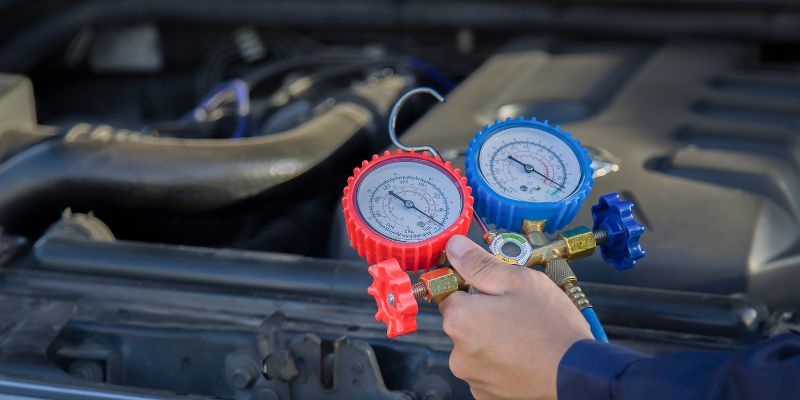
The evaporator is where the real cooling happens. It’s usually tucked away behind your dashboard, and it’s where the cold refrigerant absorbs heat from the air inside your car. A fan blows warm cabin air over the evaporator’s coils, and the refrigerant soaks up that heat, turning back into a gas. The result? Cold, refreshing air comes out of your vents.
I’ve always found it cool (pun intended) how the evaporator also removes moisture from the air. That’s why your AC can help defog your windows. But if the evaporator gets dirty or the drain gets clogged, you might notice a musty smell. Keeping this part clean is key to fresh, cold air.
The Refrigerant: The Cooling Superstar
Let’s talk about the refrigerant—the lifeblood of the AC system. This special fluid (often R-134a or the newer R-1234yf in modern cars) is designed to change from liquid to gas and back again at specific temperatures. It’s what carries heat out of your car and makes the air cold.
I learned the hard way that low refrigerant levels can ruin your AC’s performance. A small leak or just natural depletion over time can leave you with lukewarm air. If your AC isn’t as cold as it used to be, a professional can check the refrigerant level and top it off if needed. Just don’t try to do it yourself—handling refrigerant requires special tools and care.
The Blower Motor and Cabin Air Filter
The blower motor is the unsung hero that pushes cold air through your vents. Without it, all that hard work by the other components would be stuck behind the dashboard. The blower motor works with the cabin air filter, which traps dust, pollen, and dirt before the air reaches you.
I once had a weak AC because my cabin air filter was clogged with dust. Replacing it was a quick fix, and the difference was night and day. Check your owner’s manual to see how often you should replace the filter—usually every 15,000 to 30,000 miles. It’s an easy way to keep your AC blowing strong and clean.
How It All Comes Together
Here’s a quick rundown of how these parts work as a team:
| Component | Role | Why It Matters |
|---|---|---|
| Compressor | Pressurizes refrigerant | Starts the cooling cycle |
| Condenser | Releases heat from refrigerant | Turns gas into liquid |
| Expansion Valve/Orifice Tube | Lowers refrigerant pressure | Makes refrigerant cold |
| Evaporator | Absorbs heat from cabin air | Creates cold air for vents |
| Refrigerant | Carries heat out of the car | The key to cooling |
| Blower Motor & Cabin Air Filter | Moves and cleans air | Ensures strong, clean airflow |
Each part has a specific job, and if one fails, the whole system suffers. Regular maintenance, like checking for leaks or cleaning components, can prevent problems and keep your AC icy cold.
Common Issues That Affect AC Cooling
Even with a well-designed system, things can go wrong. I’ve had my share of AC troubles, and here are some common culprits:
- Low Refrigerant: Leaks or natural depletion can reduce cooling power. A professional can find and fix leaks.
- Clogged Condenser or Evaporator: Dirt and debris can block airflow, making the AC less effective.
- Faulty Compressor: If it’s not pressurizing the refrigerant properly, you’ll feel it in the lack of cold air.
- Electrical Issues: A blown fuse or faulty wiring can stop the AC from working altogether.
If your AC isn’t cooling, don’t ignore it. Small issues can turn into expensive repairs if left unchecked. I always recommend taking your car to a trusted mechanic for a proper diagnosis.
Tips to Keep Your AC Running Cold
I’ve learned a few tricks over the years to keep my car’s AC in top shape. Here are some practical tips:
- Run your AC regularly, even in winter, to keep the system lubricated and prevent seals from drying out.
- Park in the shade or use a sunshade to reduce the heat load on your AC.
- Clean or replace your cabin air filter as recommended.
- If you notice weak airflow or strange smells, get the system checked sooner rather than later.
These simple steps can make a big difference in how cold your AC stays, especially during those blistering summer drives.
Why Your AC Feels Less Cold Sometimes
Have you ever noticed your AC isn’t as cold when you’re stuck in traffic? That’s because the condenser relies on airflow to release heat. When you’re moving slowly, less air flows over the condenser, which can make the AC feel less chilly. I’ve found that turning the fan up or cracking a window can help in these situations. Also, if your car’s engine is working hard (like climbing a hill), the compressor might not get as much power, affecting cooling.
The Environmental Side of Car AC
Modern car AC systems are designed to be more eco-friendly, but they still have an impact. Older cars used a refrigerant called R-12, which was harmful to the ozone layer. Today’s R-134a and R-1234yf are better for the environment, but they’re still potent greenhouse gases if they leak. I try to stay mindful of this by ensuring my AC is well-maintained to avoid leaks. If you’re eco-conscious, consider getting your AC serviced by a shop that properly recycles refrigerant.
Conclusion
Exploring how your car’s AC keeps you cool is like peeling back the curtain on a small but impressive feat of engineering. From the compressor pumping refrigerant to the evaporator chilling the air, every part plays a vital role in turning your hot car into a cool oasis. I’ve come to appreciate the little things, like a clean cabin air filter or a well-maintained condenser, that make a big difference in comfort. By understanding how it all works and taking care of your system, you can enjoy crisp, cold air no matter how hot it gets outside. So, next time you crank up the AC, you’ll know exactly what’s happening behind the scenes—and maybe even impress your friends with your car-cooling knowledge. Keep your AC in check, stay cool, and enjoy the ride!
FAQs
Why does my car’s AC blow warm air?
If your AC is blowing warm air, it could be due to low refrigerant levels, a clogged condenser, or a faulty compressor. I’d recommend getting it checked by a mechanic to pinpoint the issue.
How often should I recharge my car’s AC?
You shouldn’t need to recharge your AC unless there’s a leak. A healthy system keeps refrigerant sealed. If it’s not cooling well, have a professional check for leaks and top it off.
Can I fix my car’s AC myself?
Some tasks, like replacing a cabin air filter, are DIY-friendly. But handling refrigerant or fixing components like the compressor requires special tools and expertise. It’s best left to pros.
Why does my AC smell bad?
A musty smell often comes from a dirty evaporator or a clogged drain. Try replacing the cabin air filter and cleaning the system. If it persists, a mechanic can help.
Does running the AC use more gas?
Yes, running the AC puts extra load on the engine, which can slightly increase fuel use. But modern systems are efficient, so the impact is usually small. Rolling down windows at high speeds can sometimes use more gas due to drag.