What Should Car Oil Look Like: Proven Guide
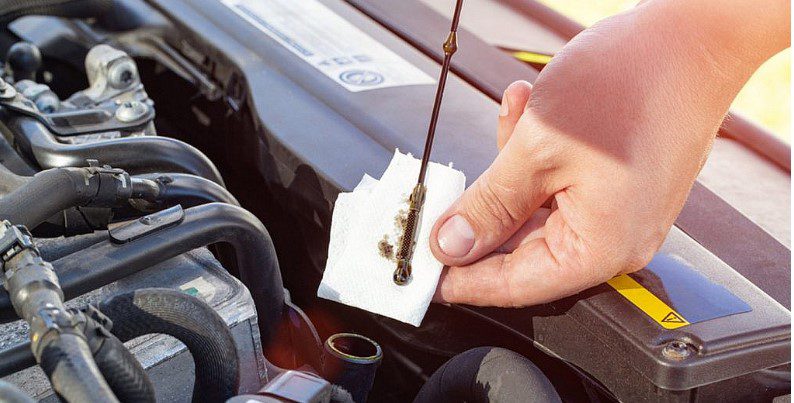
New oil should be clear and amber-colored, becoming darker and more viscous as it’s used. Checking its appearance on your dipstick is a simple yet crucial step in understanding your engine’s health. This guide breaks down what to look for and why it matters for your car’s longevity.
It’s a common question many car owners have: how do I know if my car’s oil is okay? If you’ve ever pulled out the dipstick and wondered what that sludgy or colored liquid means, you’re not alone. Understanding what your car oil should look like is one of the easiest ways to catch potential problems before they become expensive repairs. Think of it as your engine’s report card! We’re going to walk through this together, step by step, so you can feel confident checking your oil.
Why Checking Your Car Oil Appearance Matters
Your car’s engine oil is its lifeblood. It lubricates moving parts, reduces friction, cools the engine, and keeps it clean. When the oil changes color or consistency, it’s a signal that something might be happening inside your engine. Regularly checking your oil’s appearance is a proactive maintenance step that can:
- Prevent Engine Damage: Old or dirty oil loses its ability to protect your engine components, leading to wear and tear.
- Improve Fuel Efficiency: Clean, properly functioning oil can help your engine run more smoothly, potentially saving you money at the pump.
- Extend Engine Life: Regular checks and timely oil changes are fundamental to keeping your engine running for many years.
- Identify Early Problems: Changes in oil can indicate issues like coolant leaks, fuel contamination, or overheating, allowing for early intervention.
It’s a simple check that offers big rewards for your vehicle’s health and your peace of mind. Let’s dive into what you should be looking for.
What is New Engine Oil Supposed to Look Like?
When you buy a fresh bottle of engine oil from the auto parts store, or when your mechanic performs an oil change, the oil is at its prime. Here’s what new oil typically looks like:
- Color: New oil is usually a translucent, light amber color. It might appear golden or honey-like.
- Clarity: It should be clear and free of particles or debris. You can generally see through it.
- Consistency: It’s relatively thin and smooth, flowing easily when you tilt the bottle.
The exact shade of amber can vary slightly depending on the brand and type of oil (conventional, synthetic blend, or full synthetic), but the general appearance of being clean and translucent is consistent.
What Does Used Car Oil Look Like? Decoding Color and Consistency
As engine oil circulates through your engine, it picks up contaminants and breaks down over time. This causes its appearance to change. Understanding these changes will help you gauge your oil’s condition.
As Oil Ages: Gradual Darkening
The most common change you’ll notice is the color of the oil getting darker. This is normal and expected.
- After a few hundred miles: The oil will start to turn a light brown. This is because it’s beginning to collect combustion byproducts and microscopic bits of metal wear.
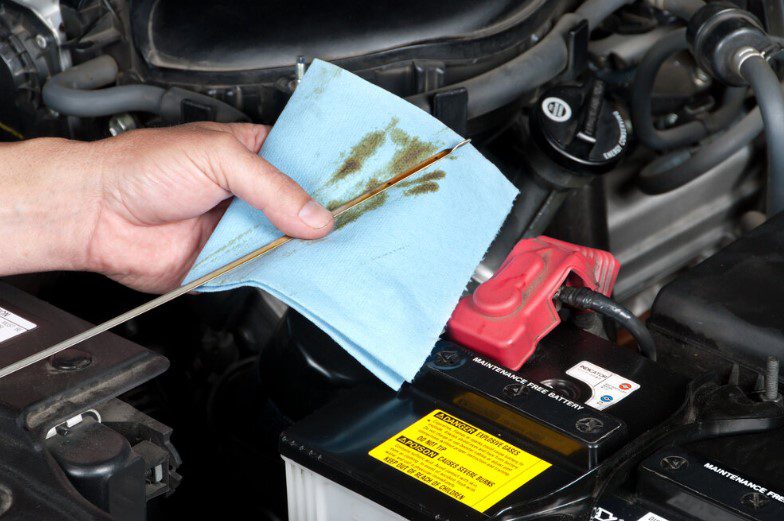
- After several thousand miles: The oil will likely become a darker brown, almost like coffee. This indicates it’s doing its job of cleaning and lubricating.
- Milky or Foamy Appearance: This is a major red flag. If your engine oil looks like a light brown milkshake or has foam, it usually means coolant has leaked into the oil system. This is a serious problem that requires immediate attention from a mechanic.
- Black Oil: While oil gets dark, if it becomes completely opaque and black, it’s a sign that it is very old and has absorbed a significant amount of grime and carbon deposits. It’s likely past its effective lifespan and needs to be changed.
- Thick and Gritty Oil: If the oil feels gritty between your fingers or is unusually thick and sticky, it might have broken down too much or is mixing with sludge. Sludge is a thick, tar-like deposit that forms when oil degrades and is not changed regularly.
Consistency Checks: What to Feel For
Beyond color, the consistency of your oil can also tell you a story. After you’ve checked the color, rub a small amount of the oil between your thumb and forefinger.
- Smooth and Slippery: Healthy, used oil will still feel smooth and slippery. This indicates it’s maintaining its lubricating properties.
- Gritty or Sandy: Feeling grit means there are abrasive contaminants in your oil, such as metal particles from engine wear.
- Sticky or Gooey: This can be a sign of overheating or the oil breaking down and forming sludge.
For more information on the importance of lubricants in machinery, you can explore resources like those from the Machinery Lubrication website, which delves into the science behind oil performance and analysis.
How Often Should You Check Your Oil?
The frequency of checking your oil depends on your car, how you drive it, and the type of oil used. However, as a general rule of thumb for most everyday drivers:
- Check at least once a month. This simple habit can save you a lot of trouble.
- Check before long trips. It’s wise to ensure everything is in order before heading out on a journey.
- Check if you notice any warning lights on your dashboard related to oil pressure or engine temperature.
Your car’s owner’s manual will provide specific recommendations from the manufacturer. It’s always best to follow those guidelines.
Step-by-Step: How to Check Your Car’s Oil
Checking your car’s engine oil is a straightforward process that anyone can do. Here’s a simple, step-by-step guide:
Tools You Might Need:
- A clean cloth or paper towel
- Your car’s owner’s manual
Steps:
- Park on a Level Surface: Ensure your car is parked on a flat, level surface. This is crucial for an accurate oil level reading.
- Warm Up the Engine (Slightly): It’s best to check the oil when the engine is warm but not scorching hot. Start the engine and let it run for a few minutes, then turn it off. Wait 5-10 minutes for the oil to settle back into the oil pan.
- Locate the Dipstick: Open the hood and find the engine oil dipstick. It usually has a brightly colored handle (often yellow, red, or orange) and is clearly labeled with an oil can symbol or the words “Engine Oil.” Your owner’s manual will show its exact location.
- Pull Out the Dipstick: Carefully pull the dipstick all the way out.
- Wipe the Dipstick Clean: Use your clean cloth or paper towel to wipe the entire length of the dipstick, especially the end with the markings.
- Reinsert the Dipstick: Push the dipstick all the way back into its tube until it’s fully seated.
- Pull the Dipstick Out Again: Remove the dipstick slowly and carefully.
- Read the Oil Level: Look at the end of the dipstick. You’ll see markings, usually two dots, lines, or holes indicating the “Add” or “Low” level and the “Full” or “Max” level. The oil mark should ideally be between these two points, closer to the “Full” mark. If it’s at or below the “Add” mark, you need to add oil.
- Check the Oil’s Appearance: Examine the oil residue on the dipstick. Note its color and look for any signs of contamination like gunk, metal shavings, or a milky appearance.
- Wipe and Reinsert Again: Wipe the dipstick one last time and reinsert it into its tube to ensure it’s stored properly.
It’s also helpful to know the difference between oil viscosity grades. For instance, a 5W-30 oil has a viscosity of 5 when the engine is cold and 30 when it’s hot. Different climates and engine requirements might necessitate different viscosity oils, which can also affect how the oil looks and feels.
What If My Oil Looks Bad? What Should I Do?
Seeing unusual signs in your engine oil can be concerning, but acting promptly is key. Here’s what to do based on common findings:
If the Oil Level is Low:
If the dipstick shows the oil level is below the “Add” mark, you need to add oil. It’s important to use the correct type of oil specified in your owner’s manual. Pour a small amount of oil (about half a quart or half a liter at a time), wait a few minutes, recheck the level with the dipstick, and add more as needed until it reaches the “Full” mark. Do not overfill.
If the Oil is Dark and Gritty:
If the oil is very dark, smells burnt, or feels gritty, it’s a strong indication it’s time for an oil change. If you’re due for one anyway, get it done as soon possible. If you’ve recently had an oil change and the oil looks bad already, it might suggest an underlying problem, and you should have your car inspected by a mechanic.
If the Oil is Milky or Foamy:
This is one of the most critical issues. A milky or foamy appearance usually means coolant is leaking into your oil. This can cause severe engine damage if not addressed immediately. Stop driving your car and have it towed to a qualified mechanic for diagnosis and repair.
If the Oil is Black and Sludgy:
Extremely thick, black, or sludgy oil suggests your car has been running on old oil for too long or has an issue with oil circulation. While an oil change is necessary, the mechanic should also check for sludge buildup and recommend a flushing service if needed. Regular oil changes are the best way to prevent this.
When in doubt, always consult your car’s owner’s manual or a trusted mechanic. For understanding common automotive fluids and their typical appearance, resources on automotive maintenance, like those found on educational sites such as Energy.gov’s Alternative Fuels Data Center (which covers vehicle operation and maintenance topics), can provide additional context.
Common Oil Color Chart and What They Mean
Here’s a quick reference table to help you identify what different oil colors might signify:
| Oil Color | What it Likely Means | Action Recommended |
|---|---|---|
| Clear Amber/Golden | New or nearly new oil. | Normally healthy. Continue regular checks. |
| Light Brown | Normal use, starting to collect contaminants. | Still good. Keep checking regularly. |
| Dark Brown/Coffee-like | Normal use, oil has absorbed dirt and soot from the engine. | Likely needs an oil change soon. Check owner’s manual for service interval. |
| Black and Opaque | Oil is very old, heavily contaminated, or has been in service for too long. | Immediate oil change required. |
| Milky White/Tan/Foamy | Coolant is mixing with the oil. This is a serious issue. | Stop driving immediately and consult a mechanic. Possible head gasket failure or other coolant leak. |
| Burnt Smell | Oil may have overheated, or internal engine friction is too high. | Check oil level; consider an oil change and have engine checked for underlying issues. |

Frequently Asked Questions (FAQ)
Q1: How do I know if my car’s oil is too old?
A1: If your oil is completely black and opaque, or if it feels very gritty or sticky between your fingers, it’s likely too old and has lost its effectiveness. It also might have a burnt smell.
Q2: Can I mix different types of engine oil?
A2: It’s generally best to stick to the oil type recommended in your owner’s manual and, if possible, the same brand. While mixing oils of the same base type (e.g., conventional with conventional, or synthetic with synthetic) is usually acceptable in a pinch, it can alter the oil’s performance characteristics. Mixing conventional with synthetic oil will reduce the benefits of synthetics.
Q3: What if there’s no oil on the dipstick?
A3: If there’s no oil trace on the dipstick at all, your engine is running without lubrication, which can cause extreme damage very quickly. Add oil immediately. You should also investigate why the oil level dropped so drastically, as it could indicate a leak or excessive oil consumption.
Q4: Does the color of oil change instantly?
A4: No, the color of your oil doesn’t change instantly. It darkens gradually as it circulates through the engine and collects byproducts. A sudden, dramatic color change, especially to milky white, indicates a problem other than normal aging.
Q5: How can I prevent engine oil from becoming sludgy?
A5: The best way to prevent oil sludge is to follow your car manufacturer’s recommended oil change intervals. Using the correct type and grade of oil for your vehicle is also essential. Don’t delay oil changes, even if your car doesn’t do high mileage.
Q6: Is it okay to drive with slightly dark oil?
A6: Yes, it is generally okay to drive with oil that has turned a dark brown color. This is a normal aspect of used oil collecting dirt. However, if it becomes completely black or you notice other issues like grit, it’s time for a change.
Conclusion
Understanding what your car oil should look like is a fundamental skill for any car owner. From the clear amber of new oil to the darker hues of used oil, each appearance tells a part of the story of your engine’s health. By performing regular checks, paying attention to color and consistency, and knowing when to seek professional help, you can protect your engine, save money on costly repairs, and ensure your vehicle runs reliably for years to come. Keep that dipstick handy, and drive with confidence knowing you’re taking good care of your car!