Wiper Blades for Cars: Types, Sizes, and How to Choose the Right One
Not every wiper blade is built the same way, and the wrong pick will streak no matter how new it is. There are three basic wiper blade designs (conventional, beam, and hybrid), and matching the right one to your climate and windshield curve matters more than brand name alone.
This guide covers the real differences between blade types, how to find your car’s exact size without guessing, the warning signs that mean it is time to replace them, and how to install new ones yourself in under five minutes. If you specifically drive in heavy rain and want side-by-side picks, see our best windshield wipers for rain roundup instead — this page is the buying-guide/how-it-works companion to that list.
The 3 Types of Wiper Blades (And Which One You Actually Need)
BEST OVERALL PICK
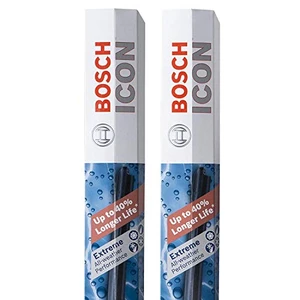 |
BOSCH ICON Beam Wiper Blades (Set of 2) – $52.99 A true beam-style blade with a dual rubber compound – the design this guide recommends below if you want one blade to outlast several seasons instead of replacing basic ones every few months.
|
Almost every wiper blade sold today falls into one of three categories. Knowing which one is on your car now — and which one actually suits your weather — is the difference between a clear windshield and a streaky one.
| Type | How It Works | Best For | Typical Lifespan |
|---|---|---|---|
| Conventional | Exposed metal frame with several pressure points pushing a rubber squeegee against the glass | Mild climates, budget replacements | 6–9 months |
| Beam | One curved piece of rubber and spring steel with no exposed frame, spreading pressure evenly | Snow, ice, and frequent heavy rain | 9–12 months |
| Hybrid | A beam-style rubber core wrapped in a conventional-style plastic shell | Drivers who want beam-like performance at a lower price | 8–11 months |
Conventional blades are the cheapest and easiest to find, but their exposed metal frame can accumulate ice and snow in the joints, which throws off even pressure and causes streaking in winter. Beam blades solve that by removing the frame entirely, which is why nearly every “winter” or “all-weather” blade on the shelf today is a beam design.
How to Find Your Exact Wiper Blade Size
Wiper blades are sold by length in inches, and your driver-side blade is almost always a different (usually longer) size than the passenger-side one. Guessing the size from looking at the old blade is unreliable once it has worn down or shifted. The fastest accurate methods are:
- Check your owner’s manual, which lists the exact driver and passenger sizes for your specific trim.
- Look for a size stamped or printed directly on the metal clip of your current blade.
- Use a parts-store or manufacturer lookup tool by entering your year, make, and model.
We cover this step-by-step in our dedicated guide to finding the wiper blades that fit your car, including where to look if your owner’s manual is missing.
Signs Your Wiper Blades Need Replacing
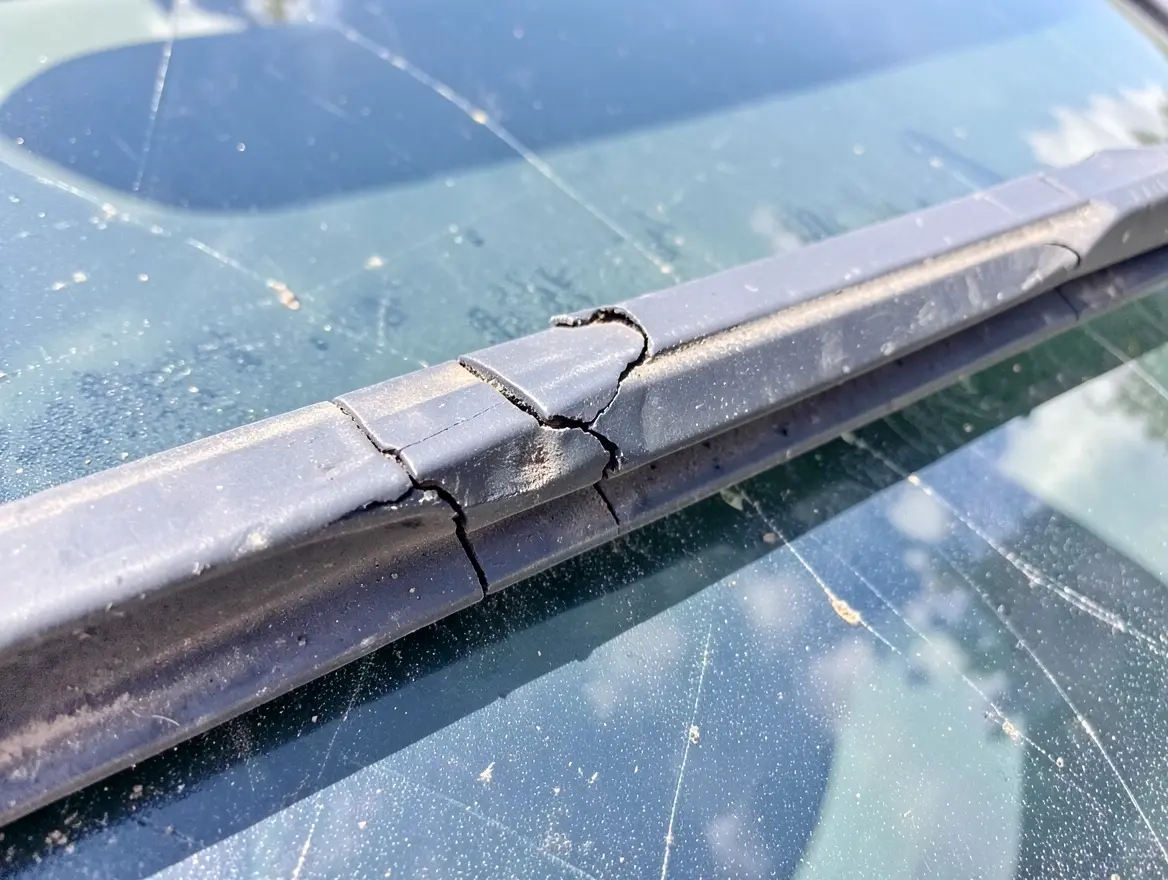
Rubber degrades from UV exposure and temperature swings even if a blade is not used much, so age matters as much as mileage. Replace your blades if you notice any of the following:
- Streaking or hazy smearing instead of a clean wipe
- Skipping, chattering, or a squeaking noise across the glass
- Visible cracks, splits, or a curled edge on the rubber
- Missing chunks of rubber or a bent metal frame
- It has simply been longer than a year since they were replaced
How to Install New Wiper Blades Yourself
Most wiper blades take under five minutes to swap and need no tools beyond your hands.
- Lift the wiper arm away from the windshield until it locks upright.
- Find the small release tab where the blade meets the hooked end of the arm and press it.
- Slide the old blade down and off the arm at an angle.
- Line up the new blade’s connector with the arm and slide it on until the release tab clicks.
- Gently lower the arm back onto the glass and repeat on the other side.
Most modern blades ship with a small universal adapter already attached, since wiper arm hooks vary by manufacturer. If your new blade came with several adapter clips in the box, don’t discard them until the fit is confirmed.
How Much Do Wiper Blades Cost?
Budget conventional blades typically run $8 to $15 per blade, mid-range beam blades run $15 to $25 per blade, and premium beam blades from brands like Bosch ICON or Rain-X can run $20 to $30 or more per blade. Buying a matched driver/passenger pair from the same line, rather than mixing brands, gives the most consistent wipe pressure across the whole windshield.
Frequently Asked Questions
How Often Should You Replace Wiper Blades?
Most manufacturers recommend replacing wiper blades every six to twelve months, regardless of mileage, since rubber degrades from sun and temperature exposure over time. Replace them sooner if you notice streaking, skipping, or visible cracks in the rubber.
What Is the Difference Between Beam and Conventional Wiper Blades?
Conventional blades use an exposed metal frame with several pressure points to push a rubber squeegee against the glass. Beam blades are a single curved piece of rubber and spring steel with no exposed frame, which spreads pressure evenly and resists ice buildup in cold weather.
Can You Mix Different Wiper Blade Brands on One Car?
You can, since fit only depends on the connector type and size matching your car, but it is not ideal. Different brands often use different rubber compounds and pressure points, which can cause uneven wiping between the driver and passenger side.
Do All Wiper Blades Fit All Cars?
No. Wiper blades must match both the correct length for your specific vehicle and the correct connector type for your wiper arm. Most blades ship with a universal adapter kit that covers several common arm styles, but you still need to buy the right length for your car.
Why Do New Wiper Blades Still Streak?
New blades can still streak if the windshield itself is coated in wax, road film, or silicone residue, so the rubber cannot make clean contact with the glass. Cleaning the windshield with glass cleaner and wiping the new blade’s edge with rubbing alcohol before use usually resolves it.
Can I Install Wiper Blades Myself?
Yes. Nearly all wiper blades are designed for tool-free installation and take under five minutes per side. Lift the wiper arm, release the old blade’s connector tab, slide it off, then slide the new blade on until it clicks into place.
The Bottom Line
Matching the right blade type to your climate matters more than chasing a specific brand name. Beam blades are worth the extra cost if you deal with snow, ice, or heavy rain regularly, while conventional blades are a fine budget choice in milder weather. Whichever you choose, replace both blades together every six to twelve months and check your washer fluid level at the same time so your wipers always have something to work with.
Products related to this article
Sponsored / affiliate links. As an Amazon Associate I earn from qualifying purchases. I may earn additional commission from eligible campaigns.