What Type of Car Is a Mustang Exactly?
Ever heard someone talk about a Ford Mustang and wondered, “What Type of Car Is a Mustang Exactly?“? It sounds like a simple question, but for many, it’s a bit confusing. Is it a sports car?
A muscle car? Maybe something else entirely? You’re not alone if you’ve scratched your head over this.
This guide will make it super clear without any confusing jargon. We’ll break down exactly what makes a Mustang a Mustang, step by step. Get ready to know your Mustangs!
Understanding the Mustang’s Identity
What Is a Mustang? The Basics
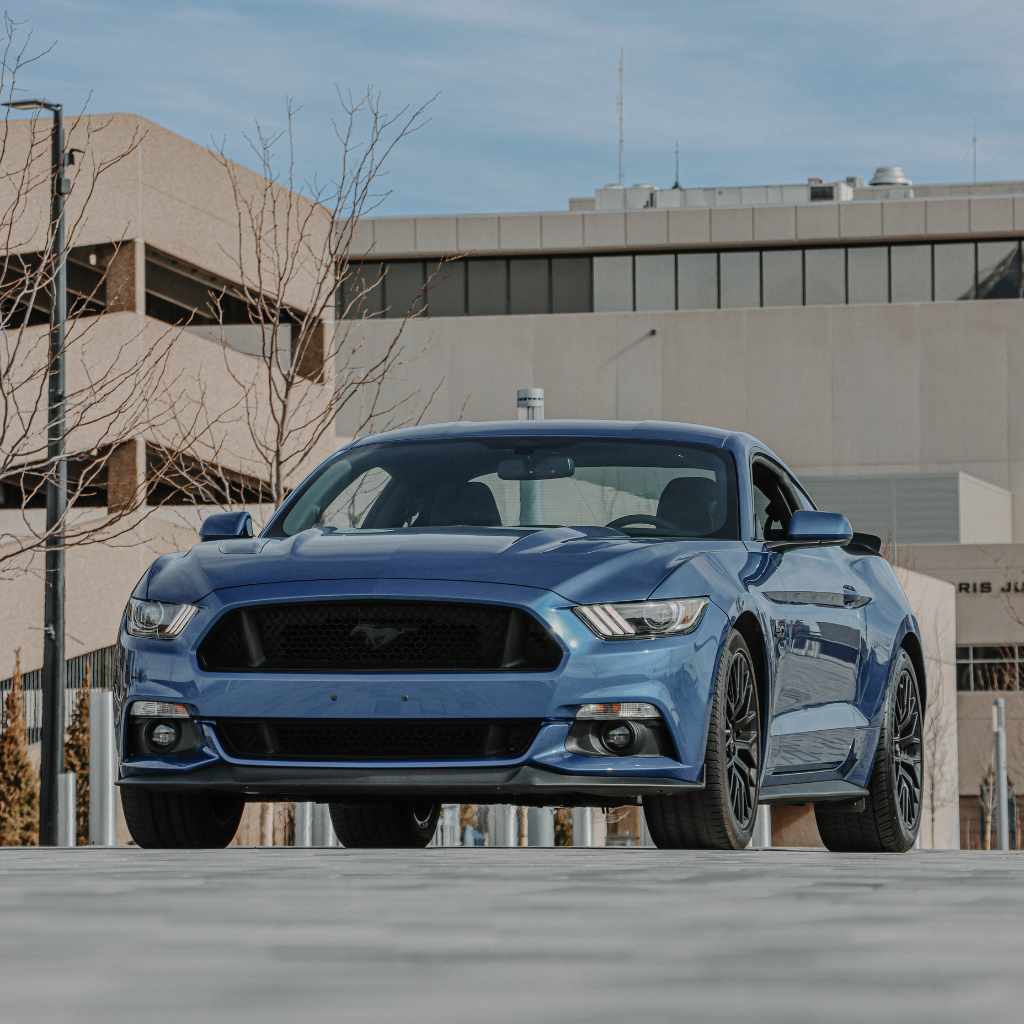
At its heart, a Ford Mustang is an American icon. When people ask What Type of Car Is a Mustang Exactly?, they’re usually trying to pinpoint its place in the automotive world. It’s most commonly classified as a “pony car.” This is a special category of American-made sporty coupes with a distinctive long hood and short deck.
Think of it as a compact, affordable, and stylish car that offers good performance for its price. The Mustang was actually the car that created this whole pony car class back in the 1960s.
The Birth of the Pony Car
Before the Mustang came along, cars were generally bigger, heavier, and often more expensive. The idea behind the pony car was to offer something that looked sporty and felt exciting to drive, but was still practical enough for everyday use and affordable for a wider audience. Lee Iacocca, a key figure at Ford, saw the potential for a car that appealed to a younger crowd and families looking for a bit more flair than a standard sedan.
The first Mustang rolled out in 1964, and it was an instant hit. Its sleek design, customizable options, and relatively low price made it a sensation. This success led other automakers to create their own versions, defining the pony car segment.
Distinguishing a Mustang: Key Features
When you see a Mustang, certain design cues usually stand out. These features help define its character:
- Long Hood, Short Deck: This is a classic pony car proportion. The extended hood often housed powerful engines, while the short rear deck gave it a sporty, compact look.
- Sporty Silhouette: Mustangs are typically designed as coupes or convertibles with a sloped roofline that suggests speed and athleticism.
- Performance Focus: While base models are accessible, Mustangs have always offered more powerful engine options, performance packages, and a suspension tuned for spirited driving.
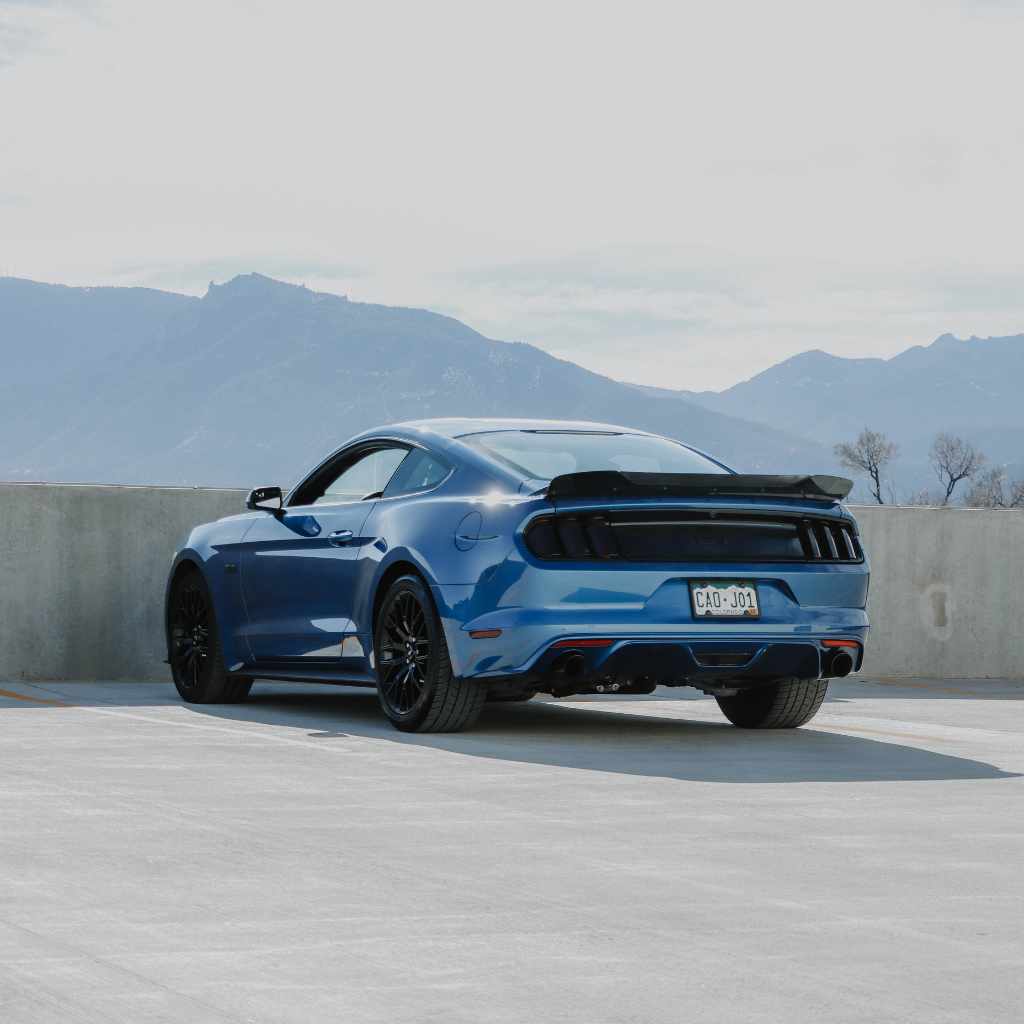
- Distinctive Styling: Ford has consistently given Mustangs iconic styling elements like triple sequential taillights, a prominent grille, and a sculpted body. These elements have been updated over the decades but remain recognizable.
- Rear-Wheel Drive: Historically, Mustangs have been rear-wheel drive, which is a characteristic of many sports and muscle cars, contributing to their performance feel.
Mustang vs. Other Car Types
Is a Mustang a Sports Car?
This is where things get interesting. A Mustang shares many traits with sports cars. It’s designed to be fun to drive, has a sporty appearance, and often comes with powerful engines.
However, the term “sports car” can be broad. Some purists might define sports cars as two-seaters with a low center of gravity, focused purely on agility and performance. Mustangs, especially in their earlier generations and some current models, often include rear seats (though they can be small) and are designed with a balance of performance, style, and practicality.
So, while it definitely has sports car DNA, its classification is a bit more nuanced.
What About Muscle Cars?
The Mustang is also frequently associated with “muscle cars.” This term typically refers to American-made cars from the 1960s and 70s that were designed for high-performance straight-line acceleration. Key characteristics of muscle cars include powerful V8 engines, rear-wheel drive, and a relatively affordable price point. The original Mustang, especially with its optional V8 engines like the 289, certainly fit this description and helped popularize the concept.
However, as the automotive landscape changed, so did the Mustang. Later generations, particularly those focusing more on handling and refined performance, sometimes strayed from the pure muscle car definition. Today, the Mustang straddles the line between pony car, sports car, and a modern interpretation of the muscle car, offering a range of options for different preferences.
Pony Car: The Perfect Fit
The most accurate and enduring classification for the Ford Mustang is the “pony car.” This category was literally invented by the Mustang. Pony cars are characterized by their compact size (compared to larger American cars of their era), sporty styling, affordable price, and a focus on offering a fun driving experience. They often have a long hood, a short rear deck, and can be had as coupes or convertibles.
While the term “pony car” is largely synonymous with the Mustang, it also includes other cars that followed its lead, like the Chevrolet Camaro and Pontiac Firebird. So, when you ask What Type of Car Is a Mustang Exactly?, “pony car” is the most precise answer that encompasses its unique origins and enduring design philosophy.
Generations and Evolution
The Mustang has been around for a long time, and like any long-running car, it has evolved significantly. This evolution is part of why people sometimes find it hard to pin down its exact type.
First Generation (1964.5–1973)
This is the era that defined the pony car. The early Mustangs were sleek, compact, and offered in various engine sizes, from economical inline-sixes to potent V8s. This generation established the long hood, short deck, and sporty silhouette that became synonymous with the model.
Models like the GT and Shelby GT350 and GT500 from this period cemented its reputation as both a stylish cruiser and a performance machine, firmly planting it in the pony and early muscle car categories.
Second Generation (1974–1978)
The oil crisis of the 1970s led to changes. The second-generation Mustang, often called the Mustang II, was smaller, lighter, and based on the Ford Pinto platform. It focused more on fuel efficiency and a European-inspired sporty look.
While it was still marketed as a sporty car, it moved away from the raw power of earlier models, leading some enthusiasts to question its “muscle car” credentials. It remained a pony car, though, emphasizing style and a more accessible performance.
Third Generation (1979–1993)
Known as the “Fox Body” Mustang, this generation marked a return to a more performance-oriented design and a shared platform with other Ford models. It brought back V8 power with models like the 5.0, reigniting the muscle car spirit for many. It continued to offer sporty styling and a rear-wheel-drive layout, solidifying its place as a modern pony car with strong muscle car undertones.
Fourth Generation (1994–2004)
This generation introduced a more rounded, modern styling while still maintaining the core Mustang proportions. Performance continued to be a focus, with the SVT Cobra models offering significant enhancements. It successfully bridged the gap between classic Mustang looks and contemporary sports car design, remaining a quintessential pony car.
Fifth Generation (2005–2014)
The fifth generation saw a deliberate retro-futuristic design, drawing heavily on the original 1960s Mustangs. It offered a powerful V8 engine and a more athletic stance, appealing to both nostalgic buyers and those seeking modern performance. This era strongly re-emphasized the Mustang’s sporty and performance credentials, leaning heavily into its pony car and muscle car heritage.
Sixth Generation (2015–2023)
This generation brought the Mustang to a global audience with a more refined and sophisticated design. For the first time, a turbocharged four-cylinder engine was offered alongside the V8, catering to a wider market. However, the V8 models continued to represent the performance heart of the Mustang, reinforcing its muscle car and sports car capabilities within the pony car framework.
Seventh Generation (2024–Present)
The latest generation continues the Mustang’s evolution. It maintains its rear-wheel-drive platform and iconic styling cues while incorporating modern technology and safety features. The focus remains on delivering both accessible sporty performance and exhilarating V8 power, keeping the Mustang firmly rooted as a top-tier pony car with significant sports and muscle car appeal.
What Type of Car Is a Mustang Exactly? A Comparison
To really clarify What Type of Car Is a Mustang Exactly?, let’s compare it to other popular car types.
| Car Type | Key Characteristics | How Mustang Fits |
|---|---|---|
| Sports Car | Two seats, agile handling, high performance, often low to the ground, premium pricing. | Shares performance focus, sporty looks, and driving dynamics. Can have 2+2 seating (small rear seats), making it more practical than a pure sports car. |
| Muscle Car | Powerful V8 engines, straight-line acceleration focus, often larger sedans or coupes, rear-wheel drive. | Many Mustang models, especially V8s, are classic muscle cars. The Mustang’s smaller size and styling also define it as a pony car, a sub-category of muscle cars. |
| Pony Car | Compact sporty coupe or convertible, long hood, short deck, affordable, stylish, rear-wheel drive. | The Mustang IS the original pony car. This is its most accurate and defining classification. |
| Coupe | Two-door car, often with a fixed roof and a sporty profile. | Mustangs are famously offered as coupes, fitting this description perfectly. |
| Convertible | A car with a retractable roof that can be opened to the sky. | Mustangs have a long history of offering convertible models, a popular choice for open-air driving. |
Why the Confusion?
The reason What Type of Car Is a Mustang Exactly? can be a tricky question for beginners is that the Mustang has successfully blended elements from different categories throughout its history. It was born as a pony car, but its V8 options made it a muscle car contender. Its sporty design and driving feel also align it with sports cars.
Furthermore, Ford has offered various engine sizes and performance packages over the decades, meaning a base model Mustang feels different from a high-performance Shelby model. This versatility means a Mustang can appeal to many different drivers, blurring the lines between strict automotive classifications.
The Mustang’s Enduring Appeal
No matter how you classify it—pony car, sports car with muscle car tendencies, or a versatile American icon—the Mustang has maintained its appeal for nearly 60 years. It offers a combination of style, performance, and a sense of freedom that few other cars can match. Its ability to adapt while staying true to its core identity is why it remains a beloved vehicle.
Frequently Asked Questions
Question: Is a Mustang a practical car for daily driving?
Answer: For many people, yes. While some high-performance versions are more focused on thrill, standard models offer decent fuel economy, comfortable interiors, and the ability to carry passengers. They are generally more practical than pure sports cars.
Question: Are all Mustangs V8 engines?
Answer: No, not all Mustangs have V8 engines. Ford has offered various engine options throughout the years, including inline-six and four-cylinder engines, especially in earlier or more economy-focused models. However, the V8 remains a signature and popular option for performance enthusiasts.
Question: Is the Mustang a front-wheel drive or rear-wheel drive car?
Answer: Traditionally, the Ford Mustang has always been a rear-wheel drive vehicle. This is a key characteristic that contributes to its sporty handling and performance feel.
Question: What does “pony car” mean?
Answer: A pony car is a type of American-made sporty car that is generally compact, affordable, and stylish, with a long hood and short deck. The Ford Mustang is credited with creating this automotive class.
Question: Can a Mustang be considered a luxury car?
Answer: While newer Mustangs offer premium features and comfortable interiors, they are not typically classified as luxury cars. Their primary focus is on performance, style, and a sporty driving experience, rather than outright luxury amenities and brand prestige associated with luxury vehicles.
Final Thoughts
So, when you’re trying to figure out What Type of Car Is a Mustang Exactly?, remember it’s the car that essentially defined the “pony car” segment. This means it’s designed to be sporty, stylish, and fun to drive, all while being relatively accessible. It shares a lot of traits with sports cars, especially in its performance models, thanks to its agile handling and powerful engine options.
And yes, many of its V8 versions certainly fit the bill as classic muscle cars, focusing on straight-line speed and power. Over the decades, the Mustang has evolved, sometimes leaning more into its pony car roots, other times embracing its muscle car heritage, and always retaining a strong sports car feel. It’s this blend of characteristics that makes the Mustang so unique and enduring.
Whether you’re looking for a car that looks great, feels exciting to drive, or has a rich history, the Mustang likely offers an option that fits what you’re looking for. Explore the different models and eras to see which version of this iconic American car speaks to you the most.