What’s the Amperage of Vacuums at Car Washes? Answered
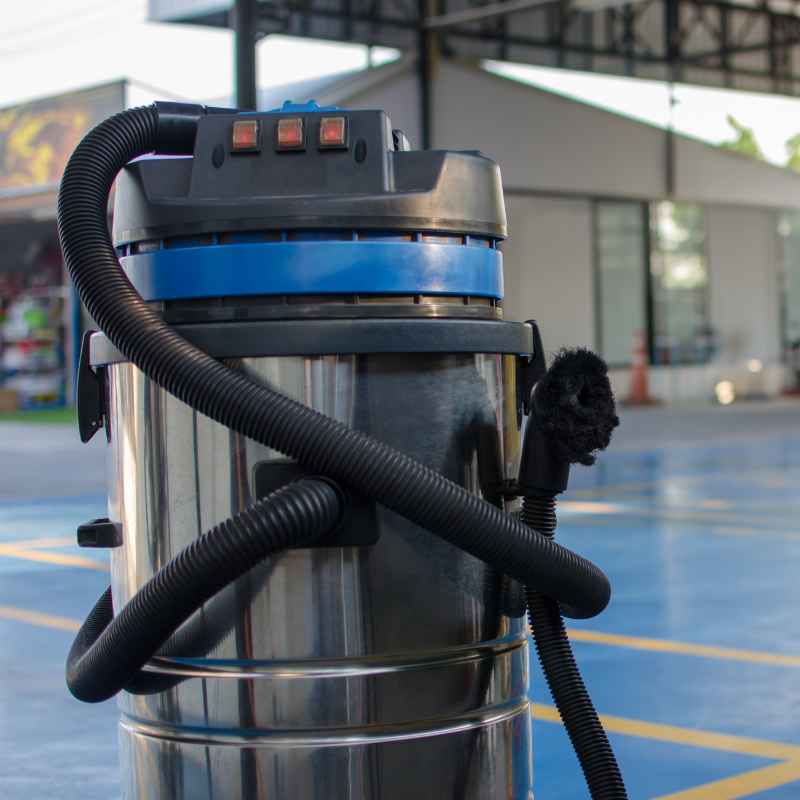
Most car wash vacuums draw about 10 to 20 amps on a 120-volt circuit, and many self-service units are commonly reported near 12 to 15 amps per motor. Undersized circuits, dirty filters, or weak motors can cut suction and trip breakers, which costs uptime and dents customer confidence. This guide explains the amperage range, what it means for suction and electrical load, and the maintenance issues that make a vacuum feel weak.
What’s the amperage of car wash vacuums?

There is no single universal amperage number for car wash vacuums. Motor size, whether the unit is single-phase or part of a larger commercial system, and how the vacuum is built all change amp draw. In practical terms, many units sit in the 10 to 20 amp range, and a lot of self-service equipment is commonly reported around 12 to 15 amps per motor.
What amps mean for suction
Amps show the motor’s electrical load. They do not measure suction by themselves. A motor can pull more current because it is working harder, but that does not automatically mean better airflow or stronger negative pressure at the nozzle. Airflow consistency matters just as much, because the customer feels suction drop-off when the path gets restricted.
A higher amp draw can still feel weak if the hose is clogged, the filter is loaded with dust, or the circuit voltage sags under load. That is why operators should separate customer-facing feel from electrical planning. One side is about how well debris gets picked up. The other is about breaker sizing, wiring limits, and voltage drop.
Car wash vacuum amp table
| Common amp band | Typical setup | What the customer feels | Most likely weak-suction causes |
|---|---|---|---|
| 10 to 12 amps | Smaller self-service unit or older single-motor setup | Enough pickup for light sand and crumbs, but slower debris removal in deep carpet seams | Dirty filter, partial clog, frayed hose, loose connector, low line voltage |
| 12 to 15 amps | Common self-service range for many car wash vacuum motors | Steadier suction at the wand, better pickup of embedded debris when the hose is clear | Restricted airflow, worn motor components, voltage drop on a long run, undersized wiring |
| 15 to 20 amps | Higher-load commercial-duty unit or larger motor package | More consistent pull during busy periods, especially when the inlet and hose stay clear | Filter loading, blocked inlet, poor calibration, loose clamps, circuit overload, breaker nuisance trips |
What makes one vacuum stronger?
One car wash vacuum feels stronger when the motor can move air efficiently and keep that output under continuous use. Amp draw matters, but airflow path, hose design, and maintenance matter just as much. A well-matched motor with a clear hose can outperform a larger motor that is being choked by restrictions or electrical loss.
Motor size and continuous-duty design
Commercial vacuum systems are built for high-traffic use, not occasional home cleanup. That means continuous-duty motors, service access, and predictable uptime matter as much as nameplate amps. A unit can be marketed for a busy site, but if it cannot run for long periods without heat or voltage problems, customers will feel the drop in performance.
Operators also need to think about payment hardware. Car wash vacuums can be coin, bill, token, or tap-to-pay, and each payment model changes the service layout and maintenance routine. The electrical load still has to be supported by the site, no matter how customers start the machine.
Airflow path, hose length, and blockages
The motor only helps if air can move. Long hoses, sharp bends, debris buildup, and poor connector fit all increase resistance. A clear 2-inch hose will usually feel better than a smaller or damaged hose that leaks air at the joints, even if the motor amperage is the same.
Picture a self-service bay with a 15-foot hose that has a cracked cuff near the wand end. The motor may still draw the expected amperage, but suction at the tip drops because air leaks before it reaches the pickup point. The customer notices weak pull first, then slow debris removal.
Maintenance items that affect output
Filters, worn belts if the unit uses them, damaged seals, and poor motor calibration all affect output. So do loose electrical connections and undersized wiring, which can create voltage drop under load. In a busy site, these problems often show up first as inconsistent suction rather than a complete shutdown.
Are free car wash vacuums usually more powerful?
No. Free vacuums are usually a customer perk, not proof of stronger equipment. A free vacuum can be well built, but the payment model does not tell you motor amperage, hose quality, or maintenance discipline. What matters is whether the site budgets for uptime and replacement parts.
Some free vacuum lanes are well maintained because the operator wants fast turnover and a better customer experience. Others are left with worn hoses, dirty filters, and weak airflow because no direct payment is collected at the machine. The result can be either better-than-average suction or a machine that feels tired.
What kind of hoses do car washes use?
Car wash vacuums use hoses built for abrasion, flexing, and repeated handling. Common material choices include polyethylene, PVC, urethane, and rubber. Each has tradeoffs in abrasion resistance, temperature range, and weight, and some suppliers make hoses to order when a site needs a specific fit.
Size examples and fit
ACE sells a 2-inch by 15-foot hose for vacuum equipment. Ducting lists hose sizes from 0.75 to 1.75 inches in one category, and from 2 to 3.5 inches in another. One industrial vacuum hose option is stocked in 1.5-inch size, while PE Flex Commercial hose is stocked in 2-inch and 2.5-inch sizes.
Connector and clamp compatibility matters as much as diameter. A hose that does not mate cleanly to the wand, inlet, or clamp can leak air and reduce suction even if the motor is healthy. The wrong connector can also make routine hose replacement slower for the operator.
Material choices
PE Flex Commercial hose has a temperature range of -40°F to +140°F. Urethane Flex Small ID hose is rated from -60°F to +160°F, and PVC Flex Small ID hose is rated from -10°F to +160°F. Those numbers help operators choose a hose that matches local weather and usage patterns.
Urethane is often chosen where abrasion is a concern. PVC can suit lighter-duty use. Rubber can tolerate abuse well, but it may feel heavier in hand. Made-to-order lead times can matter too; some Ducting vacuum hoses are made to order with a 4–6 week lead time.
What makes a vacuum seem weak?
A vacuum often seems weak because airflow is being restricted somewhere in the system. The usual suspects are clogged filters, frayed hoses, loose fittings, and debris lodged in the hose or nozzle. Electrical problems can create the same complaint, especially when voltage drops under load or the wiring is undersized for the circuit.
Common failure points
Dirty filters load the motor and reduce airflow. Frayed hoses leak vacuum before debris reaches the collection point. Loose clamps and worn connectors create small leaks that add up quickly. If the site has poor voltage support, the motor may spin but fail to move air consistently.
Suppose a bay has a vacuum that still starts normally but loses pickup after a few minutes. That pattern often points to filter loading, heat-related motor decline, or a partial blockage rather than a total electrical failure. The customer just feels that the vacuum gets weaker as the session goes on.
What operators should check first
- Inspect the filter for heavy dust or caked debris.
- Check the hose for cracks, soft spots, or crushed sections.
- Confirm the connector and clamp fit tightly at both ends.
- Look for loose wiring, breaker trips, or voltage drop symptoms.
- Verify that the motor is running within its intended amp range.
- Schedule regular service before suction complaints stack up.
What should I look for in a car wash vacuum system?
Look for a system that balances electrical load, suction consistency, and uptime. A high-traffic site needs a commercial vacuum system that can handle repeated use, has easy service access, and uses parts that are easy to replace. Strong marketing copy means little if the motor cannot hold performance through a busy day.
A useful checklist starts with the electrical side. Ask what amperage the motor draws, what circuit it needs, and whether the site wiring can handle the load without nuisance trips. Then move to the air path: hose size, hose material, connector fit, filter access, and how quickly parts can be changed.
How do you tell if a vacuum is high powered?
Start with the nameplate or spec sheet, not the signage. A truly capable unit will have a clear amp rating, a matching circuit plan, and a motor designed for continuous-duty operation. It should also maintain suction when the hose is fully extended and the filter has seen normal use, not only when everything is new.
High amperage alone is not enough. Look for steady airflow, solid connectors, durable hose material, and maintenance access that makes routine cleaning practical. If a site cannot keep the filter clean or the wiring stable, the vacuum will not feel high powered for long.
Frequently asked questions
How many amps is a car wash vacuum?
Most car wash vacuums draw about 10 to 20 amps on a 120-volt circuit, and many self-service units land near 12 to 15 amps per motor. Exact draw depends on motor size, design, and whether the system is built for continuous commercial use. Always check the equipment spec sheet.
What makes a car wash vacuum stronger than another one?
Strong performance comes from a mix of motor design, airflow path, and maintenance, not amperage alone. A vacuum with clear hoses, a clean filter, and proper voltage support will usually feel stronger than a larger motor saddled with leaks, clogs, or poor wiring.
Why do car wash vacuums lose suction?
Suction loss usually comes from clogged filters, debris in the hose, frayed or leaking sections, loose connectors, or electrical problems that reduce motor output. Voltage drop and undersized wiring can make the motor feel fine at startup but weak under load.
Can car wash vacuums be coin operated or no-pay?
Yes. Car wash vacuums can be coin, bill, token, or tap-to-pay, and some are no-pay free amenities. The payment model changes convenience and site management, but it does not by itself determine suction quality, motor size, or maintenance needs.
Products related to this article
Sponsored / affiliate links. As an Amazon Associate I earn from qualifying purchases. I may earn additional commission from eligible campaigns.