What’s the Highest Miles Ever Recorded on a Vehicle?
Figuring out What’s the Highest Miles Ever on a Car? is something lots of people wonder about. It’s a fun question, but the answers can seem a bit tricky at first. Don’t worry, though! It’s actually pretty easy to grasp. We’re going to break it down step-by-step so you’ll know all about cars with amazing mileage. Let’s explore!
The Quest for Unmatched Mileage
The pursuit of the highest mileage on a car is a captivating topic, sparking curiosity and admiration for vehicles that have truly gone the distance. It’s a testament to the build quality, regular maintenance, and the journeys these machines have undertaken. This section explores why people care, the challenges in verifying these records, and the factors that allow vehicles to reach exceptional mileage. We’ll explore the main drivers that push cars to go beyond the usual mile count, from careful upkeep to the different types of driving habits that contribute to a long-lasting life.
Why High Mileage Matters
High mileage is an impressive feat, showcasing a car’s durability and the owner’s dedication. It’s a badge of honor for both the vehicle and the person who has kept it running. High mileage isn’t just about the numbers; it symbolizes reliability and careful use. It points to a vehicle’s mechanical endurance and its ability to withstand many years of daily use. It also reflects how important routine maintenance and attentive care are in determining how long a car will last. What makes a car go the distance?
- Durability: High mileage signifies that a car’s components are built to last. It indicates robust engineering and the ability to endure significant use.
- Maintenance: Regular upkeep, including oil changes, tire rotations, and other routine services, is essential for reaching high mileage milestones.
- Cost-Effectiveness: Cars with impressive mileage often demonstrate long-term value, as they provide transportation over an extended period.
- Driving Habits: Smooth driving, avoiding harsh acceleration, and braking can contribute to the longevity of the car’s engine, transmission, and brakes.
- Reliability: High-mileage cars, with a history of consistent service, often become symbols of reliability.
It’s important to remember that achieving high mileage is a combination of these elements. Proper care and smart habits are essential to seeing a car reach its maximum potential. These are the key factors that decide whether a car can join the high-mileage club.

Challenges in Verifying Mileage Records
Verifying claims of exceptionally high mileage can be a complicated process. While some records are well-documented, others face challenges. It requires examining the vehicle’s history and maintenance records. This sometimes includes checking the car’s engine and overall condition, and seeing if the odometer has been changed. It is not always an easy process to verify these records completely.
- Odometer Tampering: One major challenge is ensuring the odometer reading is accurate. There have been instances where odometers have been altered to reflect a lower mileage.
- Documentation: Detailed service records and ownership history are vital for verifying mileage. These records offer proof of the vehicle’s past use.
- Verification Agencies: Independent experts and vehicle history services play a key role in confirming high mileage claims by looking at multiple sources.
- Technological Advances: Electronic odometers and data logs in modern vehicles provide more transparent and tamper-resistant mileage tracking.
- Maintenance Records: Consistent and thorough service records are essential for demonstrating that a car has been properly maintained throughout its life.
Although it might be difficult, the process is essential to guarantee the authenticity of high mileage claims. Verifying claims is essential. It’s about protecting the interests of both the car owners and the public.
Factors That Influence a Car’s Lifespan
Many things decide how long a car will run. The type of car, the way it’s used, and how well it is taken care of are all important. This segment investigates these factors. It covers car design, driving habits, regular maintenance, and environmental conditions. It will show the varied elements that contribute to a vehicle’s longevity.
- Build Quality: The construction materials and engineering of a vehicle play a big role. Cars made with strong materials and precise engineering are better equipped to withstand the test of time.
- Driving Habits: How you drive is vital. Avoiding harsh starts, sudden stops, and speeding can reduce wear and tear on a vehicle’s parts.
- Maintenance Schedule: Following the recommended service schedule from the manufacturer is essential for keeping a car running smoothly for many years.
- Fuel Type: The type of fuel a car uses can also have an effect. Vehicles using high-quality fuel may experience better performance.
- Environmental Conditions: Extreme temperatures, salty air, and other conditions can affect the lifespan of a vehicle.
These elements work together to shape the length of time a car can last. Proper upkeep and care contribute to a vehicle’s resilience. They make sure the car can withstand the demands of the road. This makes the possibility of achieving high mileage a reality.
The Champion Cars of Mileage
This section showcases the cars recognized for their amazing mileage achievements. It takes a look at individual vehicles that have broken records, along with the models that are known for their ability to endure. By exploring these stories, we will find out about the dedication and maintenance practices that allowed these vehicles to achieve their astonishing results. It’s about the drivers who have pushed their vehicles to the limit.
Irvin Gordon’s Volvo P1800
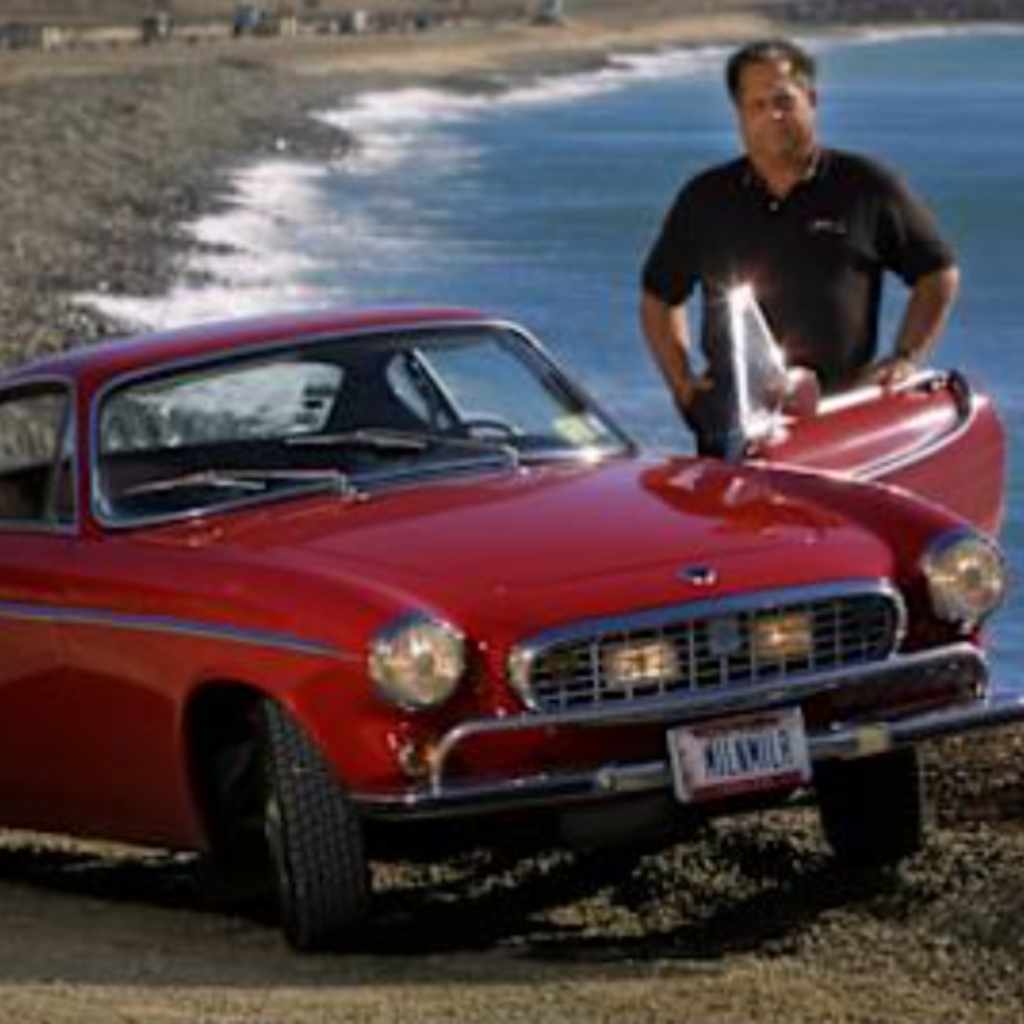
Irvin Gordon owned a 1966 Volvo P1800, which holds the current world record for the highest mileage on a car. He drove his Volvo for over 3.2 million miles, showing its remarkable endurance. The story of Gordon and his Volvo is inspiring to car enthusiasts.
- The Journey: Gordon purchased his Volvo in 1966 and began driving it extensively. His travels included daily commutes, road trips, and participation in car shows.
- Maintenance: Regular upkeep was crucial. Gordon was religious about following the manufacturer’s service schedule. He changed the oil regularly.
- Longevity: The Volvo P1800 model, known for its durable design, proved to be an excellent choice for achieving high mileage.
- Record Recognition: Gordon’s mileage was officially verified, earning him a place in the Guinness World Records.
- Inspiration: His dedication inspired a community of car enthusiasts. It showed what’s possible with proper care and commitment.
Gordon’s Volvo stands as an example of car longevity. It’s an inspirational story about a vehicle that has proven its lasting value.
Other Notable High-Mileage Vehicles
Many other cars have achieved amazing mileage milestones. These cars, although not as famous as the Volvo, are a reminder of the amazing performance capabilities. It’s a diverse group, including various makes and models, and highlighting different driving habits and care practices.
- Mercedes-Benz 240D: This model, known for its strong engine and durable design, has recorded impressive mileage. Many owners have reported over a million miles.
- Honda Accord: The Accord is another model that frequently appears on the list. The combination of its dependability, fuel efficiency, and owner care are great.
- Toyota Corolla: The Corolla, known for its reliability, has also seen many examples reach high mileage marks. Its good fuel economy and reliability are key factors.
- Ford F-Series Trucks: These workhorses are tough and can handle difficult tasks. They are often used for hauling and transporting, and many have traveled long distances.
- Various Taxi Fleets: Taxis provide insight into high-mileage vehicles. Their drivers put in many miles daily and are well maintained.
The success of these vehicles highlights that many models can go the distance. It is not just about the vehicle, but also the owner’s commitment.
Case Studies: Vehicles with Exceptional Records
Real-life examples highlight the achievements of high-mileage cars and owners. These studies show the dedication required to achieve these milestones. These stories are a reminder that anything is possible with proper care and attention.
- The Million-Mile Toyota Tundra: A man who drove his Toyota Tundra for over a million miles. He had great care, and the truck was reliable.
- The Taxi Fleet’s Mercedes-Benz: Taxis are designed to work hard. Many Mercedes-Benz vehicles from taxi fleets have hit the million-mile mark.
- Irvin Gordon’s Ongoing Story: Gordon continued to drive his Volvo. It shows his commitment to his vehicle.
These studies give insight into how these cars achieved such great mileage. They remind us that the story of high-mileage cars is more than just statistics.
Best Practices for a Long-Lasting Vehicle
Maintaining a car for long-term use requires knowledge and commitment. This section is about how to keep your vehicle running well for years. It discusses routine maintenance, effective driving habits, and vehicle protection. It will provide the necessary knowledge for maintaining your car and increasing its lifespan. Following these recommendations can assist in maintaining your car.
Routine Maintenance Schedules
Sticking to a service schedule is essential for car longevity. Regular service helps keep all the components in good working order. Following a schedule that the car manufacturer recommends is very important.
- Oil Changes: Regular oil changes are essential for engine health. Change your oil at the manufacturer’s suggested intervals.
- Tire Care: Tire rotations and balancing are essential to extend tire life and improve performance.
- Fluid Checks: Checking and changing fluids like coolant, brake fluid, and power steering fluid is essential.
- Brake Inspection: Regular brake inspections ensure the safety of your vehicle. Inspect your brakes for wear.
- Filter Replacements: Changing air filters and fuel filters regularly helps the engine’s performance.
Following a service schedule helps in preventing major issues and keeping your car in excellent condition. This promotes the life and performance of the vehicle.
Driving Habits That Preserve Your Vehicle
The way you drive plays a huge role in your car’s lifespan. By changing driving habits, you can greatly lower wear and tear. This helps keep your vehicle in great condition.
- Avoid Rapid Acceleration: Quick acceleration puts extra strain on your engine and transmission. Drive smoothly to extend the life of these components.
- Smooth Braking: Sudden braking wears out brake pads and rotors faster. Anticipate stops.
- Proper Gear Selection: Use the right gears to prevent overworking the engine. Shifting appropriately can improve both fuel economy.
- Avoiding Road Hazards: Staying away from potholes and road debris can prevent damage to your tires and suspension.
- Regular Inspections: Keep up with regular inspections. Identify and fix any small issues early on.
These practices assist in preserving your vehicle. They help you get the most out of your investment.
Vehicle Protection and Preservation Tips
This includes practices designed to shield your vehicle from environmental factors. From the weather to the road conditions, safeguarding your car can lengthen its lifespan. These tips go beyond routine maintenance and driving habits.
- Regular Washing and Waxing: Regular washing protects the car’s paint from rust. Waxing offers additional protection.
- Parking Location: When possible, park in a garage or under cover to protect from sun and harsh weather.
- Undercoating: Applying undercoating can protect the car’s underside from corrosion caused by salt and other elements.
- Interior Protection: Use seat covers, floor mats, and window tints to protect the car’s interior.
- Protective Covers: When you can’t park inside, use a car cover to protect the car from the sun and other environmental factors.
These strategies help in preserving the vehicle’s appearance and functionality. Protecting your car can make it look new for years to come.
The Future of High Mileage and Automotive Technology
Automotive technology and the drive for increased durability are changing how we see high mileage. This section explores how new tech improves vehicle longevity. It also looks at the impact of electric vehicles (EVs). Plus, it considers the potential of improved materials in making cars last even longer.
The Impact of Technological Advancements
Many new technologies are helping cars last longer and perform better. From engine design to safety features, advancements are improving both reliability and efficiency. This development drives cars that not only go the distance but also give a better driving experience.
- Advanced Engine Design: New engines are built for increased efficiency and reduced wear. Direct injection and variable valve timing are examples.
- Improved Materials: Stronger and lighter materials, like high-strength steel and aluminum, are now more common in car construction.
- Advanced Safety Systems: Features such as autonomous emergency braking reduce the risk of accidents and wear.
- Data Analytics and Diagnostics: Cars now have diagnostic systems that monitor performance. This leads to timely maintenance.
- Electric Vehicle Technology: EVs have fewer moving parts, which can lead to less wear and tear and longer vehicle lives.
These advancements promote the longevity of vehicles. They improve the overall driving experience.
Electric Vehicles and Their Potential
EVs are changing the automotive world, offering potential for longer vehicle lifespans. With fewer mechanical parts, there is less that can fail. This results in lowered maintenance needs and potential longer life. They are a significant step towards sustainability and durability.
- Fewer Moving Parts: EVs have much simpler drivetrains than combustion engines. This reduces the number of components.
- Reduced Wear: Electric motors generally experience less wear. Electric powertrains help to reduce overall maintenance needs.
- Regenerative Braking: EVs use regenerative braking. This captures energy and lowers the use of friction brakes.
- Battery Life: Battery technology is improving, increasing the range and lifespan of EVs.
- Lower Running Costs: EVs often have lower maintenance and fuel costs. This contributes to their long-term value.
EVs offer many advantages. They demonstrate how new technology can influence vehicle endurance.
Innovations in Materials and Manufacturing
New materials and improved manufacturing techniques are shaping the car industry. From making stronger parts to improving the quality of production, these changes are adding to vehicle longevity. They will help in creating long-lasting vehicles.
- High-Strength Steel: Using high-strength steel makes cars lighter and stronger. This means better crash protection and longer car life.
- Aluminum Components: Aluminum parts offer weight savings and are resistant to rust. This improves fuel efficiency.
- Advanced Composites: Composites are being used for body panels. These are lighter and offer greater durability.
- Corrosion Resistance: Improved coatings and treatments increase the lifespan of vehicles.
- 3D Printing: 3D printing allows for custom parts and efficient manufacturing. This extends the lifespan of vehicles.
These advancements show the potential for creating cars that are both more dependable and sustainable. They are driving the future of the car industry.

Frequently Asked Questions
Question: What is the highest recorded mileage for a car?
Answer: The highest documented mileage is over 3.2 million miles, achieved by Irvin Gordon’s Volvo P1800.
Question: Are high-mileage cars always reliable?
Answer: Not always, but high mileage often shows a history of good maintenance and care, which can correlate with reliability.
Question: What are the best car brands for high mileage?
Answer: Some brands known for high-mileage potential include Volvo, Mercedes-Benz, Toyota, and Honda.
Question: How can I make my car last longer?
Answer: Follow the manufacturer’s recommended maintenance schedule, drive smoothly, and protect your vehicle from the elements.
Question: Do electric vehicles last longer than gas cars?
Answer: EVs have fewer moving parts, potentially resulting in less wear and tear. Therefore, they could last longer.
Final Thoughts
So, What’s the Highest Miles Ever on a Car? It’s a fantastic question that opens up a world of dedication, engineering, and commitment. The answer is impressive and inspiring. But, as we’ve explored, the real magic lies not just in the numbers, but in the stories behind those miles. Cars like Irvin Gordon’s Volvo P1800 have shown the world what’s possible with the right care. By understanding how to maintain your vehicle, you’re not just ensuring it lasts; you’re joining a community of drivers who love their cars. Take good care of your vehicle, stick to its maintenance schedule, and drive wisely. Your car can go the distance!