When Should You Scrap A Car? (Key Signs To Watch For)
If your car’s repair costs are adding up quickly, or if it’s constantly breaking down, it might be time to scrap it. Major mechanical issues, severe rust, or a failing engine are strong indicators. Consider also the car’s age and its market value versus repair expenses to make the best choice.
Understanding When Your Car is Past Its Prime
Cars are not built to last forever. They wear out with use. Think of it like your shoes.
After a lot of walking, they get holes. Your car’s parts do the same. They get worn down.
This happens from driving, the weather, and just time itself. Knowing when these parts are too worn out is key. It helps you avoid big problems.
It also saves you money in the long run.
Many things can go wrong with a car. Some are small. Others are huge.
A small fix might be a new light bulb. A big fix could be a new engine. We want to help you see the difference.
We want to help you spot the signs. These signs tell you your car is nearing the end of its useful life. It’s time to think about scrapping it.
The Obvious Signs: What You Can See and Hear
Sometimes, the signs are right there. You can see them. You can hear them.
These are often the easiest indicators. They don’t need a mechanic to point them out. Let’s look at some common ones.
Rust is a big one. Surface rust on the doors or hood might be okay for a while. But if you see rust on the frame, the undercarriage, or the wheel wells, that’s serious. Rust eats away at metal.
It makes the car unsafe. It weakens the whole structure. A car with a rusty frame is a dangerous car.
It’s not worth fixing for safety reasons.
You might hear strange noises. A knocking sound from the engine is never good. A loud grinding when you brake is also a warning.
Squealing, popping, or clunking sounds can mean big trouble. These sounds are the car’s way of telling you something is wrong. They are signals that a part is failing.
Visual Checks for Trouble
- Frame Rust: Check under the car. Look for flaky or pitted metal.
- Exhaust Smoke: Blue smoke means oil is burning. Black smoke means too much fuel. White smoke can mean coolant is leaking.
- Tire Wear: Uneven wear can show suspension problems.
- Fluid Leaks: Puddles under the car are a clear sign.
How does the car start? If it takes a long time to crank, or if it doesn’t start at all sometimes, that’s a problem. A weak battery can cause this.
But it could also mean the starter is going bad. Or it could be a sign of engine issues.
Check your exhaust pipe. Is there a lot of smoke coming out? What color is it?
Blue smoke usually means oil is getting into the engine cylinders. Black smoke often means the engine is burning too much fuel. White smoke could be a sign of a blown head gasket, where coolant is leaking into the engine.
Any of these are bad signs.
Under the Hood: Mechanical Nightmares
The engine is the heart of your car. When it has problems, it’s serious. Often, these repairs are very expensive.
You might be looking at thousands of dollars.
Consider a major engine failure. This includes things like a cracked block or a blown head gasket. These are usually not fixable at a reasonable cost.
A transmission problem is also a big one. If your transmission is slipping, grinding, or won’t shift gears, repairs can be as much as a new car.
What about the transmission fluid? If it’s dark, smells burnt, or has metal bits in it, that’s a warning. This means the transmission is breaking down inside.
Fixing or replacing a transmission is one of the most costly repairs you can face.
Engine & Transmission Warning Signs
Engine Lights: A steady or flashing check engine light means a fault is detected. Don’t ignore it.
Strange Smells: Burning oil, coolant, or rubber smells indicate leaks or overheating.
Overheating: If your temperature gauge often goes into the red, the cooling system has issues.
Rough Idling: The car shakes or stutters when stopped.
Other mechanical issues can also be deal-breakers. A failing braking system is a safety hazard. If your brakes are making loud noises, feel spongy, or the car pulls to one side when braking, it’s time to get it checked.
But if the cost to repair is high, it might be time to stop pouring money into it.
The suspension is another area. If your car rides very rough, bounces excessively, or makes loud clunks over bumps, the suspension might be shot. Fixing worn-out shocks, struts, or control arms can add up quickly.
A car that handles poorly is dangerous.
The Cost Factor: When Repairs Outweigh Value
This is often the biggest reason people decide to scrap a car. You have to ask yourself: is it worth fixing?
A good rule of thumb is the 50% rule. If the cost of a repair is more than 50% of the car’s current market value, it’s often not worth it. For example, if your car is only worth $3,000, and the repair bill is $2,000, you’re spending a lot of money.
You could likely put that money towards a newer, more reliable car.
You also need to consider the frequency of repairs. Is this the first big repair? Or has it been a constant string of problems?
If you’re always fixing something, it’s a sign the car is just old and worn out. It’s like having a leaky faucet you fix, but another one starts leaking next week.
Repair Cost vs. Car Value
Check Market Value: Use sites like Kelley Blue Book (KBB) or Edmunds to see what your car is worth.
Get Repair Estimates: Obtain quotes from multiple mechanics for any needed repairs.
The 50% Rule: If repair costs exceed 50% of the car’s value, consider scrapping.
Future Repairs: Think about other parts that might fail soon. Add those potential costs.
Think about the total cost of ownership. This includes not just repairs, but also gas, insurance, and taxes. If your old car is guzzling gas and needs constant attention, it might be cheaper in the long run to get a more fuel-efficient and reliable vehicle.
Even if the car is paid off, the ongoing costs can add up.
Sometimes, you might face a choice between a few major repairs. For instance, the engine needs work, and the transmission is also acting up. In this situation, the combined cost could be astronomical.
It’s almost always better to cut your losses and scrap the car. You don’t want to keep throwing good money after bad.
Safety Concerns: When Your Car Becomes a Risk
Safety is non-negotiable. If your car has become unsafe to drive, it’s time to scrap it. This isn’t just about you.
It’s about the safety of other people on the road too.
We talked about rust. Severe rust on the frame or chassis can compromise the car’s structural integrity. This means it won’t protect you well in an accident.
It’s like driving a tin can that’s falling apart.
Brake problems are another major safety issue. If your brakes are weak, the car won’t stop when you need it to. This is incredibly dangerous.
Similarly, worn-out steering components can make the car unpredictable to control. If the steering feels loose or hesitant, it’s a red flag.
Safety Checks You Can Do
Test Brakes: Do they feel firm? Does the car stop straight?
Steering Feel: Is there excessive play or looseness?
Lights: Are all your headlights, taillights, and brake lights working?
Windshield Wipers: Do they clear the windshield effectively? Is the glass cracked?
Electrical problems can also be a safety hazard. Faulty wiring can lead to fires. Issues with the headlights or taillights mean other drivers can’t see you or know when you’re stopping.
A malfunctioning airbag system is also a serious concern.
Think about your car’s age. Older cars might not have modern safety features like anti-lock brakes (ABS) or multiple airbags. While not a direct reason to scrap, if your older car also has significant wear and tear, it compounds the safety risk.
New cars are built with much higher safety standards.
The Environmental Impact of Old Cars
Old cars can be bad for the environment. They often leak fluids like oil and antifreeze. These can get into the soil and water.
Older engines are also less fuel-efficient. This means they burn more gasoline. Burning more gasoline creates more pollution and greenhouse gases.
When you decide to scrap a car, you can do it responsibly. Many salvage yards have processes to drain all fluids safely. They also reclaim usable parts.
Metal from the car can be recycled. This helps reduce the need to mine for new materials. So, scrapping a car can actually be an environmentally friendly choice.
Responsible Scrapping
Choose a Certified Yard: Look for yards that follow environmental regulations.
Drain Fluids Properly: Ensure oil, gas, and coolant are removed and disposed of correctly.
Recycle Parts: Usable parts can be sold, reducing waste.
Scrap Metal: The rest of the car is typically recycled as scrap metal.
Keeping a car running when it’s no longer efficient or safe isn’t always the best choice. It might seem like you’re saving money by avoiding payments on a new car. But the constant repair bills and the environmental cost can be higher than you think.
Making the switch to a newer, more efficient car can benefit both your wallet and the planet.
When to Seek Professional Opinion
You’ve looked at your car. You’ve heard the noises. You’ve seen the rust.
But you’re still not sure. That’s okay. Sometimes, you need an expert.
Take your car to a trusted mechanic. Explain your concerns. Ask them to give you a full inspection.
Specifically, ask them to look for signs that indicate the car is nearing the end of its life. Get their honest opinion on the cost of repairs versus the car’s value.
A good mechanic will tell you if a repair is truly worth it. They won’t just try to sell you parts. Ask them how much longer they think the car might last after a repair.
This can help you make a more informed decision. Don’t be afraid to get a second opinion from another mechanic if you’re unsure.
Questions for Your Mechanic
“What is the estimated cost of this repair?”
“What is the market value of my car right now?”
“Are there other major issues you see that will need fixing soon?”
“Realistically, how much longer do you think this car will be reliable after these repairs?”
Your mechanic can identify problems you might miss. They have the tools and knowledge to diagnose complex issues. They can tell you if the frame is severely damaged or if the engine has internal wear that isn’t obvious from the outside.
This expert advice is crucial when making a big decision like scrapping your car.
The Emotional Side of Letting Go
It’s not just metal and mechanics. Cars can be a part of our lives for years. We take road trips in them.
We rely on them for daily commutes. Sometimes, our first car holds special memories. It’s natural to feel a bit sad or sentimental when it’s time to say goodbye.
I remember my first car, an old blue sedan. It sputtered and coughed its way through every winter. But it got me to my first job.
It took me on dates. When it finally died, I felt a pang of loss. It was more than just a car; it was a chapter of my life.
Acknowledge those feelings. It’s okay to feel a bit of grief. But try not to let sentimentality cloud your judgment.
If the car is costing you too much money or is unsafe, those memories can’t keep it running. Focus on the relief of not having to worry about it breaking down anymore. Think about the new freedom a reliable car can bring.
Emotional Considerations
Acknowledge your feelings: It’s okay to be sad.
Focus on the future: Think about the benefits of a new, reliable car.
Celebrate the memories: Cherish the good times the car provided.
Practicality over sentiment: Let logic guide your final decision.
Sometimes, seeing the car at the junkyard can be hard. If possible, take a final drive. Take a few pictures.
Then, let it go. The money you save on repairs can go towards a new adventure or a more dependable vehicle. The car served its purpose.
Now it’s time for a new one.
What to Do When You Decide to Scrap
So, you’ve decided it’s time. Your car has seen better days. You’re ready to scrap it.
What’s next?
First, remove all your personal belongings. You’d be surprised what people leave behind. Check the glove compartment, the trunk, under the seats, and even the ashtrays.
You don’t want to lose anything important.
Next, remove the license plates. In most states, you’ll need to return these to the Department of Motor Vehicles (DMV). This is important to avoid any future charges or issues associated with the car.
You’ll also need your car’s title. This document proves you own the car. You’ll need it to transfer ownership to the salvage yard.
If you’ve lost your title, you’ll need to contact your local DMV to get a replacement.
Steps for Scrapping Your Car
Gather Documents: You’ll need your car’s title and possibly your ID.
Remove Valuables: Check all areas of the car for personal items.
Remove License Plates: These usually need to be returned to the DMV.
Find a Salvage Yard: Research local yards, compare prices for scrap metal, and check their reputation.
Look for a reputable auto salvage yard or junk car buyer. Many offer free towing. They will give you a price based on the weight of the metal.
Some might offer a bit more if the car has usable parts. Get quotes from a few different places before deciding.
The salvage yard will handle the rest. They’ll process the car, crush it, and recycle the metal. It’s a clean way to dispose of a vehicle that’s no longer useful.
It might not be a big payday, but it’s a responsible end for your old car.
Frequently Asked Questions About Scrapping Cars
What is the average amount I can get for scrapping a car?
The amount you get depends on the car’s weight, the current price of scrap metal, and whether it has valuable parts. Generally, you can expect anywhere from $200 to $500 for a typical car. Some larger vehicles or those with more metal could fetch more.
Do I need the car title to scrap my car?
Yes, most licensed salvage yards require the car’s title to prove ownership. If you don’t have it, you’ll need to apply for a replacement title from your state’s Department of Motor Vehicles (DMV). Some places might accept other forms of proof, but the title is standard.
Can I scrap a car that still runs?
Yes, you absolutely can scrap a car that still runs. If the repair costs are becoming too high, or if you simply want a newer vehicle, you can still sell it to a salvage yard. A running car might even fetch a slightly higher price.
What if my car has been in an accident?
If your car has been in an accident and the repair costs are more than its value, it’s likely a candidate for scrapping. Even if the frame isn’t severely damaged, if essential components are broken beyond repair, it might be time to let it go.
How do I choose a good salvage yard?
Look for yards that are licensed and have good reviews online. Ask about their towing services, payment methods, and their process for handling fluids and recycling. A reputable yard will be transparent about their operations.
What happens to the car after it’s scrapped?
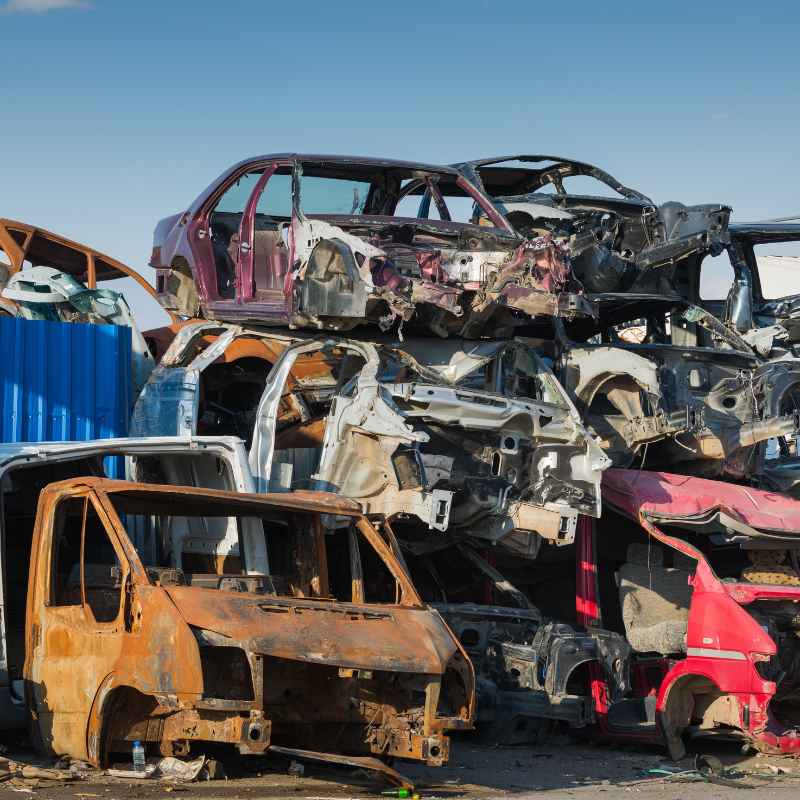
Once scrapped, the car is typically drained of all fluids (oil, gas, coolant, etc.). Then, usable parts are removed and sold. The remaining metal shell is usually crushed and sent to a metal recycling facility.
Final Thoughts on Knowing When to Say Goodbye
Deciding to scrap a car is rarely easy. It involves a mix of practical concerns and sometimes, a touch of sentiment. But when major issues arise, repair costs soar, or safety becomes a question, it’s time to trust your gut and the facts.
Prioritize safety and your peace of mind. A reliable car makes life simpler. It’s an investment in your daily well-being.
Products related to this article
Sponsored / affiliate links. As an Amazon Associate I earn from qualifying purchases. I may earn additional commission from eligible campaigns.