When to Check Oil on a Car: Essential Timing Tips
Checking your car’s oil is essential for engine health. Knowing when to do it can save you costly repairs.
Regular oil checks ensure your engine runs smoothly and lasts longer. Many drivers overlook this simple task, leading to major issues. Understanding the best times to check your oil can prevent breakdowns and extend your vehicle’s life. In this guide, we’ll explore ideal moments to inspect your oil and why it’s crucial.
By following these tips, you can keep your car in top shape and avoid unexpected problems. Stay tuned to learn how to keep your engine purring like new.

Credit: www.toyotaofnorthcharlotte.com
Optimal Times For Oil Checks
Check your car’s oil before a long trip. This helps the engine run smoothly. Long journeys stress the engine. Low oil can cause problems. Make it a habit before every journey. Ensure oil level is at the right mark. Safety first.
Check oil after refueling. It’s an easy reminder. The engine needs good oil levels. Low oil can damage parts. Keep a routine. Check oil often. After filling gas, look under the hood. It keeps the car healthy. Simple checks save money.

Credit: www.familyhandyman.com
Signs Your Car Needs An Oil Check
The oil warning light is a big sign. It tells you to check your oil. This light is on the dashboard. It looks like a small red can. Ignoring it can harm your car. Always take it seriously. Check your oil soon. Add oil if needed. This keeps the engine safe.
Strange sounds from the engine are a warning. These noises can be loud. Sometimes they are soft ticking sounds. This means the oil is low. Oil keeps the engine parts moving smoothly. Without it, the engine can break. Check the oil level right away. Add more oil if needed. Keeping the oil level right is very important.
Seasonal Considerations For Oil Checks
Cold weather affects your car’s oil. Oil can thicken in cold. Thick oil won’t flow well. This can harm your engine. Check oil level more often in winter. Make sure it stays clean and full. Use oil that suits cold weather. Winter-grade oil can help. A mechanic can guide you. They know the best oil for winter.
Heat can thin your car’s oil. Thin oil may cause problems. Check oil level regularly in summer. Make sure it is not too low. Change oil if it looks dirty. Clean oil works better in heat. Use oil that suits hot weather. Summer-grade oil is best. Ask a mechanic if unsure. They can give good advice.
Frequency Of Oil Checks
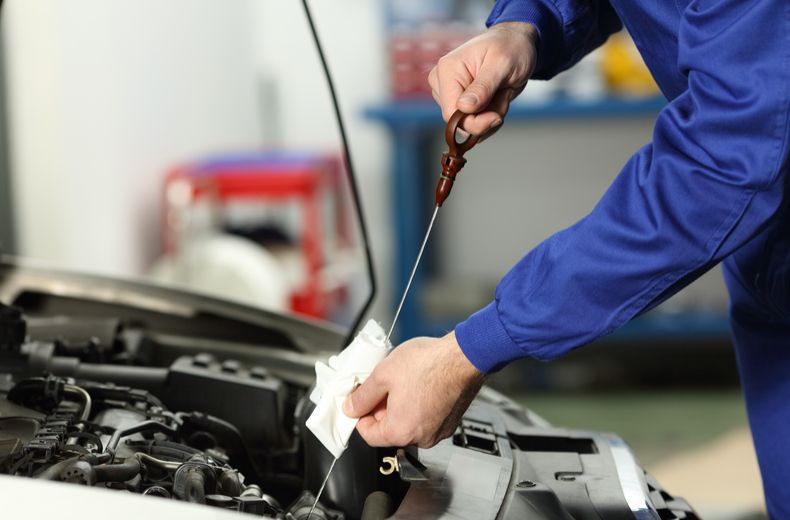
Checking car oil weekly is a good habit. Oil keeps the engine smooth. Oil levels can drop over time. Low oil can harm the engine. Harm can be costly. Use a dipstick to check oil levels. Pull it out. Wipe it clean. Dip it back in. Check the level. Add more oil if needed. Ensure oil is clean and not dark. Dark oil needs changing. Regular checks prevent engine problems.
A monthly oil check is also wise. Look for leaks around the engine. Leaks can lower oil levels. Check oil color and smell. Fresh oil is usually golden. Burnt smell means oil is old. Changing old oil is important. Old oil can damage engine parts. Check the oil filter too. Clean filters help maintain oil quality. Proper monthly inspections keep the car running well.
DIY Oil Check Techniques
First, park the car on a flat surface. Turn off the engine and let it cool. Open the car hood and find the dipstick. Pull it out carefully. Wipe it clean with a cloth. Insert the dipstick back fully. Pull it out again. Check the oil level on the stick. Ensure it’s between the marked lines. If below, add oil soon.
Oil color can say a lot. Clear brown oil is fresh and good. Dark brown means it’s time to change. Black oil is very old or dirty. Milky oil can show a problem with the engine. Always check the color with a clean cloth. Understanding color helps keep the engine healthy.
Professional Oil Check Services
Mechanics know a lot about cars. They check your car’s oil with care.
They find problems fast. This keeps your car safe. Mechanics use special tools.
These tools are not at home. Mechanics check for leaks too. Leaks can be dangerous.
They also check the oil color. Dark oil needs a change. Clean oil is good.
Regular checks keep your car happy. It also saves money.
Oil checks have a cost. Visiting a mechanic can be expensive.
Prices can be different. Some places charge more. Others are affordable.
Checking oil at home is cheaper. You need tools and time.
Mechanics can find problems early. Fixing problems later can cost more.
Spending now can save big money later.
Effects Of Delayed Oil Checks
Delaying oil checks can lead to serious engine damage. Oil keeps parts moving smoothly. Without it, parts can grind and wear out. This can cause permanent damage. Fixing this is often very costly. It’s like a doctor not checking your health. Small problems grow big fast.
Oil helps the engine run well. Without regular checks, the engine might not perform as it should. A lack of oil can make the car slow and less efficient. It can also cause the car to make strange noises. These problems can lead to higher fuel costs. Checking oil often ensures the car runs smoothly.

Credit: www.mrcleancarwash.com
Tips For Maintaining Oil Quality
Choosing the right oil is very important for your car. Look at the car manual. It tells you which oil to use. Some cars need synthetic oil. Others use regular oil. Check for the oil’s thickness. This is called viscosity. It is shown as numbers, like 5W-30. Make sure to pick the right one. Good oil helps the car run well. It keeps the engine happy and strong.
Keep the oil safe by storing it correctly. Use a cool, dry place. Heat and sunlight can ruin the oil. Always close the oil cap tightly. This stops dirt from getting inside. Keep oil bottles upright. This way, they won’t leak. Old oil is not good for the car. Use fresh oil within a year. Good oil storage keeps your car in great shape.
Frequently Asked Questions
Should I Check My Oil When The Engine Is Hot Or Cold?
Check your oil when the engine is cold for accurate readings. A cold engine ensures settled oil levels. Park on level ground and wait several minutes after turning off the engine. This practice helps maintain optimal engine performance and prolongs vehicle life.
Always follow your vehicle’s manual for specific instructions.
Do You Check The Oil With The Car Running Or Not Running?
Check the oil with the car not running. Ensure the engine is off and cool for accurate readings. Use the dipstick to measure oil levels. This method provides a true reflection of the oil level. Regular checks maintain engine health and performance.
Do You Put Oil In A Car When It’s Hot Or Cold?
Add oil when the engine is cold or slightly warm. A hot engine can cause burns. Cold engines offer accurate oil level readings, ensuring you add the right amount. Always park on a level surface before checking or adding oil.
How Long To Let A Car Cool Before Checking The Oil?
Let the car cool for at least 10-15 minutes before checking the oil. This ensures accurate readings. Always park on a level surface to get the best results.
Conclusion
Checking your car’s oil is crucial for engine health. Regular checks prevent costly repairs. Morning checks offer the best accuracy. Oil levels can change daily. Monitor for leaks or unusual color. A clean dipstick means a healthy engine. Low oil can cause overheating.
Frequent checks save money and stress. Use a clean rag for dipstick checks. Follow your car manual for guidance. Every car is different. Don’t ignore oil warning lights. A little effort now prevents big problems later. Keep your engine running smoothly with routine oil checks.