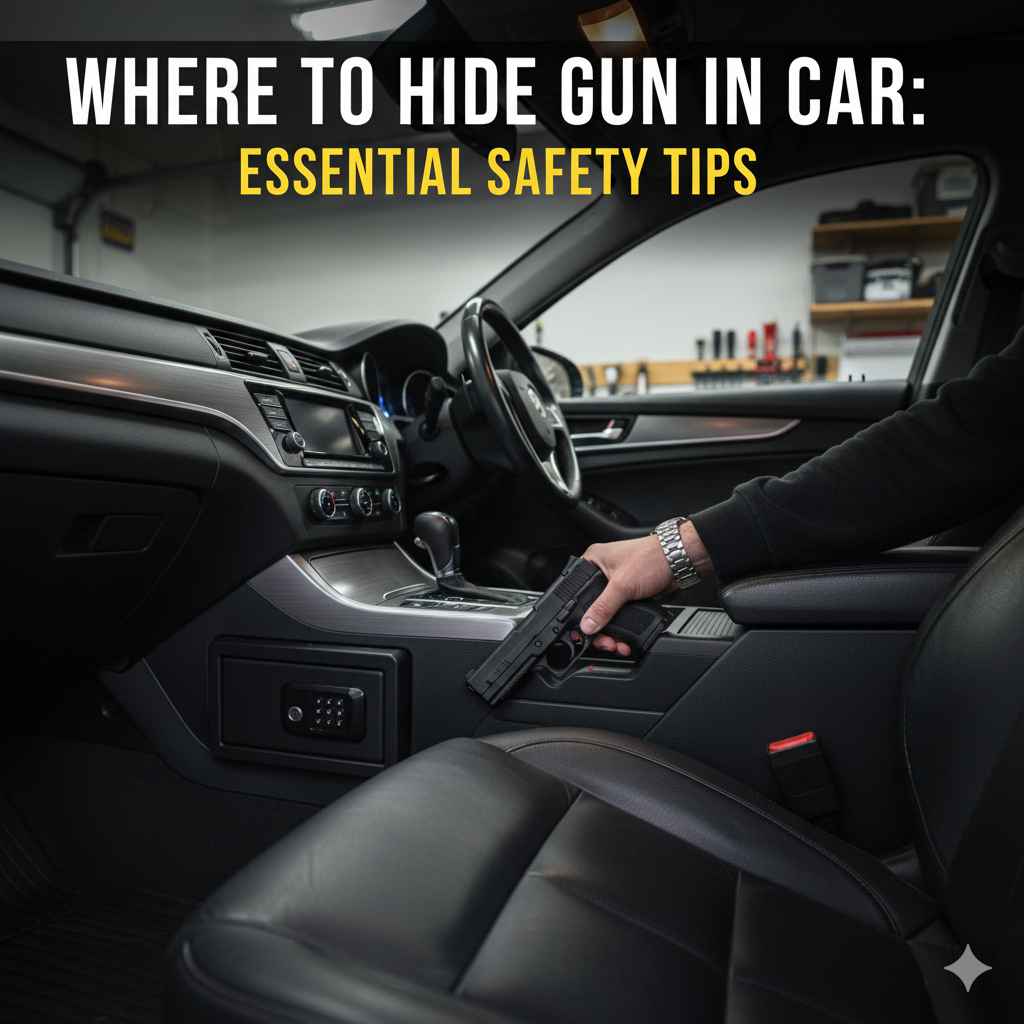
Where to Hide Gun in Car: Essential Safety Tips
Securely hiding a gun in your car requires prioritizing safety, legality, and accessibility. Explore options like locked gun cases, vehicle safes, or discreet compartments, always ensuring compliance with local laws and responsible gun ownership practices.
Keeping a firearm in your vehicle can provide peace of mind for some, but knowing where to store it safely and legally is crucial. It’s not just about concealment; it’s about preventing unauthorized access, especially by children, and ensuring you can access it if absolutely necessary. Many drivers feel unsure about the best methods. This guide will walk you through safe, legal, and smart ways to store a gun in your car, making the process clear and straightforward. We’ll cover everything from simple precautions to more advanced security measures.
Understanding Legal Considerations First
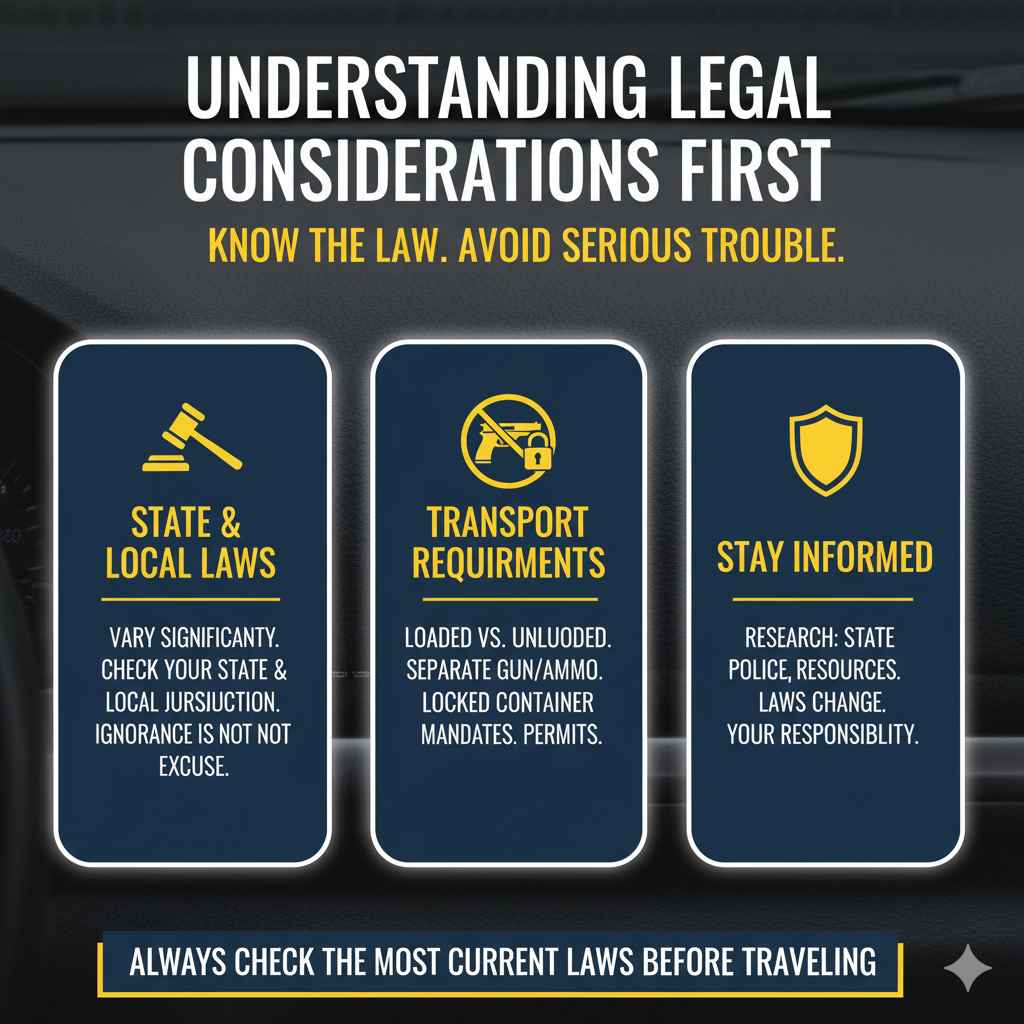
Before even thinking about where to stash your firearm, it’s vital to understand that laws regarding carrying and storing firearms in vehicles vary significantly. These laws differ not only from state to state but sometimes even by local jurisdiction. Ignoring these regulations can lead to serious legal trouble, from hefty fines to jail time. It’s your responsibility as a gun owner to be informed.
In many places, simply having a loaded firearm accessible in your vehicle is illegal. You might need specific permits, and the firearm might need to be unloaded and stored separately from its ammunition. Some states have laws about whether the gun must be in a locked container.
For example, states like New Mexico have specific statutes addressing firearms in vehicles, requiring them to be unloaded and cased. Always check the most current laws for your state and any state you plan to travel through with your firearm. The Bureau of Alcohol, Tobacco, Firearms and Explosives (ATF) also provides resources and information on federal laws.
Key Principles for Storing a Gun in Your Car
No matter where you decide to store your firearm, certain principles should always guide your decision. These are non-negotiable for responsible gun ownership and aim to prevent accidents and misuse.
- Safety First: The primary goal is to prevent unauthorized access, especially by children or individuals who shouldn’t handle a firearm.
- Legal Compliance: Ensure your storage method strictly adheres to all federal, state, and local laws. Ignorance of the law is not a defense.
- Security: The chosen location should deter theft and protect the firearm from the elements.
- Accessibility (if needed): While security is paramount, you should be able to access the firearm safely and quickly if the situation warrants legal self-defense.
- Discretion: The storage should not draw attention or suggest the presence of a firearm.
Common Misconceptions and What to Avoid
Many people think a gun hidden under a seat or in a glove compartment is safe. Unfortunately, these are often the first places a thief or an unauthorized person might look.
- Glove Compartment: Usually unlocked or easily forced open. Not secure.
- Under a Seat: Easily visible from the outside if the car is a mess, and accessible if the door is unlocked.
- Trunk (unsecured): While separated from the cabin, many car trunks can be accessed from the interior, or if the car is broken into, the trunk is often targeted. It’s also typically the first place thieves look for valuables.
- In a Plain Bag on a Seat: Makes it look like any other valuable item.
Safe Storage Solutions for Your Vehicle
There are several reliable ways to store a firearm in your car. The best option for you will depend on your vehicle, your budget, and your specific needs for security and accessibility.
1. Locking Gun Cases
A locking gun case is a fundamental security measure. These cases are designed to secure firearms and come in various types.
- Hard-Sided Cases: Typically made of durable plastic or metal, these offer excellent protection against impacts and have strong locking mechanisms (key or combination). They are ideal for transporting firearms to and from a range or hunting but can also be secured within a vehicle. Many have foam interiors to prevent the firearm from shifting.
- Soft-Sided Cases: While less protective against blunt force, many come with integrated locking loops for a separate padlock. They offer basic concealment and can be useful if paired with other security measures.
When using a locking gun case, remember that it should be secured within the vehicle so it cannot be easily removed. Some cases have tethering loops, allowing you to secure them to a seat or a fixed point in the car.
2. Vehicle Gun Safes
For a higher level of security, consider a dedicated vehicle gun safe. These are more robust than simple locking cases and are designed to be permanently installed in your vehicle.
Types of Vehicle Gun Safes:
- Under-Seat Safes: These are designed to fit snugly beneath the driver or passenger seat. They are often made of heavy-gauge steel and can be locked with a key, combination, or even biometric fingerprint scanner.
- Console Safes: Many modern cars have a center console. Safes designed for these areas provide excellent concealment as they are integrated into the vehicle’s existing structure.
- Trunk Safes: Larger, more permanent safes can be bolted into the trunk for maximum security. These are less accessible but provide superior protection against theft.
Installation of vehicle gun safes often requires drilling into the vehicle’s frame or floor. If you’re not comfortable with DIY installation, a professional installer can ensure it’s securely mounted. Reputable brands like Homeland Security Store offer a range of options.
3. Discreet Concealment Compartments
Some vehicles come with hidden compartments from the factory, and aftermarket solutions can add even more. These are designed to blend in with the car’s interior, making them harder to detect.
- Factory-Installed Compartments: Certain SUVs and trucks have hidden compartments built into the floor, under rear seats, or within door panels. Check your vehicle’s owner’s manual.
- Aftermarket Compartments: Companies offer solutions like false floor panels in the trunk, hidden compartments behind license plates (for items like cash or documents, not usually firearms), or custom panels that replace existing car trim.
The key with these compartments is that they should not be obvious. They need to look like a normal part of the car’s interior.
4. Quick-Access Storage Solutions (with caution)
If rapid access is a priority for self-defense purposes, specialized quick-access storage options exist. However, these must be balanced against security risks.
- Lockdown USA makes a Quick Access Vehicle Safe that mounts under the seat and offers biometric access.
- GunVault offers various handgun safes with quick fingerprint or keypad access, designed for discreet placement in a console or under a seat.
These systems are designed to resist tampering but provide faster access than traditional safes. It’s essential to ensure the locking mechanism is robust and that the safe is securely mounted.
Secure Placement within the Vehicle
Beyond the type of container, the location within your car matters significantly.
Under the Seat Safes
- Pros: Convenient, often out of sight, can be quite secure if firmly bolted.
- Cons: Can be a target if visible from the outside, might reduce legroom slightly, installation can sometimes be tricky.
Ensure the safe is bolted to the floor pan or seat frame, not just the carpet, to prevent it from being pried out.
Console Safes
- Pros: Excellent concealment, often integrated into the car’s design, relatively secure.
- Cons: Limited space, might require modifying the existing console, installation can vary in difficulty.
Look for safes that fit your specific car model for a cleaner installation.
Trunk Storage
- Pros: Generally out of sight, offers more space for larger safes.
- Cons: If the car is broken into, the trunk is often the first place checked. Access from the cabin can be a vulnerability.
If using the trunk, consider a safe bolted to the vehicle’s chassis, and ensure any pass-through from the cabin is secured or non-existent.
Hidden Compartments
- Pros: Highest level of concealment if done well.
- Cons: May offer less physical security compared to robust metal safes, limited space, can be difficult to access quickly.
These are often best for firearms you don’t need immediate access to, or as a secondary layer of security.
Installation and Mounting Best Practices
A gun safe is only as good as its installation. A poorly mounted safe can be broken into or removed from the vehicle entirely.
- Bolting is Key: Always bolt safes directly to the metal frame of the vehicle. Use strong, tamper-resistant hardware where possible.
- Location, Location, Location: Choose a spot that is not easily visible from the outside. Avoid direct sunlight, which can heat the interior of the safe.
- Smooth Operation: Ensure the safe does not interfere with the normal operation of the car’s seats, pedals, or other mechanisms.
- Professional Installation: If you’re unsure about your DIY skills, consider professional installation. Many car audio or security shops can install vehicle safes.
Table: Comparing Vehicle Gun Storage Options
Here’s a quick comparison to help you decide which option might be best for you.
| Storage Method | Pros | Cons | Best For |
|---|---|---|---|
| Locking Gun Case (Soft/Hard) | Portable, relatively inexpensive, good basic security. | Can be stolen if not secured, less robust than safes. | Transporting, users prioritizing portability. |
| Under-Seat Safe | Discreet, convenient access, good security if bolted. | Limited space, can be less secure if not properly mounted. | Everyday carry, users prioritizing accessibility. |
| Console Safe | Excellent concealment, integrated into cabin. | Limited space, installation can be complex. | Users prioritizing discreet storage within cabin. |
| Trunk Safe | High security, more space, out of sight. | Less accessible, requires proper mounting. | Storing multiple firearms, those prioritizing maximum security. |
| Hidden Compartment | Maximum concealment. | Variable physical security, can be hard to access. | Those prioritizing stealth over rapid access. |
Carrying Your Firearm Legally
It’s important to distinguish between storing a firearm and carrying a concealed or open firearm.
- Concealed Carry Permits: If you plan to carry a firearm on your person, you will likely need a concealed carry permit. The laws for obtaining and using these permits vary greatly by state. Organizations like the U.S. Concealed Carry Association (USCCA) offer extensive resources on state laws and permit requirements.
- Legal Storage During Transport: Even with a permit, many states require that an unloaded firearm be stored in a locked container when not on your person. This often means the firearm must be in a locked case, separate from ammunition, and stowed in a location like the trunk.
- Reciprocity: Be aware of reciprocity agreements between states. If you have a permit from your home state, it might not be valid in other states you travel to.
Always err on the side of caution and assume strict legal storage requirements apply when transporting firearms, even if you have a carry permit.
Maintaining Your Firearm While Stored
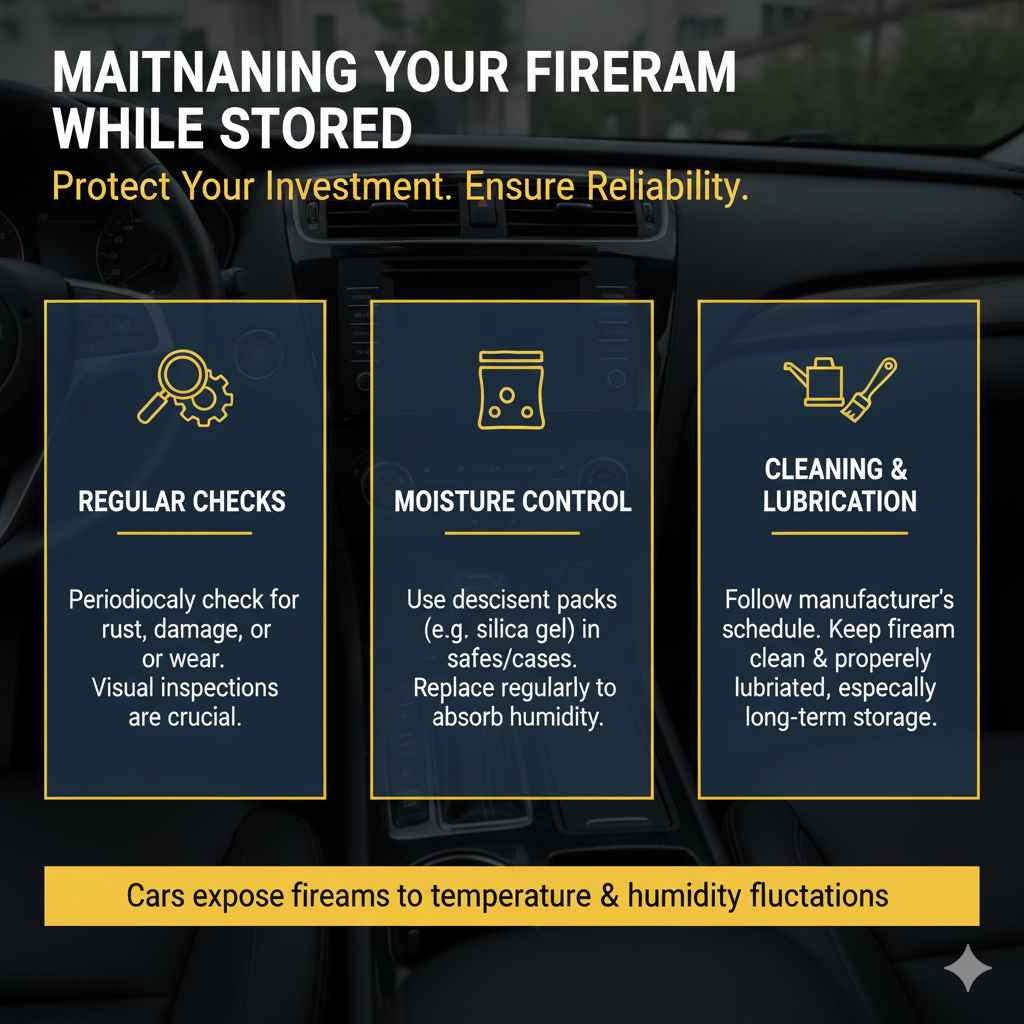
Cars can expose firearms to temperature fluctuations and humidity, which can lead to corrosion.
- Regular Checks: Periodically check your firearm for rust or damage.
- Desiccant Packs: Consider placing a small desiccant pack (like silica gel) inside your gun safe or case to absorb moisture. Replace them regularly as they become saturated.
- Cleaning: Follow recommended cleaning and lubrication schedules for your specific firearm, especially if it is stored for extended periods.
Frequently Asked Questions (FAQ)
Q1: Do I really need a special safe to store a gun in my car?
A1: While not always legally mandated for every situation, a dedicated vehicle gun safe or a securely locked gun case is highly recommended. It significantly enhances security, prevents unauthorized access, and helps comply with many state laws. It’s a crucial step for responsible gun ownership.
Q2: Can I store a loaded gun in my car?
A2: In most states, storing a loaded gun in a vehicle is illegal and extremely dangerous. Laws typically require firearms to be unloaded and sometimes separated from ammunition when transported. Always check your local and state laws before storing any firearm in your car. It’s much safer to keep it unloaded.
Q3: What’s the best place to hide a gun in my car if I don’t have a safe?
A3: If you don’t have a safe, the safest method is to use a sturdy, lockable gun case. This case should be placed in the trunk or securely fastened in a less-accessible part of the cabin, like under a seat, and ideally out of plain sight. Avoid leaving it or any firearm visible in the passenger compartment.
Q4: What if I travel to another state with my firearm?
A4: Firearm laws vary dramatically. When traveling to another state, you must comply with that state’s laws regarding transport and storage. Research these laws thoroughly before your trip. The Firearms Policy Coalition offers resources for understanding interstate firearm laws.
Q5: Are there dangers of storing a gun in a hot car?
A5: Yes, extreme heat can affect certain firearm components, such as lubricants, and can be dangerous if a loaded firearm is accidentally discharged due to heat expansion. Also, ammunition can be damaged by prolonged exposure to high temperatures. Storing firearms in a secured, temperature-controlled environment within your vehicle, or ideally not leaving them in the car for extended periods in extreme weather, is best.
Q6: What’s the difference between a vehicle gun safe and a home gun safe?
A6: Vehicle gun safes are typically smaller and designed to be mounted within a car’s interior (under seats, in consoles). They prioritize secure, concealed storage and often offer quicker access. Home gun safes are usually larger, more robust, and designed for stationary security in a home environment, offering greater fire and burglary protection over longer periods.
Q7: How do I ensure my car’s manufacturer warranty isn’t voided by installing a gun safe?
A7: Most manufacturers’ warranties cover defects in materials and workmanship. While drilling holes for mounting a safe will create permanent modifications, it typically doesn’t void the entire vehicle warranty unless the modification directly causes a failure in a covered component. However, it’s always wise to consult your vehicle’s warranty documentation or your dealership for specific concerns.
Conclusion
Storing a firearm in your vehicle responsibly is a serious undertaking that requires careful planning and attention to detail. It’s not just about finding a hidden spot; it’s about implementing a layered approach to security that prioritizes safety, legal compliance, and deterrence against theft and unauthorized access.
By understanding the legal landscape, choosing the right storage solution – whether it’s a robust vehicle safe or a securely locked case – and ensuring proper installation, you can significantly reduce risks. Remember to always keep your firearm unloaded unless facing a legally justified immediate threat, and never leave it unattended in a way that compromises its security.
Being a responsible gun owner means taking every precaution to ensure your firearm is stored safely, legally, and securely, whether at home or in your vehicle. Taking the time to research and implement the best practices outlined here will give you confidence and peace of mind.