Where To Rent A Car For Road Test: Essential Guide
Need to rent a car for your driving test? This guide makes it simple! You can rent from major rental companies (with specific rules), specialized driving school vehicles, or even ask friends or family to borrow their car. We’ll break down your best options, what to look for, and how to ensure you’re ready for test day with the right wheels.
Getting your driver’s license is a huge milestone! One step that can sometimes feel a bit tricky is figuring out what car to use for your road test. Maybe your family car isn’t available, or you’re borrowing a friend’s vehicle and aren’t sure if it meets official requirements. It’s a common question for new drivers, and it can feel like another hurdle to jump. But don’t worry! Finding a suitable car for your road test doesn’t have to be complicated. We’ll walk you through the various places you can rent or secure a car for your big day, making sure you have all the information you need to pass with confidence.
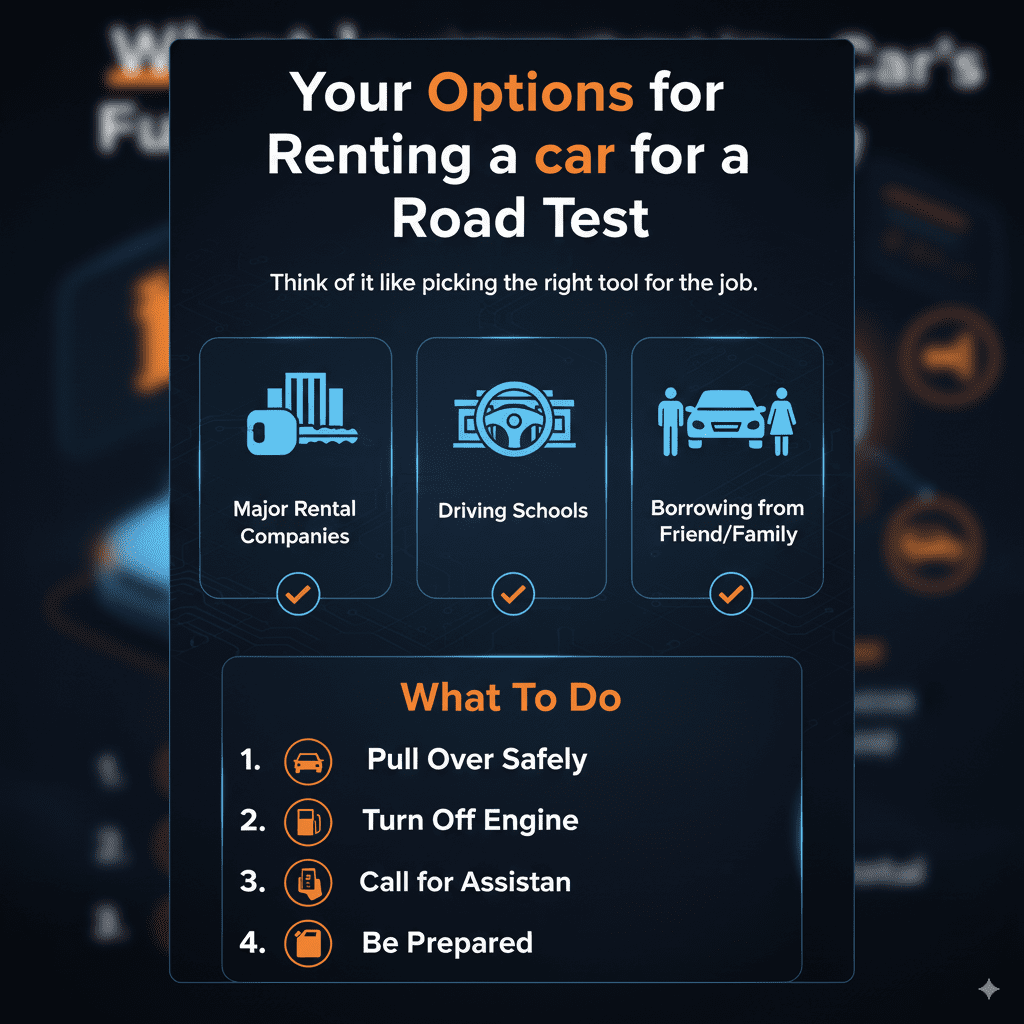
Your Options for Renting a Car for a Road Test
When it comes to securing a vehicle for your driving test, you have a few main avenues to explore. Each has its own set of advantages and requirements, so it’s good to know your choices. Think of it like picking the right tool for the job – you want one that fits the task perfectly!
Here are the most common places and ways you can get a car for your road test:
1. Major Car Rental Companies
You might be surprised to learn that some of the big names in car rental do allow you to use their vehicles for a driving test. However, this isn’t a universal policy, and it often comes with specific conditions. It’s crucial to check with the rental company directly before booking, as many have restrictions.
Which Companies Might Allow It?
Companies like Hertz, Avis, Enterprise, and Budget are popular choices for general car rentals. While they don’t typically advertise “road test rentals,” some branches or policies may permit it under certain circumstances. The key is always to be upfront with them about your intentions.
Key Things to Check with Rental Companies:
- Specific Policy: Ask directly if their cars can be used for a driving test. Some might say no outright due to insurance or vehicle requirements.
- Driver Requirements: You’ll need to meet their age and licensing requirements. For road tests, you usually need a learner’s permit or a temporary license, and proof of passing the written test.
- Vehicle Type: Ensure the car you rent is suitable for the test. It needs to be roadworthy, have functioning signals, brakes, mirrors, and a horn. Most standard sedans will be fine.
- Insurance: Understand the insurance coverage provided. You’ll need to be confident it meets any requirements your testing center might have.
- Pick-up/Drop-off Location: Plan how you’ll get to and from the rental location and the testing center.
Tip: Many rental companies require renters to be at least 21 or 25 years old, though some offer options for younger drivers with additional fees. Always clarify this when making your inquiry.
2. Driving Schools and Instructors
This is often the most straightforward and reliable option for many new drivers, especially those who have already taken lessons. Driving schools are set up specifically to help students pass their tests, and using their vehicle is part of that service.
Why Choose a Driving School Car?
- Familiarity: If you’ve been taking lessons, you’ll be familiar with the car’s handling and features.
- Dual Controls: Professional driving school cars often have dual controls (an extra set of pedals for the instructor), which can offer peace of mind, though the test examiner won’t use them.
- Road-Worthy and Insured: These vehicles are regularly maintained and properly insured for driving tests. The school will know exactly what the testing center requires.
- Convenience: Many schools offer pick-up and drop-off services from your home or the testing center, making the logistics much easier.
- Expert Guidance: Your instructor can offer last-minute tips and reassurance right before the test.
How to Arrange It:
Simply contact your driving instructor or the driving school you’re working with. Most will have a process for booking a car for the test, often including a practice session beforehand. You’ll typically pay a fee that covers the car usage, the instructor’s time, and sometimes even transport to the test center.
3. Borrowing a Friend or Family Member’s Car
If you have a supportive friend or family member with a suitable car, borrowing it is a great way to save money. However, this route requires careful planning and verification to ensure the car meets all the necessary standards.
What You Need to Verify:
- Ownership and Licensing: The car must be registered and insured. You’ll often need to provide proof of insurance, and sometimes the owner might need to accompany you to the testing center.
-
Vehicle Condition: The car must be in excellent working order. This includes:
- Working headlights, taillights, brake lights, and turn signals.
- Functional windshield wipers and washers.
- A clean and clear windshield and mirrors.
- A working horn.
- Adequate tire tread.
- No warning lights illuminated on the dashboard.
- Insurance Coverage: The vehicle’s insurance policy must cover other drivers, or you may need to be specifically added as a driver for the test. Check the policy details carefully.
- Testing Center Rules: Some testing centers have specific requirements for privately-borrowed vehicles. It’s essential to check their website or call ahead. For example, the Kansas DMV, like many others, requires vehicles to be properly registered.
Steps to Take:
- Talk to the Owner: Have a clear conversation about borrowing the car.
- Check Requirements: Research your local Department of Motor Vehicles (DMV) or equivalent’s requirements for test vehicles. A quick search for “[Your State] DMV road test vehicle requirements” should yield results. For instance, the Federal Motor Carrier Safety Administration (FMCSA) provides regulations that can give you an idea of vehicle safety standards, although specific state rules apply for personal licensing tests.
- Gather Documents: Ensure you have the vehicle’s registration and proof of insurance ready.
- Practice: Practice driving the car to get comfortable with its size, braking, and acceleration.
Preparing the Car for Your Road Test
Regardless of where you rent or borrow your car from, ensuring it’s in top shape for the test is vital. The examiner needs to see that you can operate a safe and properly functioning vehicle. Think of this as a quick check to make sure everything is in order, just like tidying up your room before guests arrive!
Pre-Test Car Checklist:
- Cleanliness: Both the interior and exterior should be clean. A tidy car shows respect for the examiner and the vehicle. Clear out any clutter from the dashboard, seats, and floor.
- Fuel Level: Make sure the car has enough fuel to complete the test. Being stranded isn’t a good look!
- Mirrors: Adjust the rearview mirror and side mirrors so you have clear visibility. Ensure the examiner can also see clearly.
- Seatbelt: Know how to adjust your seatbelt and ensure it’s easily accessible.
- Lights and Signals: Test all lights (headlights, brake lights, turn signals) and the horn. Make sure they work correctly.
- Brakes: Confirm the brakes feel firm and responsive.
- Tires: Check that tires are properly inflated and have sufficient tread depth.
What to Bring on Test Day (Besides the Car!)
Having the right car is essential, but so is having all your required documentation. This is crucial for ensuring you can even start the test. Always double-check with your local licensing authority for the most up-to-date list of required documents.
Required Documents Typically Include:
- Proof of Identity: Such as a birth certificate or passport.
- Learner’s Permit or Provisional License: The one that allows you to practice driving.
- Vehicle Registration: For the car you are using.
- Proof of Insurance: The current insurance card for the vehicle.
- (Sometimes) Proof of Ownership: Depending on the jurisdiction and if you’re using a personal vehicle.
Note: If you are using a rental car, you may need to provide the rental agreement as well. If borrowing a friend or family member’s car, make sure the owner’s name is on the insurance or that you have a letter of permission.
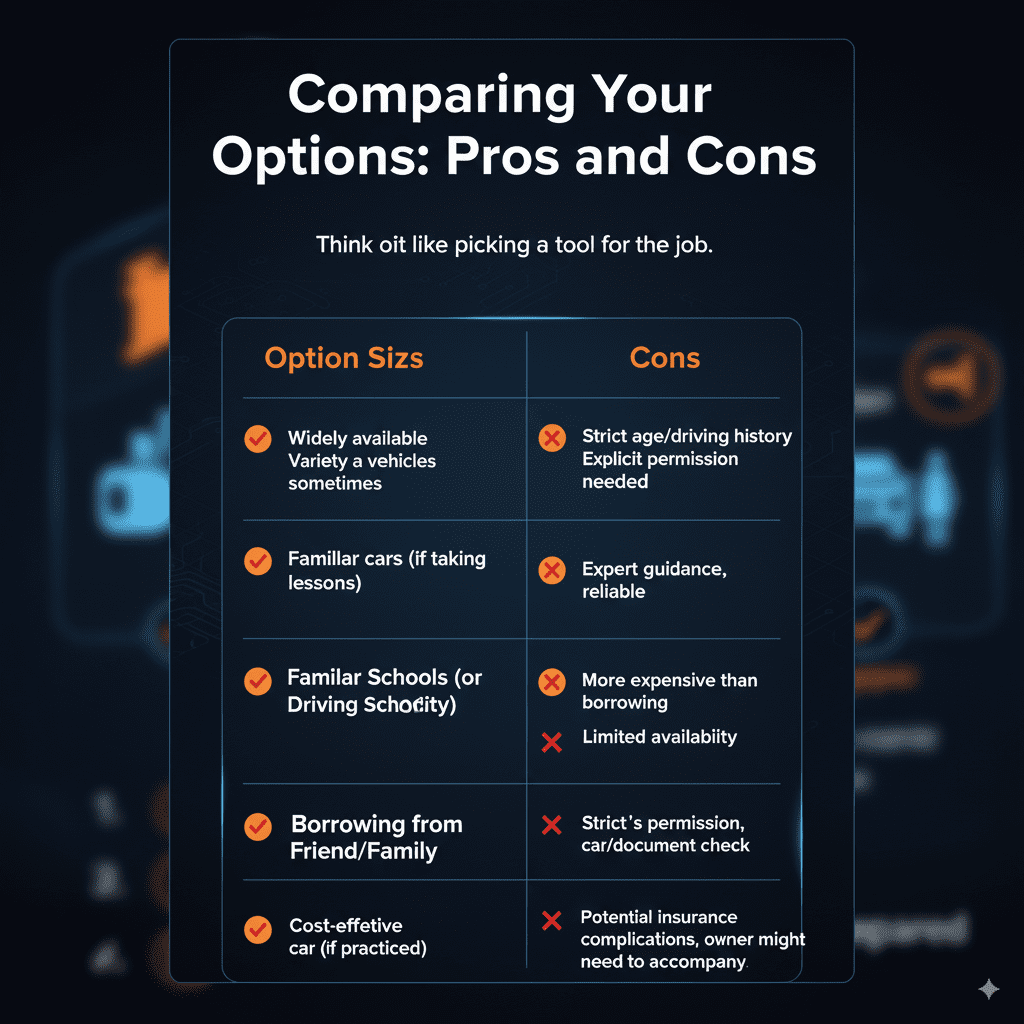
Comparing Your Options: Pros and Cons
To help you decide which route is best for you, here’s a quick look at the advantages and disadvantages of each option:
| Option | Pros | Cons |
|---|---|---|
| Major Rental Companies | Widely available, variety of vehicles sometimes. | Strict age/driving history rules, explicit permission needed, can be costly, potential restrictions on use. |
| Driving Schools | Familiar cars (if taking lessons), dual controls (peace of mind), expert guidance, reliable. | Can be more expensive than borrowing, availability might be limited during peak times. |
| Borrowing from Friend/Family | Cost-effective, familiar car (if you’ve practiced in it). | Requires owner’s permission, strict check of car condition and documents, potential insurance complications, owner might need to accompany you. |
Frequently Asked Questions (FAQs)
Q1: Can I use my driving instructor’s car for the road test?
Yes, absolutely! This is a very common and often recommended option. Driving instructors are familiar with the requirements and ensure their vehicles are well-maintained and suitable for the test. They can also provide last-minute advice.
Q2: What if my state’s DMV has special requirements for test cars?
It’s essential to check your local Department of Motor Vehicles (DMV) or equivalent licensing authority website. They will list specific vehicle requirements, such as the need for functioning signals, adequate mirrors, and proper registration and insurance. Always verify these in advance.
Q3: Are there age restrictions for renting a car for a road test?
Yes, major rental companies typically have age restrictions, usually requiring renters to be 21 or 25 years old. If you are younger, you might face additional fees or restrictions. Driving schools or borrowing a family car may be better options if you are under 21.
Q4: What kind of paperwork do I need if I borrow a car from a friend?
You’ll usually need the car’s valid registration and proof of insurance. It’s also a good idea to have a letter of permission from the owner, and confirm with the testing center if they require the owner to be present or if the insurance needs to explicitly cover you as a driver.
Q5: Can I use a car with manual transmission if the test center only has automatic cars?
Most testing centers will allow you to take the test in either a manual or automatic transmission vehicle. However, if you learn and take your test in an automatic, your license will be restricted to driving automatic cars only. If you learn in a manual, you can drive both. Always clarify this with your local DMV.
Q6: What if the car I rented has a “check engine” light on?
A “check engine” light, or any illuminated warning light on the dashboard, can lead to your car being disqualified for the test. Ensure the car you use is in perfect working order with no warning lights illuminated. If you’re renting, double-check this before you head to the test center.
Making the Right Choice for Your Test Day
Choosing the right car for your road test is more than just having wheels; it’s about having a vehicle that’s reliable, compliant with regulations, and makes you feel confident. Whether you opt for the structured support of a driving school, the potential cost-savings of a borrowed vehicle, or navigate the policies of major rental companies, the key is thorough preparation and clear communication.
Remember to always verify the specific requirements of your local testing center and the policies of any rental company you consider. Your driving test is an important step, and by ensuring you have the right car and all your documents in order, you’re setting yourself up for success. Drive safely, practice diligently, and good luck on your test!