Which One Is the Brake in a Car? A Comprehensive Guide for New Drivers
Hey there! If you’re new to driving or just curious about how a car works, you’ve probably wondered, “Which one is the brake in a car?” It’s a simple question, but one that’s super important to get right. I remember when I first sat behind the wheel, feeling a mix of excitement and nerves, trying to figure out which pedal was which. Don’t worry—I’ve got you covered! In this article, I’ll walk you through everything you need to know about the brake pedal, how it works, and why it’s so critical for safe driving. I’ve spent years exploring cars, from driving stick shifts to automatics, and I’m excited to share my insights in a way that’s easy to understand, whether you’re a beginner or just brushing up on the basics. Let’s dive in and make sense of the brake pedal, along with other key aspects of driving safely.
Understanding the Pedals in a Car
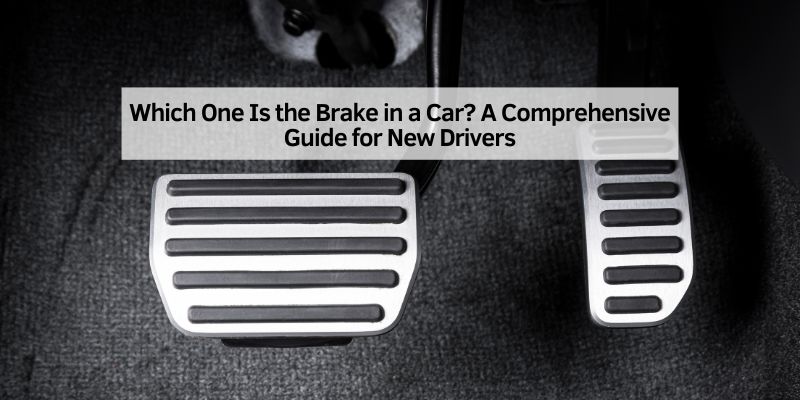
When you first hop into the driver’s seat, the pedals at your feet can feel a bit overwhelming. Most cars have two or three pedals, depending on whether they’re automatic or manual. Let’s break it down. In an automatic car, you’ll typically see two pedals: the accelerator (or gas pedal) and the brake. In a manual car, there’s a third pedal called the clutch. Since the question is about the brake, let’s focus there first.
The brake pedal is the one that slows down or stops your car. In both automatic and manual cars, it’s usually the pedal in the middle or to the left of the accelerator. If you’re driving an automatic, it’s the pedal on the left. If you’re in a manual, it’s the middle pedal, with the clutch on the far left and the accelerator on the right. I remember my driving instructor drilling this into me: “Brake in the middle, gas on the right.” It stuck with me, and it’s a simple way to keep things straight.
To make it even clearer, here’s a quick table to show the pedal layout:
| Car Type | Left Pedal | Middle Pedal | Right Pedal |
|---|---|---|---|
| Automatic | Brake | None | Accelerator |
| Manual | Clutch | Brake | Accelerator |
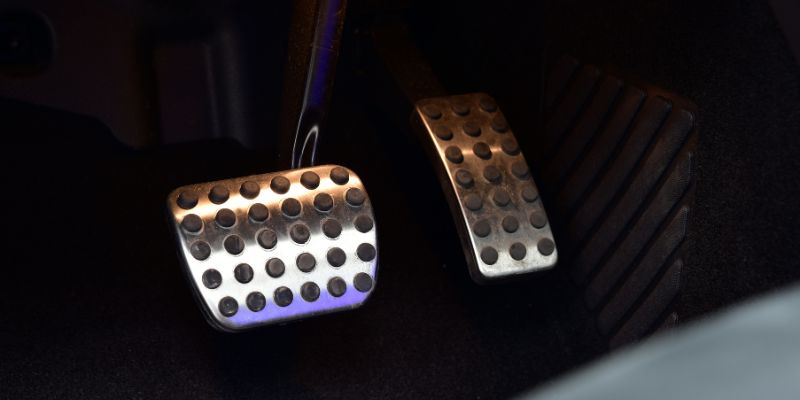
The brake pedal is your best friend when it comes to controlling your car safely. Pressing it slows your car down or brings it to a complete stop. It’s designed to be easy to reach with your right foot, and it’s usually wider than the accelerator to help you feel the difference.
Why Knowing the Brake Pedal Is So Important
You might be thinking, “Okay, I know where the brake is, but why does it matter so much?” Well, let me tell you—understanding the brake pedal can literally be a lifesaver. When I started driving, I had a close call at a busy intersection because I hesitated on the brake. That moment taught me how critical it is to know exactly where it is and how to use it confidently.
The brake pedal controls your car’s ability to stop, which is essential for avoiding collisions, navigating traffic, and keeping everyone safe. Whether you’re stopping at a red light, slowing down in traffic, or reacting to a sudden obstacle, the brake is your go-to tool. It’s not just about pressing it—it’s about knowing how much pressure to apply and when. Too little pressure, and you might not stop in time; too much, and you could jolt your passengers or skid.
Another reason it’s so important is that every car feels a bit different. I’ve driven everything from compact sedans to hefty SUVs, and the brake pedal’s sensitivity varies. Some cars stop with a light tap, while others need a firmer push. Getting familiar with your car’s brake pedal is key to driving smoothly and safely.
How the Brake Pedal Works
Now, let’s get into the nuts and bolts of how the brake pedal actually stops your car. I find this part fascinating because it’s like a little engineering marvel under your foot. When you press the brake pedal, you’re activating a system that slows or stops your car’s wheels. Here’s how it works in simple terms.
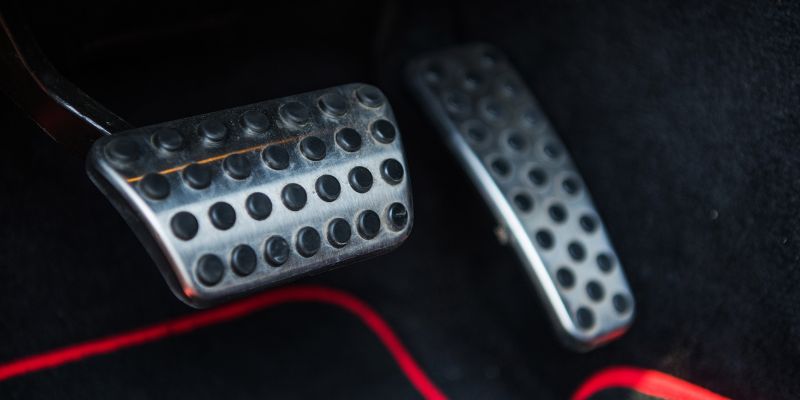
Your car has a braking system, usually hydraulic, that uses fluid to transfer the force from your foot to the brakes. When you push the brake pedal, it sends brake fluid through lines to the brake pads or shoes, which press against the wheels (or rotors in disc brakes) to create friction. This friction slows the wheels down, and voilà—your car slows or stops.
In modern cars, you might also have features like anti-lock braking systems (ABS). I remember the first time I felt my ABS kick in during a sudden stop on a wet road. The pedal pulsed under my foot, which was a bit startling, but it helped me stop safely without skidding. ABS prevents your wheels from locking up, so you can still steer while braking hard. Pretty cool, right?
Some newer cars also have brake-by-wire systems, where electronics help control the braking. These can feel different, with a smoother or more responsive pedal. No matter the system, the brake pedal’s job is the same: to give you control over stopping your car.
Common Mistakes New Drivers Make with the Brake
When I was learning to drive, I made plenty of mistakes with the brake pedal—and I’ve seen others do the same. One of the biggest mix-ups is confusing the brake with the accelerator. It sounds silly, but it happens, especially when you’re nervous. I once accidentally tapped the gas instead of the brake at a stop sign, and let’s just say my instructor wasn’t thrilled. To avoid this, always take a moment to familiarize yourself with the pedal layout before driving a new car.
Another common mistake is “riding the brake,” which means keeping your foot lightly on the brake pedal while driving. I used to do this without realizing it, thinking it would help me stop faster. But it can wear out your brakes faster and confuse other drivers if your brake lights are always on. Instead, keep your foot off the brake unless you need to slow down or stop.
Slamming on the brakes too hard is another one. I learned this the hard way when I braked too aggressively and sent my coffee cup flying. Hard braking can cause skids, especially in wet or icy conditions, and it’s tough on your car’s brake system. The key is to brake smoothly and gradually whenever possible.
Tips for Using the Brake Pedal Like a Pro
Over the years, I’ve picked up some tricks for using the brake pedal effectively, and I’m happy to share them with you. First, always keep your right foot ready to move between the accelerator and brake. This helps you react quickly without fumbling. In a manual car, your left foot handles the clutch, so your right foot still does the brake and gas.
Practice smooth braking. When you’re coming to a stop, ease into the pedal rather than stomping on it. This makes the ride more comfortable for your passengers and saves wear on your brakes. I like to think of it as “feathering” the pedal—gentle and controlled.
Another tip is to anticipate when you’ll need to brake. When I’m driving in traffic, I watch the cars ahead and ease off the gas early if I see brake lights. This gives me more time to brake smoothly instead of reacting at the last second. It’s like giving yourself a little buffer.
If you’re driving a manual car, you’ll need to coordinate the brake with the clutch. When stopping, press the clutch first to disengage the gear, then apply the brake. It took me a few tries to get the hang of this, but once you do, it feels like second nature.
Finally, get to know your car’s brakes. Spend some time in a parking lot practicing stops at different speeds. This helped me build confidence and understand how my car responds. Every car is unique, so this practice can make a big difference.
Brake Pedal Variations Across Vehicles
Not all brake pedals are created equal, and I’ve noticed this firsthand driving different types of cars. In compact cars, the brake pedal is often light and responsive, making it easy to stop quickly. In larger vehicles like trucks or SUVs, the pedal might feel heavier, requiring more pressure. I once rented a pickup truck for a move, and the brake pedal felt like it needed a good push compared to my sedan.
Electric and hybrid cars can be a bit different too. Many have regenerative braking, which uses the electric motor to slow the car and recharge the battery. When I test-drove a hybrid, I noticed the brake pedal felt softer because the regenerative system was doing some of the work. It took a little getting used to, but it’s a cool feature once you understand it.
Some high-performance cars have stiffer brake pedals for precise control, which can feel intense if you’re not used to it. On the flip side, older cars might have softer or spongy brake pedals, which could mean they need maintenance. If your brake pedal feels off, it’s always worth getting it checked by a mechanic.
Maintaining Your Car’s Brake System
Speaking of maintenance, keeping your brake system in top shape is crucial. I learned this the hard way when my brakes started squeaking during a road trip. It was a sign that my brake pads were wearing thin, and I’m glad I got it fixed before it became a bigger issue.
Regularly check your brake fluid level, as it’s what makes your brakes work. Low fluid can make the pedal feel spongy or unresponsive. Most cars have a reservoir under the hood where you can check the level. If it’s low, top it up or have a mechanic take a look.
Brake pads and rotors also wear out over time. If you hear grinding or squealing noises when braking, or if the pedal feels different, it’s time for a checkup. I usually have my brakes inspected every year or so, just to be safe. It’s a small price to pay for peace of mind.
Emergency Braking: What to Do
Sometimes, you need to stop fast—like, really fast. I’ve had a few heart-pounding moments where emergency braking saved the day, like when a deer darted across the road. In those situations, knowing how to use the brake pedal properly is critical.
If you need to stop suddenly, press the brake pedal firmly and steadily. Don’t pump the brakes if you have ABS—it’s designed to handle rapid stops for you. Keep your eyes on the road and steer to avoid obstacles. In a manual car, press the clutch at the same time to prevent stalling.
Practice emergency stops in a safe place, like an empty parking lot, to get a feel for how your car responds. It’s not something you want to learn in the heat of the moment. Trust me, that practice can make you feel a lot more confident behind the wheel.
Teaching Others About the Brake Pedal
If you’re helping someone learn to drive, explaining the brake pedal is a great place to start. I’ve taught a few friends to drive, and I always begin with the pedals. Show them where the brake is and let them practice pressing it gently while the car is off. This builds muscle memory without the pressure of moving.
Encourage them to feel the difference between the brake and accelerator. I like to have new drivers tap each pedal lightly to get a sense of their positions. It’s also helpful to explain why the brake is so important and how it keeps them in control.
Patience is key. I remember how nervous I was as a new driver, and a calm instructor made all the difference. If they mix up the pedals, gently correct them and keep practicing. It’ll click eventually.
Conclusion
Wow, we’ve covered a lot about the brake pedal, haven’t we? From figuring out which pedal is the brake to understanding how it works and avoiding common mistakes, I hope you feel more confident about this essential part of driving. Knowing your brake pedal is like having a superpower—it gives you control, keeps you safe, and lets you enjoy the road with peace of mind. I’ve had my share of learning moments behind the wheel, and each one has made me a better driver. Whether you’re just starting out or brushing up on the basics, take the time to get comfortable with your car’s brakes. Practice, stay calm, and always keep safety first. Here’s to smooth stops and happy driving!
FAQs
Which Pedal Is the Brake in an Automatic Car?
In an automatic car, the brake pedal is the one on the left. The accelerator, or gas pedal, is on the right. It’s a simple setup, but it’s worth taking a moment to familiarize yourself with the feel of each pedal before you start driving.
How Do I Know If My Brake Pedal Is Working Properly?
Your brake pedal should feel firm but not too hard when you press it. If it feels spongy, goes all the way to the floor, or makes noises like grinding or squealing, it’s time to have your brakes checked by a mechanic. Regular maintenance helps keep them in good shape.
Can I Use My Left Foot for the Brake?
It’s best to use your right foot for both the brake and accelerator in most cars. Using your left foot for the brake can lead to confusion and slower reaction times. In manual cars, your left foot is needed for the clutch, so stick with your right foot for braking.
What Should I Do If I Accidentally Press the Gas Instead of the Brake?
If you press the gas by mistake, stay calm and lift your foot off the pedal immediately. Then, press the brake firmly to slow or stop the car. Practicing in a safe space, like a parking lot, can help you avoid this mix-up in the future.
How Can I Practice Braking Safely?
Find an empty parking lot and practice stopping at different speeds. Start slow, then try braking from higher speeds to get a feel for how your car responds. This builds confidence and helps you understand your brake pedal’s sensitivity.