Who Buys New Cars? Surprising Trends
Thinking about who buys new cars can feel a bit confusing, especially with all the different options out there today. It’s not always as simple as you might think. This topic, Who Buys New Cars?
Surprising Trends, might seem tricky at first, but don’t worry! We’re going to break it all down easily, step by step. You’ll get a clear picture of the people shaping the new car market and what’s making it interesting right now.
The Shifting Landscape Of New Car Buyers
The picture of who buys new cars is constantly changing. For a long time, the image might have been families needing practical vehicles or young professionals wanting the latest model. While those groups are still important, new demographics and changing priorities are reshaping the market.
It’s fascinating to see how different people are approaching the decision to buy a brand-new vehicle.
Several factors influence these shifts. Economic conditions play a huge role. When people feel financially secure, they are more likely to consider a new purchase.
Technology is another big driver. Features like advanced safety systems, better fuel efficiency, and connected car technology are becoming more desirable. Environmental concerns also push some buyers towards electric or hybrid options, which are typically newer models.
Generations Driving New Car Purchases
Different age groups have distinct reasons for buying new cars. Understanding these generational differences helps paint a clearer picture of the market.
Younger Buyers Millennial and Gen Z
Many younger buyers, including Millennials and Gen Z, are entering the new car market, but their approach can differ from previous generations. While some may prioritize the latest tech and eco-friendly options, others are more focused on affordability and long-term value. The rise of car-sharing services and the increasing cost of living can also influence their decisions.
- Tech Focus: They often look for cars with advanced infotainment systems, smartphone integration, and driver-assistance features.
- Environmental Consciousness: Many are drawn to electric vehicles (EVs) and hybrids due to growing concerns about climate change.
- Budget Constraints: Higher vehicle prices and student loan debt can make new car purchases a significant financial hurdle for some.
- Flexibility: Some prefer leasing over buying to have lower monthly payments and the ability to switch cars more often.
For these younger consumers, a new car might represent not just transportation but also a statement about their values and lifestyle. They are often well-informed, doing extensive research online before making any decisions.
Established Buyers Gen X and Baby Boomers
Gen X and Baby Boomers have different needs and priorities when it comes to new cars. Having generally more established careers and financial stability, they often look for reliability, comfort, and safety.
- Reliability and Durability: These buyers often prioritize vehicles known for lasting a long time with minimal issues.
- Comfort and Features: They tend to invest in models that offer comfortable seating, advanced climate control, and premium sound systems.
- Safety First: Advanced safety features are paramount, especially for those with families or concerns about personal well-being on the road.
- Brand Loyalty: Many in these age groups have long-standing relationships with certain car brands and stick with what they know and trust.
While they may not be as focused on the newest tech fads, they appreciate innovations that enhance the driving experience and provide peace of mind. These groups often have a clearer idea of what they want and are willing to pay for quality and features that meet their long-term needs.
Emerging Trends Shaping The Market
Beyond generational divides, several overarching trends are changing who buys new cars and what they are looking for.
The Rise Of Electric Vehicles EVs
Electric vehicles are no longer a niche product. They are rapidly becoming a significant part of the new car market, attracting a diverse range of buyers.
- Environmental Advocates: Those deeply concerned about reducing their carbon footprint are often early adopters of EVs.
- Cost-Conscious Commuters: As electricity prices remain more stable than gasoline, many see EVs as a way to save money on fuel over time, despite the higher upfront cost.
- Tech Enthusiasts: The advanced technology and innovative design of many EVs appeal to buyers who want the latest and greatest in automotive engineering.
- Government Incentives: Tax credits and rebates offered by governments make EVs more financially accessible, driving their popularity.
The expanding charging infrastructure and increasing model availability are further boosting EV sales, making them a compelling choice for more people.
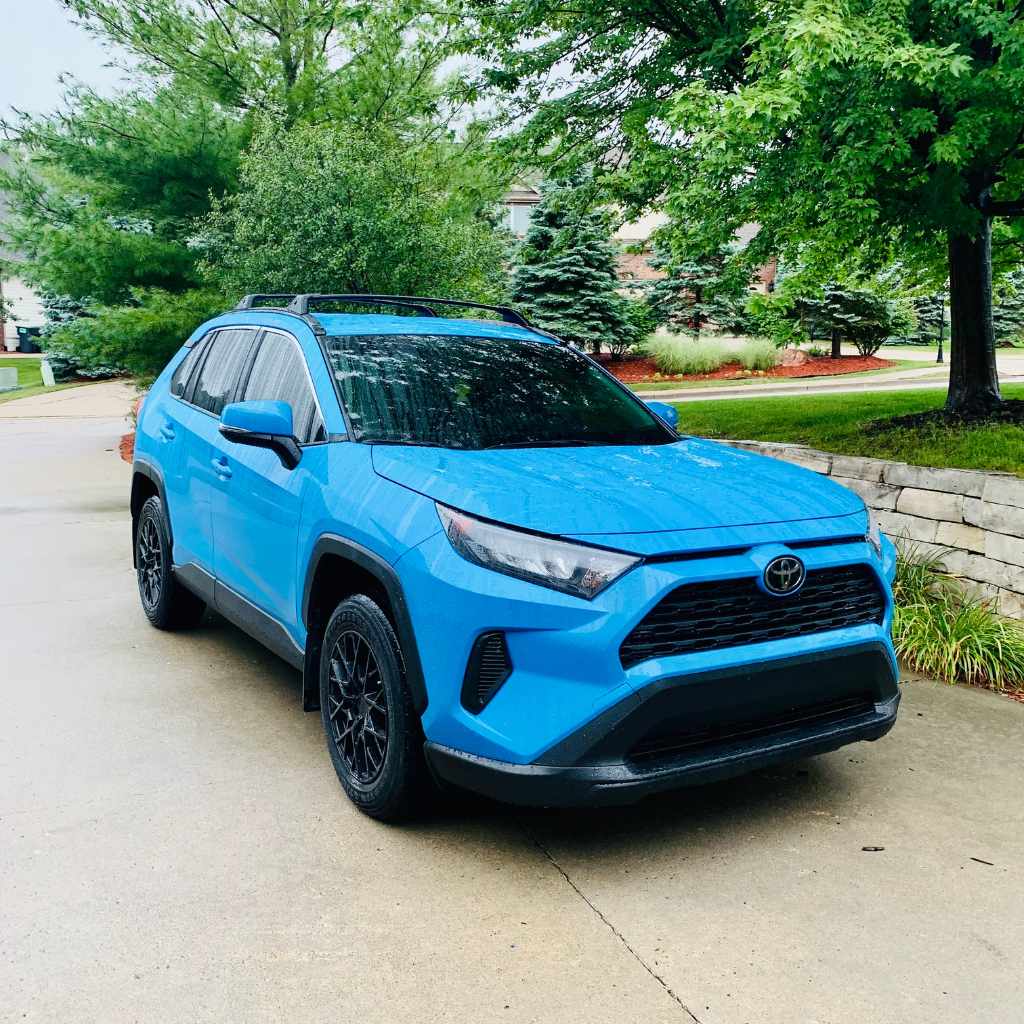
SUVs And Crossovers Dominate
The popularity of SUVs and crossovers continues to soar, making them a go-to choice for many new car buyers.
- Versatility: Their higher driving position, ample cargo space, and available all-wheel drive make them suitable for various lifestyles, from families to outdoor adventurers.
- Perceived Safety: Many buyers feel safer in larger vehicles, contributing to the SUV’s appeal.
- Comfort: They often offer a more comfortable ride and easier entry and exit compared to sedans.
- Style: Modern SUV designs are often seen as stylish and aspirational.
This trend means that car manufacturers are producing more SUV and crossover models than ever before, offering a wide range of sizes and price points to cater to diverse needs.
Focus On Safety And Technology
Advanced safety features and cutting-edge technology are becoming non-negotiable for many new car buyers. This isn’t just about luxury; it’s about peace of mind and a better driving experience.
Key Safety Features Buyers Seek
- Automatic Emergency Braking
- Lane Keeping Assist
- Blind Spot Monitoring
- Adaptive Cruise Control
- Rearview Cameras
In terms of technology, buyers are increasingly interested in seamless smartphone integration (Apple CarPlay and Android Auto), advanced navigation systems, and intuitive user interfaces. The desire for connected car services, which allow remote access and diagnostics, is also growing.
The Role Of Subscription Services And Ownership Models
The way people acquire and use cars is also evolving. Beyond traditional buying and leasing, new models are emerging.
- Subscription Models: Some companies offer car subscriptions where users pay a monthly fee that includes insurance, maintenance, and even the ability to swap vehicles. This appeals to those who want flexibility without the long-term commitment of ownership.
- Car Sharing Services: While not directly buying a new car, the growth of car-sharing platforms influences purchasing decisions by reducing the perceived need for personal vehicle ownership for some individuals.
These new models are particularly attractive to younger generations who may not prioritize traditional ownership or who value the convenience and flexibility these services offer.
Comparing New Car Buyer Profiles
To better illustrate the differences, let’s look at a comparative overview of typical buyer profiles for different vehicle types.
| Vehicle Type | Primary Buyer Demographics | Key Motivations | Desired Features |
|---|---|---|---|
| Compact Sedan | Young professionals, budget-conscious families, first-time buyers | Affordability, fuel efficiency, ease of driving and parking | Good MPG, reliable engine, basic tech features, comfortable interior |
| Mid-Size SUV | Families, suburban commuters, active individuals | Space, versatility, safety, comfort, all-wheel-drive capability | Ample cargo room, spacious seating, advanced safety features, infotainment system, optional AWD |
| Luxury Sedan/SUV | Established professionals, affluent individuals, empty nesters | Performance, prestige, advanced technology, comfort, premium materials | Powerful engine, sophisticated infotainment, high-end interior finishes, advanced driver aids, brand reputation |
| Electric Vehicle EV | Environmentally conscious buyers, tech enthusiasts, early adopters, cost-conscious commuters (long-term) | Sustainability, lower running costs, cutting-edge technology, quiet ride | Long electric range, fast charging capabilities, advanced infotainment and driver assistance, unique design |
This table highlights how different needs and desires lead buyers to specific types of new vehicles. The market is diverse, catering to a wide array of preferences and life stages.
The Influence Of The Used Car Market
While we’re discussing new cars, it’s impossible to ignore the impact of the used car market. For many, especially those on a tighter budget, a pre-owned vehicle is the primary option.
However, the robust demand for used cars can sometimes push new car prices up or create shortages of certain new models. Buyers who might have considered a slightly used vehicle might opt for a new one if the price difference is minimal or if they want the latest features and the peace of mind that comes with a full warranty. Conversely, a very strong used market can sometimes make new car buyers reconsider their options if a nearly-new used car offers significant savings.
The interplay between new and used car markets is a constant factor for consumers. For some, a new car is an aspirational purchase, while for others, it’s a practical necessity where value for money is the absolute key. The availability and pricing of used cars therefore indirectly influence the decisions of those looking at new models.

Who Buys New Cars Surprising Trends Frequently Asked Questions
Question: What is the biggest surprise about who buys new cars today?
Answer: One of the biggest surprises is the growing interest in electric vehicles from a wider range of age groups and income levels than previously anticipated, driven by environmental concerns and evolving technology.
Question: Are younger people still interested in buying new cars?
Answer: Yes, younger buyers are interested, but their approach is often different. They may prioritize technology, sustainability, and flexible ownership options like leasing or subscriptions more than outright purchase.
Question: Why are SUVs so popular for new car purchases?
Answer: SUVs are popular because they offer a good combination of space, versatility for different activities, a higher driving position for better visibility, and a strong perception of safety.
Question: Do older buyers still prefer traditional gasoline cars?
Answer: Many older buyers still prefer traditional gasoline cars due to familiarity, established refueling infrastructure, and sometimes lower upfront costs compared to EVs, though some are exploring hybrids and EVs.
Question: How do government incentives affect new car buying trends?
Answer: Government incentives, especially for electric vehicles, can significantly influence buying decisions by making newer, often more expensive, technologies more affordable and attractive to a broader audience.
Final Thoughts
Looking at who buys new cars reveals a dynamic market shaped by evolving technology, shifting priorities, and economic factors. It’s clear that a broad spectrum of people are in the market for new vehicles, each with their own unique needs and desires. Whether it’s a young professional seeking the latest in EV technology, a growing family needing the space of an SUV, or an experienced driver prioritizing reliability and comfort, the automotive industry offers a diverse range of options.
The increasing focus on sustainability and advanced features means that buyers are looking for more than just basic transportation; they want vehicles that align with their values and enhance their daily lives. Staying informed about these shifts helps us understand the current landscape and anticipate where it might be heading. Keep exploring the options that best fit your lifestyle and financial goals, and remember that the right car is out there waiting.