Why Electric Cars Make Noise in Reverse
Simply put, electric cars make noise in reverse, and often in forward motion at low speeds, to alert pedestrians and cyclists to their presence due to their otherwise quiet operation, complying with safety regulations and enhancing road safety.
Key Takeaways
- Electric vehicles (EVs) are mandated to emit artificial sounds at low speeds, especially in reverse, to comply with pedestrian safety regulations.
- These sounds are crucial for alerting vulnerable road users, such as pedestrians and cyclists, who may not hear a traditional internal combustion engine.
- The specific sound varies by manufacturer and model, ranging from hums and whirs to synthesized warning tones.
- Regulations like the FMVSS 141 in the US and similar global standards dictate the minimum sound levels and frequencies required for EVs.
- These artificial sounds are automatically activated at speeds below approximately 19 mph (30 km/h) and when the vehicle is in reverse.
What is the Purpose of EV Reverse Sounds?
The primary reason electric cars make noise in reverse is safety. Unlike gasoline-powered cars that produce engine noise, electric vehicles are remarkably quiet, especially at low speeds. This near silence, while an advantage for cabin comfort, poses a significant risk to pedestrians, cyclists, and visually impaired individuals who rely on auditory cues to detect approaching vehicles.
To mitigate this danger, regulatory bodies worldwide have mandated that EVs emit artificial sounds at low speeds.
These sounds serve as a warning signal, informing those around the vehicle that it is moving. The reverse gear is often a particular focus for these sounds because reversing maneuvers can be more hazardous in certain environments, such as parking lots or residential areas. By producing a discernible sound, manufacturers ensure that EVs are not silent hazards, contributing to a safer environment for everyone sharing the road.
How Do EV Reverse Sounds Work?
The sound systems in electric vehicles are designed to generate artificial noises that are audible at low speeds. These systems typically consist of a speaker or multiple speakers strategically placed on the exterior of the vehicle, often near the front and rear bumpers. When the vehicle’s speed falls below a certain threshold, or when it’s put into reverse, a sound generator is activated.
The complexity of these systems can vary. Some simply emit a continuous hum, while others employ more sophisticated sound profiles that change with speed or acceleration. The aim is to create a sound that is noticeable without being excessively loud or unpleasant.
Advanced systems might even incorporate distinct sounds for forward and reverse motion, further enhancing their effectiveness as a safety measure.
- Sound Generation Unit: A dedicated module responsible for creating the synthetic sounds.
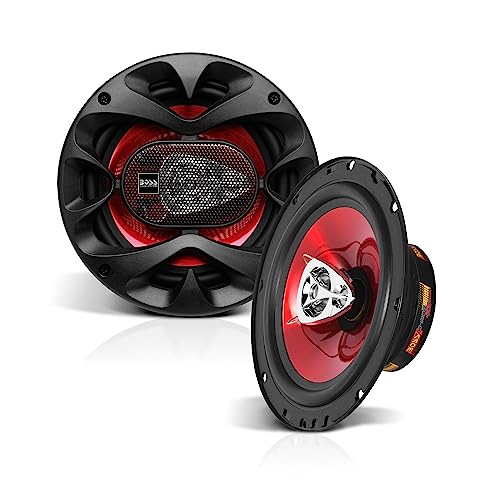
- Speakers: Exterior-mounted speakers that project the sound.
- Speed Sensors: Detect the vehicle’s speed to activate or deactivate the sound.
- Gear Selector Input: Triggers the sound when the vehicle is placed in reverse.
- Vehicle Control Module: Integrates these components and manages the sound’s behavior.
What are the Legal Requirements for EV Sounds?
Governments globally have recognized the need for quiet vehicles to be heard. This has led to the establishment of specific regulations that mandate minimum sound emission standards for electric and hybrid vehicles. The most well-known of these is the U.S.
Federal Motor Vehicle Safety Standard (FMVSS) 141, which sets requirements for the sound of new hybrid and electric vehicles. This standard dictates the minimum sound pressure levels, frequency ranges, and when the sounds must be emitted.
These regulations are not arbitrary; they are based on extensive research into audibility by pedestrians, especially those with hearing impairments. The sounds must be perceptible above ambient noise levels in urban environments. Similar regulations exist in other major markets, including Europe and Asia, ensuring a consistent global approach to EV pedestrian safety.
Manufacturers must design their vehicles to meet these stringent standards before they can be sold.
Key Regulatory Elements:
- Minimum Sound Levels: Specifies the decibel (dB) level the sound must reach.
- Frequency Range: Defines the pitch of the sound to ensure it’s easily heard.
- Activation Speeds: Typically requires sounds below 20 mph (approx. 30 km/h) and in reverse.
- Sound Characteristics: May specify changes in sound with acceleration or deceleration.
- Testing Procedures: Standardized tests to verify compliance.
| Regulation | Standard Name | Key Requirement |
|---|---|---|
| United States | FMVSS 141 | Minimum audible sound for EVs at low speeds. |
| European Union | UN Regulation No. 138 | Acoustic Vehicle Alerting Systems (AVAS). |
| Japan | MLIT Regulation | Mandatory AVAS for electric and hybrid vehicles. |
These regulations ensure a baseline level of audible safety for all electric vehicles, regardless of their origin.
What Types of Sounds Do Electric Cars Make?
The sound an electric car makes is not standardized; it varies significantly between manufacturers and even between models from the same manufacturer. Some automakers opt for a futuristic, synthesized hum, aiming for a modern and unobtrusive sound. Others may choose a more traditional, subtle engine-like noise to provide a sense of familiarity.
The goal is always to create a sound that is perceivable without being irritating to occupants or residents.
For instance, Nissan’s Leaf might produce a distinct, gentle whirring sound, while Tesla’s approach has evolved, with some models incorporating more subtle alerts. The sound may also change based on driving conditions. For example, it might become slightly louder or change pitch as the vehicle accelerates, providing a more dynamic auditory cue.
In reverse, the sound might be more pronounced or have a different tonal quality to clearly indicate the direction of travel.
Examples of EV Sound Designs:
- Subtle Hum: A low-frequency, continuous tone.
- Futuristic Whir: A higher-pitched, more electronic sound.
- Engine Simulation: Mimics the sound of a small internal combustion engine.
- Directional Alert: Distinct sounds for forward and reverse motion.
- Speed-Dependent Tones: Sound characteristics change with vehicle speed.
Some systems are designed to be subtle enough not to disturb occupants but audible enough for external safety. The choice of sound is often part of the brand’s identity and its overall design philosophy.
| Manufacturer | Model (Example) | Typical Sound Description | Notes |
|---|---|---|---|
| Nissan | Leaf | Gentle whirring, noticeable at low speeds. | Focus on unobtrusive but audible alert. |
| Tesla | Model 3/Y | Subtle hum, sometimes described as ‘spaceship-like’. | Sound may vary by software update. |
| Chevrolet | Bolt EV | Low hum that changes slightly with speed. | Designed to be heard but not intrusive. |
| Hyundai | Kona Electric | Distinct synthesized tone, noticeable in reverse. | Emphasizes clear auditory warning. |
The exact sound profile is a carefully engineered aspect of the EV’s overall user experience and safety system.
Are EV Reverse Sounds Customizable?
For the most part, the sounds that electric cars make, especially in reverse, are not directly customizable by the driver. The sounds are integrated into the vehicle’s core safety systems and are designed to meet specific regulatory requirements. Allowing drivers to arbitrarily change these sounds could compromise pedestrian safety, which is the primary objective.
Therefore, manufacturers usually fix the sound profiles to ensure compliance and consistent safety performance.
However, some manufacturers might offer different sound packages as an optional feature, allowing buyers to choose from a few pre-approved sound profiles during the purchase process. This is more about selection from a certified set of sounds rather than user-generated customization. Any modifications made by unauthorized third parties to alter or disable these sounds are illegal and highly discouraged due to the safety implications.
Important: Tampering with or disabling the mandated pedestrian warning sounds on an electric vehicle is illegal and dangerous, as it removes a critical safety feature.
What Happens if an EV is Too Quiet?
If an electric car is deemed too quiet or fails to meet the minimum sound requirements set by regulators, it cannot be legally sold in that market. Vehicle manufacturers are responsible for ensuring that their EVs are equipped with functioning Acoustic Vehicle Alerting Systems (AVAS) that comply with all applicable laws. This means thorough testing is conducted during the development and manufacturing process to confirm that the vehicle emits the required sounds at the specified levels and conditions.
Failure to comply can lead to significant penalties, including fines, recalls, and the inability to register or sell the vehicles. The regulatory bodies actively monitor and enforce these standards. If a vehicle is found to be non-compliant after sale, it may be subject to mandatory repairs or recalls to rectify the issue.
The focus remains steadfastly on ensuring that the benefits of EV technology do not come at the expense of pedestrian and cyclist safety.
- Design and Development: AVAS are integrated into the vehicle design from the outset.
- Testing and Validation: Rigorous tests are performed to ensure sound levels and characteristics meet standards.
- Certification: Vehicles must pass certification tests before being approved for sale.
- Market Surveillance: Regulatory bodies monitor vehicles in the market for ongoing compliance.
- Enforcement: Penalties and recalls are issued for non-compliant vehicles.
This multi-stage process safeguards the effectiveness of EV warning sounds.

Frequently Asked Questions
Why do some EVs make different sounds in reverse than when moving forward?
Manufacturers often design distinct sounds for forward and reverse motion to provide clearer auditory cues to pedestrians and cyclists. A different sound in reverse can immediately signal that the vehicle is backing up, which is often a more critical maneuver in terms of potential hazards. This variation helps people quickly understand the vehicle’s movement and intent.
Can the volume of the reverse sound be adjusted?
Generally, the volume of the mandated pedestrian warning sounds, including those in reverse, cannot be adjusted by the driver. These sounds are set to meet specific regulatory loudness requirements, ensuring they are audible above ambient noise without being overly disruptive. Manufacturers must adhere to these minimum decibel levels for safety compliance.
Are there any situations where EV warning sounds are turned off?
The pedestrian warning sounds are typically active at low speeds (below approximately 19 mph or 30 km/h) and when the vehicle is in reverse. At higher speeds, the wind and tire noise generated by the vehicle are usually sufficient to make it audible. Some advanced systems might disengage the artificial sound above this threshold, as it’s no longer deemed necessary for pedestrian safety.
What happens to the sound if the electric car is damaged?
If the external speakers or the sound generation unit of an electric car are damaged, the warning sound system may cease to function. This would be a significant safety issue, and the vehicle’s onboard diagnostics would likely detect the fault. Drivers should have any damage to these components repaired immediately to restore the essential safety feature.
Do all hybrid cars also make sounds in reverse?
Yes, many hybrid vehicles are also required to emit sounds at low speeds, particularly when operating in electric-only mode at low speeds or when in reverse. This is because hybrids can also operate silently on their electric powertrains, posing similar risks to pedestrians as pure electric vehicles. Regulations often cover both EVs and hybrids that can move silently.
Final Thoughts
The distinctive sounds electric cars make in reverse are not a quirk, but a vital safety innovation born from necessity. These audible alerts are crucial for protecting pedestrians and cyclists in our increasingly quiet automotive landscape. As EV technology continues to advance, expect these sound systems to become even more sophisticated, balancing essential safety with an enjoyable driving experience.
Products related to this article
Sponsored / affiliate links. As an Amazon Associate I earn from qualifying purchases. I may earn additional commission from eligible campaigns.