Why Car Prices Have Risen So Sharply After the Pandemic
Many people wonder, Why Car Prices Have Risen So Sharply After the Pandemic. It can seem confusing, especially if you’re just starting to look at buying a car. This topic might feel a little tricky, but we’re going to break it down very simply.
We’ll go step-by-step to make it easy to understand. Get ready to learn what’s been happening and why cars cost more now.
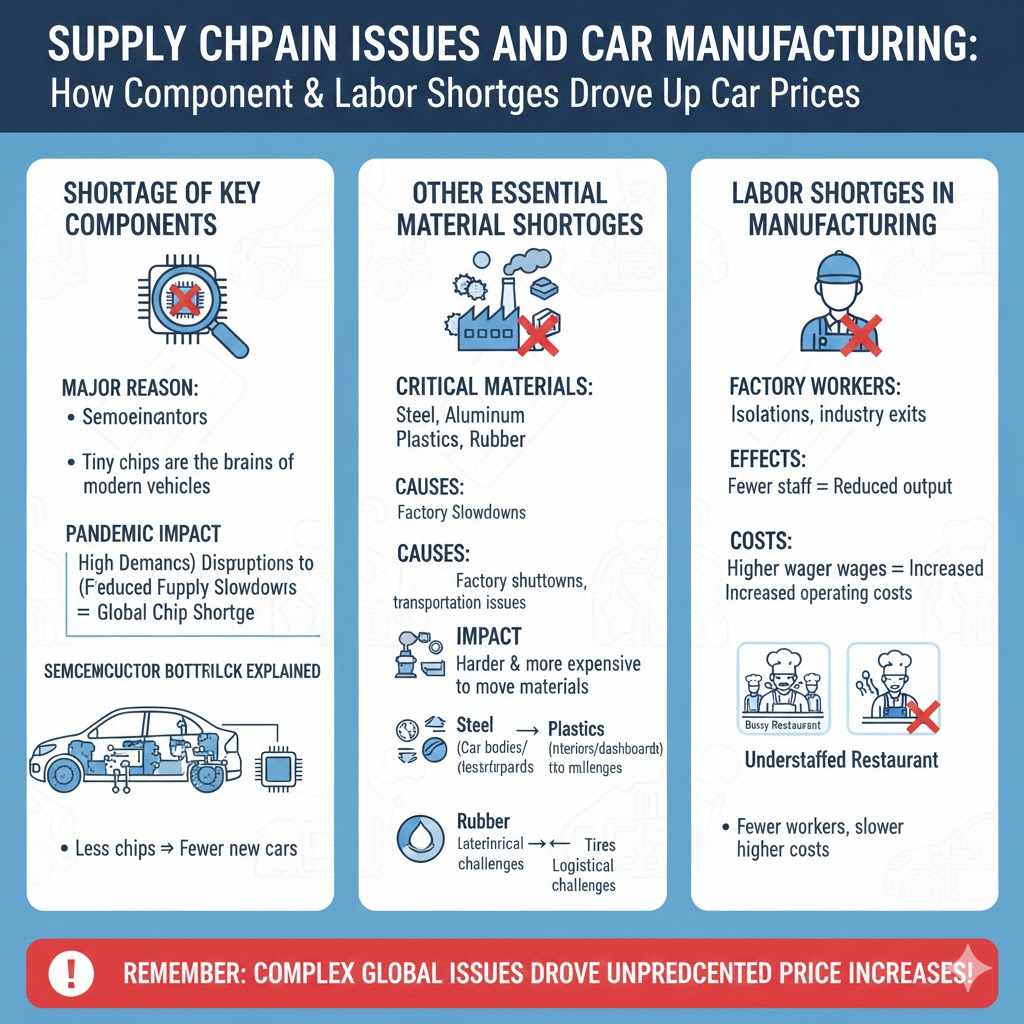
Supply Chain Issues And Car Manufacturing
This section looks at how problems with making cars have pushed prices up. When factories can’t get the parts they need, they can’t build as many cars. This means fewer cars are available for people to buy.
This shortage is a big reason why prices have gone up so much.
Shortage of Key Components
A major reason for the jump in car prices is the severe shortage of vital components, most notably semiconductors. These tiny chips are like the brains of modern vehicles, controlling everything from the engine and brakes to the infotainment system. The pandemic caused massive disruptions to global supply chains, including the factories that produce these chips.
Initially, chip manufacturers shifted production to meet increased demand for consumer electronics like laptops and gaming consoles as people stayed home. When the auto industry ramped back up, they found themselves at the bottom of the priority list for these chips. This imbalance created a bottleneck that dramatically slowed down car production.
Without enough semiconductors, carmakers couldn’t finish building the vehicles they had started. This led to assembly lines sitting idle and fewer new cars rolling out to dealerships. Think of it like trying to bake a cake but being out of sugar; you can’t complete the recipe no matter how many eggs or flour you have.
The Semiconductor Bottleneck Explained
Semiconductors, often called microchips, are essential for modern cars. They power everything from the car’s engine management system to its airbags and entertainment screens. The global demand for these chips surged during the pandemic.
This was due to people buying more electronics like computers and gaming consoles.
At the same time, many chip factories had to slow down or stop production because of lockdowns and worker shortages. This created a global shortage. Car manufacturers, who usually order chips in huge quantities, suddenly couldn’t get enough.
This meant they had to cut back on making new cars.
- The sheer number of chips in a modern car is surprising. A single vehicle can contain hundreds, even thousands, of these small but powerful components. Each chip is designed for a specific function, and losing even a few can halt production of an entire model. This dependency on a single type of component has made the auto industry very vulnerable to supply chain disruptions.
- The lead time for producing semiconductors is also very long. It can take months from the time an order is placed until the chips are manufactured and delivered. This means that even if demand for cars suddenly increased, it would take a significant amount of time for chip supply to catch up. This extended production cycle further explains the lingering effects of the shortage.
- Geopolitical factors have also played a role. Some of the major chip manufacturing hubs are concentrated in specific regions, making them susceptible to international trade disputes or natural disasters. This concentration risk means that a problem in one area can have far-reaching consequences for industries worldwide, including automotive manufacturing.
Other Essential Material Shortages
While semiconductors grab headlines, they aren’t the only materials in short supply. The pandemic disrupted the mining and processing of other critical materials used in car production. This includes things like steel, aluminum, plastics, and even rubber for tires.
Factory shutdowns and transportation issues affected the supply of these raw materials as well. For example, reduced shipping capacity meant it was harder and more expensive to move materials from where they are mined or produced to the factories that need them. This further slowed down production lines.
When factories couldn’t get enough of these basic building blocks, they had to make fewer cars. Imagine trying to build a house but struggling to get enough lumber, bricks, or even nails. The overall construction process slows down significantly.
This is what happened to car manufacturers.
- Steel is a fundamental material for car bodies and frames. The pandemic caused disruptions at steel mills and in the transportation networks that deliver steel to auto plants. Reduced output and increased shipping costs translated directly into higher material costs for carmakers. This added to the overall expense of building each vehicle.
- The availability of plastics, used extensively in car interiors, dashboards, and various components, was also impacted. The global supply chain for petrochemicals, the base for many plastics, faced challenges. This meant that even for plastic parts, manufacturers sometimes struggled to get the necessary resins, leading to production delays.
- Tires, made from rubber and other materials, also became harder to source. Natural rubber production can be affected by weather and labor issues, while synthetic rubber relies on petroleum-based feedstocks. Global logistical challenges made it difficult to transport these materials, impacting tire availability and contributing to the scarcity of new vehicles.
Labor Shortages in Manufacturing
Beyond materials, the pandemic also led to significant labor shortages across many industries, including automotive manufacturing. Factory workers had to isolate if they got sick, and some chose to leave the industry altogether for health or economic reasons. This meant that even when parts were available, there weren’t always enough people to run the assembly lines at full capacity.
Many factories had to operate with fewer staff than usual. This reduced their overall output. Companies also faced pressure to offer higher wages and better benefits to attract and retain workers, which increased their operating costs.
These higher costs were then passed on to consumers.
Think of a busy restaurant. If several chefs and servers get sick or quit, the restaurant can’t serve as many customers. The remaining staff are overworked, and service can be slower.
Car factories faced a similar situation, but on a much larger scale.
- The health and safety concerns during the pandemic forced many automotive plants to implement strict protocols. These protocols, while necessary, sometimes slowed down production processes. Social distancing measures and increased cleaning regimens required more time and space, impacting the efficiency of assembly lines.
- A portion of the manufacturing workforce also retired or sought employment in less vulnerable sectors during the pandemic. This loss of experienced workers created a skills gap. Training new workers takes time and resources, and the industry struggled to fill these positions quickly enough to resume full production.
- The global nature of car manufacturing means that labor shortages in one region can have a ripple effect. For instance, if a key supplier of a specific part experiences labor issues, it can halt production for carmakers far away. This interconnectedness amplifies the impact of localized labor challenges.
Increased Demand For Vehicles After The Pandemic
This section explores why so many people wanted to buy cars once things started opening up again. After being home for a long time, many people were ready to travel and needed reliable transportation. This surge in shoppers met a market with fewer cars available.
Pent-Up Consumer Demand
During the lockdowns and restrictions of the pandemic, many people put off major purchases, including new cars. Travel plans were canceled, and people spent more time at home, reducing the immediate need for transportation. As economies began to reopen and life started to return to a new normal, this pent-up demand was unleashed.
Consumers who had delayed buying a car were now eager to purchase one. This sudden rush of buyers hit the market at a time when the supply of new vehicles was already critically low due to the manufacturing issues discussed earlier. It’s like everyone suddenly wanting to go to a popular concert when only a few tickets are left.
This mismatch between a large number of buyers and a small number of available cars is a fundamental economic principle that drives prices up. When demand greatly exceeds supply, sellers can charge more because buyers are willing to pay a premium to secure the limited goods.
- Stimulus checks and government support programs provided many households with extra disposable income. This financial boost enabled consumers who might have otherwise postponed car purchases to make them sooner. The increased purchasing power directly fueled the surge in demand for vehicles as people felt more financially secure.
- Changes in work habits, like the rise of remote and hybrid work, also influenced consumer behavior. While some people needed fewer cars, others found themselves needing a more reliable or different type of vehicle for their new routines, or for leisure travel now that it was possible again. This shifted demand patterns.
- The desire for personal space and a sense of safety also played a role. Many individuals felt more comfortable traveling in their own car rather than using public transportation or ride-sharing services, especially in the early stages of reopening. This preference for personal mobility further boosted the demand for vehicles.
Shift In Transportation Preferences
The pandemic significantly altered how people viewed and used transportation. For many, personal vehicles became a more appealing option compared to public transit or shared rides. This shift was driven by concerns about health and safety, as well as a renewed appreciation for the freedom and flexibility that owning a car provides.
People who might have previously relied on public transportation or carpooling found themselves wanting their own vehicle. This increased the overall pool of potential car buyers. This is a key factor in understanding Why Car Prices Have Risen So Sharply After the Pandemic.
The desire for personal mobility became paramount for many. The ability to travel on one’s own schedule, without close contact with strangers, was a major draw. This made cars a more attractive, and in some cases, necessary, purchase for a broader segment of the population.
- Public health concerns made many hesitant to use crowded buses, trains, or subways. The enclosed spaces of public transit raised worries about virus transmission. Owning a private car offered a way to maintain social distancing and control one’s travel environment, leading to increased demand for personal vehicles.
- With more people working from home or adopting hybrid schedules, the commute became less of a factor for some. However, this also freed up financial resources that might have been spent on commuting costs, allowing people to invest in a car for weekend trips, errands, or as a backup vehicle.
- The perceived convenience and flexibility of a personal car became more valuable. The ability to spontaneously plan trips, run errands without waiting for schedules, and have a private space for family outings made car ownership more desirable than before. This reinforced the need for many to acquire a vehicle.
Used Car Market Surge
The shortage of new cars meant that many buyers turned to the used car market. This significantly increased demand for pre-owned vehicles. With fewer new cars available, dealerships and private sellers could command higher prices for used ones.
This surge in demand for used cars had a snowball effect. As prices for used cars went up, people who might have sold their old cars for less were now able to get more money. This encouraged more people to sell their vehicles, but the overall inventory still struggled to keep up with the heightened demand.
This also meant that cars that were typically depreciating in value began to hold their value much better, and in some cases, even increase in value. This phenomenon was unprecedented for many types of vehicles and further contributed to the overall rise in automotive costs.
- When new cars became scarce and expensive, consumers who needed transportation often found that used cars were their only viable option. This drove up demand for pre-owned vehicles significantly, pushing prices to record levels. The gap between new and used car prices narrowed considerably.
- Many people who might have traded in their older cars for new ones were forced to keep their current vehicles. However, some saw the rising value of used cars as an opportunity to sell their older vehicle at a profit, adding to the supply of used cars available, though not enough to meet the overwhelming demand.
- Fleet sales from rental car companies and businesses also decreased. These companies often sell their vehicles after a certain mileage or time period to make room for newer models. With new car production down, these companies held onto their fleets longer, further reducing the supply of used vehicles entering the market.
Economic Factors Influencing Car Prices
This part looks at broader economic forces that have played a role in making cars more expensive. Inflation, shipping costs, and the overall state of the economy all contribute to the final price tag you see on a car.
Inflation And Rising Costs
Inflation means that the general prices for goods and services are going up. When inflation is high, everything from the raw materials needed to build cars to the labor involved becomes more expensive. This naturally leads to higher prices for the finished product.
Think about buying groceries. If the price of flour, sugar, and eggs all go up, the cost of baking a cake will increase. Car manufacturing works the same way.
Higher input costs for everything from steel to electronics translate directly into higher prices for cars.
The pandemic itself and the government responses to it, like printing more money, contributed to increased inflation. This general rise in the cost of living means that businesses, including car manufacturers, face higher expenses across the board.
- The cost of raw materials like steel, aluminum, copper, and precious metals used in car electronics has surged. These commodities are subject to global supply and demand forces, and disruptions caused by the pandemic, coupled with inflationary pressures, drove their prices higher. Car manufacturers have to pay more for these essential inputs.
- Energy prices, including the cost of electricity and fuel needed for manufacturing and transportation, have also increased due to inflation. This adds to the operational costs for car factories and logistics companies, with these higher energy bills eventually being reflected in the price of cars.
- Wages for auto workers have also seen increases in some regions as companies compete for labor. While good for workers, these higher labor costs are factored into the overall production expense. These rising labor expenses contribute to the upward pressure on car prices.
Increased Shipping And Logistics Costs
Getting parts to car factories and then delivering finished cars to dealerships involves a complex global logistics network. The pandemic caused significant disruptions to this network. Shipping container availability became scarce, ports became congested, and the cost of sea and land transportation soared.
When it costs more to ship materials and finished vehicles, those costs are passed on to the buyer. Imagine ordering something online and seeing a huge shipping fee; that’s the kind of impact this has on car prices. The delays and higher expenses in transportation directly contributed to the rise in car prices.
These logistics challenges meant that even if factories could produce cars, getting them to where they needed to go became a major hurdle and an added expense. This made the entire process of bringing a car to market more costly.
- The cost of shipping a container across oceans increased dramatically. Factors like container shortages, port congestion, and increased demand for shipping services after lockdowns led to unprecedented spikes in freight rates. This meant that imported components and even fully assembled cars became more expensive to transport.
- Inland transportation, such as trucking and rail, also faced challenges. Driver shortages and increased fuel costs made moving cars from ports or factories to dealerships more expensive. This added another layer of cost to the final price of a vehicle.
- The overall inefficiency in the global supply chain meant longer transit times and increased risk of delays. This unpredictability forces manufacturers to hold larger inventories of parts or finished goods, which ties up capital and incurs additional storage costs. These costs are ultimately absorbed into the vehicle price.
Manufacturer Strategies And Profitability
Car manufacturers are businesses, and they aim to be profitable. When they face higher costs and see that demand is outstripping supply, they have opportunities to increase their profit margins. They can choose to absorb some costs, pass them all on, or even increase prices beyond just covering their expenses.
During the period of low inventory and high demand, carmakers realized they could sell fewer vehicles at higher prices and still make a good profit, sometimes even more profit per vehicle than before. This strategy, while beneficial for the manufacturers’ bottom lines, directly contributed to the high prices consumers paid.
They also focused on producing their most profitable models, often higher-end trims or larger vehicles, which further skewed the average price upwards. This business decision is a significant part of answering Why Car Prices Have Risen So Sharply After the Pandemic.
- Manufacturers prioritized the production of their most popular and highest-margin vehicles. This means that models with more features, larger engines, or premium branding were often given preference over more basic or economy models. This shift in production focus naturally leads to a higher average selling price across the brand.
- With limited inventory and high demand, manufacturers reduced incentives and discounts that they would normally offer to move cars off the lot. These discounts can amount to thousands of dollars, so their removal directly increased the final price paid by the consumer.
- Some manufacturers strategically limited production even when they had the capacity to build more. This was to maintain higher prices and profits, creating a perception of scarcity that kept demand robust. The goal was to maximize revenue and profit per unit sold rather than focusing solely on sales volume.
Impact On Consumers And The Market
This final section looks at how these price increases have affected people who want to buy cars and the overall car market. It’s about how these changes impact everyday buyers.
Affordability Challenges
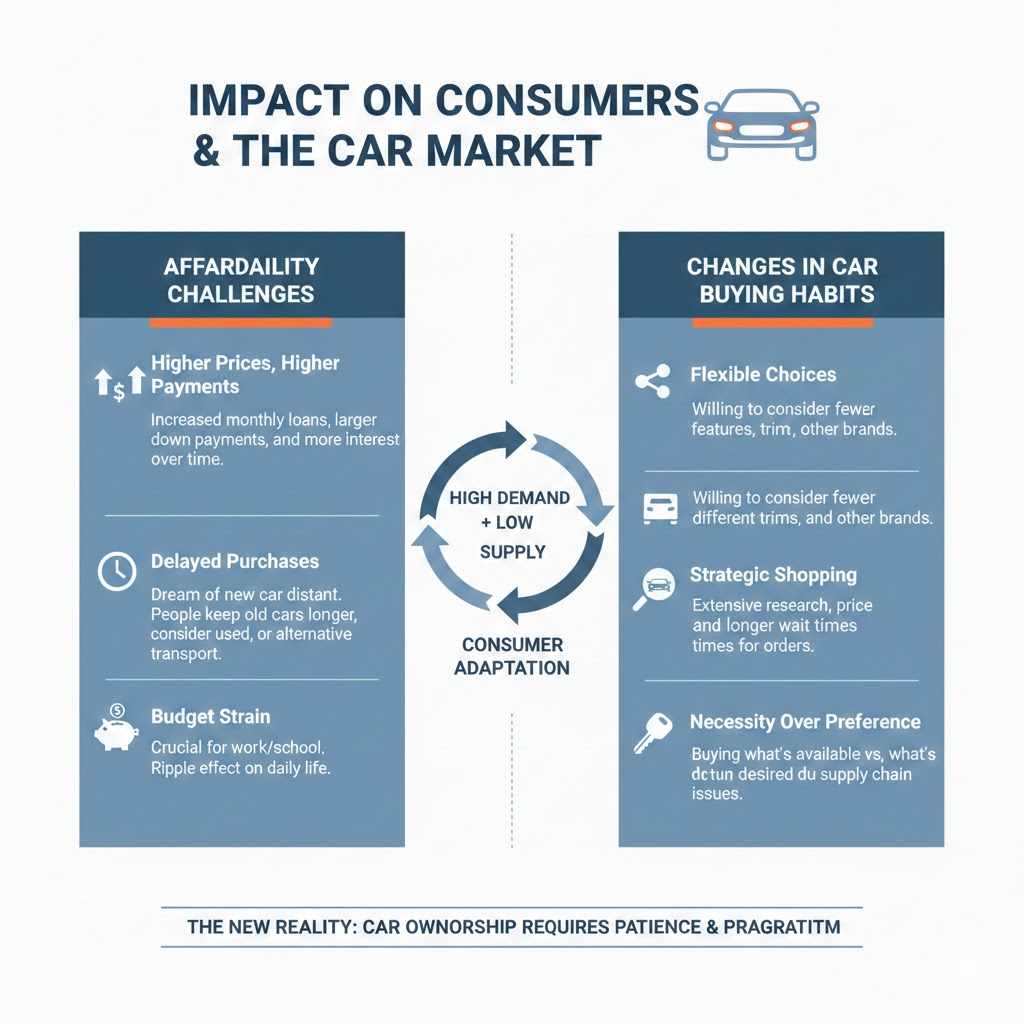
For many consumers, the sharp rise in car prices has made buying a new or even a used car a significant financial challenge. Monthly payments have increased, and the total cost of ownership, including insurance and maintenance, has also gone up. This affordability squeeze means some people are delaying purchases or settling for less ideal options.
The dream of owning a new car has become more distant for some families. They might have to consider older vehicles, keep their current cars longer, or explore alternative transportation methods. This is a direct consequence of the market conditions.
The ability to afford a car is crucial for many people to get to work, school, and manage their daily lives. When this becomes difficult, it has a ripple effect on various aspects of life.
- Higher car prices mean larger car loans. For buyers who need financing, this translates into higher monthly payments, which can strain household budgets. The total amount of interest paid over the life of the loan also increases, making the car more expensive in the long run.
- Even with financing, the down payment required may also be higher if prices have increased significantly. Many buyers struggle to save enough for a substantial down payment, further limiting their options or forcing them to take on more debt.
- For those who prefer to buy cars outright, the increased prices mean that saving the full purchase price takes much longer. This can force individuals to delay their car purchase until they have accumulated the necessary funds, impacting their mobility in the meantime.
Changes In Car Buying Habits
Consumers have had to adapt their buying habits in response to the market changes. This includes being more flexible with vehicle features, exploring different brands or models, and sometimes making purchasing decisions out of necessity rather than preference. The days of browsing casually and expecting to negotiate large discounts are largely gone.
People are now more likely to do extensive research, compare prices across many sources, and potentially place orders for vehicles with extended wait times. The car buying process has become more strategic and less impulsive.
This shift also means that buyers are more aware of vehicle availability and the impact of supply chain issues on their purchasing decisions. The simple act of buying a car has become more complicated.
- Consumers are now more willing to consider vehicles with fewer features or different trim levels than they initially desired. If a specific configuration is unavailable, buyers may opt for whatever is on the lot to meet their immediate transportation needs.
- Many buyers are also looking beyond their preferred brands or dealerships. They might be willing to travel further to find a vehicle or consider models from manufacturers they hadn’t previously considered, simply to secure a car at a more reasonable price or within a shorter timeframe.
- The practice of placing factory orders and waiting for a vehicle has become more common. Instead of buying off the lot, consumers are learning to be patient and order exactly what they want, understanding that delivery can take months. This requires a different approach to car shopping.
Frequently Asked Questions
Question: What was the main reason car prices went up after the pandemic
Answer: The main reasons were major disruptions in the supply chain, especially for computer chips, which limited how many cars could be made, combined with a big increase in people wanting to buy cars once the pandemic restrictions eased.
Question: Will car prices go down soon
Answer: While prices have started to stabilize and some incentives are returning, the market is still adjusting. It may take some time for prices to reach pre-pandemic levels, especially for popular models.
Question: Are used cars still expensive
Answer: Used car prices remain higher than they were before the pandemic, although they have seen some decreases from their peak. The demand for used cars is still strong due to the ongoing impact on new car availability.
Question: How did the chip shortage affect car production
Answer: The shortage of semiconductors severely limited car manufacturers’ ability to produce vehicles. Without enough chips, many assembly lines had to slow down or stop, leading to a significant reduction in the number of new cars available for sale.
Question: What can I do if I need to buy a car now but prices are high
Answer: Consider being flexible with features, explore both new and used options carefully, compare prices from multiple sources, and look into financing options. Keeping your current car longer if possible might also be a good strategy.
Conclusion
The sharp increase in car prices after the pandemic was a complex issue. It stemmed from a perfect storm of supply chain breakdowns, especially chip shortages, and a surge in consumer demand. These factors, along with rising economic costs, created a challenging market.