Why Do Car Lights Bother Me at Night? Glare Causes & Fixes
Car lights bother you at night because sudden brightness forces your pupils to snap shut — a reflex called disability glare — and LED or HID headlights near 6,000K scatter more blue light than 3,000K halogen bulbs, making it worse. AAA’s February 2026 survey found 6 in 10 U.S. drivers now struggle with headlight glare after dark. This guide covers what causes it, which eye conditions make it worse, and whether “night driving glasses” actually help.
Common Causes Of Nighttime Light Discomfort
Many people feel discomfort from car lights at night. This problem can make driving stressful and tiring. Several common causes create this discomfort. Understanding these causes helps in managing the issue better.
📊 60% of U.S. drivers say headlight glare is a problem after dark, and 73% of those drivers say it has gotten worse over the past decade. Oncoming headlights are the biggest source, named by 92% of respondents. — Source: AAA Newsroom, February 2026 survey of 1,092 U.S. drivers
Glare From Oncoming Vehicles
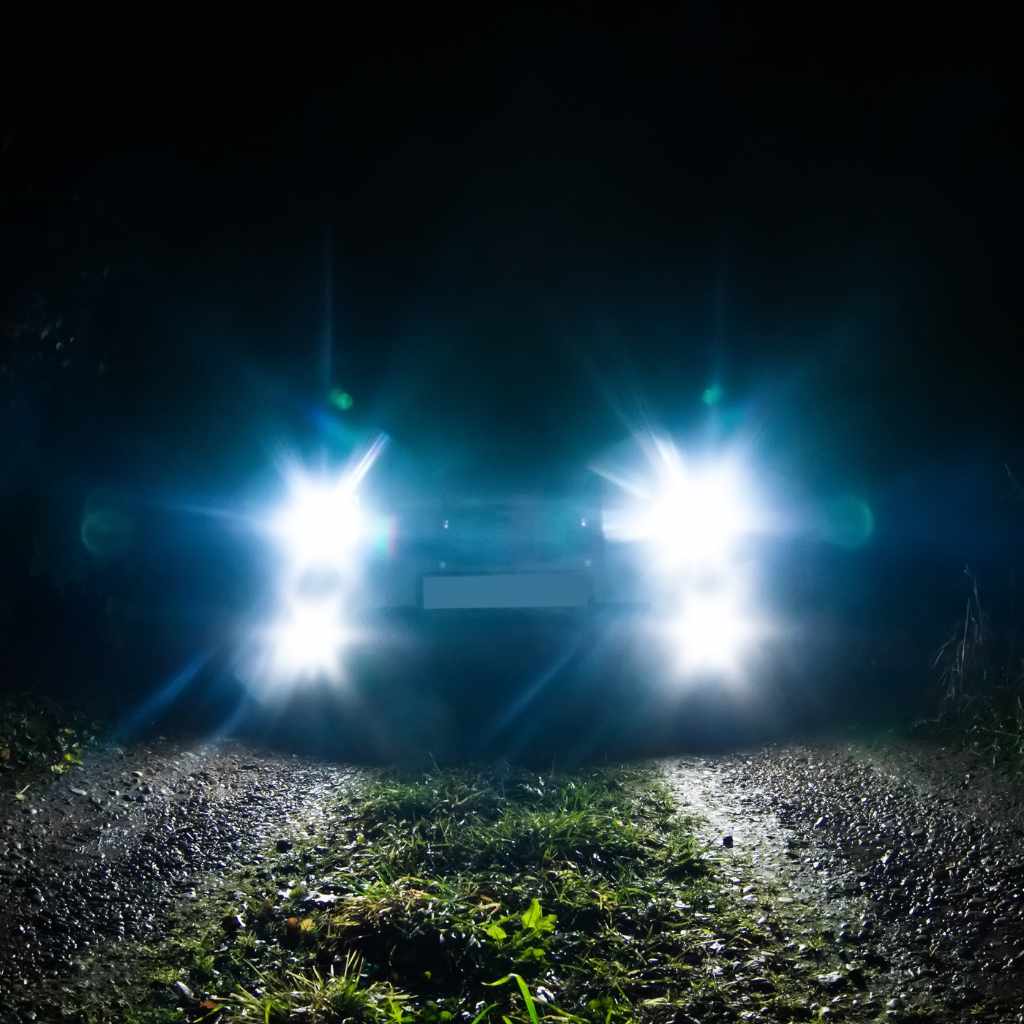
Glare happens when bright lights shine directly into your eyes. Oncoming cars with strong headlights can cause this. Glare reduces your ability to see the road clearly. It creates a blinding effect that lasts for seconds or more.
High Beam Intensity
High beams are very bright lights meant for dark roads. They help drivers see far ahead. But if used incorrectly, they can hurt other drivers’ eyes. High beam intensity can cause discomfort and temporary blindness at night.
Poorly Aligned Headlights
Headlights not aimed properly can shine into other drivers’ eyes. Misaligned headlights create uneven light patterns. This causes glare and reduces safety. Regular checks and adjustments can fix this problem.
Eye Sensitivity And Health Issues
Some people have sensitive eyes that react strongly to light. Conditions like dry eyes or cataracts increase light discomfort. Age can also make eyes less able to handle bright lights. Eye exams can help identify these issues.
Why Headlight Glare Is Getting Worse (2026 AAA Data)
According to AAA’s February 2026 survey, 73% of drivers who notice headlight glare say it has gotten measurably worse over the past decade. Two trends are driving it: modern LED and HID headlights run near 6,000K (blue-white) instead of the 3,000K (yellow) light older halogen bulbs put out, and taller trucks and SUVs point their headlights more directly at the eye level of sedan drivers. Blue-rich LED headlights can produce roughly 15% more perceived glare than halogen bulbs of similar brightness, according to AAA Foundation for Traffic Safety research citing 2016 American Medical Association guidance.
“Headlight glare has become a major source of frustration and concern for millions of drivers.”
In February 2022, the National Highway Traffic Safety Administration approved adaptive driving beam (ADB) headlights, which automatically dim the part of the beam aimed at oncoming and preceding traffic while keeping the rest of the road lit. The technology is legal on new U.S. vehicles now, but it’s still rolling out slowly across the fleet — most cars on the road today don’t have it yet.
How Car Lights Affect Vision At Night
Car lights at night can make it hard to see clearly. Bright headlights affect how our eyes work in the dark. Understanding these effects helps explain why car lights bother many people.
Impact On Night Vision
Bright lights reduce the eyes’ ability to adjust to darkness. The pupils shrink to block out excess light. This change makes it harder to see objects in the dark. Eyes take time to return to normal after exposure.
Temporary Blindness Effects
Sudden bright lights cause a glare that blocks vision briefly. This effect is called temporary blindness or “flash blindness.” It can last for a few seconds to minutes. During this time, driving or walking becomes risky.
Contrast And Depth Perception Challenges
Strong lights reduce the contrast between objects and the background. This makes it difficult to judge distances correctly. Depth perception suffers, causing confusion about where things are. It can make night driving more dangerous and stressful.
Eye Conditions That Increase Light Sensitivity
Some eye conditions make bright lights harder to handle. These problems cause discomfort when car lights shine at night. Understanding these conditions helps explain why lights bother some people more.
Cataracts And Glare
Cataracts cloud the eye’s lens. This cloudiness spreads light in many directions. Bright lights, like car headlights, create glare. This glare blurs vision and causes pain. People with cataracts often find night driving tough.
Dry Eyes And Irritation
Dry eyes lack enough tears to stay moist. This dryness causes irritation and sensitivity. Bright lights feel sharper and more painful. Car lights can sting and make eyes water. The discomfort makes night vision worse.
Refractive Errors And Light Scatter
Refractive errors change how light enters the eye. This causes light to scatter inside the eye. Scattered light creates halos and glare around lights. People with these errors see car lights as blurry or fuzzy. This effect increases night vision difficulty.
Migraine And Photophobia: Why Light Sensitivity Isn’t Always About Your Eyes
Photophobia is an abnormal sensitivity to light that causes discomfort or pain — despite the name, it’s not an actual fear of light, and on its own it doesn’t cause blurred vision or blindness. According to the American Academy of Ophthalmology, roughly 80% of people who get migraines also experience photophobia. The link runs both directions: a migraine can trigger light sensitivity, and glare-heavy light — like a string of oncoming headlights — can help trigger a migraine in someone prone to them. If headlight glare leaves you with head pain, nausea, or visual auras rather than just discomfort, that’s worth mentioning to a doctor as a possible migraine trigger, not only an eye issue.
Preventive Measures For Drivers
Night driving can be tough when car lights cause discomfort. Bright lights from other vehicles create glare and reduce visibility. Drivers need to take simple steps to avoid this problem. These measures help keep the road safer and make driving at night less stressful.
Best Glare-Reduction Pick
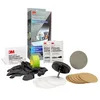
3M Ultra Headlight Restoration Kit
Sands and clears cloudy, UV-yellowed headlight lenses that scatter light — a real contributor to glare for both you and oncoming drivers.
- Best for: hazy or yellowed plastic headlight lenses on your own car
- Why we picked it: restores clear light output instead of scattered, diffused glare — directly ties to the “Maintaining Optimal Headlight Settings” advice below
- Main drawback: takes 20–30 minutes of hand-sanding per headlight; results fade faster without a UV-protectant top coat
Compare more glare-reduction options
 Option 1 K Source Day/Night Anti-Glare Mirror
|
 Option 2 Rain-X Glass Cleaner
|
 Option 3 Amazon Basics Microfiber Cloths
|
As an Amazon Associate we earn from qualifying purchases.
Using Anti-reflective Lenses
Anti-reflective lenses reduce glare from headlights and streetlights. These lenses help clear vision by cutting down light reflection. Wearing glasses with this coating can make night driving more comfortable. Many drivers notice less eye strain and better focus with these lenses.
Do “Night Driving Glasses” (Yellow Tint) Actually Work?
Many drivers buy yellow-tinted “night driving glasses” expecting them to cut headlight glare. The American Academy of Ophthalmology says there’s no evidence they work — and a yellow tint can actually reduce how much light reaches your eyes, which is the opposite of what you want in the dark. In 1997, the FTC ordered an Illinois company to stop marketing yellow lenses as a way to improve night vision. The same logic applies to polarized sunglasses after dark: any tinted lens cuts total light transmission when your eyes need all the light they can get. A genuine anti-reflective (AR) coating on clear prescription lenses is a different product with real optical benefit — ask your eye doctor about it instead of a tinted pair.
Adjusting Rearview Mirrors
Proper mirror adjustment blocks bright lights from behind. Most cars have a night mode on the rearview mirror. Flip this mode to reduce glare from headlights. Side mirrors can also be angled to limit direct light. This simple step lowers eye discomfort and improves safety.
Dimming Your Dashboard And Interior Lights
A bright dashboard, phone screen, or interior light competes with your eyes’ ability to adjust to the dark outside. Turn down your instrument cluster brightness and avoid running your phone at full brightness while driving — both make oncoming headlights feel more intense by comparison, since your eyes are staying partly adjusted to the bright screen instead of the dark road.
Maintaining Optimal Headlight Settings
Headlights set too high can blind other drivers and cause glare. Check your car’s headlight level regularly to keep it right. Clean, clear headlights help spread light evenly on the road instead of scattering it — a cloudy or foggy headlight lens diffuses light the same way a dirty windshield does. Proper headlight maintenance reduces reflections and improves night visibility for you and for oncoming drivers.
Practical Tips For Nighttime Driving
Driving at night can be tough, especially when car lights bother your eyes. Bright headlights cause glare and make it hard to see the road clearly. This can lead to discomfort and even danger while driving. Simple changes in how you drive can help reduce this problem. Practical tips make nighttime driving safer and easier for everyone.
Reducing Speed And Increasing Following Distance
Slow down when driving at night. Lower speeds give your eyes more time to adjust to bright lights. Keep a bigger gap between your car and the one ahead. This extra space helps you avoid sudden stops and allows better reaction time. Driving slower and staying further back makes night trips less stressful.
Avoiding Direct Eye Contact With Lights
Do not stare directly into oncoming headlights. Looking slightly to the side helps protect your eyes from glare. Focus on the right edge of the road instead. This trick reduces eye strain and keeps your view clearer. It helps prevent temporary blindness caused by bright lights.
Keeping Windshields And Glasses Clean
Dirty windshields increase glare from car lights. Clean your windshield inside and out before night driving. Use a good glass cleaner for best results. If you wear glasses, keep them clean too. Clear glass reduces reflections and improves visibility. Clean surfaces make night driving safer and easier on your eyes.
When To Consult An Eye Specialist
Car lights bothering you at night can be more than just annoying. It could signal an eye issue that needs professional care. Knowing when to consult an eye specialist helps protect your vision and improve comfort.
Recognizing Persistent Symptoms
Bright lights causing pain or discomfort is a red flag. Blurred vision or headaches after exposure to car lights also matter. These symptoms lasting more than a few days need a check-up. Sudden changes in how your eyes react to light require quick action.
Screening For Underlying Conditions
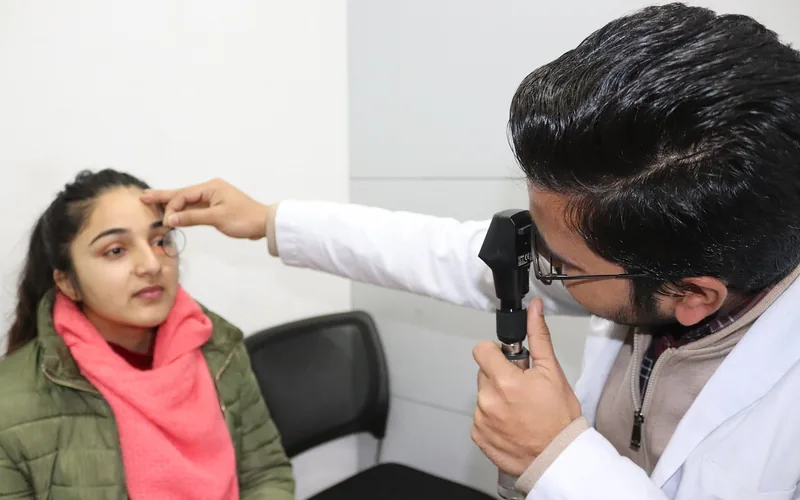
Eye specialists check for conditions like dry eyes, cataracts, or glaucoma. They also test for light sensitivity caused by migraines or nerve issues. Early detection helps prevent worsening problems. A thorough eye exam reveals hidden causes behind your discomfort.
Treatment Options For Light Sensitivity
Doctors may suggest special glasses with an anti-reflective coating rather than a tinted lens. Eye drops can relieve dryness and irritation. In some cases, medication helps reduce nerve sensitivity. Simple lifestyle changes might also ease your symptoms. Treatment aims to make night driving and daily life easier.
Frequently Asked Questions
Why Do Car Lights Seem Brighter At Night?
Car lights appear brighter at night because the surrounding darkness increases contrast. Your eyes adjust to low light, making headlights more glaring and harder to ignore.
Can Car Lights Cause Eye Strain Or Headaches?
Yes, bright or poorly aimed headlights can cause eye strain and headaches. Glare from car lights forces your eyes to work harder, leading to discomfort.
How Can I Reduce Glare From Car Headlights?
Keep your windshield and headlights clean, and avoid looking directly at oncoming headlights — focus on the right edge of the road instead. Ask your eye doctor about a genuine anti-reflective (AR) coating on clear lenses. Skip tinted or polarized lenses at night; both reduce the total light reaching your eyes when you need it most.
Are Certain Car Lights More Likely To Bother Drivers?
High-intensity discharge (HID) and LED headlights can cause more glare than traditional halogen bulbs. Their brightness and color temperature affect visibility and comfort.
Do Yellow-Tinted Night Driving Glasses Actually Reduce Glare?
No. The American Academy of Ophthalmology has found no evidence that yellow-tinted lenses reduce headlight glare, and a tint can actually cut the total light reaching your eyes, making night driving harder rather than easier. In 1997 the FTC ordered a company to stop marketing yellow lenses this way. A genuine anti-reflective (AR) coating on clear glasses, not a tint, is the option with real optical benefit.
Why Is Headlight Glare Getting Worse In 2026?
AAA’s February 2026 survey found 6 in 10 drivers say glare is a problem, and 73% of them say it has worsened over the past decade. The main reasons are LED and HID headlights running at a bluer, higher color temperature than older halogen bulbs, plus more trucks and SUVs on the road aiming headlights closer to eye level for sedan drivers.
Can My Own Car’s Headlights Bother Other Drivers?
Yes. Headlights that are misaligned, aimed too high, or hazy from UV-yellowed plastic lenses scatter light unevenly and can blind oncoming drivers even at legal brightness. Have your headlight aim checked during routine service, and restore cloudy headlight lenses instead of just replacing bulbs.
Conclusion
Bright car lights at night can cause discomfort and strain. Our eyes struggle to adjust quickly to harsh glare, and that struggle is measurably more common now — AAA found 6 in 10 drivers affected in 2026. This can make driving or walking tricky and unsafe. Understanding why lights bother you helps find ways to reduce the problem.
Keeping your windshield and headlights clean, adjusting your mirrors, and skipping tinted “night driving glasses” in favor of a real anti-reflective coating all help. Taking breaks from bright lights and getting persistent symptoms checked by an eye doctor also protects your vision. Stay aware and take steps to keep your eyes comfortable at night — safe, clear vision matters for everyone on the road.
Products related to this article
Sponsored / affiliate links. As an Amazon Associate I earn from qualifying purchases. I may earn additional commission from eligible campaigns.