Why Does a Car Battery Go Bad: Key Causes Unveiled
Imagine this: you’re ready to start your day, you hop into your car, turn the key, and… Nothing.
The dreaded silence. At some point, nearly every car owner faces the frustration of a dead battery. But have you ever wondered why your car battery goes bad in the first place? You’re not alone. Understanding the reasons behind battery failure can save you time, money, and a lot of headaches.
Whether it’s due to climate conditions, driving habits, or simple wear and tear, knowing the triggers can empower you to take control of your car’s health. Let’s dive into the mystery and uncover the secrets behind battery breakdown. Your peace of mind is just a few scrolls away!
Common Causes Of Battery Failure
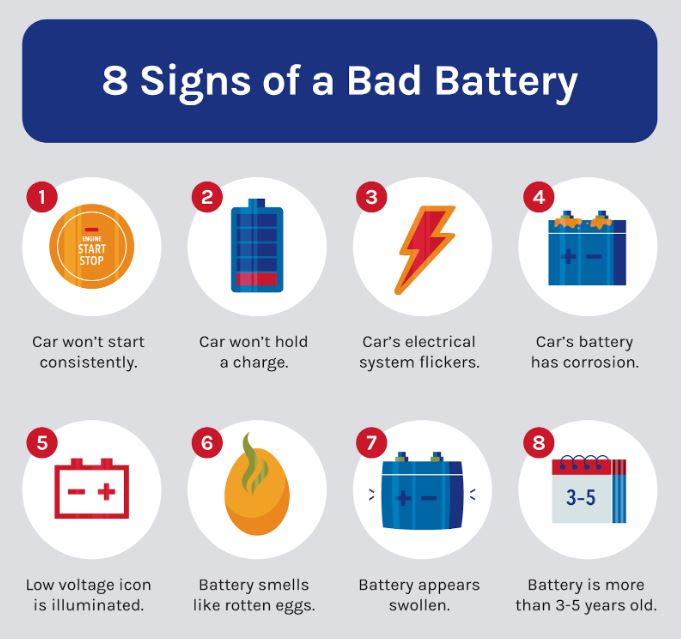
All car batteries wear out over time. Most batteries last around 3 to 5 years. As a battery gets older, it holds less charge. You might notice that your car is harder to start. This is a sign that the battery is getting old. It’s important to replace old batteries before they fail completely.
Hot and cold weather can harm car batteries. In hot weather, batteries can lose water and corrode. In cold weather, batteries can freeze and become weak. It’s best to keep your car in a garage during extreme temperatures. This helps protect the battery from damage.
Short trips can drain a car battery. The car needs time to recharge the battery. If the engine runs for a short time, the battery may not recharge fully. Try to take longer trips sometimes. This will give the battery a chance to charge properly.
Impact Of Corrosion
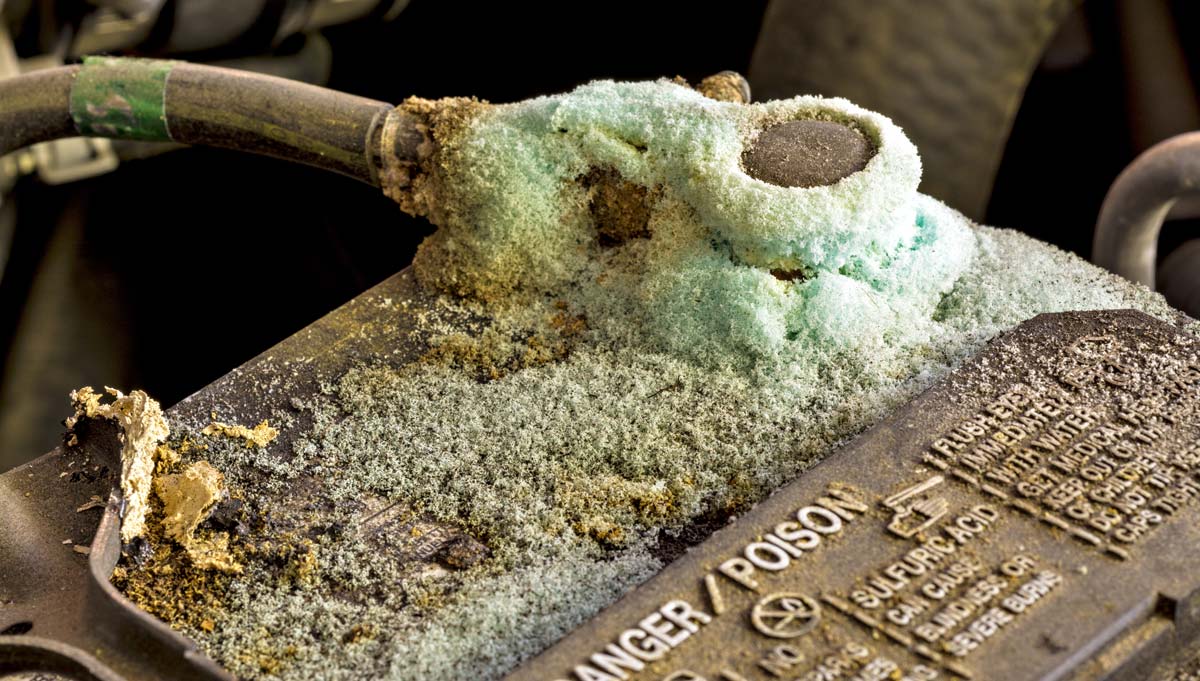
Corrosion eats away at car battery terminals, causing poor connections. This leads to starting problems and reduced battery life. Regular maintenance can help prevent these issues, ensuring your car runs smoothly.
Corrosion On Terminals
Car battery terminals often face corrosion issues. This corrosion happens due to chemical reactions. Acid from the battery causes this. Terminals can become dirtyor even greenish. This affects the battery’s performance. Cleaning the terminals helps. Use a wire brush or a special cleaner. Keep terminals free from dirt and acid.
Effects On Conductivity
Corrosion harms the battery’s conductivity. It stops electricity flow. This means the car might not start. Conductivity is crucial for engine power. Poor conductivity can drain the battery fast. Regular checks are important. Clean terminals prevent issues. A smooth electricity flow helps battery life.
Poor Charging Practices
A car battery often fails due to poor charging habits. Leaving lights on drains the battery quickly. Regular short drives prevent full charging, leading to battery deterioration.
Overcharging Issues
Car batteriescan suffer from overcharging. Too much charge can harm them. It makes the battery too hot. Heat can damage the inside parts. The battery life gets shorter. Charging too long is bad for batteries. A strong charger can overcharge quickly. Always use the right charger. Follow charging times. Keep the battery safe.
Undercharging Consequences
Underchargingcan cause problems too. The battery stays weak. It may not start the car. It needs full power to work well. If charged less, it can die quickly. This can lead to a dead battery. Check the battery charge often. Use a charger to keep it full. A battery with less charge is not good. It must have full power for long life.

Credit: stevesautorepairva.com
Electrical System Problems
The alternator charges the car battery. A faulty alternator can lead to problems. It may not charge the battery well. This makes the battery weak. A weak battery can go bad over time. It’s important to check the alternator. This helps keep the battery healthy.
Parasitic drain occurs when something uses battery power. Even when the car is off, it can happen. Car lights or radios left on can cause this. Over time, the battery loses charge. A drained battery will not start the car. Always turn off lights and devices. This can help save battery life.
Environmental Factors
Humiditycan make a car battery weak. Water in the air can cause rust. Rust can damage battery parts. This can make the battery stop working well. Keeping the car in a dry place helps. It keeps the battery safe from water damage.
Cars that move a lot have more vibration. This can hurt the battery. Shocks from bumps can also cause problems. They can break battery parts inside. A broken battery cannot hold power well. Using a soft mat can help. It keeps the battery steady and safe.
Credit: www.lesschwab.com
Signs Of A Failing Battery
The engine takes longer to start. It cranks slowly. This is a sign of a weak battery. Batteries provide power to start the engine. A weak battery struggles to deliver enough power. The engine might not start at all. Frequent slow cranking means the battery is close to failing. Pay attention to how your car starts.
Lights dim when the battery is weak. Headlights may not be bright. Interior lights can flicker. This happens because the battery is losing power. Lights need power to shine bright. A failing battery can’t supply enough. If lights dim often, check the battery. It might need replacement soon.
Preventive Measures
Check your car battery often. Clean the terminals with a cloth. Look for any leaks or damage. Use a battery tester to check the charge. Inspect cables and connections for wear. Replace old or worn parts. Keep the battery clean and dry.
Store the battery in a cool and dry place. Avoid leaving it in extreme heat or cold. Disconnect the battery if not using the car for a while. Place it on a wooden surface, not on metal. Cover it with a cloth to protect from dust.
Frequently Asked Questions
What Causes A Car Battery To Fail?
A car battery can fail due to age, extreme temperatures, or corrosion. Regular maintenance and timely replacement can prevent sudden failures. Additionally, electrical issues or leaving lights on can also drain the battery, leading to failure.
How Long Does A Car Battery Last?
Typically, a car battery lasts between three to five years. However, usage patterns and weather conditions can affect its lifespan. Regular inspections can help determine if a replacement is needed sooner.
Can A Dead Battery Be Recharged?
Yes, a dead battery can often be recharged using a car battery charger. However, if the battery is old or damaged, recharging might not be effective. It’s advisable to replace a consistently failing battery.
Why Does My Car Battery Keep Dying?
Frequent battery drainage can be due to parasitic drains or faulty alternators. Ensure all lights are turned off when the car is not in use. Regular checks can help identify and fix any issues causing frequent drainage.
Conclusion
Understanding why car batteries fail helps prevent future issues. Regular checks prolong battery life. Keep terminals clean to maintain good connections. Avoid leaving lights on to prevent drain. Extreme temperatures impact battery performance. Plan for routine inspections to catch early signs of trouble.
Replace old batteries before they die completely. Proper maintenance keeps your car running smoothly. Invest time in care to save money on replacements. Educate yourself on basic upkeep to ensure reliability. A well-cared-for battery supports a worry-free driving experience. Remember, taking small steps can make a big difference.