Why Does My Baby Hate the Car Seat?
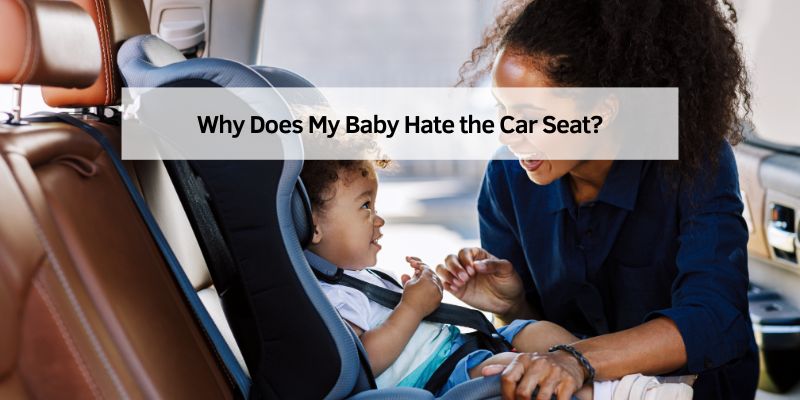
I remember the first time I strapped my little one into her car seat. She wailed like I’d betrayed her. It broke my heart, and I wondered, “Why does my baby hate the car seat?” If you’re reading this, you’re probably feeling the same way. Don’t worry—you’re not alone. Many parents face this struggle, and I’ve been there too. After months of trial and error, I’ve learned why babies fuss in car seats and how to make those car rides smoother. In this article, I’ll share what I’ve discovered, from common reasons to practical solutions, so you and your baby can enjoy stress-free trips.
Why Babies Dislike Car Seats
Let’s start with the big question: why do babies cry the moment they’re buckled in? I used to think my daughter just didn’t like being still. But there’s more to it. Babies are sensitive, and car seats can feel strange or uncomfortable to them. Here are some reasons I found through my own experience.
First, babies love being close to you. In a car seat, they’re separated, and that can feel lonely. My daughter always calmed down when I held her, but the car seat kept her at a distance. Also, car seats are designed for safety, not always comfort. The straps, padding, or even the angle might bother them. Some babies also get bored or feel trapped because they can’t move freely. Others might have sensory issues, like being sensitive to textures or sounds in the car. And let’s not forget—some babies just don’t like change. A car seat is a big shift from the cozy womb or your warm arms.
Common Triggers for Car Seat Discomfort
I noticed certain things made my baby’s car seat tantrums worse. Let’s break down the most common triggers I’ve come across.
Physical Discomfort
When I first put my baby in her car seat, I didn’t realize the straps were too tight. They dug into her shoulders, and she let me know with a scream. Loose straps, on the other hand, can make babies feel unsteady. The seat’s padding or material can also irritate sensitive skin. My daughter’s car seat had a rough patch that rubbed her legs. I only noticed after checking closely. Temperature matters too. Car seats can get hot in summer or chilly in winter, making your baby fussy.
Motion Sickness
I never thought babies could get motion sickness, but they can. The car’s movement, especially on winding roads, can upset their tiny stomachs. My little one would cry more on long drives, and I later learned it was the motion making her queasy. Babies can’t tell you they feel dizzy, so they cry instead.
Boredom or Anxiety
Babies get bored fast. Staring at the back of a car seat isn’t exactly exciting. My daughter would fuss after a few minutes because she had nothing to look at. Also, some babies feel anxious when they can’t see you. Rear-facing car seats, while safe, block their view of mom or dad. That separation can spark car seat anxiety.
Hunger or Fatigue
Timing is everything. If my baby was hungry or tired, the car seat was her enemy. A hungry baby won’t sit quietly, and an overtired one will cry even louder. I learned to plan car trips around her feeding and nap schedule.
How to Make Your Baby Love the Car Seat
Once I understood why my baby hated her car seat, I started trying solutions. Some worked better than others, but here’s what helped us the most.
Adjust the Car Seat for Comfort
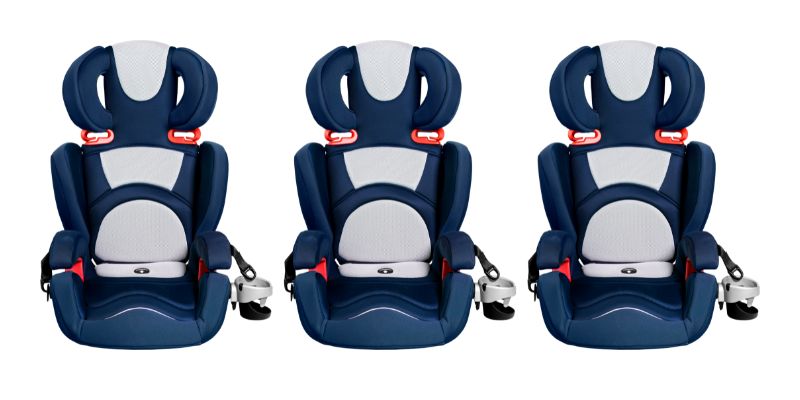
First, check the fit. I made sure the straps were snug but not pinching. The chest clip should sit at armpit level. I also added a soft car seat cover to make it cozier. If your baby’s seat feels too hard, try a padded insert designed for infants. Just make sure it’s safety-approved. I also adjusted the recline angle. Too upright, and my baby fussed. Too flat, and it wasn’t safe. Check your car seat manual for the right angle.
Create a Soothing Environment
I found that a calm car ride made a big difference. I played soft lullabies or white noise through the car speakers. My daughter loved the sound of rain—it worked like magic. I also hung a colorful toy on the car seat handle, but I made sure it was secure and didn’t block her view. A small mirror on the back seat let her see me, which eased her anxiety. Just be sure the mirror is crash-tested for safety.
Plan Around Your Baby’s Needs
Timing was a game-changer for us. I stopped putting my baby in the car seat when she was hungry or sleepy. Instead, I fed her and let her nap before trips. If we had a long drive, I planned stops to let her stretch and cuddle. A quick break can reset their mood.
Gradual Desensitization
My baby didn’t love her car seat overnight. I started by letting her sit in it at home. I’d put her in for a few minutes while singing or playing. Slowly, she got used to it. I also took short practice drives around the block. Over time, she stopped seeing the car seat as a scary place.
Address Motion Sickness
If you suspect motion sickness, keep the car cool and well-ventilated. I cracked the window slightly for fresh air. Avoid heavy meals before a drive, and try to drive smoothly. Sharp turns or sudden stops made my baby’s tummy worse. If it’s a big issue, talk to your pediatrician about safe remedies for babies.
Car Seat Safety Tips Every Parent Should Know
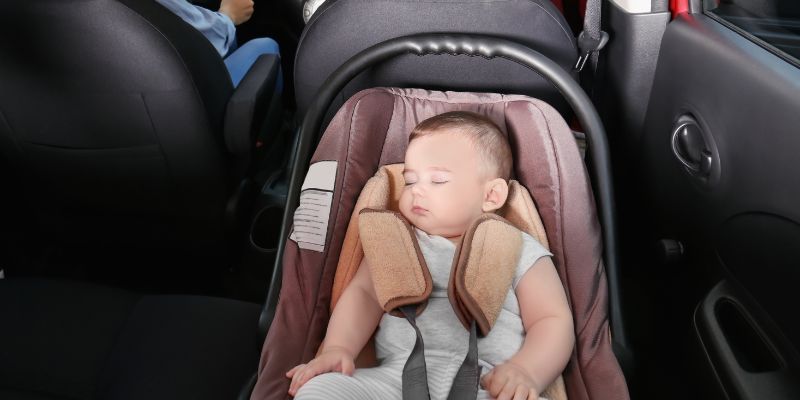
Safety is why we use car seats in the first place. But I learned that small mistakes can make a big difference. Here’s a table of safety tips I wish I’d known sooner.
| Safety Tip | Why It Matters |
|---|---|
| Always use a rear-facing car seat for infants | Keeps your baby’s head and neck safe in a crash |
| Check straps for proper fit | Too tight or too loose can cause discomfort or reduce safety |
| Never add unapproved accessories | Non-regulated pads or toys can interfere with safety features |
| Install the car seat correctly | A loose base can fail in an accident—use LATCH or seat belts properly |
| Replace car seats after a crash | Even minor crashes can weaken the structure |
I can’t stress enough how important it is to read your car seat’s manual. I thought I knew how to install mine, but I missed a step. A certified car seat technician at my local fire station checked it for free and fixed my mistakes. Many communities offer this service, so look for one near you.
When to Seek Professional Help
Sometimes, the problem goes beyond a fussy baby. If your baby cries uncontrollably or seems in pain, it might be more than car seat dislike. My friend’s baby had reflux, and the car seat angle made it worse. A pediatrician helped them adjust the seat and suggested medication. Sensory issues or developmental concerns can also play a role. If you’ve tried everything and your baby still hates the car seat, talk to a doctor. They can check for underlying issues.
My Personal Journey and Tips That Worked
Every baby is different, but I’ll share what worked for us. My daughter’s car seat battles were toughest at around 6 months. She’d cry the second I buckled her in. I felt like a failure. But little changes made a big difference. I started with a soft blanket for comfort (tucked safely under the straps). I also played her favorite songs and talked to her during drives. “We’re going to see Grandma!” I’d say, and my cheerful voice seemed to calm her. Short trips helped her get used to the car seat, and I always had a bottle or pacifier ready for emergencies. Patience was key. What worked one week might not work the next, but we kept trying.
Conclusion
Dealing with a baby who hates the car seat can feel overwhelming, but it gets better. I’ve been there, feeling frustrated as my daughter cried on every drive. By understanding why she was upset—whether it was discomfort, boredom, or just missing me—I found ways to make car rides enjoyable. Check the car seat fit, create a soothing vibe, and time your trips wisely. Be patient and try different tricks. Soon, you’ll find what works for your little one. You’ve got this, and I’m rooting for you. Here’s to happier car rides with your baby!
FAQs
Why does my baby cry as soon as I put them in the car seat?
Your baby might feel uncomfortable or anxious. Check the straps for a snug fit and make sure the seat isn’t too hot or cold. They might also miss being close to you. Try soothing music or a familiar toy to help them feel secure.
Can motion sickness cause my baby to hate the car seat?
Yes, babies can get motion sickness. The car’s movement can upset their stomach, especially on long or curvy drives. Keep the car cool, drive smoothly, and talk to a pediatrician if it’s a big problem.
How can I make my baby more comfortable in the car seat?
Adjust the straps and recline angle for comfort. Add a safety-approved padded cover. Play soft music or white noise, and use a mirror so they can see you. Short practice sessions in the car seat at home can also help.
Is it safe to add toys or accessories to the car seat?
Only use crash-tested, manufacturer-approved accessories. Loose toys or unapproved pads can be dangerous in a crash. Check your car seat manual for safe options.
When should I replace my baby’s car seat?
Replace it after any crash, even a minor one. Also, check the expiration date—most car seats last 6-10 years. If your baby outgrows the weight or height limit, it’s time for a new one.