Why Does My Car Battery Keep Corroding?
Hey there! If you’ve ever popped the hood of your car and noticed a crusty, white or bluish buildup around your battery terminals, you’re not alone. That pesky corrosion can feel like a mystery, and it’s something I’ve dealt with more times than I’d like to admit. As someone who’s spent hours tinkering with cars and digging into the nitty-gritty of battery issues, I’m here to walk you through why your car battery keeps corroding, how to fix it, and how to prevent it from happening again. Let’s break it down in a way that’s easy to understand, whether you’re a car enthusiast or just someone trying to keep their ride running smoothly.
Car battery corrosion isn’t just an eyesore—it can mess with your car’s performance, cause starting issues, and even shorten the life of your battery. In this article, I’ll share what I’ve learned from my own experiences, from the science behind corrosion to practical tips for keeping it at bay. My goal is to help you feel confident tackling this issue, so let’s dive in!
What Is Car Battery Corrosion?
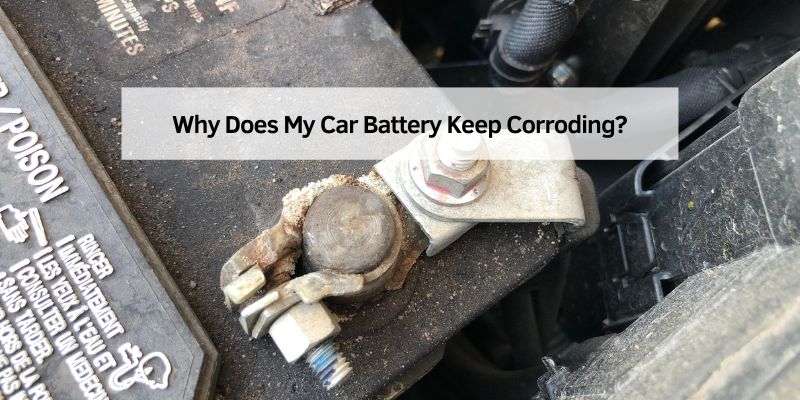
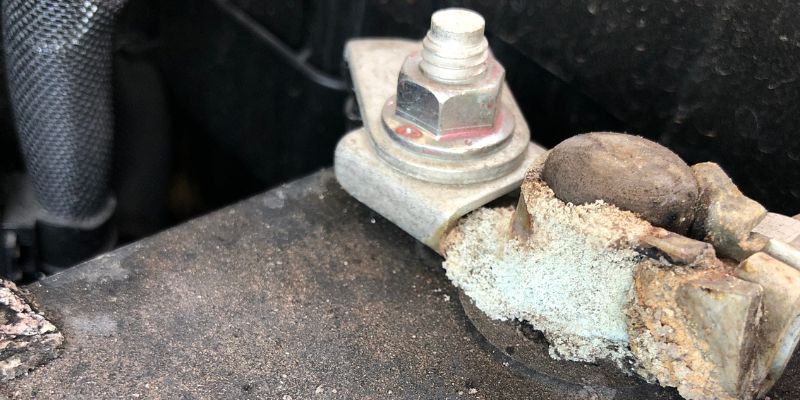
Picture this: you open your car’s hood to check on things, and there’s this powdery, crusty stuff caked around the battery terminals. That’s corrosion. It’s usually white, green, or bluish and looks like something you’d scrape off an old penny. But what is it, really?
Corrosion happens when a chemical reaction occurs on the metal parts of your battery, usually the terminals or connectors. The most common culprit is a reaction between the battery’s lead terminals and sulfuric acid from the battery’s electrolyte solution. When these mix with air or moisture, they form a compound called lead sulfate, which is what you see as that crusty buildup.
In my early days of dealing with cars, I thought corrosion was just dirt or grime. But it’s more than that—it’s a sign your battery is reacting to its environment. If left unchecked, it can block the flow of electricity, making it harder for your car to start or even causing electrical issues. Understanding what corrosion is was my first step to figuring out how to stop it.
Why Does My Battery Keep Corroding?
Now, let’s get to the heart of the question: why does this keep happening? Over the years, I’ve narrowed it down to a few key reasons. Each one plays a role, and sometimes it’s a combination of factors. Here’s what I’ve found:
Overcharging the Battery
One of the first times I noticed corrosion on my old sedan’s battery, I learned it was because the battery was being overcharged. Your car’s alternator is supposed to charge the battery just enough to keep it powered. But if the alternator or voltage regulator is faulty, it can pump too much juice into the battery.
This overcharging causes the battery to heat up and release more hydrogen gas. That gas mixes with the electrolyte inside the battery, and when it escapes through tiny vents, it can react with the metal terminals, leading to corrosion. I had to replace my alternator to fix this, and it made a huge difference.
Leaking Battery Acid
Another time, I found corrosion because my battery was leaking. Most car batteries are lead-acid batteries, which contain sulfuric acid. If the battery case cracks or the seals around the terminals wear out, that acid can leak out and react with the metal, causing corrosion.
I remember checking my battery after a particularly bumpy road trip and noticing tiny cracks in the casing. That was the source of the problem. If you’re seeing corrosion, take a close look at your battery for any signs of leaks or damage.
High Temperatures and Humidity
Living in a hot and humid part of the USA, I’ve learned that weather plays a big role in battery corrosion. Heat speeds up chemical reactions, and humidity adds moisture to the mix, creating the perfect environment for corrosion to thrive. The hotter it gets under the hood, the faster those reactions happen.
I noticed this especially during summer months when my car was parked outside all day. The corrosion seemed to build up faster than usual. If you live in a warm climate or park your car in direct sunlight, this could be part of the problem.
Loose or Dirty Connections
Loose or dirty battery terminals are another common cause. When the cables aren’t tightly connected, small amounts of electrolyte can escape and react with the metal. Dirt, grease, or even road grime can also trap moisture against the terminals, speeding up corrosion.
I’ve made it a habit to check my battery connections every few months. A quick wiggle of the cables can tell you if they’re loose, and a little cleaning goes a long way.
Old or Faulty Battery
Sometimes, the battery itself is the issue. As batteries age, they’re more likely to leak or produce excess gas, both of which contribute to corrosion. Most car batteries last about 3 to 5 years, but if yours is older, it might be struggling to keep up.
I had a battery that was pushing six years old, and no matter how much I cleaned the terminals, the corrosion kept coming back. Replacing the battery was the only solution.
Table: Common Causes of Battery Corrosion
| Cause | What Happens | How to Spot It |
|---|---|---|
| Overcharging | Excess voltage causes gas buildup | Battery feels warm, corrosion builds fast |
| Leaking Battery Acid | Acid escapes and reacts with terminals | Visible cracks or wet spots on battery |
| High Temperatures | Heat speeds up chemical reactions | Worse in summer or hot climates |
| Loose/Dirty Connections | Poor contact traps moisture and grime | Loose cables, grime around terminals |
| Old Battery | Aging battery leaks or produces excess gas | Battery over 3-5 years old, frequent corrosion |
How Can I Tell If Corrosion Is Causing Problems?
Corrosion isn’t just a cosmetic issue—it can mess with your car’s performance. Here’s what I’ve noticed when corrosion starts causing trouble:
- Hard Starting: If your car struggles to start or takes a few tries, corrosion might be blocking the electrical flow.
- Dim Lights: Headlights or interior lights looking dim? Corrosion could be reducing the battery’s power output.
- Electrical Issues: Things like power windows or the radio acting up can be a sign of poor battery connections.
- Battery Drain: Corrosion can cause a slow drain, leaving your battery dead when you least expect it.
I remember one morning when my car wouldn’t start, and I was late for work. After a quick check, I saw the terminals were caked with corrosion. A good cleaning got me back on the road, but it was a wake-up call to stay on top of maintenance.
How to Clean Battery Corrosion Safely
Cleaning corrosion is something I’ve done plenty of times, and it’s easier than you might think. But you’ve got to do it safely—battery acid is no joke. Here’s my step-by-step process:
- Gather Supplies: You’ll need gloves, safety glasses, a wrench, a wire brush, baking soda, water, a rag, and some petroleum jelly.
- Turn Off the Car: Make sure the engine is off and the keys are out of the ignition.
- Disconnect the Battery: Loosen the negative (-) cable first, then the positive (+). This prevents sparks or shocks.
- Mix a Cleaning Solution: Combine a tablespoon of baking soda with a cup of water. This neutralizes the acid.
- Clean the Terminals: Dip the wire brush in the solution and scrub the corrosion off. It’ll fizz as the baking soda does its job.
- Rinse and Dry: Wipe the terminals with a damp rag, then dry them thoroughly.
- Reconnect the Cables: Attach the positive (+) cable first, then the negative (-). Tighten them securely.
- Apply Protection: Smear a thin layer of petroleum jelly on the terminals to prevent future corrosion.
The first time I did this, I was nervous about handling the battery, but it’s straightforward once you get the hang of it. Just take your time and wear protective gear.
How to Prevent Battery Corrosion
Once you’ve cleaned the corrosion, you’ll want to keep it from coming back. Here’s what I’ve found works:
Check Your Battery Regularly
I make it a point to inspect my battery every couple of months, especially in summer. Look for signs of corrosion, loose cables, or cracks in the battery case. Catching issues early saves a lot of hassle.
Use Anti-Corrosion Products
There are anti-corrosion sprays and felt washers you can buy at any auto parts store. I’ve used the washers before—they sit between the terminal and cable and help reduce corrosion. They’re cheap and easy to install.
Keep Connections Tight
Loose connections are a corrosion magnet. Every time I check my battery, I make sure the cables are snug. A quick twist with a wrench is usually all it takes.
Avoid Extreme Heat
If you can, park your car in a garage or shaded area during hot weather. It won’t stop corrosion completely, but it helps slow it down.
Replace an Old Battery
If your battery is over 4 years old and corrosion keeps coming back, it might be time for a new one. I learned this the hard way after fighting corrosion for months on an old battery.
When Should I Replace My Battery?
Sometimes, cleaning and prevention aren’t enough. If your battery is leaking, cracked, or just too old, replacing it is the best option. Here’s how I decide when it’s time:
- Age: If the battery is over 3-5 years old, it’s nearing the end of its lifespan.
- Frequent Corrosion: If you’re cleaning corrosion every few weeks, the battery might be leaking or failing.
- Starting Issues: If your car struggles to start even after cleaning, the battery could be weak.
- Physical Damage: Cracks, bulges, or leaks are a sign it’s time to swap it out.
When I replaced my last battery, I took it to an auto parts store where they tested it for free. They confirmed it was shot, and I picked up a new one on the spot.
Can Corrosion Damage Other Parts of My Car?
This is something I worried about when I first noticed corrosion. The good news is that corrosion on the battery itself usually doesn’t spread to other parts. But if battery acid leaks onto nearby components, like the battery tray or cables, it can cause damage over time.
I once had a small leak that ate away at the metal tray under the battery. I had to replace it to prevent further issues. Check for any signs of acid dripping and clean it up immediately to avoid costly repairs.
Conclusion
Dealing with car battery corrosion can feel like a never-ending battle, but it doesn’t have to be. From my own experiences, I’ve learned that understanding why it happens—whether it’s overcharging, leaks, heat, or loose connections—is the key to keeping it under control. By cleaning the terminals properly, checking your battery regularly, and using preventive measures like anti-corrosion washers, you can save yourself a lot of headaches. And if your battery is old or damaged, don’t wait for it to leave you stranded—replace it.
I hope this guide helps you tackle battery corrosion with confidence. There’s something satisfying about popping the hood, fixing the problem, and knowing your car is ready to roll. If you’ve got a corrosion issue, grab your gloves and baking soda, and give it a try. You’ve got this!
FAQs
Why does my car battery corrode so quickly?
Corrosion can build up fast if your battery is overcharging, leaking, or exposed to heat and humidity. Check for loose connections or an old battery, as those can speed things up too. Regular cleaning and maintenance can slow it down.
Can I drive my car with battery corrosion?
You can, but it’s not a good idea. Corrosion can weaken the battery’s connection, leading to starting issues or electrical problems. Clean it as soon as possible to avoid getting stranded.
Is battery corrosion dangerous?
The corrosion itself isn’t too dangerous, but the acid causing it can burn your skin or eyes. Always wear gloves and safety glasses when cleaning, and avoid touching the corrosion with bare hands.
How often should I check my battery for corrosion?
I check mine every 2-3 months, especially in hot weather. If you notice corrosion coming back quickly, check more often and look for underlying issues like leaks or overcharging.
Can I use household items to clean battery corrosion?
Yes! Baking soda and water work great to neutralize the acid. Just mix a tablespoon of baking soda with a cup of water, scrub with a brush, and rinse carefully.