Why Does My Car Smell Like Burnt Plastic? A Complete Guide to Diagnosing and Fixing the Issue
Hey there! So, you’ve noticed your car smells like burnt plastic, huh? That’s not exactly the vibe you want when you’re cruising down the road. I’ve been there—my old sedan started giving off this weird, acrid odor a few years back, and it had me worried something serious was wrong.
It’s unsettling, but don’t panic! I’ve spent time sniffing out (pun intended) the causes of this problem, both in my cars and by talking to mechanics and friends. In this guide, I’m going to walk you through why your car might smell like burnt plastic, how to figure out what’s causing it, and what you can do to fix it. It’s like we’re sitting in your garage, troubleshooting together. Let’s dive in and clear the air!
What Does a Burnt Plastic Smell Mean?
When your car smells like burnt plastic, it’s usually a sign that something is overheating or melting. Plastic components in your car—like wiring insulation, dashboard parts, or even stuff left in the car—can give off that distinct smell when they get too hot. I remember the first time I noticed it in my car; it was like someone had left a plastic bag on a hot stove. The smell is sharp, chemical-like, and hard to ignore.
This odor is different from other car smells, like burning rubber or oil. It’s often a clue that something electrical or plastic-related is in trouble. The good news? Catching it early can save you from bigger problems. Let’s explore the most common reasons this happens.
Common Causes of a Burnt Plastic Smell
There are several reasons your car might smell like burnt plastic. I’ve seen a few of these myself, and each one has its fix. Here’s what I’ve learned about the main culprits:
Electrical Issues
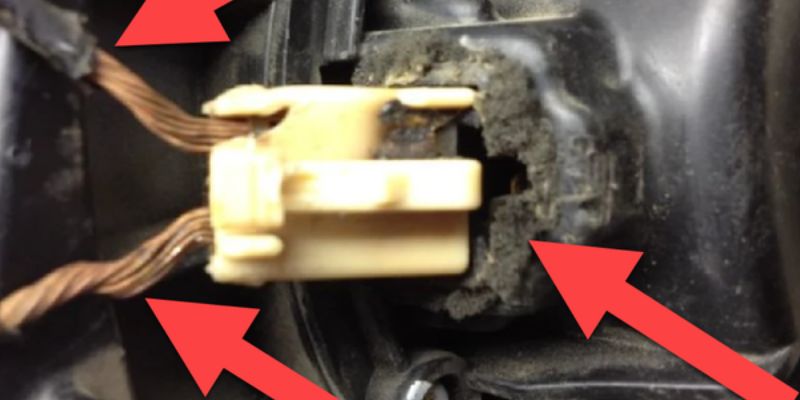
One of the most common causes is an electrical problem. Cars have tons of wiring, and the insulation around those wires is often plastic. If a wire shorts out or overheats, the insulation can melt, releasing that burnt plastic smell. I had this happen once when a loose wire in my dashboard started overheating. It was scary, but fixing it early prevented a fire hazard.
Overheated Components
Plastic parts near the engine, like the air intake cover or battery casing, can melt if they get too hot. I noticed this in my old truck when the engine bay got too warm after a long drive. The heat from the engine can soften or burn plastic components, especially if they’re not heat-resistant.
Foreign Objects
Sometimes, the culprit is something as simple as a plastic bag or wrapper stuck in the engine bay or exhaust. I once found a grocery bag melted onto my exhaust manifold after a road trip. It must’ve blown under the car and gotten stuck. The heat from the engine or exhaust can melt these objects, causing that telltale smell.
Faulty Heater or Blower Motor
Your car’s heater system has plastic parts, like the blower motor housing. If the motor is failing or clogged with debris, it can overheat and melt those parts. I helped a friend diagnose this when her car’s heater started smelling like burnt plastic every time she turned it on.
Spilled Liquids or Debris
If you spill something like a soda bottle or leave plastic items in the car, they can melt or burn in the heat. I learned this the hard way when I left a plastic water bottle under the seat, and it got too close to a hot vent. The smell was awful until I found and removed it.
How to Diagnose the Burnt Plastic Smell
Figuring out what’s causing the smell is like being a detective. I’ve done this a few times, and it’s all about following the clues. Here’s how I approach it:
Step 1: Pinpoint When the Smell Happens
Pay attention to when you notice the odor. Does it happen when you turn on the heater? After a long drive? Only when the car’s been sitting? I had a car that only smelled when I used the air conditioning, which pointed to the blower motor. Note the conditions—it’ll help narrow down the cause.
Step 2: Check the Cabin
Start by looking inside the car. Check under seats, in the glovebox, and around the dashboard for melted plastic items, like bottles or wrappers. I found a melted pen cap under my seat once that was causing a faint burnt smell. Clear out any debris and see if the smell goes away.
Step 3: Pop the Hood
Next, open the hood and look for obvious signs of trouble. Check for melted plastic parts, like the battery cover or air intake. Look for stray objects, like bags or leaves, stuck in the engine bay. I once found a plastic bag wrapped around a hot engine part—removing it fixed the problem instantly.
Step 4: Inspect the Heater and Vents
Turn on the heater or air conditioning and see if the smell gets stronger. If it does, the issue might be in the blower motor or heater core. I had to clean out leaves from my car’s ventilation system once because they were burning and causing a smell.
Step 5: Check for Electrical Issues
If you suspect wiring, look for signs of melted insulation or burn marks near electrical components. This is trickier, so if you’re not comfortable, get a mechanic to help. I took my car to a shop when I saw scorched wires under the dash—it was too risky to tackle it myself.
Tools You Might Need
To diagnose and fix the issue, you’ll need a few things. Here’s what I keep handy:
| Item | Purpose |
|---|---|
| Flashlight | To spot melted parts or debris in tight spaces. |
| Screwdriver set | To remove panels or access the blower motor. |
| Gloves | To protect your hands from hot or sharp parts. |
| Multimeter | To check for electrical issues, like short circuits. |
| Shop towel | To clean up spills or debris causing the smell. |
I got most of these at a local auto parts store for cheap. A flashlight was my best friend when I was hunting for a melted plastic bag in my engine bay.
Safety First
Before you start poking around, let’s talk safety. Burnt plastic smells can mean electrical issues, which can be dangerous. I learned this when I smelled burning wires and realized I needed to act fast to avoid a fire. Here’s what I do:
- Turn off the car: If the smell is strong, shut off the engine and let it cool.
- Disconnect the battery: If you’re checking electrical components, disconnect the negative battery terminal to avoid shocks.
- Ventilate the area: Open windows or work outside to avoid breathing in fumes.
- Wear gloves: Hot or melted parts can burn your hands.
I always keep a fire extinguisher in my garage, just in case. Better safe than sorry!
Fixing the Burnt Plastic Smell
Once you’ve found the cause, it’s time to fix it. Here’s how I’ve handled the most common issues:
Removing Foreign Objects
If a plastic bag or debris is the problem, remove it carefully. Let the car cool down first, then use gloves to pull out the object. I used a pair of tongs to fish a melted bag out of my exhaust manifold once. Clean the area with a shop towel to remove any residue.
Cleaning the Heater or Vents
If the smell comes from the heater, check the blower motor or cabin air filter. I had to replace a clogged filter in my car because it was trapping debris that burned when the heater ran. Remove the filter (usually behind the glovebox) and clean the vents with compressed air. If the blower motor is failing, you might need a mechanic to replace it.
Addressing Electrical Issues
Electrical problems are serious, so proceed with caution. If you see melted wires or burn marks, don’t mess with them yourself unless you’re experienced. I took my car to a shop when I found scorched wiring, and they replaced the damaged harness for about $200. If you’re handy, use a multimeter to check for shorts, but always disconnect the battery first.
Replacing Melted Components
If a plastic part, like the battery cover or air intake, is melted, replace it. I found a replacement battery cover for my truck online for $15. Check your car’s manual for the right part number, and make sure the new part is heat-resistant. Installation is usually straightforward—just a few screws or clips.
Preventing Overheating
If the engine is running too hot, it can melt nearby plastic parts. Check your coolant levels and radiator for leaks. I had a low coolant issue once that caused overheating and a burnt smell. Top off the coolant and fix any leaks to keep the engine cool.
When to Call a Professional
Some issues, like electrical shorts or major overheating, are best left to pros. I tried fixing a wiring issue myself once and ended up making it worse. If you see smoke, sparks, or can’t find the source of the smell, take your car to a mechanic. A diagnostic fee (usually $50-$100) is worth it to avoid bigger problems. I always ask for a detailed explanation so I know what’s going on.
Preventing the Burnt Plastic Smell
Once you’ve fixed the issue, you’ll want to keep that smell from coming back. Here’s what I do to prevent it:
- Check the engine bay regularly: Look for debris or loose plastic parts every few months.
- Keep the cabin clean: Avoid leaving plastic items in hot areas, like under seats or near vents.
- Maintain cooling systems: Check coolant levels and radiator function to prevent overheating.
- Inspect electrical systems: Have a mechanic check your wiring during routine maintenance.
- Use high-quality parts: Cheap plastic components can melt more easily. I learned this after a bargain air intake melted in my car.
These habits have kept my current car smell-free for years, and they’ll work for you too.
Costs of Fixing the Issue
The cost to fix a burnt plastic smell depends on the cause. Here’s a breakdown based on my experience:
| Issue | Cost Range |
|---|---|
| Removing debris | $0-$20 (DIY) |
| Replacing cabin air filter | $10-$50 |
| New plastic component | $15-$100 |
| Electrical repairs | $100-$500 |
| Blower motor replacement | $150-$400 |
I saved money by removing a melted bag myself, but electrical fixes were pricier. Get quotes from multiple shops to find the best deal.
Why It’s Worth Addressing the Smell
Ignoring a burnt plastic smell can lead to bigger problems, like electrical fires or engine damage. I made the mistake of driving with the smell for a week once, and it turned a $50 fix into a $300 repair. Fixing it early saves money and keeps your car safe. Plus, who wants to drive around smelling like a burnt plastic factory? Not me!
Conclusion
There you have it—everything you need to know about why your car smells like burnt plastic and how to fix it! I hope this guide has taken the mystery out of that worrisome odor and given you the confidence to tackle it. From checking for melted debris to handling electrical issues, you’re now ready to sniff out the problem and get your car smelling fresh again. I’ve been through this a few times, and let me tell you, there’s nothing like the relief of a clean, odor-free ride. So, grab a flashlight, pop the hood, and start investigating. If you’re ever in doubt, a good mechanic has your back. Got more questions? Check out the FAQs below, or drop a comment on the blog—I’d love to hear how you fixed it!
FAQs
Is a burnt plastic smell in my car dangerous?
It can be. The smell often means something is overheating or melting, which could lead to a fire hazard, especially if it’s electrical. I had a wiring issue once that smelled bad, and fixing it quickly prevented trouble. Don’t ignore it—check it out or see a mechanic.
How can I tell if the smell is coming from the engine or the cabin?
Pay attention to when the smell is strongest. If it’s worse with the heater or AC on, it’s likely the cabin vents. If it’s after a long drive, check the engine bay. I found a melted bag in my engine bay by following the smell after driving.
Can I drive my car if it smells like burnt plastic?
It’s risky. If the smell is faint and you find the cause (like a stray bag), you might be okay for a short drive to a shop. But if it’s strong or paired with smoke, pull over and get it towed. I drove with a faint smell once and regretted it when the repair bill grew.
How do I clean out my car’s vents to stop the smell?
Replace the cabin air filter, usually behind the glovebox, and use compressed air to blow out debris from the vents. I did this when my heater smelled like burnt leaves, and it worked like a charm.
Can a burnt plastic smell mean my engine is overheating?
Yes, overheating can melt plastic parts near the engine, like the air intake or battery cover. Check your coolant levels and radiator. I fixed an overheating issue in my truck, and the burnt smell went away.