Why Does My Dogs Nose Drip in the Car? Essential Guide
If your dog’s nose drips in the car, it is usually a normal response to temperature changes, excitement, or slight motion sickness. Monitor other symptoms; if the drip is clear and brief, it’s likely safe, but persistent, colored, or thick mucus needs a vet’s check-up.
It’s a common sight for dog owners: you’re cruising down the highway, windows slightly cracked, and you notice a small, wet spot on your dog’s nose. Seeing any sort of discharge can make a loving pet owner worry instantly. Is this a sign of illness? Is the car air too cold? Don’t panic! Often, a dripping nose in the car is completely normal behavior for your pup.
As your trusted automotive guide, I’m here to take the guesswork out of this common concern. We will look at the reasons why your dog’s nose might get a little runny while traveling. We’ll differentiate between harmless causes and those that might need a little attention. By understanding the simple mechanics behind this drip, you can keep your dog comfortable and your mind at ease on every road trip.
Understanding the Normal Canine Nose: Why It’s Always Wet
Before diving into car-related issues, it helps to remember that a dog’s nose is designed to be wet. This moisture isn’t just random; it serves crucial functions for your dog’s world.
A dog’s sense of smell is incredibly powerful, allowing them to detect scent particles that we can’t even imagine. The moist lining inside their nostrils helps trap these tiny scent molecules from the air. Think of it like a sticky trap for smells!
- Scent Trapping: The moisture helps dissolve airborne scent chemicals so the olfactory receptors can process them better.
- Temperature Regulation: A wet nose helps a little bit with cooling, similar to how light sweating works for humans, though panting is their primary cooling method.
- Cleaning: When a dog licks its nose (which they do often!), they are actually tasting some of the scents they’ve collected.
Common Reasons for Minor Nose Dripping Because of the Car Ride
When you introduce your dog to the unique environment of a moving vehicle, several factors can increase normal nasal moisture production, leading to a noticeable drip. These are usually nothing to worry about.
1. Temperature and Air Flow Changes
This is arguably the most frequent culprit. Cars change the local climate right around your dog very quickly. Think about when you roll down the window.
- Cool Air Blast: If the air conditioning is blasting cold air directly toward your dog, or if you’re moving fast and cool air rushes in through a cracked window, the sudden temperature drop can irritate the nasal passages. Just like a cold breeze makes your nose run outside, it can do the same to your dog.
- Humidity Shift: Moving from a humid home environment into a dry, high-speed car environment can also cause irritation as the nasal membranes try to adjust. Saline (nasal moisture) production ramps up to counteract the dryness.
2. Excitement and Anticipation
Dogs get incredibly excited about car rides, especially if the car ride almost always leads to the park, the beach, or Grandma’s house. This is a purely emotional response.
When your dog is happy, anxious, or intensely focused (perhaps seeing squirrels flying by!), their sympathetic nervous system kicks in—the “fight or flight” system. This excitement can lead to increased heart rate and, yes, increased nasal secretions. It’s their body physically reacting to positive anticipation.
3. Motion Sickness and Nausea
If the dripping is accompanied by other signs, motion sickness might be involved. This is more common in puppies or dogs not used to car travel. Dogs rely heavily on what their inner ear senses (balance) and what their eyes see. When these two senses disagree (the car is moving, but they feel stationary inside), it causes disorientation.
Nausea from motion sickness often presents as:
- Excessive drooling or lip-licking.
- Whining or restlessness.
- Frequent yawning.
- Increased nasal discharge (often clear, thin mucus).
If you suspect motion sickness, consult your veterinarian about safe, dog-specific anti-nausea treatments before long trips. You can learn more about common car safety tips for pets from organizations like the American Veterinary Medical Association (AVMA) regarding secure travel.
4. Allergens and Irritants in the Car
The car itself can sometimes introduce irritants that cause a temporary drip. Even though we clean our cars, they can harbor environmental triggers.
- Pollen and Dust: If the windows are down, your dog is inhaling a high concentration of pollen, dust, exhaust fumes, or road salt residue being kicked up from the road. The nose responds by washing out these irritants with excess mucus.
- Cleaning Products: Strong scents from air fresheners, disinfectants used to clean upholstery, or vinyl protectants can irritate sensitive nasal lining, triggering a drip.
When a Dripping Nose is a Sign to Pay Closer Attention
While most drips are normal excitement, we need to talk about the warning signs. If the discharge changes color, thickness, or persistence, it moves beyond simple car ride ambiance and becomes a health concern. If the drip is new or lasting long after the car ride stops, pay attention to these details.
Color Matters: Decoding the Discharge
The color of the discharge can give you an immediate clue about what might be happening internally. Always observe the consistency and color if the drip is excessive.
| Discharge Color/Type | Likely Cause in a Car Setting | Action Required |
|---|---|---|
| Clear and Thin | Excitement, temperature change, or mild allergies. | Usually none; monitor. |
| Thick, White, or Yellowish | Potential early sign of bacterial infection or significant inflammation. | Monitor closely; call vet if it persists after 24 hours. |
| Thick, Bright Green | Strong indication of a significant bacterial infection. | Veterinary visit is highly recommended. |
| Pink or Bloody | Nasal irritation, injury from something inside the car, or foreign object. | Immediate veterinary consultation advised. |
Signs of Underlying Medical Issues
If the dripping is chronic (happens every trip) and accompanies other symptoms, the car ride might just be the trigger for an existing condition. You might be dealing with something deeper than car-related irritation.
Look out for these associated symptoms:
- Persistent sneezing or reverse sneezing when not in the car.
- Swelling around the face or eyes.
- Head shaking or pawing at the face.
- Lethargy or disinterest in food shortly after the trip.
- Coughing or difficulty breathing.
If you notice any of these combined with a persistent drip, it’s time to schedule a visit with your trusted doctor. While we focus on cars, your pet’s health always comes first!
Simple Steps to Reduce Dripping and Keep Your Dog Comfy
As a driver concerned about your furry co-pilot, confidence comes from proactive management. Here are practical, easy steps you can take inside the cabin to minimize dripping caused by environmental factors.
1. Optimizing Airflow and Temperature
The goal here is smooth, consistent air, not blasts of cold or extreme dryness.
- Avoid Direct Blasts: Ensure heating or A/C vents are not aimed directly at your dog’s face or nose. Adjust vents toward the ceiling or floor.
- Use Indirect Airflow: If it’s a hot day, keep the windows slightly cracked instead of blasting the A/C. A small opening allows for gentle air exchange without causing a chilling wind.
- Check the Cabin Air Filter: A clogged or dirty cabin air filter can cause poor airflow and circulate dust or mold spores, irritating your dog’s respiratory system. Check your owner’s manual or contact a service professional to ensure it’s clean. A clean filter promotes healthier air quality for everyone. Think of this maintenance step as essential for better road trips!
2. Managing Anxiety and Excitement
If excitement is driving the drip, you need to manage the overall arousal level.
- Calm Departure Ritual: Don’t make getting in the car a huge, high-energy event. Keep your voice calm, use gentle commands, and load your dog without excessive cheering.
- Use a Safe Kennel or Harness: A secure restraint (a crash-tested harness or crate) provides a defined, safe space. This containment often reduces anxiety because the dog knows exactly where they need to be, decreasing overstimulation from the moving scenery.
- Practice Short Trips: Don’t jump straight into a five-hour journey. Start with five-minute drives ending at a nice outcome (like sharing a treat at home), slowly building positive association over many sessions.
3. Preparing for Motion Sickness
If you know your dog is prone to car sickness, preparation is key to preventing the associated nasal drip.
- Feed Lightly: Feed your dog a very light meal (or nothing at all) about three to four hours before the trip. A full stomach increases the likelihood of nausea.
- Stay Cool and Ventilated: Keep the car cool, and ensure the dog is looking forward, not out the side windows, which can worsen the visual/inner ear conflict.
- Try Comfort Accessories: Some dogs benefit from calming pheromone sprays in their crate or calming chews recommended by your vet.
4. Cleaning the Car Environment
Reducing airborne irritants helps keep the nasal passages calm.
- Wash dog beds, blankets, or seat covers regularly to remove pet dander, dust mites, and lingering allergens.
- If you use strong interior cleaners, air the car out thoroughly before putting your dog inside. Wipe down surfaces with gentle, unscented cleaners known to be pet-safe.
The Dog in the Wind: A Word on Open Windows
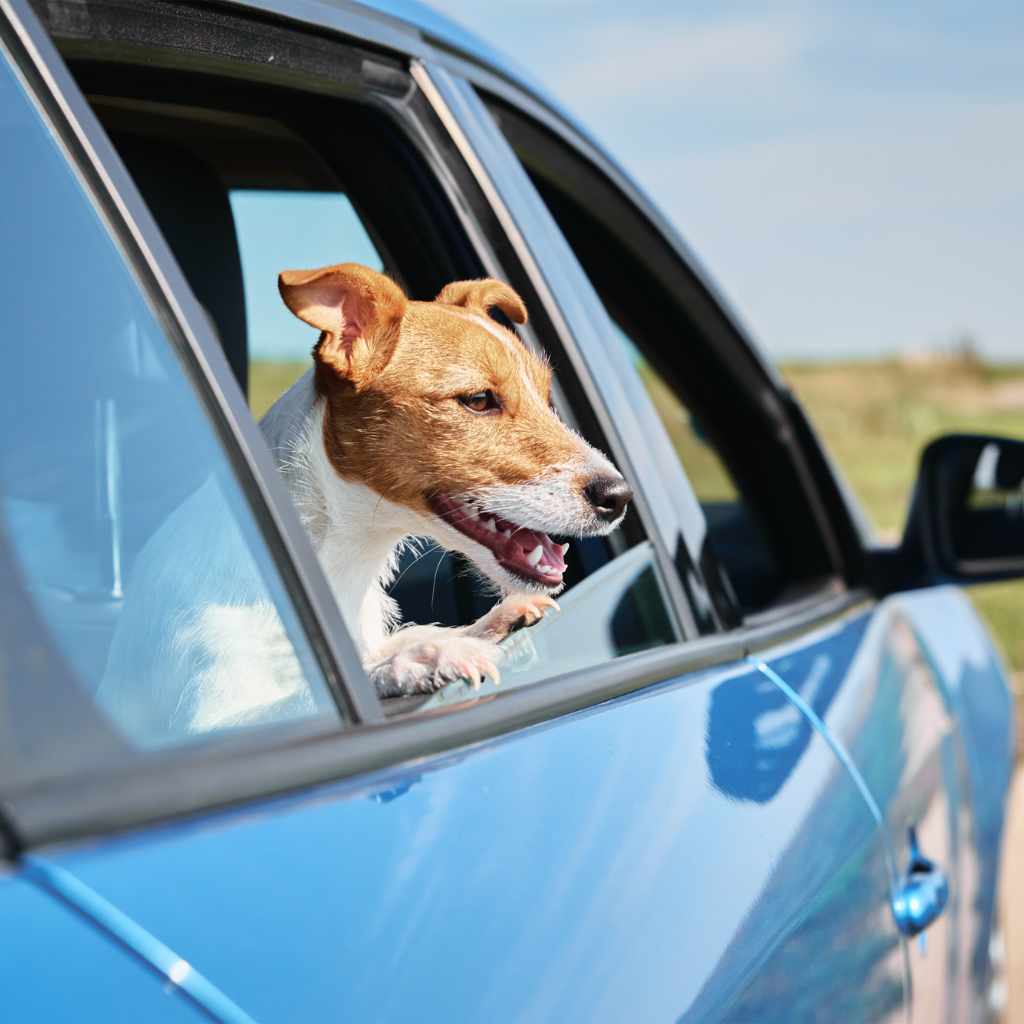
Many readers ask if letting the dog stick its head out the window is safe. While the image is iconic, from a safety and comfort standpoint, this practice should be heavily discouraged, as it dramatically increases the chances of nasal irritation and dripping.
Sticking their head out subjects them to:
- High-Velocity Debris: Small stones, insects, dust, and road grit hitting the sensitive eyes and nose at highway speeds can cause immediate injury or severe irritation leading to excessive discharge.
- Intense Air Pressure: The sheer force of fast-moving air can dry out and inflame the nasal lining very rapidly, causing excessive temporary mucus production.
- Wind Chill Factor: Rapid temperature shifts can shock the system, leading to more pronounced dripping than gentle air circulation.
For safety and comfort, it is better for your pet to be securely restrained inside the vehicle with windows only slightly cracked for gentle ventilation.
FAQ: Beginner-Friendly Answers About Dogs and Car Rides
Q1: Is it bad if my dog’s nose is dripping a little bit in the car?
A: Usually, no. A small, clear drip is typically just a normal reaction to excitement, temperature changes, or simple airflow in the car. If it stops quickly once the car stops, you are fine.
Q2: How long should the dripping last after the car ride is over?
A: If the cause was simply excitement or temporary airflow change, the dripping should stop within five to ten minutes of settling down in a stable environment.
Q3: Should I give my dog human cold medicine if their nose is running?
A: Absolutely not. Many over-the-counter cold remedies contain ingredients like acetaminophen (Tylenol) or pseudoephedrine that are highly toxic to dogs. Always speak to your veterinarian before giving any medication.
Q4: My dog always sneezes and drips when we drive on the highway. What can I do proactively?
A: Increase comfort by ensuring the temperature is mild and consistent, avoid direct airflow, and make sure their travel area is very clean and free of strong scents. If motion sickness is suspected, discuss preventative medication with your vet.
Q5: Can the car air conditioner itself cause the nose to drip too much?
A: Yes. Cold, dry air from the A/C can irritate the nasal passages, causing them to produce excess mucus in an attempt to stay moist and protected. Turn the temperature up slightly or redirect the vents.
Q6: What if the drip looks like foam or spit up?
A: Foamy or watery discharge, especially when paired with heavy panting or licking the lips, is a strong indication of significant nausea or motion sickness. This requires management focused on calming the dog’s stomach before the next trip.
Conclusion: Driving Confidently With Your Canine Companion
We’ve covered a lot of the mechanics behind that little drip on your dog’s nose during a car ride. Remember this: in the vast majority of cases, a mildly dripping nose is simply your dog’s highly functional respiratory system reacting normally to excitement, rapid temperature shifts, or new air currents inside the vehicle. It’s their body doing its job!
As a responsible driver, your role is to provide a safe and comfortable cabin. By ensuring consistent, mild temperatures, minimizing strong artificial smells, securing your dog safely, and gently building positive associations with travel, you can significantly reduce the likelihood of excessive dripping caused by environmental triggers or anxiety. Keep observing the color and consistency, and if things look abnormal or persist off the road, contact your veterinarian. Now that you understand the reasons, you can focus on enjoying the journey with your happy copilot resting easily beside you!