Is it Dangerous to Charge an Electric Car at Home?
Charging an electric car at home is a convenient and cost-effective way to keep your EV powered up, but understanding the potential risks is crucial for your safety and peace of mind. While generally safe, improper setup or maintenance can lead to hazards such as electrical fires, equipment damage, and electric shock. This post will guide you through the essential safety considerations and best practices for home EV charging — see our related guides, How Much Does It Cost to Charge an Electric Car and Do Electric Cars Catch Fire More Than Gas Cars?.
Simply put, charging an electric car at home is safe when done correctly with the right equipment and proper installation. The primary risks involve electrical faults from faulty wiring, incorrect charger usage, or inadequate maintenance, but these are preventable with informed practices and professional oversight.
Key Takeaways
- Charging an electric car at home is typically safe, but risks exist if installations and usage are not up to standard.
- Professional installation of EV charging equipment is highly recommended to ensure electrical code compliance and safety.
- Regular maintenance and inspection of charging equipment and your home’s electrical system are vital to prevent hazards.
- Using the correct charging level (Level 1 or Level 2) for your home’s capacity and vehicle needs minimizes strain.
- Understanding and adhering to manufacturer guidelines and local electrical codes is paramount for safe home EV charging.
What is Home EV Charging?
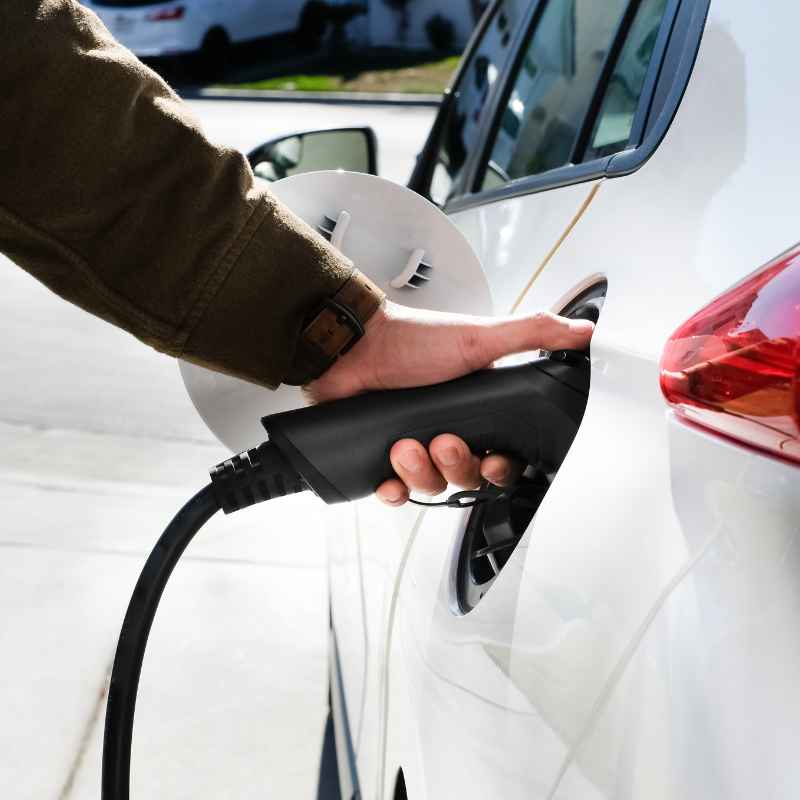
Home EV charging refers to the process of replenishing the battery of an electric vehicle using a power source connected to your residential electrical system. This typically involves either using a standard household outlet (Level 1 charging) or a dedicated, higher-power charging station installed at your home (Level 2 charging).
The convenience of waking up to a fully charged vehicle each morning makes home charging the preferred method for most EV owners. It eliminates the need for frequent stops at public charging stations, saving time and often money, as electricity rates at home are usually lower than public charging fees. However, the integration of high-power charging equipment into a residential setting necessitates a thorough understanding of electrical safety protocols.
The technology behind home EV charging is designed with safety features, but these are only effective when the equipment is installed correctly and used as intended. Factors such as the age and capacity of your home’s electrical panel, the quality of the charging equipment, and the expertise of the installer all play a significant role in determining the safety of your home charging setup. Ignoring these aspects can inadvertently create dangerous situations.
- Level 1 Charging: Uses a standard 120-volt household outlet. It’s the slowest charging method, typically adding 2-5 miles of range per hour. No special installation is usually required, making it accessible to most homeowners.
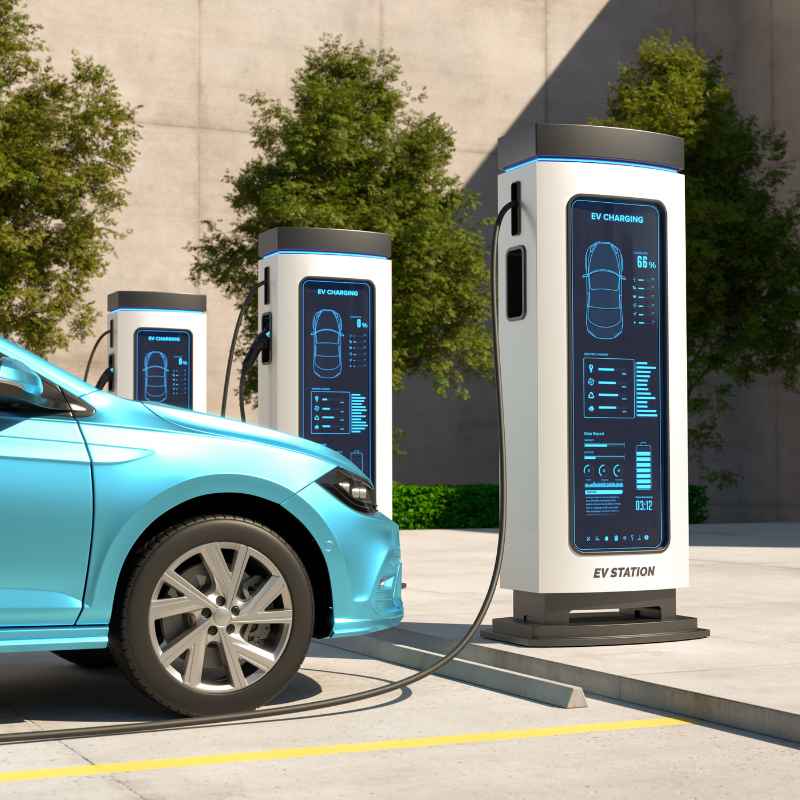
- Level 2 Charging: Requires a dedicated 240-volt circuit, similar to what an electric dryer or oven uses. It significantly speeds up charging, adding 20-60 miles of range per hour. This level demands professional installation to ensure it meets electrical code and can handle the power draw without overloading your home’s electrical system.
- Dedicated Circuit: Both Level 1 and Level 2 charging ideally require a dedicated circuit breaker in your home’s electrical panel. This prevents the charger from overloading the circuit if other appliances are running simultaneously.
- Amperage Requirements: Level 2 chargers come in various amperages (e.g., 16A, 30A, 40A, 48A). Higher amperage means faster charging but also requires a larger gauge wire and a higher-rated circuit breaker, impacting installation complexity and cost.
- Ground Fault Circuit Interrupter (GFCI): Many EV charging systems, especially those intended for outdoor use or Level 2 installations, incorporate GFCI protection to quickly shut off power in case of a ground fault, preventing electric shock.
- Smart Chargers: Modern Level 2 chargers are often “smart,” connecting to Wi-Fi to allow remote monitoring, scheduling of charging during off-peak hours, and detailed energy usage reports.
Potential Dangers of Home EV Charging
While the technology is robust, several potential dangers can arise if home EV charging isn’t handled with care. These risks primarily stem from electrical system issues, improper equipment use, or environmental factors. Understanding these potential hazards is the first step in mitigating them effectively.
Electrical fires are a significant concern, often caused by faulty wiring, loose connections, or overloading of the home’s electrical circuits. An incorrectly installed charger or an old electrical panel not designed for the sustained high load of EV charging can overheat, leading to ignition. Over-reliance on extension cords, especially those not rated for EV charging, is another common culprit for overheating and fire hazards.
Electric shock is another serious risk, particularly if charging equipment is damaged, exposed to water without proper protection, or if the vehicle’s charging port or the charging cable has defects. The high voltage involved in Level 2 charging can cause severe injury or death if safety protocols are not strictly followed.
Overloading Electrical Circuits
Residential electrical panels are designed to handle a specific load. When you introduce a high-demand appliance like an EV charger, especially a Level 2 unit, without proper assessment, you risk overloading the system. This can lead to tripped breakers, but in more severe cases, it can cause wiring to overheat, potentially leading to a fire.
A common scenario involves older homes with outdated electrical panels that may not have sufficient capacity or may not be wired to modern safety standards. Even in newer homes, if a dedicated circuit isn’t installed for a Level 2 charger, and it’s connected to a circuit already shared by other high-draw appliances, the risk of overload increases significantly.
According to the National Fire Protection Association (NFPA), electrical fires account for a substantial number of home fires annually. While not all are directly linked to EV charging, the introduction of new, high-draw electrical devices in homes necessitates a careful review of the existing electrical infrastructure to prevent such incidents.
Faulty or Damaged Charging Equipment
The charging cable, connector, and the charging station itself are subject to wear and tear. Physical damage, such as a cut in the cable, a bent charging pin, or a cracked enclosure, can compromise the safety of the equipment. Using damaged equipment can lead to arcing, short circuits, and electric shock hazards.
Exposure to the elements is another factor. If a charging station is installed outdoors and is not weatherproof, water ingress can cause corrosion and electrical faults. Similarly, if charging cables are frequently run over by vehicles or dragged on rough surfaces, they can sustain internal damage that isn’t immediately visible but can become a safety hazard.
Manufacturers design charging equipment with robust safety mechanisms, but these rely on the equipment being in good condition. Regular visual inspections are essential to identify any signs of damage, fraying, or corrosion. If any damage is found, the equipment should be taken out of service immediately until it can be repaired or replaced by a qualified professional.
Improper Installation Practices
Perhaps the most significant factor contributing to home EV charging dangers is improper installation. This can range from using the wrong gauge wire for the circuit, failing to install a dedicated circuit, incorrect grounding, or not adhering to local electrical codes and manufacturer instructions. These oversights can create hidden dangers that may not manifest until later.
A qualified electrician understands the National Electrical Code (NEC) and local regulations pertaining to EV charging installations. They will assess your home’s electrical panel capacity, determine the appropriate circuit breaker size, select the correct wiring, and ensure proper grounding. Skipping these steps or hiring an unqualified individual can lead to code violations and unsafe operating conditions.
For instance, not using a properly rated conduit for outdoor installations or not ensuring a watertight connection for outdoor chargers can create serious risks. A poorly grounded system might not effectively dissipate fault current, increasing the danger of electric shock.
Weather and Environmental Factors
While most home charging stations are designed to withstand various weather conditions, extreme elements can still pose a risk. Heavy rain, snow, or ice accumulation can affect charging ports and cables. Water ingress into electrical components is a major safety concern, potentially leading to short circuits or electric shock.
High temperatures can also impact charging equipment. While chargers are designed to operate within a certain temperature range, prolonged exposure to extreme heat, especially when combined with charging loads, can cause components to overheat. This can reduce the lifespan of the equipment and, in rare cases, pose a fire risk if cooling mechanisms are compromised.
To mitigate these risks, ensure that any outdoor charging equipment is installed in a location that offers some protection from the elements if possible, such as under a covered carport or porch. Always check the charging equipment for any signs of damage or water accumulation before plugging in your vehicle, especially after severe weather events.
Ensuring Safe Home EV Charging
Fortunately, the vast majority of home EV charging experiences are safe and trouble-free. By following best practices and prioritizing professional installation and regular maintenance, you can significantly minimize any potential risks associated with charging your electric car at home.
The cornerstone of safe home charging is professional installation. A qualified electrician will ensure that your charging setup is compliant with all safety codes and can handle the power demands of your EV without straining your home’s electrical system. They can also advise on the best type of charger for your needs and your home’s infrastructure.
Beyond installation, ongoing vigilance is key. Regular inspections of your charging equipment and electrical panel, along with mindful usage, will help maintain a safe charging environment. Educating yourself on the capabilities and limitations of your charging system is also an essential part of safe operation.
Professional Installation is Non-Negotiable
When installing a Level 2 charging station, always hire a licensed and insured electrician who has experience with EV charging installations. They will:
- Assess your home’s existing electrical panel capacity and determine if an upgrade is necessary.
- Install a dedicated, properly sized circuit breaker for the charger.
- Use the correct gauge wiring and conduit to ensure safe power delivery.
- Ensure all connections are secure and meet code requirements.
- Perform necessary grounding for safety.
- Provide documentation and a warranty for their work.
Trying to save money by performing a DIY installation for a Level 2 charger is a significant safety risk and could void your home insurance or warranties.
Choosing the Right Charging Equipment
Select charging equipment from reputable manufacturers that is certified by recognized safety organizations like UL, ETL, or CSA. These certifications indicate that the equipment has undergone rigorous testing for safety and performance. Consider:
| Feature | Considerations |
|---|---|
| Amperage Rating | Match to your vehicle’s charging capability and your electrical panel’s capacity. Higher amperage means faster charging but requires a beefier circuit. |
| Cord Length | Ensure it’s long enough to comfortably reach your vehicle’s charging port without tension or needing to use extension cords. |
| Durability & Weatherproofing | Look for chargers with high IP ratings for water and dust resistance if installed outdoors. |
| Smart Features | Consider Wi-Fi connectivity for scheduling, remote monitoring, and energy tracking. |
Choosing equipment that is ENERGY STAR certified can also ensure better efficiency and reduced energy waste.
Regular Maintenance and Inspection
Treat your EV charger like any other critical home appliance. Schedule regular visual inspections. This should include:
- Checking the charging cable for any signs of wear, cuts, or fraying.
- Ensuring the charging connector and vehicle port are clean and free of debris.
- Inspecting the charging station’s housing for cracks or damage.
- Confirming that outdoor installations are properly sealed against the elements.
- Listening for any unusual noises during charging, which could indicate a problem.
- Periodically checking your home’s electrical panel for any signs of overheating around the EV charger’s breaker.
If you notice any issues, stop using the charger immediately and contact a qualified electrician for an inspection and repair. Manufacturers often recommend specific maintenance schedules in their user manuals.
Understanding Your Home’s Electrical Capacity
Before installing a Level 2 charger, it’s essential to know your home’s electrical capacity. An electrician can perform a load calculation to determine if your existing electrical service can support the additional draw of an EV charger. In some cases, older homes may require an electrical service upgrade, which can be a significant but necessary investment for safe EV charging.
A qualified installer will also explain the importance of not daisy-chaining chargers or using long, underrated extension cords, as these practices create significant fire hazards. They will ensure the charger is connected directly to the dedicated circuit.
Modern homes often have 200-amp electrical service, which is generally sufficient for a Level 2 charger and other household appliances. However, homes with older or smaller electrical services (e.g., 100-amp) might need upgrades. It’s always best to get a professional assessment.
Level 1 vs. Level 2 Charging Safety
The safety considerations for Level 1 and Level 2 charging differ primarily due to the power levels involved. Level 1 charging is inherently less risky due to its lower amperage, but it’s not entirely without potential issues if misused.
Level 1 charging uses a standard 120-volt outlet. While most household circuits can handle this load for moderate periods, using an old, ungrounded outlet or a damaged extension cord can still pose risks. It’s also crucial to ensure the outlet and the circuit it’s connected to are in good condition.
Charging for extended periods on a circuit shared with other high-draw appliances (like space heaters or hair dryers) could potentially overload it.
Level 2 charging, with its 240-volt supply and higher amperage, demands a more robust safety approach. The increased current means that any fault or installation error has a greater potential for causing serious damage or fire. This is why professional installation and adherence to all safety codes are critical for Level 2 chargers.
The sustained high draw requires a dedicated circuit that can handle the load without impacting other household appliances.
| Aspect | Level 1 Charging | Level 2 Charging |
|---|---|---|
| Voltage | 120V | 240V |
| Amperage | Typically 8-12A | Typically 16A – 48A |
| Installation Requirement | Usually plugs into a standard outlet; dedicated circuit recommended for safety. | Requires professional installation of a dedicated 240V circuit. |
| Safety Risk Profile | Lower risk, but still susceptible to issues with old wiring, outlets, or using inappropriate extension cords. | Higher risk due to increased voltage and amperage; professional installation and maintenance are critical. |
| Charging Speed | Slow (2-5 miles of range per hour) | Fast (20-60 miles of range per hour) |
For both levels of charging, using the charging equipment provided by the vehicle manufacturer or a reputable third-party brand is always recommended for optimal safety and performance.
Frequently Asked Questions
Is it safe to charge an electric car during a thunderstorm?
While lightning strikes are rare, it’s generally advisable to avoid charging during a severe thunderstorm, especially if your charging equipment is outdoors or not fully protected. The surge of a lightning strike could potentially damage the charging equipment or, in very rare circumstances, pose a risk to the vehicle or user.
Can I charge my EV if my home’s electrical panel is old?
Charging an EV, particularly with a Level 2 charger, puts a significant and sustained load on your electrical system. If your home has an old or undersized electrical panel, it might not be able to safely handle this additional load, increasing the risk of overheating or fire. A professional electrical assessment is crucial in this scenario.
What happens if my EV charger overheats?
Most modern EV chargers have built-in safety mechanisms that will automatically reduce charging speed or shut off the charger entirely if they detect overheating. However, persistent overheating could indicate an installation fault or a faulty unit. If you notice your charger is unusually hot, stop charging and have it inspected by a qualified professional.
Are smart chargers safer than standard chargers?
Smart chargers offer advanced safety features, including better monitoring of electrical loads and the ability to schedule charging to avoid peak grid times. While not inherently “safer” in terms of basic electrical principles, their diagnostic and control capabilities can help prevent issues related to power draw and system strain, contributing to overall safety.
What is the recommended frequency for checking my EV charging setup?
It’s recommended to perform a quick visual check of your charging cable and connector before each use. A more thorough inspection of the charging station and its installation, including the electrical panel, should be done at least annually, or more frequently if you notice any unusual signs or if the equipment is exposed to harsh environmental conditions.
Final Thoughts
Charging an electric car at home is a safe and convenient practice when essential safety guidelines are followed. Prioritizing professional installation, using certified equipment, and performing regular maintenance are the keys to a secure charging experience. By understanding the potential risks and taking proactive steps to mitigate them, you can enjoy the benefits of home EV charging with confidence.
Products related to this article
Sponsored / affiliate links. As an Amazon Associate I earn from qualifying purchases. I may earn additional commission from eligible campaigns.