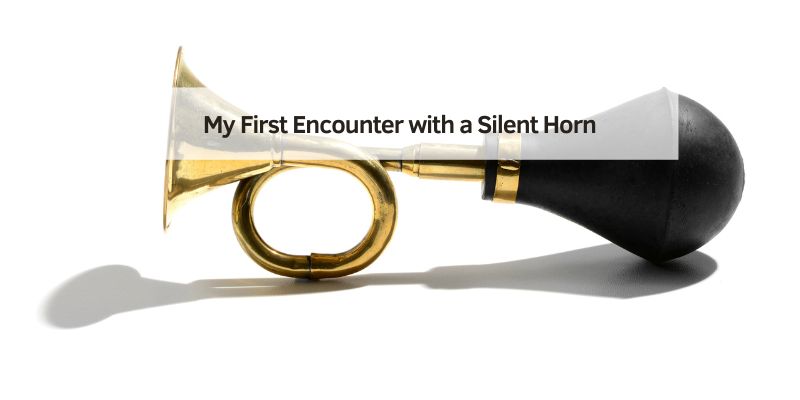
My First Encounter with a Silent Horn
A few years back, I was driving through a busy intersection in Chicago when I needed to honk at a distracted driver. I pressed the horn button, and… silence. No beep, no blare, nothing. It was annoying, but more than that, it felt unsafe. I started digging into the problem, checking fuses, wires, and even the horn itself. After some trial and error, plus a trip to my mechanic, I got it fixed. Since then, I’ve helped friends troubleshoot their horn issues and learned a ton about what can go wrong. Let me walk you through the common causes, how to diagnose them, and what you can do to get your horn working again.
Why Your Car Horn Matters
Your car horn isn’t just for expressing road rage. It’s a critical safety feature. It warns other drivers, pedestrians, or even animals of your presence. In the USA, a working horn is required by law in most states. When my horn failed, I realized how much I relied on it, like when I needed to alert a cyclist who didn’t see me. A broken horn can put you at risk, so fixing it is a priority. Plus, a non-working horn can cause you to fail a vehicle inspection, which is a hassle you don’t need.
Common Reasons Your Car Horn Isn’t Working
Car horns are simple devices, but several things can go wrong. Based on my experience and research, here are the most common culprits:
Blown Fuse
Every car has a fuse box that protects electrical components like the horn. If the fuse blows, the horn stops working. This was the issue with my Civic. I found the fuse box under the hood, checked the horn fuse, and saw it was burnt out. Replacing it took five minutes and cost less than $5. Fuses blow due to power surges or short circuits, so it’s a good place to start troubleshooting.
Faulty Horn Relay
The horn relay is a small switch that controls power to the horn. If it fails, the horn won’t get electricity. I learned this when a friend’s Toyota Corolla had a silent horn. We swapped the relay with a similar one from the fuse box, and the horn worked again. Relays are cheap, usually $10–$20, and easy to replace.
Bad Horn Unit
The horn itself can wear out over time. Car horns are exposed to heat, moisture, and vibration, which can damage them. When I checked my Civic’s horn, I noticed it was rusty. Testing it with a multimeter showed it was dead. A new horn cost me about $30, and installing it was straightforward with basic tools.
Wiring Issues
Loose, corroded, or broken wires can cut power to the horn. This was the problem for my neighbor’s Ford Focus. We traced the wires from the horn to the steering wheel and found a loose connection. Tightening it fixed the issue. Wiring problems can be tricky, so you might need a mechanic if you’re not comfortable with electrical work.
Steering Wheel or Airbag Issues
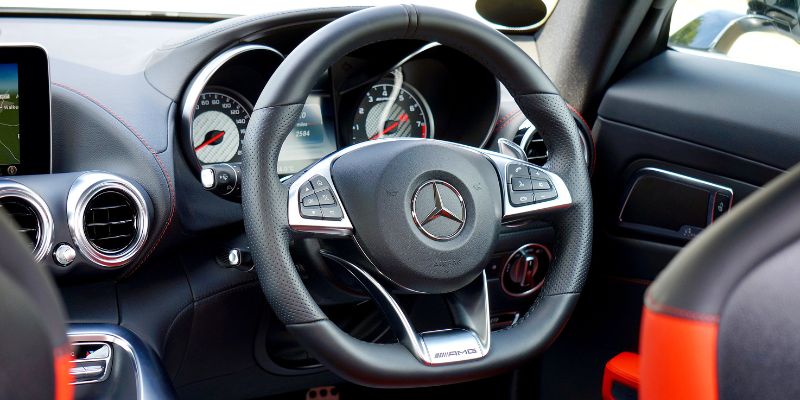
The horn button is usually in the steering wheel, often tied to the airbag system. If the airbag module or clock spring (a part that connects the steering wheel to the car’s electrical system) fails, the horn won’t work. This happened to a coworker’s Chevy Malibu. Fixing it required a mechanic, as airbag systems are complex and unsafe to mess with.
Faulty Horn Switch
The horn switch is what you press to make the horn beep. If it’s broken, no signal gets sent. I saw this on a friend’s Jeep Wrangler. We tested it by bypassing the switch with a jumper wire, and the horn worked. Replacing the switch was a bit of a pain, but it solved the problem.
Here’s a quick table summarizing the causes:
| Issue | Symptoms | Fix | Cost Estimate |
|---|---|---|---|
| Blown Fuse | The horn doesn’t work, but fuse is fine | Replace fuse | $5–$10 |
| Faulty Relay | Pressing the horn button does nothing | Replace relay | $10–$20 |
| Bad Horn Unit | No sound, or faint/weak honk | Replace horn | $20–$50 |
| Wiring Issues | Intermittent or no honk | Tighten or repair wires | $50–$150 |
| Steering Wheel/Airbag | Horn and airbag warning light issues | Professional repair | $100–$500 |
| Faulty Horn Switch | Pressing horn button does nothing | Replace switch | $50–$200 |
How I Diagnosed My Car Horn Problem
When my horn stopped working, I didn’t want to rush to a mechanic and spend hundreds. I grabbed my owner’s manual and some basic tools to figure it out. Here’s the step-by-step process I followed, which you can try too:
Step 1: Check the Fuse
I started with the easiest fix—the fuse. My Civic’s manual showed the fuse box location under the hood. I found the horn fuse (usually labeled “HORN” or numbered), pulled it out, and checked for a broken metal strip inside. It was blown, so I replaced it with a new one from an auto parts store. Always use the same amperage fuse (check your manual or the fuse box cover).
Step 2: Test the Horn
If the fuse is fine, test the horn itself. I located the horn (usually near the front grille or behind the bumper). I disconnected it and used jumper wires to connect it directly to the car battery. If it honks, the horn is fine, and the issue is elsewhere. Mine didn’t, so I knew the horn unit was bad.
Step 3: Check the Relay
If the horn works when tested, check the relay. It’s usually in the fuse box, labeled “HORN RELAY.” I swapped it with another relay of the same type (like the fan relay). If the horn works after swapping, buy a new relay. They’re cheap and plug right in.
Step 4: Inspect Wiring
Wiring is trickier. I followed the wires from the horn to the fuse box and steering wheel, looking for loose connections or corrosion. A multimeter can help test for continuity. If you’re not sure, a mechanic can handle this safely.
Step 5: Test the Horn Switch
If everything else checks out, the horn switch or steering wheel components might be the issue. I pressed the horn button while listening for a click in the relay. No click meant a bad switch or clock spring. This is where I’d call a pro, especially if the airbag light is on.
Fixing a Car Horn: DIY or Professional Help?
Once you know the problem, you have to decide whether to fix it yourself or take it to a mechanic. Here’s what I’ve learned about both options:

DIY Fixes
For simple issues like a blown fuse or bad relay, DIY is the way to go. I replaced my Civic’s fuse in minutes with a $3 part. Swapping a horn or relay is also straightforward if you have basic tools (a screwdriver, a wrench, multimeter). YouTube tutorials helped me a lot—just search for your car model and “horn replacement.” Always disconnect the car battery before working on electrical components to stay safe.
When to Call a Mechanic
If the problem is in the wiring, horn switch, or airbag system, I’d recommend a professional. Airbag repairs are risky—messing with them can trigger the airbag or cause injury. When my coworker’s Malibu had a clock spring issue, the mechanic charged $200, but it was worth it for safety. Complex wiring issues also require specialized tools and expertise.
Costs of Fixing a Car Horn
The cost depends on the problem. Here’s what I found based on my repairs and quotes from mechanics:
- Fuse: $5–$10 for a pack at any auto parts store.
- Relay: $10–$20, available online or at stores like AutoZone.
- Horn Unit: $20–$50 for most cars. Universal horns are cheaper; OEM parts cost more.
- Wiring Repairs: $50–$150, depending on labor rates and complexity.
- Steering Wheel/Airbag Fix: $100–$500, as it involves specialized labor.
I saved money by replacing my horn myself, but I’d budget $100–$300 for professional repairs if you’re not comfortable doing it yourself.
Tips to Prevent Horn Problems
After fixing my horn, I started taking steps to keep it working:
- Check Fuses Regularly: I inspect my fuse box every six months during oil changes.
- Protect the Horn: Avoid parking in areas where the horn gets soaked, like under heavy rain or near sprinklers.
- Test the Horn: Press it every few months to make sure it works.
- Fix Electrical Issues Early: If you notice flickering lights or other electrical problems, get them checked before they affect the horn.
What I Learned from Other Drivers
I wasn’t the only one dealing with horn issues. I checked forums like Reddit and CarTalk, plus reviews on mechanic shop websites. Many drivers reported similar problems—blown fuses, bad relays, or worn-out horns. One Reddit user shared how their Dodge Ram’s horn failed due to water damage after driving through a flood. Another driver fixed their horn by cleaning corroded wires with a $5 can of electrical cleaner. But some had horror stories, like paying $400 for a steering wheel repair that didn’t even fix the problem. The lesson? Diagnose carefully and choose a reputable mechanic.
Comparing Horn Issues Across Car Brands
From my research, horn problems are common across brands, but some are more prone to issues:
- Honda/Toyota: Fuses and relays are common culprits, but easy to fix.
- Ford/Chevy: Wiring and clock spring issues pop up more often, especially in older models.
- Luxury Brands (BMW, Mercedes): Horns are reliable, but repairs are pricier due to complex steering systems.
Check your car’s manual or online forums for model-specific tips. For example, my Civic’s horn was behind the front grille, but a friend’s F-150 had it near the radiator.
When to Replace vs. Repair
If your horn is old or damaged, replacing it is usually better than repairing it. I swapped my Civic’s horn for a new one because the old unit was rusted beyond repair. New horns are affordable and last for years. But if the issue is a fuse or relay, a quick replacement is all you need. For steering wheel or airbag problems, always repaired by a professional to avoid safety risks.
My Final Thoughts
Figuring out why my car horn wasn’t working was a mix of frustration and relief. Once I diagnosed the blown fuse and replaced the horn, I felt like a car detective. A working horn is more than just a noise-maker—it’s a safety must-have. Whether it’s a simple fuse swap or a complex wiring fix, you can tackle this problem with the right approach. Start with easy checks like the fuse and relay, and don’t be afraid to call a mechanic for trickier issues. By fixing my horn, I saved money and gained confidence on the road. You can too! Just follow the steps I shared, and you’ll be honking again in no time.
FAQs
Why did my car horn suddenly stop working?
It could be a blown fuse, a bad relay, or a faulty horn. Check the fuse first, as it’s the easiest fix. If that’s not it, test the relay or horn unit.
Can I drive legally with a broken horn?
In most US states, a working horn is required by law. You could get a ticket or fail a vehicle inspection, so fix it as soon as possible.
How do I know if my horn fuse is blown?
Find the fuse box (check your manual) and look for the horn fuse. If the metal strip inside is broken, it’s blown. Replace it with a fuse of the same amperage.
Is it safe to fix my car horn myself?
For fuses, relays, or the horn unit, DIY is safe if you disconnect the battery. Avoid airbag or steering wheel repairs unless you’re a professional.
How much does it cost to fix a car horn?
Simple fixes like fuses or relays cost $5–$20. A new horn is $20–$50. Wiring or airbag repairs can run $100–$500 with a mechanic.
Can a bad battery cause horn issues?
Yes, a weak battery might not provide enough power for the horn. Check your battery voltage with a multimeter or have it tested at an auto shop.