Do Rental Cars Have GPS Trackers? What They Won’T Tell You
The vast majority of rental car companies use GPS technology in their vehicles. This is mainly for vehicle recovery if stolen, to enforce contract terms like mileage limits or geographic restrictions, and to monitor driving behavior for safety. While not usually for spying, understanding their use is important.
Understanding GPS Trackers in Rental Cars
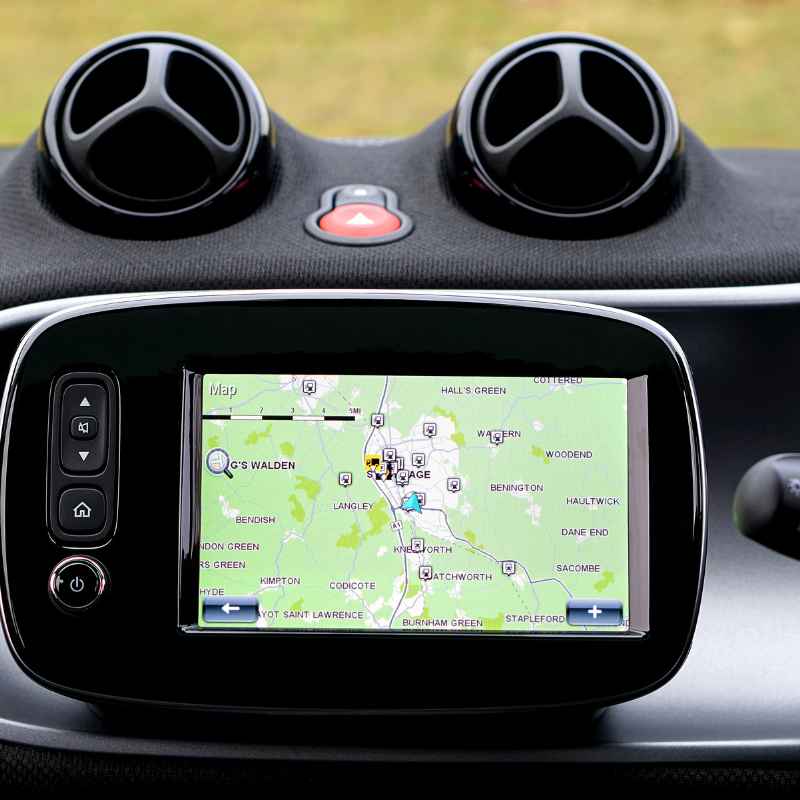
Let’s start with the basics. What is a GPS tracker in a car? It’s a small device that uses the Global Positioning System (GPS) to find and track the vehicle’s location.
Think of it like a tiny computer that talks to satellites. These satellites tell it exactly where the car is on Earth. The device then sends this information back to the company.
Why do rental companies put these devices in their cars? It’s not typically to invade your privacy. The primary reasons are usually business-related and safety-focused.
They want to make sure their expensive fleet of cars stays safe and accounted for. This helps them manage their inventory better and reduce losses.
The technology itself has gotten much smaller and cheaper over the years. This makes it easy for companies to install them in almost every car they own. They are often hidden, which can make people feel uneasy.
But their purpose is usually tied to the rental agreement you sign.
How GPS Tracking Works in Rental Vehicles
When you rent a car, you sign a contract. This contract outlines the rules for using the car. GPS tracking systems help rental companies ensure these rules are followed.
If a car is stolen, the company can use the GPS to find it. This is a huge benefit for them and can help law enforcement recover the vehicle faster.
They also use it to track mileage. Some rental agreements have limits on how many miles you can drive. The GPS can record this.
It also helps enforce geographic restrictions. Some rentals might not be allowed to go outside a certain area. The GPS can flag this if it happens.
In some cases, the data collected can also show driving habits. This might include speed, acceleration, and braking. This is often linked to safety concerns.
A company might want to know if a driver is being reckless. This information can be used to improve driver safety and prevent accidents.
My Own Rental Car Scare
I remember renting a car for a road trip through the Southwest a few years back. I was excited about the open road. The car was nice, and everything seemed fine.
We drove for hours, enjoying the scenery. Then, late one afternoon, my phone buzzed. It was a text from my friend who was driving.
“Did you get a weird text from the rental company?” she asked. I hadn’t. She showed me her phone.
It was a notification saying our rental car had entered a restricted zone. We were miles off the main highway, exploring some scenic backroads. We hadn’t gone outside any state lines or anything obvious.
My heart sank a little. I felt a bit spied on. We quickly turned around and headed back to the main roads.
It turns out the rental agreement had a clause about staying on major routes. The GPS had flagged our detour. It wasn’t a huge deal, but it made me realize how closely these cars can be monitored.
That experience really opened my eyes to the tracking capabilities.
GPS Tracker Components
Location Module: This is the core GPS receiver. It gets signals from satellites.
Communication Module: This part sends the location data. It might use cellular networks or other wireless tech.
Power Source: Trackers usually draw power from the car’s battery. Some have their own backup battery.
Memory: Some devices store data if a signal isn’t available. They send it later.
What the Rental Agreements Say (and Don’t Say)
Most rental agreements are long documents. They are often filled with legal terms. It’s easy to just sign them without reading every single word.
However, buried within these pages is information about tracking. Companies are generally required to disclose this, but it’s not always obvious.
The terms often mention that the vehicle is equipped with technology to monitor its use. This can include GPS. They might state that the data collected can be used to enforce the contract or recover the vehicle.
They may also mention that they can use this data for safety and operational purposes.
What they often don’t explicitly say is how granular the data collection is. They might not detail every single piece of information they gather. This can include driving speed, times of operation, and exact routes taken.
This lack of detail can lead to surprise when data is used.
It’s important to read the section about “Vehicle Monitoring” or “Use of Technology.” Look for phrases that talk about location services or data collection. If you’re unsure, it’s always a good idea to ask the rental agent before you drive away. They might be able to clarify what the policy is.
Types of Data Collected
The exact data collected can vary by rental company and the specific technology they use. However, there are common types of information that GPS trackers can gather.
Location History: This is the most basic. It shows where the car has been over time. This can be a detailed log of all your stops and routes.
Speed and Time: The system can record how fast you were driving and when you were driving. This is important for monitoring speed limits and usage patterns.
Geofencing Alerts: This refers to virtual boundaries set up on a map. If the car crosses one of these boundaries, an alert is sent. This is what happened to me on my road trip.
Vehicle Diagnostics: Some advanced systems can also pull basic diagnostic codes from the car. This helps identify mechanical issues early.
Driver Behavior: More sophisticated systems might analyze acceleration, braking, and cornering. This is often for safety scoring or to understand driving habits.
This data is usually stored by the rental company. They have policies on how long they keep it and who can access it. Understanding this can help you feel more in control.
Common Rental Car Tracking Scenarios
Vehicle Recovery: If a car is reported stolen, the GPS helps police find it.
Contract Violations: If you exceed mileage limits, cross state lines where prohibited, or return the car late, alerts can be triggered.
Accident Reconstruction: In the event of an accident, data might be used to understand what happened.
Theft Deterrence: Knowing a car is tracked can discourage theft attempts.
When Trackers Are Used to Enforce Rules
Rental companies use the data from GPS trackers in several ways to enforce their agreements. One common scenario is exceeding mileage limits. If your rental agreement says you can only drive 300 miles, the tracker can show them if you go over that.
They can then charge you extra fees.
Geographic restrictions are another big one. Some rentals are not allowed to leave a specific state or region. This is often due to insurance reasons or local laws.
If the GPS detects the car crossing these lines, it can trigger an alert. The company might then contact you or even disable the vehicle remotely.
Return times are also monitored. While less direct, companies can see when a car is returned. If you’re consistently late, they might use tracking data to understand vehicle movement patterns.
The purpose behind these rules is often to protect the company’s assets and manage risk. They have to account for wear and tear, potential damage, and legal liabilities associated with their fleet.
Privacy Concerns and What You Can Do
It’s natural to have privacy concerns about being tracked. Many people feel uneasy about a company knowing their every move. The good news is that in the U.S., there are laws that offer some protection.
However, by signing the rental agreement, you are consenting to this tracking.
Read the Contract Carefully: This is the most important step. Look for clauses about data collection, GPS, and vehicle monitoring. If you don’t understand something, ask.
Ask Questions: Don’t hesitate to ask the rental agent specific questions. “Does this car have a GPS tracker?” “What kind of data do you collect?” “How is that data used?”
Understand Usage Policies: Be aware of any mileage limits, geographic restrictions, or prohibited uses outlined in your contract. Sticking to these rules can prevent alerts.
Consider Alternatives (If Available): For some very niche rentals, or if you’re extremely concerned, you might explore options. However, for standard rentals, tracking is almost universal.
Trust the Intent: Remember that the primary intent is usually not to spy on you. It’s about protecting their property and ensuring contract compliance. They are businesses managing valuable assets.
My Experience with a “No-Go” Zone
Once, I rented a car to drive from Los Angeles to Las Vegas. It was a straightforward trip. I was confident about the route.
About halfway there, on a lonely stretch of highway, I got a warning light on the dashboard. It wasn’t a check engine light. It was a small icon I didn’t recognize.
Then, my phone rang. It was the rental company’s roadside assistance. They said the car was detecting an issue with its location services and asked if I was still within my allowed travel area.
I confirmed I was driving directly to Vegas. They said, “Okay, just make sure you stay on the main interstate. We’ve seen issues with vehicles venturing onto unpaved roads in that region.”
It turned out that area had some very remote, unpaved roads. These roads were not ideal for the car, and possibly not covered by insurance or the contract. The GPS was sophisticated enough to detect when the car veered off the main paved highway, even if it was just for a moment.
It made me realize how detailed the tracking can be.
It wasn’t a penalty, but a precautionary alert. They wanted to ensure I didn’t accidentally get stuck or violate any terms. It was a bit of a wake-up call about how closely these vehicles are monitored.
I learned to pay even more attention to the signs indicating main routes.
Key Takeaways for Rental Car Users
GPS is Standard: Expect most rental cars to have tracking devices.
Contract is King: Your rental agreement details usage rules and data collection.
Purpose is Protection: Trackers help recover stolen cars and enforce contract terms.
Read the Fine Print: Understand what you’re agreeing to regarding data use.
Drive Responsibly: Adhering to contract terms minimizes potential issues.
Do They Track Your Personal Data?
This is a common fear. Are rental companies using GPS data to spy on your personal life? Generally, the answer is no, at least not in the way you might imagine.
The primary purpose is vehicle management, not personal surveillance.
They are not usually interested in where you go for dinner or who you visit, unless it violates the rental contract. The data they collect is primarily tied to the vehicle’s operation and location. This data is used for things like ensuring the car is returned, preventing theft, or verifying contract compliance.
However, it’s important to be aware that the data collected could potentially reveal personal information. For instance, if you have a routine that involves visiting specific locations at certain times, that pattern could be observed. But rental companies typically have policies against using this data for purposes outside of their business operations.
They must comply with privacy laws. This means they can’t just share your driving data with anyone. Access to this information is usually restricted to specific employees who need it for their job.
They also have to protect this data from unauthorized access.
The “Black Box” Analogy
Think of a GPS tracker in a rental car like a “black box” in an airplane. Its main purpose is to record critical information. In a plane, it helps investigators understand what happened in an accident.
In a car, it helps rental companies understand how their vehicle was used.
This includes information about location, speed, and sometimes even how the vehicle was driven. This data is crucial for several reasons. For the company, it’s about protecting their investment.
For you, it’s about understanding the rules of the road and the contract you signed.
The data can be invaluable in cases of theft or accidents. It provides an objective record of events. This can help resolve disputes and ensure accountability.
It’s a tool for management and safety, not for personal spying.
Real-World Scenarios: When Trackers Come in Handy
Let’s look at a few scenarios where GPS trackers are essential for rental companies.
Scenario 1: The Stolen Car
A customer rents a car and fails to return it. They also stop paying the rental fees and communication goes silent. The police are called.
Using the GPS tracker, the rental company can provide law enforcement with the car’s real-time location. This greatly increases the chances of recovering the vehicle quickly and safely.
Scenario 2: The Over-Mileage Violation
A renter has a contract for a specific number of miles. The GPS tracker records the odometer readings remotely. When the car is returned, the company can compare the recorded mileage with the contract limit.
If it’s exceeded, they can apply the agreed-upon per-mile charges.
Scenario 3: The Geographic Restriction Breach
A rental agreement states the car cannot leave the continental United States. The GPS detects the car crossing into Mexico. An automatic alert is sent to the company.
They can then contact the renter to ensure they are aware of the violation and arrange for the car’s return.
These are all practical applications of the technology. They highlight the business and safety reasons behind its use.
Myth vs. Reality: Rental Car Tracking
Myth: Rental car companies constantly monitor your every move like a spy.
Reality: Tracking is primarily for vehicle recovery, contract enforcement, and safety. Data is usually accessed only when there’s a specific reason.
Myth: The data collected is used for marketing or sold to third parties.
Reality: In the U.S., this would likely violate privacy laws. Companies use data for their own operational purposes.
Myth: You can easily disable the GPS tracker.
Reality: Trackers are often hidden and integrated into the car’s systems. Tampering could violate your contract and have legal consequences.
Can You Disable a Rental Car’s GPS Tracker?
The short answer is: you shouldn’t try. Most rental car companies have systems in place to detect tampering with their GPS devices. The trackers are often wired directly into the car’s electrical system.
They can also be hidden in hard-to-reach places.
If a company detects that a tracker has been disabled or removed, it can have serious consequences. It will likely be seen as a violation of your rental agreement. This could lead to hefty fines, additional charges, or even legal action.
It might also flag the vehicle as potentially stolen or misused.
The rental agreement you sign gives the company rights to monitor the vehicle. Attempting to circumvent this is risky. It’s best to operate within the terms of the agreement.
If you have concerns about privacy, discuss them before you rent.
What About After You Return the Car?
Once you return the rental car, the company’s ability to track it stops. They no longer have your specific rental agreement attached to that vehicle’s movement. The data collected during your rental period is usually stored for a specific period, as per their data retention policies.
These policies are often influenced by legal requirements and the need for records in case of disputes. They are not typically kept indefinitely. Once the retention period is over, the data is usually deleted or anonymized.
Anonymized data might be used for aggregate reporting. For example, they might look at average mileage driven across their fleet or popular travel routes. This helps them with fleet management and planning.
But this data would not be linked back to any individual renter.
When to Worry: Red Flags and Concerning Behavior
While most rental companies use GPS for legitimate business reasons, there are always exceptions. It’s good to be aware of potential red flags.
Excessive Contact: If the company contacts you frequently about minor things, or seems overly interested in your exact location without a valid reason, that could be a concern.
Unclear Data Usage Policies: If the rental company is vague or evasive when you ask about how they use the data, it’s a sign to be cautious.
Third-Party Data Sharing: While rare and often illegal, if you suspect your data is being shared with unauthorized third parties, that’s a major red flag.
Remote Disabling Without Cause: If the rental company remotely disables your car without a clear violation of the contract, it’s highly concerning and potentially illegal.
In most cases, if you stick to the rental agreement and drive responsibly, you won’t encounter any issues. The tracking is usually a background process, only becoming relevant if there’s a problem.
My First Hand Experience with a “Geo-Fence” Alert
I was once renting a car in a large city. My plan was to stick to the city limits for most of the trip. However, one afternoon, I decided to take a scenic drive outside the city for a few hours.
I didn’t think I was going very far, just a few miles beyond the normal city sprawl.
About an hour into my drive, my phone rang. It was a number I didn’t recognize, but it looked like a business call. I answered it.
It was someone from the rental company’s customer service. They calmly stated, “Hello, we noticed your rental vehicle has crossed one of our designated geo-fenced areas. Are you aware of this?”
I was a bit surprised. I hadn’t realized I had gone that far. I explained that I was just taking a short drive and would be heading back soon.
They said that was fine, but asked me to ensure I stayed within the primary rental zone. They also reminded me of the potential fees if I exceeded the limits.
It wasn’t aggressive, but it was definitely noticeable. It made me feel a little watched. But I also understood their point.
They had set boundaries for their vehicles, and I had crossed one. It reinforced the importance of checking those boundaries before taking any spontaneous detours. I made sure to stick to the main roads after that.
Quick Checks Before You Drive Off
1. Read the Contract: Focus on sections about monitoring, GPS, and data use.
2. Ask the Agent: Clarify any doubts about tracking technology.
3. Know Your Limits: Understand mileage caps and geographic restrictions.
4. Drive Safely: Avoid reckless driving that could trigger alerts.
The Future of Rental Car Tracking
As technology advances, rental car tracking will likely become even more sophisticated. We might see more features integrated into these systems.
Advanced Safety Monitoring: Systems could provide real-time feedback to drivers about potentially unsafe actions, like harsh braking or swerving, helping prevent accidents before they happen.
Predictive Maintenance: Tracking systems might also monitor vehicle health more closely, alerting the company to potential mechanical issues before they cause breakdowns.
Seamless Integration: Data could be more easily integrated with booking and customer service systems, allowing for quicker resolutions to issues.
While more advanced tracking might raise new privacy questions, the core reasons for its use are likely to remain the same: protecting assets, ensuring safety, and enforcing agreements. The key will be transparency and adherence to privacy regulations.
Do Rental Cars Have GPS Trackers? The Bottom Line
Yes, in almost all cases, rental cars have GPS trackers. These devices are standard for most major rental car companies. They are used for crucial functions like recovering stolen vehicles, enforcing contract terms, and promoting driver safety.
While it’s important to be aware of the data being collected, the intent is typically business-oriented, not personal surveillance.
By reading your rental agreement carefully, asking questions, and adhering to the contract terms, you can ensure a smooth and worry-free rental experience. Understanding how these systems work helps demystify them and provides peace of mind. They are a tool for responsible fleet management in a complex industry.
Frequently Asked Questions
Are all rental cars equipped with GPS trackers?
While it’s very rare to find a rental car without one, it’s highly probable that any car you rent from a major company will have a GPS tracking device installed. This is a standard practice for vehicle management and security.
Can I disable the GPS tracker in a rental car?
No, you should not attempt to disable or remove the GPS tracker. Doing so is a violation of your rental agreement and can lead to significant fines, additional charges, and potential legal consequences. The devices are usually integrated into the car’s systems and are often monitored for tampering.
What happens if I drive a rental car into a restricted area?
If you drive a rental car into a restricted area (like crossing state lines when not permitted or going off-road in certain locations), the GPS tracker will likely trigger an alert. The rental company may contact you to remind you of the contract terms or potentially apply additional fees as outlined in your agreement.
Does the rental company track my personal driving habits?
Rental companies use GPS data primarily for vehicle location, recovery, and contract enforcement. They are generally not interested in your personal driving habits unless they indicate reckless behavior or contract violations. However, the data collected could reveal patterns, but privacy laws prevent them from using it for personal spying or unauthorized sharing.
How long does the rental company keep my GPS data?
Data retention policies vary by company and are often influenced by legal requirements. Typically, data is kept for a specific period to manage potential disputes or vehicle issues. After this period, it’s usually deleted or anonymized.
It is not kept indefinitely.
What should I do if I have privacy concerns about GPS tracking in my rental car?
Your best approach is to read your rental agreement thoroughly, paying close attention to clauses about vehicle monitoring and data use. Don’t hesitate to ask the rental agent specific questions before you sign. Understanding the company’s policy upfront can alleviate concerns.
Conclusion
Navigating the world of rental cars can sometimes bring up questions about technology and privacy. Knowing that GPS trackers are a standard feature helps demystify this aspect of renting. They serve important purposes for companies in managing their fleet safely and efficiently.
By staying informed and responsible, you can enjoy your rental car with confidence.
Products related to this article
Sponsored / affiliate links. As an Amazon Associate I earn from qualifying purchases. I may earn additional commission from eligible campaigns.