How To Tell If Your Car Will Pass Emissions Before Testing
Your car will likely pass its emissions test if it has no check engine light on, runs smoothly, has a recent oil change, and you’ve avoided short trips right before the test. Simple checks like ensuring the gas cap is tight and the engine is warm are also key.
Understanding Emissions Testing
Emissions tests check how clean your car’s exhaust is. They look for harmful gases. These gases can hurt the air we breathe.
Cars produce these gases from burning fuel. In many U.S. states, these tests are required.
They help reduce pollution. Your car has systems to control these gases. When these systems don’t work right, your car can fail.
The main goal is to make sure your car meets pollution limits. These limits are set by the government. They change over time to be stricter.
Older cars might have a harder time passing. This is because their pollution control parts wear out. Newer cars have more advanced systems.
But these systems can still fail.
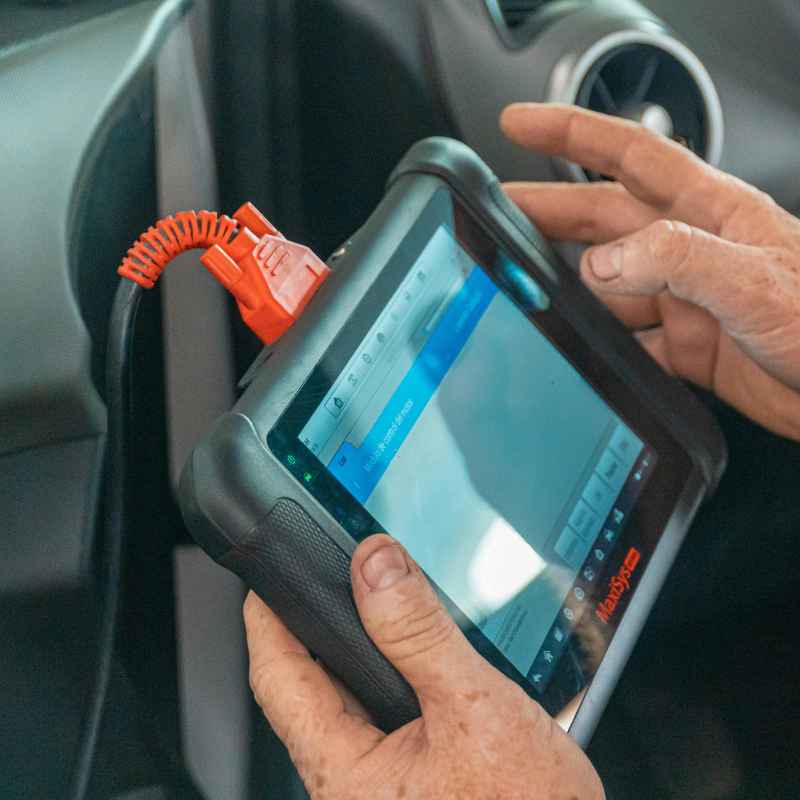
Tests vary by location. Some use a “tailpipe test.” Others use an “OBD-II test.” The OBD-II test hooks into your car’s computer. It reads data about your engine and its systems.
Most cars made after 1996 use this system. This test is faster and checks more things electronically.
Common Reasons Cars Fail Emissions
There are several common reasons why a car might fail its emissions test. The most obvious one is the check engine light. If this light is on, it signals a problem.
This problem usually affects emissions. Many testing stations will fail you immediately if the light is on. They won’t even do the test.
Another big reason is an old or loose gas cap. It sounds simple, but it’s true. The gas cap seals the fuel system.
If it’s loose, fuel vapors can escape. These vapors are pollutants. The car’s computer can detect this.
It might even trigger a check engine light.
Problems with the oxygen sensors are also frequent culprits. Oxygen sensors measure the oxygen in your exhaust. This helps the engine computer adjust fuel.
If they are faulty, the engine can burn too much fuel. This creates more pollution. They are vital for efficient burning.
The catalytic converter is another critical part. It cleans up the exhaust gases. It turns harmful gases into less harmful ones.
If it’s old or damaged, it won’t do its job. This often happens from other engine problems. A failing catalytic converter is a common cause of failure.
Issues with the EVAP system (Evaporative Emission Control System) are also common. This system stops fuel from evaporating into the air. Leaks or faulty valves in this system will cause a fail.
It’s designed to keep fuel fumes contained.
Spark plugs and ignition coils can also cause problems. If they aren’t working right, the engine misfires. This means fuel isn’t burned completely.
This leads to excess unburned fuel in the exhaust. It’s like the engine is choking.
Dirty air filters can also play a role. A clogged air filter restricts airflow. This can make the fuel mixture too rich.
A rich mixture burns more fuel than needed. This creates more pollutants. It also hurts your car’s performance.
The Check Engine Light: Your Car’s Warning Sign
The check engine light is a universal symbol for trouble. It looks like an engine outline. When it comes on, your car’s computer has found a problem.
This problem often impacts emissions. Most states will automatically fail your car if this light is illuminated. So, before anything else, make sure it’s off.
Don’t ignore this light. It’s your car telling you something is wrong. Sometimes it’s a minor issue.
Other times, it can be a serious problem. The best way to know is to get it checked. You can often get the codes read for free.
Auto parts stores usually offer this service.
The code tells you what system has an issue. For example, a P0420 code often means a catalytic converter problem. A P0171 code might mean a lean fuel mixture.
Knowing the code helps you understand the potential problem. It can save you money on unnecessary repairs.
If the light just came on, try a simple fix first. Make sure your gas cap is on tight. Drive for a bit.
Sometimes, this is enough to reset the light. If it stays on, you need to investigate. A mechanic can diagnose the issue.
They can fix it before your test.
DIY Checks You Can Do at Home
You can do several simple checks yourself. These can help catch issues early. They might even save you a trip to the mechanic.
First, check your gas cap. Make sure it’s not cracked. Screw it on tightly until it clicks.
Do this a few times. This ensures a good seal. A loose cap is a very common fail point.
Next, observe your car’s performance. Does it run smoothly? Are there strange noises?
Does it hesitate when you accelerate? These are signs something might be wrong. A rough idle or poor acceleration can point to ignition or fuel issues.
These directly affect emissions.
Check your air filter. It’s usually easy to find. Look in your car’s manual if you’re unsure.
Pull it out and hold it up to the light. If you can’t see light through it, it’s dirty. A dirty filter needs replacing.
This is a cheap fix that helps your engine breathe.
Consider when your last oil change was. Old, dirty oil can affect engine performance. It can also contribute to emissions problems over time.
Keeping up with regular maintenance is key. A fresh oil change can sometimes help your car run a bit cleaner.
Listen for unusual sounds from your exhaust. Any hissing, rattling, or loud noises could mean a leak. Exhaust leaks can let unburned fuel escape.
They can also affect sensor readings. This can lead to a failed test.
If you have an OBD-II scanner, use it. They are not very expensive. You can buy one online or at an auto parts store.
Plug it into the port under your dashboard. It will read any error codes. This is a powerful tool.
It tells you exactly what the car’s computer is seeing.
Quick Pre-Test Checks
Check Engine Light: Ensure it is OFF.
Gas Cap: Tighten it until it clicks.
Engine Performance: Listen for smooth running, no hesitation.
Air Filter: Check if it’s dirty and needs replacement.
Recent Maintenance: Ensure oil changes are up-to-date.
The Importance of a Warm Engine
This is a tip many people miss. For many emissions tests, your car’s engine needs to be warm. This is especially true for older cars.
A cold engine doesn’t run as efficiently. It produces more pollutants when it’s cold. Testing stations often want the engine to reach its normal operating temperature.
How do you ensure your engine is warm? Drive your car for at least 20-30 minutes before the test. This allows the engine, exhaust, and catalytic converter to heat up.
The catalytic converter needs to be hot to work properly. It can’t clean the exhaust gases effectively if it’s cold.
Avoid doing short trips right before the test. A five-minute drive around the block isn’t enough. You need sustained driving.
This allows the engine to reach its optimal running temperature. It also gives the car’s computer time to complete its “readiness monitors.” These monitors check various emission systems.
If the car’s computer hasn’t completed its monitors, it might fail. This is sometimes called an “incomplete test.” The car’s computer needs to run through a cycle of driving. This cycle checks things like the oxygen sensors and the EVAP system.
A good, long drive helps this happen naturally.
So, plan your trip to the testing station. Make sure you have time for a good drive beforehand. This simple step can prevent a failed test due to a cold engine or incomplete monitors.
It’s a small effort for a big potential payoff.
Fuel System and Injectors: The Heart of Combustion
Your car’s fuel system is crucial. It delivers fuel to the engine for burning. The engine computer controls how much fuel is injected.
It mixes fuel with air. This mixture needs to be just right. Too much fuel (rich mixture) or too little (lean mixture) causes problems.
Fuel injectors spray fuel into the engine. Over time, they can get clogged. This happens from carbon deposits.
Clogged injectors don’t spray fuel evenly. This leads to poor combustion. It can cause misfires and increase pollution.
You might notice rough idling or poor acceleration.
Using a quality fuel injector cleaner can help. You add it to your gas tank. It circulates through the system.
It helps dissolve deposits. Do this a few weeks before your test. It’s not a magic fix.
But it can help if the clogging is minor.
The fuel pump is also important. It sends fuel from the tank to the engine. If it’s weak, the fuel pressure might be low.
This can affect the fuel mixture. It’s less common than injector issues, but still possible.
The fuel tank itself and its lines are part of the system. Leaks here are serious. They are also a big emissions concern.
Any fuel vapor escaping is pollution. Make sure there are no fuel smells around your car.
Sometimes, the fuel itself can be an issue. Using the wrong octane fuel won’t usually cause a direct emissions failure. But using old or contaminated fuel can.
Stick to reputable gas stations. Use the octane level recommended by your car’s maker.
Fuel System Health Checklist
Injector Cleanliness: Consider a cleaner before testing.
Fuel Pressure: Signs of poor performance could indicate issues.
Fuel Lines: Check for leaks or damage.
Fuel Cap Seal: Ensure it creates a tight seal.
Fuel Quality: Use quality gas from trusted stations.
Ignition System: Sparking the Process
The ignition system provides the spark. This spark ignites the fuel and air mixture in the engine. A good spark is essential for clean burning.
If the spark is weak or inconsistent, the fuel won’t burn fully. This creates excess unburned hydrocarbons in the exhaust.
Spark plugs are the main component here. They wear out over time. Old spark plugs can become fouled.
They might have gaps that are too wide. This leads to weak sparks. When spark plugs are bad, you might notice rough idling.
The engine might feel like it’s sputtering.
Spark plug wires or coil packs deliver the electricity to the plugs. These can also fail. Worn-out wires can leak electricity.
Faulty coil packs won’t produce a strong enough spark. Modern cars often have individual coil packs for each spark plug. This makes diagnosis easier.
A common symptom of ignition problems is a “misfire.” This means a cylinder isn’t firing properly. The check engine light will likely come on for misfires. The codes for misfires are usually in the P0300 range (e.g., P0301 for cylinder 1 misfire).
If your car has been hesitating or misfiring, get it checked. Replacing old spark plugs is often a relatively inexpensive repair. It can make a big difference in performance and emissions.
It’s one of the easiest ways to ensure a good spark.
Think of it like lighting a campfire. You need a good spark to get the logs burning cleanly. If the spark is weak, the wood just smolders.
That smoldering is like unburned fuel in your engine. It’s dirty and inefficient.
The Catalytic Converter: Your Exhaust’s Best Friend
The catalytic converter is perhaps the most important part for emissions. It sits in your exhaust system. Its job is to convert harmful pollutants into less harmful ones.
It uses special metals like platinum, palladium, and rhodium. These metals act as catalysts.
It converts carbon monoxide (CO), hydrocarbons (HC), and nitrogen oxides (NOx) into carbon dioxide (CO2), water (H2O), and nitrogen (N2). These are much less harmful to the environment. A functioning catalytic converter is vital for passing.
It’s also an expensive part to replace.
Why do they fail? They can get clogged. This happens when oil or antifreeze gets into the exhaust.
This usually means another engine problem is present. They can also fail from overheating. This can happen from persistent engine misfires.
The unburned fuel ignites inside the converter, causing it to get too hot.
A failing catalytic converter can cause several symptoms. Your car might lose power. You might notice a rotten egg smell from the exhaust.
This smell is sulfur, which the converter should remove. The car might also have trouble accelerating.
The OBD-II system can detect a failing catalytic converter. The code P0420 (Catalyst System Efficiency Below Threshold) is a common one. This means the converter isn’t working as well as it should.
Sometimes, a catalytic converter just gets old. Like any part, they wear out. Driving habits can affect their lifespan.
Short trips where the converter never gets hot enough can shorten its life. Regular maintenance is key to keeping it healthy. Address any engine misfires or oil leaks promptly.
Oxygen Sensors and Air-Fuel Ratio Sensors
Oxygen sensors (O2 sensors) are tiny but mighty. They are screwed into the exhaust pipe. They measure the amount of oxygen in the exhaust gases.
This tells the engine computer how efficiently the fuel is burning. They help the computer adjust the air-fuel mixture in real-time.
If the mixture has too much oxygen, it’s lean. If it has too little, it’s rich. The O2 sensors provide feedback.
This allows the computer to make tiny adjustments. This keeps the engine running at its most efficient and cleanest. Modern cars have multiple O2 sensors.
They monitor before and after the catalytic converter.
Air-fuel ratio sensors (AFR sensors) are similar. They are more precise than traditional O2 sensors. They provide a more direct measurement of the air-fuel ratio.
They are often found on newer vehicles.
When O2 sensors go bad, the engine computer can’t get accurate readings. It might start guessing. This leads to a less efficient fuel burn.
It can cause increased emissions. You might also notice reduced fuel economy. The check engine light will often come on.
Common symptoms of bad O2 sensors include rough idling, poor acceleration, and increased fuel consumption. The check engine light codes for O2 sensors are typically in the P0130-P0167 range. They often mention the sensor circuit or performance.
Replacing O2 sensors is a common repair. It’s usually not overly expensive. They are designed to wear out over time.
If your car has high mileage, they might be nearing the end of their life. It’s good preventative maintenance for emissions testing.
Sensor Health Snapshot
O2 Sensors: Crucial for air-fuel mixture. Monitor oxygen levels.
AFR Sensors: More advanced, precise air-fuel ratio measurement.
Failure Signs: Rough idle, poor MPG, check engine light.
Common Codes: P0130-P0167 series.
Replacement: Usually a straightforward, necessary repair.
Evaporative Emission Control (EVAP) System
The EVAP system is designed to prevent fuel vapors from escaping your car. These vapors are harmful pollutants. They can build up in your fuel tank.
The system collects these vapors. It then sends them to the engine to be burned. It’s like a recycling system for fuel fumes.
This system includes parts like the charcoal canister, purge valves, and vent valves. The charcoal canister stores the fuel vapors. The purge valve lets them into the engine.
The vent valve allows fresh air into the system.
The most common EVAP problem is a leak. This can be caused by a cracked hose or a faulty valve. As we mentioned, a loose or damaged gas cap is also a major cause of EVAP system issues.
This is why tightening it is so important.
Another issue is a stuck purge valve or vent valve. If the purge valve is stuck open, fuel vapors might enter the engine constantly. This can cause poor idling.
If the vent valve is stuck closed, pressure can build up in the tank. This can cause performance issues.
The check engine light is almost always illuminated for EVAP system problems. The diagnostic codes are usually in the P0440-P0457 range. These codes often indicate an EVAP system leak or a specific component failure.
Fixing EVAP leaks can sometimes be tricky. It requires special equipment to test for leaks. Smoke machines are often used to find tiny cracks.
Because EVAP issues are so common and can cause a fail, it’s worth checking your gas cap first. If that’s not the problem, a mechanic will need to diagnose it.
Personal Experience: The Mysterious Misfire
I remember one time, my old sedan started acting up. It was about a week before its emissions test. The car felt… off.
It wasn’t a big, obvious problem. Just a little hesitation when I pressed the gas pedal. And sometimes, it felt like the engine sputtered slightly at idle.
Annoying, but not alarming enough for me to rush to the mechanic.
The day before the test, I decided to take it for a long drive. I wanted to make sure the engine was warm. As I was driving, the dreaded check engine light flickered on.
Panic! I pulled over. I checked the gas cap.
It was tight. I wiggled hoses. Nothing obvious.
I drove to an auto parts store nearby. They scanned the codes for me. It showed a misfire in cylinder three.
My heart sank. This would definitely mean a fail. I had a mechanic friend look at it.
He replaced the spark plug and the coil pack for that cylinder. It was a simple fix, but it cost me a little bit.
The next day, the car felt perfect. The check engine light was off. I held my breath and took it for the test.
It passed with flying colors. That experience taught me a lot. The smallest issues can cause a fail.
And that check engine light is your car’s SOS signal. I learned to pay attention to those little signs sooner.
Real-World Scenarios and Driving Habits
Where you drive and how you drive matters. Short trips are bad for emissions. If you only drive a few minutes to the store and back, your engine never fully warms up.
The catalytic converter stays cold. The car’s computer might not complete its diagnostic checks.
This is a common problem for people who live close to work or amenities. They might only drive short distances daily. If your car is used mostly for these short hops, its emission systems might not be operating at peak efficiency.
It’s like not getting a full workout.
Aggressive driving can also impact emissions. Rapid acceleration and hard braking put more stress on the engine. This can lead to less efficient fuel burning.
While occasional spirited driving is fine, constant redlining isn’t ideal for emissions.
However, too much idling can also be an issue. If you sit in traffic for long periods, the engine runs but doesn’t move. This doesn’t help warm things up effectively.
And the car is still producing emissions.
The design of your car also plays a role. Some car models are known to have recurring issues with certain emission components. For example, some older vehicles are prone to catalytic converter failure.
Newer cars might have complex electronic systems that can be sensitive.
Consider the climate. In very cold weather, engines take longer to warm up. This can temporarily increase emissions.
Most testing stations account for this. But it’s another reason why a good, long drive is beneficial before testing, especially in winter.
What This Means for You: When to Worry
So, when should you really start to worry? The biggest red flag is the check engine light. If it’s on, you should worry.
It means a system is not functioning correctly. And that system is likely related to emissions. Ignoring it is risky.
Unusual noises are another concern. Rattling from the exhaust, hissing sounds, or a loud roar where there was silence before. These point to potential leaks or component failures.
Any strange smell, like rotten eggs or strong gasoline fumes, is also a sign something is wrong.
A noticeable drop in fuel economy is a good indicator. If you’re suddenly getting fewer miles per gallon, it means your engine isn’t burning fuel efficiently. This often leads to higher emissions.
Poor performance is also a warning sign. If your car hesitates, stumbles, or lacks power, it’s likely related to the engine’s ability to burn fuel cleanly. These symptoms often correlate with failed emissions.
When in doubt, get it checked. It’s better to spend a little on a diagnostic than to pay for a failed test and then repairs. Most mechanics can read the error codes.
They can tell you what’s wrong.
If your car is older, some wear and tear is normal. But if you’re noticing consistent problems, don’t ignore them. Regular maintenance is your best defense against unexpected emissions failures.
Signs Your Car Might Not Pass Emissions
Check Engine Light: Always the first indicator.
Unusual Noises: Rattling, hissing, loud exhaust.
Strange Smells: Rotten eggs or strong gasoline.
Poor Fuel Economy: Suddenly getting fewer miles per gallon.
Reduced Performance: Hesitation, sputtering, lack of power.
Quick Tips to Improve Your Chances
Here are some practical tips to help your car pass. Stick to these, and you’ll be in a much better position. First, address the check engine light immediately.
Get the codes read and fix the issue. This is the most critical step.
Keep your car well-maintained. Follow the recommended service schedule. Regular oil changes, filter replacements, and tune-ups are essential.
Clean oil and filters mean a healthier engine. A healthier engine runs cleaner.
For a week or two before the test, avoid very short trips. Try to incorporate a longer drive of 20-30 minutes. This helps warm up the engine and catalytic converter.
It also allows the car’s computer to complete its diagnostic checks (readiness monitors).
Ensure your gas cap is tight. Screw it on until it clicks. If it looks damaged, consider replacing it.
This is a cheap and easy fix for a common problem.
Consider using a fuel injector cleaner. Add it to your gas tank about a month before your test. This can help clean out deposits.
It might improve fuel atomization and combustion.
If your car feels sluggish or is misfiring, get it checked. Issues with spark plugs, wires, or coil packs are common. Fixing these can significantly improve performance and emissions.
Finally, check your local emissions testing requirements. Some areas have exemptions for older cars. Others have specific testing procedures.
Knowing the rules for your area can help you prepare.
Frequently Asked Questions About Emissions Testing
What is the most common reason for failing an emissions test?
The most common reason is a illuminated check engine light. This light indicates a problem with your car’s engine or emission control systems. Other frequent causes include a loose or faulty gas cap, failing oxygen sensors, and issues with the catalytic converter.
Can I fix my car myself to pass emissions?
For simple issues like a loose gas cap or a clogged air filter, yes. Many people can also replace spark plugs. However, more complex problems like catalytic converter issues or EVAP system leaks often require specialized tools and knowledge.
If the check engine light is on, it’s best to get it diagnosed professionally.
How long does it take for the check engine light to turn off after a repair?
It varies. Sometimes, after a repair, the light will turn off on its own after a few drive cycles. A drive cycle typically involves starting the car, driving it to operating temperature, and then turning it off.
Some repairs may require a mechanic to reset the code. It’s important that the car’s computer completes its diagnostic monitors (readiness monitors) before the test.
What are “readiness monitors” and why are they important?
Readiness monitors are self-diagnostic tests run by your car’s computer. They check the performance of various emission control systems. For your car to pass an emissions test, most of these monitors must show as “complete” or “ready.” Short trips often don’t allow enough time for all monitors to run.
How does driving habits affect emissions test results?
Short trips and infrequent driving can prevent the engine and emission control systems from reaching optimal operating temperature, hindering the completion of diagnostic monitors and potentially leading to higher emissions. Aggressive driving can also cause inefficient fuel burning. Consistent, moderate driving is best for emissions readiness.
Is there a way to “trick” the emissions test?
No, and attempting to do so can lead to serious penalties. Modern emissions tests are sophisticated. Tampering with emission control systems or trying to deceive the test equipment is illegal and can result in fines or denial of registration.
Focus on ensuring your car is properly maintained and repaired.
Final Thoughts on Passing Your Emissions Test
Passing your car’s emissions test doesn’t have to be a mystery. By understanding common failure points and performing simple checks, you can increase your confidence. Regular maintenance is your best friend.
Addressing the check engine light promptly is crucial. And remember that a warm engine and completed diagnostic monitors are key.
Take these steps, and you’ll be much more prepared. It’s about keeping your car running well and doing your part for cleaner air. Good luck!
Products related to this article
Sponsored / affiliate links. As an Amazon Associate I earn from qualifying purchases. I may earn additional commission from eligible campaigns.