Why Is There Water Under My Car: Essential Fixes
Water under your car? Don’t worry! It’s usually just condensation from your air conditioning system, which is perfectly normal. Other common culprits include coolant leaks (brightly colored puddles indicating a hot engine) or even just rainwater. Identifying the color and location of the puddle helps pinpoint the problem and the necessary fix.
Seeing a mysterious puddle under your car can feel a bit alarming, especially if you’re new to car care. It’s a common sight for many drivers, and the good news is that most of the time, it’s not a sign of a major disaster. Think of it like water dripping from a cold glass on a humid day – your car has its own version of this! We’ll break down exactly why this happens, what the different types of fluids mean, and how you can easily identify and tackle these common car issues right at home.
Understanding Those Puddles: What’s Leaking and Why?
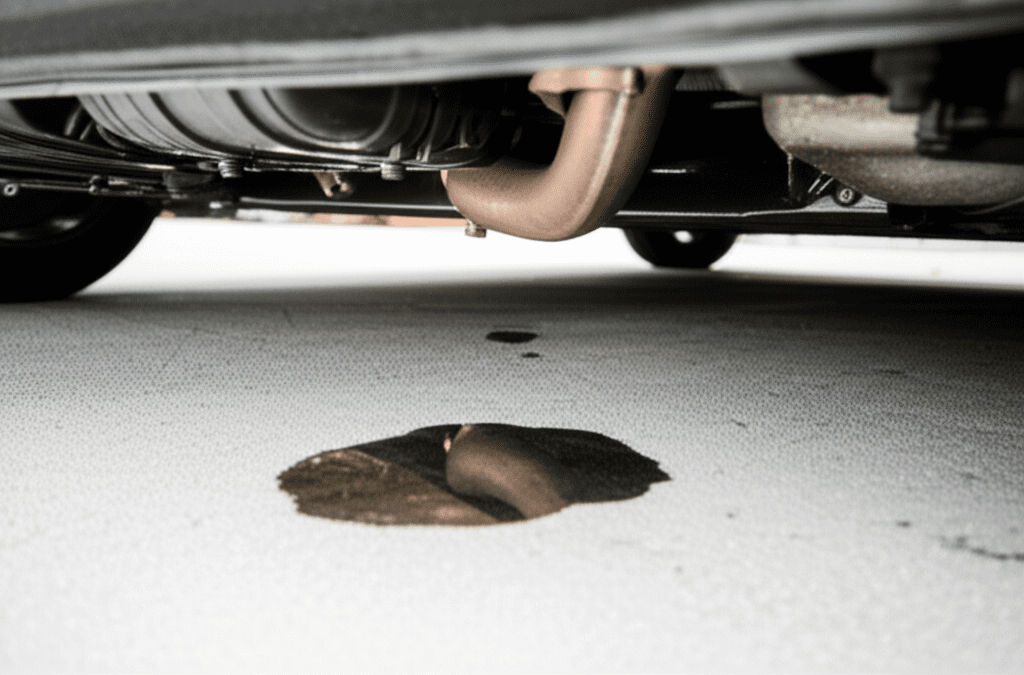
A puddle under your car isn’t one-size-fits-all. The type of fluid, its color, its smell, and where it’s coming from can tell you a lot about what’s going on. Let’s demystify these common car “weeps” and help you become a puddle detective!
The Clear Drip: Mostly Harmless Condensation
If you notice clear, odorless water dripping from the middle or passenger side of your car, especially after running the air conditioning, you’re likely seeing normal A/C condensation. The A/C system dehumidifies the air, and this moisture has to go somewhere. It collects on a pipe called the evaporator and drips out through a small tube, usually under the front of the car. It’s like the “sweat” on a cold drink bottle on a warm day!
Why it happens:
- Your air conditioner is working to cool the cabin.
- Humidity in the air turns into water when it hits the cold A/C components.
- This water is designed to drain out.
What to do: Nothing! This is a sign your A/C is functioning correctly. If this drip stops when your A/C is off, it further confirms it’s just condensation.
The Green or Orange Puddle: Coolant Leak
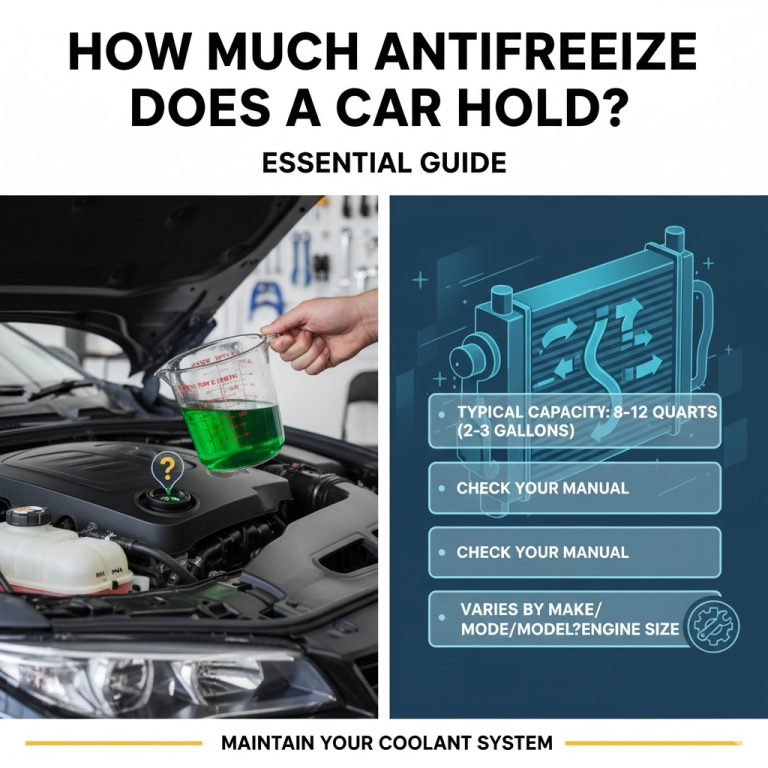
A puddle of bright green, pink, orange, or yellow fluid under the front or middle of your car could signal a coolant leak. Coolant (also known as antifreeze) is crucial for keeping your engine at the right temperature, both in hot and cold weather. If coolant is leaking, it means your cooling system isn’t sealed properly.
Why it happens:
- Hoses: Rubber hoses can crack, split, or become loose over time.
- Radiator: The radiator itself can develop leaks due to corrosion or damage.
- Water Pump: The seal on the water pump can fail.
- Thermostat Housing: The housing that holds the thermostat can crack.
- Head Gasket: A more serious issue where the gasket fails, allowing coolant to leak.
What to do: This is a serious issue that needs immediate attention. Overheating your engine can cause severe and expensive damage. Check your coolant level (when the engine is completely cool!). If it’s low, you can add the correct type of coolant, but you must find and fix the leak. It’s best to have a mechanic inspect it.
For more detailed information on your car’s cooling system, you can check out resources from the National Highway Traffic Safety Administration (NHTSA), which offers vital safety and maintenance advice.
The Translucent Amber or Red Puddle: Transmission Fluid Leak
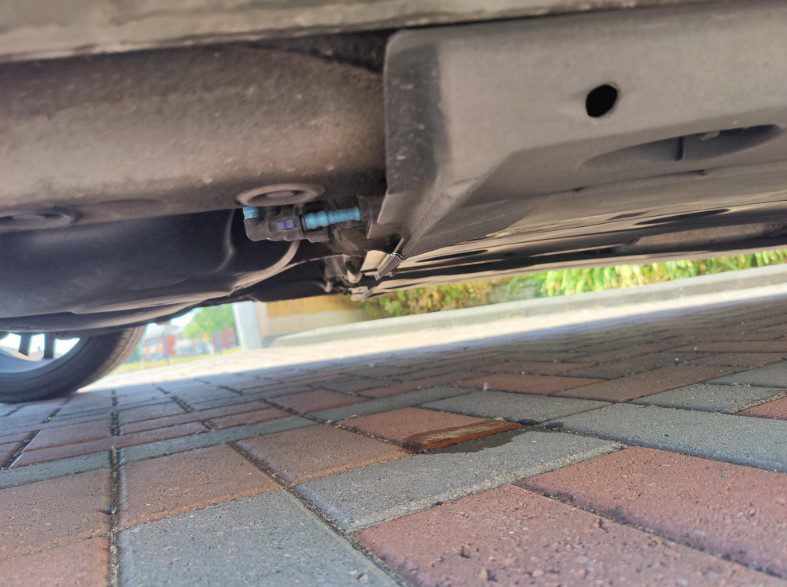
If you see a slick, oily puddle that’s reddish or amber in color, particularly under the middle or rear of your car, it might be transmission fluid. This fluid is vital for your transmission to shift gears smoothly.
Why it happens:
- Seals: Leaks can occur from seals within the transmission or at the pan gasket.
- Transmission Lines: The lines carrying fluid to and from the transmission cooler can be damaged.
- Drain Plug: The plug used to drain the transmission fluid might not be tightened properly after a service.
What to do: Check your transmission fluid level according to your owner’s manual (usually with the engine running when warm and in park or neutral). Low transmission fluid can cause shifting problems and damage. It’s highly recommended to visit a mechanic to diagnose and repair leaks in the transmission system.
The Brown or Black Oily Puddle: Engine Oil Leak
A puddle of brown or black, oily fluid is likely engine oil. Engine oil is the lifeblood of your car, lubricating all the moving parts. A leak means this essential fluid is escaping your engine.
Why it happens:
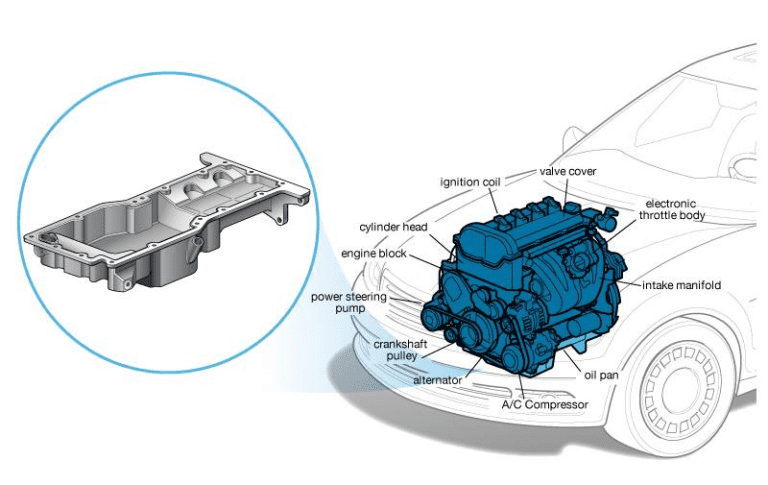
- Oil Pan Gasket: The gasket sealing the oil pan can wear out or get damaged.
- Oil Filter: If not tightened properly or if the seal is faulty, the oil filter can leak.
- Valve Cover Gasket: This gasket seals the valve cover to the engine, and it can also fail.
- Oil Seals: Various seals throughout the engine can degrade and leak.
What to do: Check your engine oil level immediately. If it’s low, add the correct type and viscosity of oil. However, like coolant leaks, it’s crucial to find the source of the oil leak and get it repaired to prevent engine damage. A mechanic can help pinpoint the exact location of the leak.
The Clear or Slightly Cloudy Puddle Under the Exhaust: Water Vapor
If you have a small puddle of clear water directly under your exhaust pipe, especially after a short drive of your car when it’s relatively cool outside, it’s usually just harmless water vapor. Most modern cars have a catalytic converter that burns off unburned fuel, creating water as a byproduct. This water can condense and drip out of the exhaust pipe. It’s more common on rainy days or when it’s cold.
Why it happens:
- Water is a byproduct of the combustion process.
- This condensation can drip from the exhaust system.
What to do: This is perfectly normal and nothing to worry about. It’s a sign your catalytic converter is working as intended.
The Dark Brown or Black, Slimy Puddle: Brake Fluid Leak
A dark, somewhat thick fluid under your car, possibly with a slightly fishy smell, could be brake fluid. Brake fluid is essential for your braking system to operate.
Why it happens:
- Brake Lines: These metal or rubber lines can rust, corrode, or get damaged.
- Brake Calipers or Wheel Cylinders: Seals within these components can fail.
- Master Cylinder: The main component of the brake system can also develop leaks.
What to do: This is extremely dangerous and requires immediate professional attention. A brake fluid leak means your braking system is compromised, significantly reducing your ability to stop. Do not drive the car and arrange for it to be towed to a mechanic.
Simple Tools for DIY Puddle Diagnosis
You don’t need a full mechanic’s toolkit to do some basic checking. Here are a few items that can help you investigate those puddles:
- Gloves: To keep your hands clean and protect them.
- Paper towels or old rags: To dab the fluid and check its color and consistency.
- Cardboard or newspapers: Place them under the car overnight to catch drips and help identify where they’re coming from.
- Your car’s owner’s manual: Essential for checking fluid levels and understanding your car’s specific needs.
- Flashlight: To get a better look underneath the car.
Troubleshooting Common Puddle Causes: A Step-by-Step Approach
Let’s walk through how to investigate and what simple steps you can take before calling a mechanic.
Step 1: Observe the Puddle
Before you touch anything, take a good look:
- Color: Is it clear, green, orange, red, pink, brown, black, or yellow?
- Consistency: Is it watery, or is it oily and slick?
- Odor: Does it smell sweet, like burning oil, or is it odorless?
- Consistency: Is it watery, or is it oily and slick?
- Location: Where is the puddle under the car? Front, middle, back, driver’s side, passenger’s side?
Step 2: Check Your Fluid Levels
Consult your owner’s manual for the exact location of your car’s fluid reservoirs and the proper procedure for checking levels. Most checks involve opening the hood and locating translucent tanks or dipsticks.
Common Fluid Check Locations:
- Engine Oil: Usually a dipstick in the engine bay. Check when the engine is off and the car is on a level surface.
- Coolant (Antifreeze): Located in a reservoir near the radiator, typically with “Min” and “Max” lines. Check only when the engine is COLD.
- Brake Fluid: A small reservoir, usually on the driver’s side of the engine bay, often with a warning symbol.
- Power Steering Fluid: If your car has hydraulic power steering, there’s a reservoir for this fluid.
- Windshield Washer Fluid: A less likely culprit for oily puddles, but worth noting.
Step 3: Differentiate Condensation from Leaks
As mentioned, clear water from the A/C system is normal. To confirm, run your A/C normally for about 15-20 minutes. If you see clear water dripping from underneath, that’s your A/C working. If you see colored or oily fluids, then you have a leak.
Step 4: Identify the Source (If Possible)
Use your flashlight and rags to try and find where the fluid is dripping from under the car. This can give your mechanic a head start.
- Front of the car: Could be engine oil, coolant (from radiator or hoses), or A/C.
- Middle of the car: Possibly transmission fluid, or leaks from the driveshaft area.
- Rear of the car: Could be differential fluid or a rear main seal leak.
- Underneath Engine Block: Very likely engine oil.
- Along the Firewall (between engine and cabin): Could indicate brake fluid or clutch fluid (if manual transmission).
| Fluid Color | Likely Fluid | Common Location | Urgency Level |
|---|---|---|---|
| Clear, Odorless | A/C Condensation, Water | Middle/Passenger side | None |
| Green, Pink, Orange, Yellow | Coolant (Antifreeze) | Front/Middle | High (Potential overheating) |
| Reddish or Amber, Oily | Transmission Fluid | Middle/Rear | Medium (Potential shifting issues) |
| Brown or Black, Oily | Engine Oil | Engine area, Middle | High (Potential engine damage) |
| Dark Brown/Black, Slimy | Brake Fluid | Anywhere, often near wheels or middle | Critical (Braking failure risk) |
| Clear Water (under exhaust) | Water Vapor (Exhaust) | Under Exhaust Pipe | None |
When to Seek Professional Help
While some car care can be handled at home, certain fluid leaks demand expert attention. It’s always better to be safe than sorry when it comes to your car’s essential systems.
You should definitely call a mechanic if:
- The leak is brake fluid.
- The leak is large and continuing to grow.
- You notice a sweet smell and can’t identify the source of a colored leak.
- You notice a burning oil smell.
- Your car’s temperature gauge starts to rise, or warning lights come on the dashboard.
- You’re unsure about the diagnosis or how to safely fix it.
Mechanics have specialized tools and knowledge to accurately diagnose and repair leaks, ensuring your car is safe and reliable. Organizations like AAA offer resources and repair shop information that can help you find a trusted professional.
Preventative Maintenance: Stopping Leaks Before They Start
Regular maintenance is your best defense against unexpected leaks and costly repairs.
Key preventative measures include:
- Regular Inspections: Have your mechanic check hoses, belts, and seals during routine oil changes.
- Fluid Checks: Monitor your fluid levels regularly between services.
- Address Minor Issues: Don’t ignore small drips or changes in how your car drives. A small leak can become a big problem quickly.
- Use Quality Parts: When parts are replaced, opt for reputable brands to ensure durability.
- Follow Service Schedule: Adhering to your car manufacturer’s recommended service intervals is crucial.
Think of preventative maintenance like going to the doctor for regular check-ups. It helps catch potential problems early, saving you money and hassle down the road.
Frequently Asked Questions
Q1: Is a small clear puddle always normal condensation?
A1: Generally, yes. If it’s clear, odorle ss, and appears under the middle or front passenger side of the car, especially when your A/C is running, it’s almost certainly condensation. If you have concerns, observe if it appears only when the A/C is on.
Q2: What should I do if I see a brightly colored puddle?
A2: Brightly colored puddles (green, orange, pink, red) usually indicate a coolant or transmission fluid leak. These require immediate attention. Check your fluid levels when the engine is cool and consult a mechanic as soon as possible to prevent serious engine or transmission damage.
Q3: Can I drive my car if it’s leaking a little bit of oil?
A3: It’s risky. While a very minor oil leak might allow you to drive a short distance to a mechanic, it’s best not to. Low oil levels can quickly lead to severe engine damage. Check your oil level and if it’s low, add oil, but get the leak diagnosed and repaired promptly.
Q4: My car is old, is it normal for it to leak fluids?
A4: While older cars might be more prone to leaks as seals and hoses age, no fluid leak should be considered “normal” or ignored. Any fluid leak, regardless of the car’s age, can be a sign of a problem that needs fixing to maintain safety and reliability.
Q5: How do I check my transmission fluid level safely?
A5: Most cars require the engine to be running, warm, and in Park or Neutral to check transmission fluid. Always refer to your owner’s manual for the specific procedure for your vehicle, as it can vary significantly.
Q6: What is the difference between coolant and antifreeze?
A6: Coolant and antifreeze are essentially the same thing. Antifreeze is the concentrated chemical that is mixed with water to create the coolant that circulates through your engine to regulate its temperature.
Conclusion
Spotting a puddle under your car doesn’t have to be a cause for panic. By understanding the common culprits—from simple A/C condensation to more serious leaks of oil, coolant, or brake fluid—you can take the first steps toward diagnosing the issue. Remember to observe the color and location of the fluid, check your car’s essential fluid levels using your owner’s manual, and never hesitate to seek professional help when dealing with potentially dangerous leaks like brake fluid. Regular maintenance and prompt attention to any signs