How to Store a Car Battery (Ideal Temp + Maintainer Tips)
A car battery should be stored fully charged, disconnected, and kept in a cool, dry spot between 50°F and 70°F — never left connected in an idle vehicle for more than 3-4 weeks. Skipping this lets self-discharge trigger sulfation or freezing, often ruining the battery for good. This guide covers exactly when to disconnect, the right storage temperature, how a maintainer works, and what to check before reinstalling.
Insert your Affiliate Disclosure reusable block here
Quick Answer
Fully charge the battery, disconnect the negative terminal first, clean off any corrosion, and store it upright in a cool, dry, 50–70°F location on a stable, non-metallic surface. For anything longer than about a month, connect a smart battery maintainer (not a basic trickle charger) so it stays topped up without overcharging.
Why Storing a Car Battery Properly Matters
When your car sits idle, its battery isn’t just resting; it’s slowly losing power. This natural process is called self-discharge. Several factors contribute to this, including the battery’s internal chemistry and ambient temperature. If this discharge continues unchecked, the battery’s voltage can drop so low that it permanently damages its internal components.
This damage can manifest in a few ways:
- Sulfation: Lead sulfate crystals form on the battery plates. When a battery is left in a discharged state for too long, these crystals harden and become difficult for a charger to break down, reducing the battery’s capacity and lifespan.
- Freezing: In cold climates, a discharged battery is far more susceptible to freezing. A fully charged battery’s electrolyte won’t freeze until roughly -94°F (-70°C), but a fully discharged battery’s electrolyte is closer to plain water and can freeze around 32°F (0°C) — freezing expands the liquid enough to crack the case.
- Reduced Lifespan: Even if not completely ruined, repeated deep discharges will significantly shorten the battery’s overall lifespan, meaning you’ll need to buy a new one sooner than expected.
Think of your car battery like a phone battery. If you leave your phone uncharged for months, it might not hold a charge well anymore. A car battery is much more complex and expensive, so taking a few preventative steps can save you a lot of hassle and money down the line.
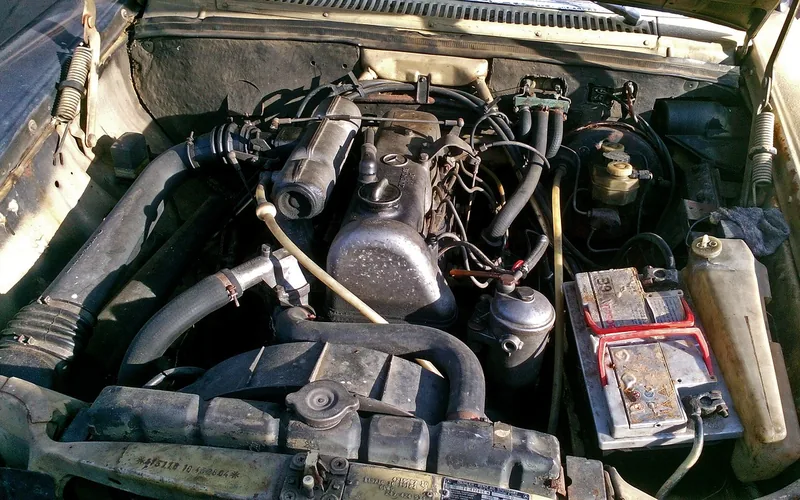
When Do You Need to Store Your Car Battery?
You’ll need to think about proper battery storage if your car will be sitting unused for more than a few weeks, typically around three to four weeks. This timeframe can vary based on:
- Battery Age and Condition: Older batteries tend to lose charge faster than newer ones.
- Temperature: Batteries discharge faster in warmer temperatures.
- Vehicle’s Parasitic Draw: Modern cars have systems that constantly draw a small amount of power, even when off (like the clock, alarm system, and computer memory). This drain accelerates battery discharge.
So, if you’re going on deployment, taking an extended vacation, or putting a classic car into winter storage, now is the time to learn how to store its battery.
Essential Steps for Storing a Car Battery
Storing your car battery properly is a straightforward process. It primarily involves ensuring the battery remains charged and protected from damaging environmental conditions.
Step 1: Fully Charge the Battery
Before you even think about disconnecting or moving the battery, it’s crucial to ensure it’s fully charged. A fully charged battery is much more resilient to self-discharge and less prone to sulfation and freezing.
- Use a Smart Battery Charger: A standard charger can overcharge the battery if left on too long. A “smart” or “trickle” charger (also known as a battery maintainer) is ideal. These chargers monitor the battery’s voltage and only deliver a small amount of power as needed to keep it topped up without overcharging.
- Follow Charger Instructions: Always read and follow the instructions provided with your battery charger. Connect the positive (+) terminal first and then the negative (-) terminal. When disconnecting, remove the negative (-) terminal first, followed by the positive (+).
- Charge Until Full: Allow the charger to complete its cycle. Many smart chargers will indicate when the battery is fully charged.
Step 2: Disconnect the Battery
Leaving a battery connected in a car that isn’t being driven can still lead to discharge due to the vehicle’s minor electrical draws. Disconnecting the battery prevents this.
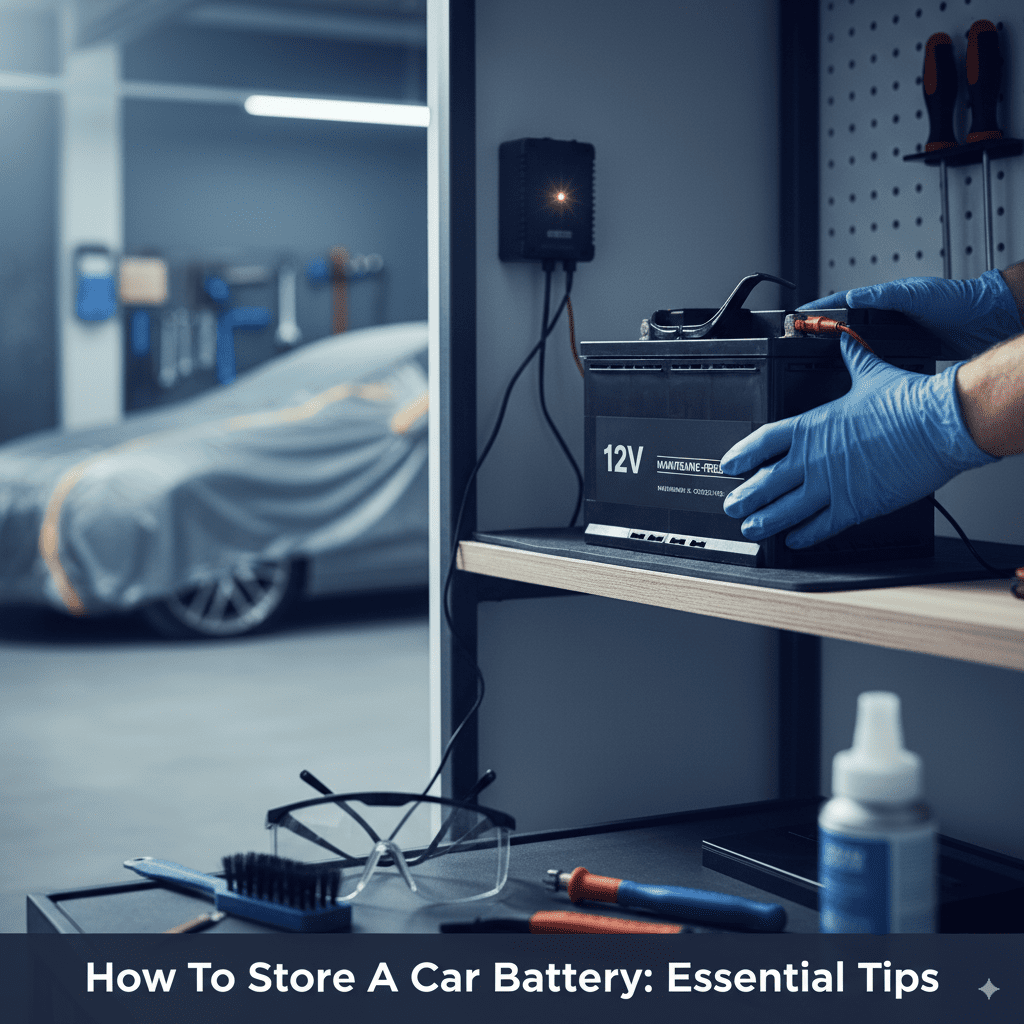
- Safety First: Always wear safety glasses and gloves when working with car batteries. They contain sulfuric acid, which is corrosive.
- Locate the Battery: It’s usually under the hood, but in some cars, it might be in the trunk or under a seat. Consult your car’s owner’s manual if you’re unsure.
- Remove the Negative Terminal First: Using a wrench (typically 10mm or 13mm), loosen the nut on the clamp connected to the negative (-) terminal. Once loose, wiggle the clamp off the terminal post. Tuck the cable away from the terminal so it can’t accidentally touch it.
- Remove the Positive Terminal Second: Repeat the process for the positive (+) terminal clamp.
- Remove Hold-Downs: Most batteries are secured by a bracket or clamp at the base. You’ll need to loosen or remove these bolts to free the battery.
- Lift Carefully: Batteries are heavy. Lift with your legs and ensure a firm grip. If you’re not comfortable, ask for help.
Step 3: Clean the Battery Terminals and Exterior
Dirt, corrosion, and grime on the battery can increase self-discharge and hinder charging. A clean battery performs better.
- Terminal Cleaning: Battery terminals often develop a white or bluish powdery substance – this is corrosion. You can clean it using a mixture of baking soda and water. Apply the paste with an old toothbrush or a wire brush specifically designed for battery terminals.
- Rinse and Dry: After cleaning, rinse the terminals gently with water and dry them thoroughly.
- Exterior Wipe-Down: Wipe down the entire battery case with a damp cloth. Ensure no cleaning solutions get into the vents or cells.
Step 4: Store the Battery in an Ideal Location
The environment where you store the battery is crucial for its longevity.
- Cool and Dry: Aim for a stable spot between 50°F and 70°F (10–21°C) and never above 80°F. Basements, climate-controlled garages, or even a spare room indoors can work well.
- Avoid Direct Sunlight: Direct sunlight can heat the battery excessively, accelerating discharge and potentially causing damage.
- Storing in a Basement or Utility Room: This is usually one of the more temperature-stable options in a home, which is a plus. Just keep the battery well away from furnace pilot lights, water heaters, or anything with an open flame, since batteries can emit small amounts of flammable hydrogen gas, and make sure the room isn’t sealed completely airtight.
- Stable, Non-Metallic Surface: Place the battery on a shelf or wooden workbench rather than directly on the floor. Modern sealed battery cases don’t discharge through concrete or metal the way older hard-rubber-cased batteries once did — the real reason to avoid a bare metal shelf is that a dropped tool or metal object can bridge the two terminals and cause a short.
📊 Sealed lead-acid batteries lose about 3% of their stored charge per month at room temperature, and self-discharge roughly doubles for every 18°F (10°C) rise in storage temperature. — Source: Midtronics, Battery Storage Guidance
Step 5: Use a Battery Maintainer (Highly Recommended)
This is arguably the most important step for long-term storage. A battery maintainer (also called a trickle charger or float charger) will keep the battery at its optimal charge level without overcharging it.
- How They Work: These devices sense the battery’s voltage. When it drops below a certain level, they switch to a low float voltage — typically 13.2 to 13.4 volts — and provide just enough controlled current to bring it back up before stopping again. This cycle ensures the battery is always ready and prevents deep discharge.
- Types of Maintainers: You can find them online or at auto parts stores. Some are designed for specific battery types (like lead-acid, AGM, or gel). Make sure to get one compatible with your car battery.
- Connection: Connect the maintainer to the disconnected battery terminals, just as you would a regular charger. Some maintainers come with connectors that can be permanently attached to the battery and then plugged in when needed.
- Storing a Vehicle With Two Batteries: Trucks, RVs, and boats with a dual-battery setup connected through an isolator or voltage-sensitive relay generally need each battery charged individually — either with a dual-bank maintainer that has two independent outputs, or by connecting a single maintainer to each battery in turn. A single maintainer clipped to only one battery usually won’t charge the other unless the isolator happens to be bridging them.
“Extremely hot or cold temperatures can have a negative impact on the battery’s performance and lifespan.”
Best Battery Maintainer Pick

NOCO GENIUS1 Smart Battery Charger & Maintainer
A 1-amp smart charger with a built-in thermal sensor that adjusts charging for ambient temperature, so it’s safe to leave connected indefinitely during long-term storage.
- Best for: Single-battery vehicles in long-term storage, from daily drivers to classic cars
- Why we picked it: Automatic float mode and temperature compensation match exactly what this guide recommends for safe indefinite storage
- Main drawback: At 1 amp it charges slowly, so it’s built for maintenance, not for reviving a badly drained battery quickly
Compare more battery storage options
 Option 1 Battery Tender Junior 12V, 800mA Maintainer
|
 Option 2 Performance Tool 4-in-1 Terminal Cleaning Brush
|
 Option 3 Anti-Corrosion Terminal Protector Washers (12pk)
|
As an Amazon Associate we earn from qualifying purchases.
Step 6: Reinstalling the Battery
When it’s time to bring your car back into service:
- Clean Terminals Again: Give the battery terminals and the car’s terminal clamps a quick clean to ensure a good connection.
- Place the Battery: Carefully place the battery back in its tray.
- Secure Hold-Downs: Reinstall the hold-down bracket.
- Connect Positive Terminal First: Attach the positive (+) clamp to the positive terminal post and tighten the nut.
- Connect Negative Terminal Second: Attach the negative (-) clamp to the negative terminal post and tighten the nut. Make sure both are snug.
- Check for Security: Give the battery a gentle push to ensure it’s firmly seated and doesn’t move.
Table: Common Battery Storage Mistakes to Avoid
To help you avoid common pitfalls, here’s a quick rundown of what NOT to do:
| Mistake | Why It’s Bad | Solution |
|---|---|---|
| Leaving the battery connected in the car. | Vehicle’s parasitic draw will slowly drain the battery, leading to deep discharge and potential damage. | Disconnect the battery. |
| Storing a discharged battery. | Increases the risk of sulfation (permanent damage) and freezing in cold temperatures. | Fully charge the battery before storing. |
| Storing the battery in extreme temperatures. | Heat accelerates self-discharge; cold can lead to freezing if the battery is discharged. | Store in a cool, dry, temperature-stable environment (50–70°F). |
| Not using a battery maintainer for long-term storage. | Battery will inevitably self-discharge, leading to preventable damage and a shorter lifespan. | Use a trickle charger or battery maintainer. |
| Storing the battery directly on a bare metal surface. | Modern sealed batteries don’t discharge through metal, but a dropped tool can short the exposed terminals. | Store on a wooden or plastic shelf, away from loose metal tools. |
| Neglecting to clean terminals. | Corrosion impedes electrical flow and can contribute to self-discharge. | Clean terminals before and after storage. |
Tools You Might Need
Gathering the right tools before you start will make the process smoother and safer.
- Wrench Set: Typically a 10mm or 13mm wrench is needed for battery terminal clamps. A socket wrench can be very useful.
- Battery Terminal Cleaner Tool: These are inexpensive wire brushes designed specifically for cleaning battery posts and clamps.
- Safety Glasses and Gloves: Essential personal protective equipment to protect you from battery acid.
- Baking Soda and Water: For cleaning battery terminal corrosion.
- Rag or Paper Towels: For cleaning and drying.
- Battery Charger/Maintainer: A smart charger or battery maintainer is highly recommended.
- Owner’s Manual: Always a good reference for specifics about your vehicle.
Understanding Battery Types and Storage Needs
While the basic principles of storing a car battery remain the same, understanding your battery type can refine your approach. The most common types you’ll encounter are:
- Flooded (Wet Cell) Batteries: These are the traditional lead-acid batteries. They have removable caps to check electrolyte levels. While modern versions are often “maintenance-free,” they still require care.
- Sealed Maintenance-Free (SMF) / Valved Regulated Lead Acid (VRLA) Batteries: These include AGM (Absorbent Glass Mat) and Gel batteries. They are sealed and do not require topping up with water. They are generally more resistant to vibration and deep discharge than flooded batteries.
For storage, all these types benefit from the same core principles: staying charged and protected from extreme conditions. However, AGM and Gel batteries might be slightly more tolerant of deeper discharge cycles, but it’s still best practice to keep them topped up.
When using a charger or maintainer, always ensure it’s compatible with your battery type. Using the wrong charger can damage the battery. A new, never-installed battery also has its own storage window — see the FAQ below for how long one can sit on a shelf before it needs a charge.
When It’s Time to Put Your Car Back to Use
After a period of storage, your battery should be in good condition if you’ve followed these steps. Before starting your car, double-check that:
- Terminals are Secure: Ensure all connections are tight.
- Battery is Clean: A quick wipe-down won’t hurt.
- Battery Maintainer is Disconnected: If you used one, remember to unplug it.
When you turn the ignition key, your car should start up smoothly. If you experience any slow cranking or hesitation, it might indicate a slight loss of charge or an underlying issue with the battery or charging system. In such cases, a short drive of 20-30 minutes or a dedicated charging session might be all that’s needed. For persistent issues, it may be time to have your battery tested by a professional — see our guide on checking your battery’s health for the exact voltage readings to look for.
For more detailed technical guidance on battery maintenance and testing, see AutoZone’s official battery storage guide.
Frequently Asked Questions (FAQ)
How Long Can a Car Battery Sit Without Being Used?
A healthy car battery can typically sit for about 3-4 weeks before its charge drops low enough to cause problems, though this varies with battery age, temperature, and your vehicle’s parasitic draw. Lead-acid batteries lose roughly 4-6% of their charge per month at room temperature, so for anything longer than a month, disconnect the battery or use a maintainer.
Do I Need to Disconnect the Battery, or Can I Just Leave a Maintainer Connected?
For storage under two weeks in moderate weather, you can usually leave the battery connected. For anything longer, disconnecting is the safer option since it eliminates parasitic drain from the clock, alarm, and onboard computers. If the battery is hard to access, a reliable maintainer left connected the entire time is a safe alternative to disconnecting.
Can I Leave My Car Battery on a Trickle Charger or Maintainer Indefinitely?
Yes. A genuine battery maintainer (as opposed to a basic uncontrolled trickle charger) is designed for continuous, indefinite connection. It switches to a low float voltage, typically 13.2 to 13.4 volts, once the battery is full, delivering just enough current to offset self-discharge without overcharging or damaging the plates.
Is It Safe to Store a Battery on a Concrete Floor or Metal Shelf?
Yes, for modern batteries. The old belief that concrete or metal drains a battery dates back to porous hard-rubber cases used decades ago; today’s sealed polypropylene cases don’t conduct charge to the surface below. The real risk with a metal shelf isn’t discharge — it’s a dropped tool or loose metal object bridging the two terminals and causing a short. Store the battery on a stable, non-metallic surface like wood or plastic mainly to avoid that contact risk, not because the material itself drains the battery.
How Long Can a Brand-New, Never-Installed Battery Sit in Storage?
A new, fully charged battery can typically hold a usable charge on the shelf for up to two years, but manufacturers generally recommend selling or installing it within 6 to 9 months of its manufacture date for best performance. Check the date code stamped on the case, and have a new battery load-tested before installing it if it’s been sitting for more than half a year.
What Should I Do With a Cracked, Leaking, or Damaged Battery Instead of Storing It Normally?
Never store a cracked or leaking battery alongside your other tools or batteries. Place it upright in an acid-resistant container, such as a plastic bucket, and keep it separate from undamaged batteries. Federal hazardous-materials rules require a leaking battery to be packaged so it can’t spill before it’s even transported, so the safest move is to take it to an auto parts store or battery recycler as soon as possible rather than storing it long-term.
What Happens if a Car Battery Freezes?
A frozen battery has almost always discharged significantly first. A fully charged battery’s electrolyte won’t freeze until roughly -94°F (-70°C), while a fully discharged battery’s electrolyte is closer to plain water and can freeze around 32°F (0°C). Freezing expands the liquid enough to crack the case and damage the internal plates, which usually means the battery is ruined and needs to be replaced.
Conclusion
Taking a few simple steps to properly store your car battery can make all the difference when it’s time to start your vehicle again. By ensuring your battery is fully charged, disconnected, cleaned, and kept in a stable 50–70°F environment, you’re protecting it from damage like sulfation and freezing. Using a battery maintainer is your best friend for extended storage and peace of mind.
Remember, a little bit of care now can save you from the frustration and expense of a dead or damaged battery later. When you’re ready to drive off, you’ll be glad you took the time to prepare your battery for its rest.
Products related to this article
Sponsored / affiliate links. As an Amazon Associate I earn from qualifying purchases. I may earn additional commission from eligible campaigns.