Why Is Your Car AC Making a Hissing Sound? What to Know
It can be a little stressful when you hear a strange sound coming from your car, especially if it’s the air conditioning. If you’re wondering, Why Is My AC Hissing in the Car?, you’re not alone! This is a common problem, and it can seem complicated at first. But don’t worry, we’ll break it down into easy-to-follow steps. We’ll explore the main causes and provide clear solutions to help you get your AC working properly again. So, let’s get started!
The Mystery of the Hissing AC
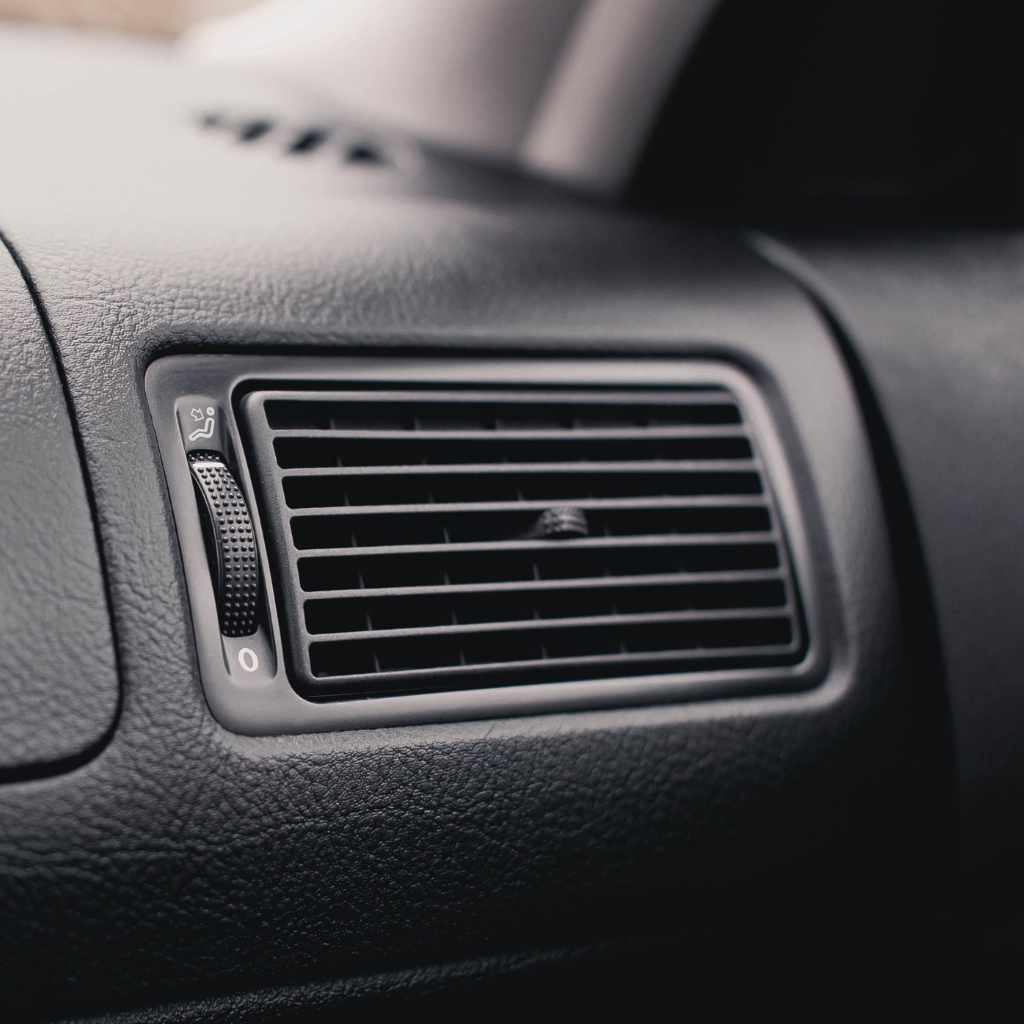
The hissing sound from your car’s AC is often a sign of something that needs attention. It’s usually caused by pressure changes or leaks within the AC system. Identifying the source is important, because this can help you address the issue quickly. Many different components work together to make your AC cool, and each of these parts can potentially cause the sound. This exploration will show you some of the common culprits.
Refrigerant Leaks: A Common Culprit
One of the main reasons for a hissing AC is a refrigerant leak. Refrigerant is the special fluid that absorbs heat and makes the air cold. When the refrigerant leaks, it can create a hissing sound as the pressure drops. This can happen from a number of places within the AC system, such as a damaged hose, a bad seal, or even a problem with the compressor. Locating the leak can sometimes be tricky and may require special equipment.
- Damaged Hoses: Car AC systems use hoses to carry the refrigerant. These hoses can wear out or get damaged over time due to heat, vibration, or physical impacts. Cracks or holes in these hoses allow refrigerant to escape, causing a hissing sound.
- Faulty Seals: The AC system has many seals and O-rings at different connection points to prevent leaks. If these seals dry out, crack, or become worn, they won’t be able to keep the refrigerant inside.
- Compressor Issues: The AC compressor is responsible for compressing the refrigerant and circulating it through the system. If the compressor has internal problems, like a broken seal or a crack in the housing, it can leak refrigerant.
- Evaporator Core Damage: The evaporator is a crucial part inside your car’s dashboard that absorbs heat. If this component is damaged from impacts or corrosion, it can develop leaks. This is often difficult to detect because it’s located inside the dashboard.
Sometimes, a leak can be difficult to find. A mechanic will typically use a special tool, like a refrigerant leak detector, to pinpoint the exact location. They may also use dye that can be added to the refrigerant, which will show where the leak is when viewed under a special light.
Compressor Problems Can Cause AC Hissing
The AC compressor is vital, creating the pressure needed for the system to work. It compresses the refrigerant, sending it through the system to cool the air. When the compressor fails, it may start making a hissing sound, often accompanied by a loss of cooling. Understanding how the compressor works and what problems can occur can help you diagnose and deal with these issues.
- Internal Component Failure: The compressor has internal parts that can fail, such as pistons, valves, and seals. These parts can wear down over time, causing the compressor to not work well. This can lead to a hissing sound and a loss of cooling.
- Low Refrigerant: If the compressor runs low on refrigerant, it may begin to make odd noises, including a hissing sound. This can happen because of a leak, or if the system wasn’t charged correctly in the first place.
- Contamination: If the AC system becomes contaminated with debris or moisture, it can harm the compressor. This can lead to hissing and other noises as the compressor struggles to function.
- Compressor Clutch Problems: The compressor clutch connects the compressor to the engine. If the clutch fails, it can cause the compressor to make unusual sounds.
If you suspect compressor trouble, get your car checked by a professional. Ignoring compressor issues can lead to more costly repairs. A technician will be able to determine if you need a new compressor or other parts.
Pressure Issues in the AC System
The AC system works by creating high and low-pressure zones. If these pressures are not balanced, it can cause a hissing sound. This can happen for different reasons. This can be caused by obstructions, problems with the expansion valve, or even overcharging the system with refrigerant. It’s important to understand how these pressure dynamics impact the system and its sounds.
- Clogged Components: If any part of the AC system gets blocked, like the orifice tube or expansion valve, the pressure can build up. This is likely to lead to a hissing sound.
- Expansion Valve Troubles: The expansion valve is crucial for controlling refrigerant flow and pressure. If it fails, it can cause hissing sounds. This happens because the valve may not regulate the pressure effectively.
- Overcharged System: If there’s too much refrigerant in the system, it will lead to higher-than-normal pressure. This can also cause a hissing sound and other AC issues.
- Blocked Condenser: If the condenser is blocked by debris, it cannot release heat effectively. This can also cause high pressure and a hissing noise.
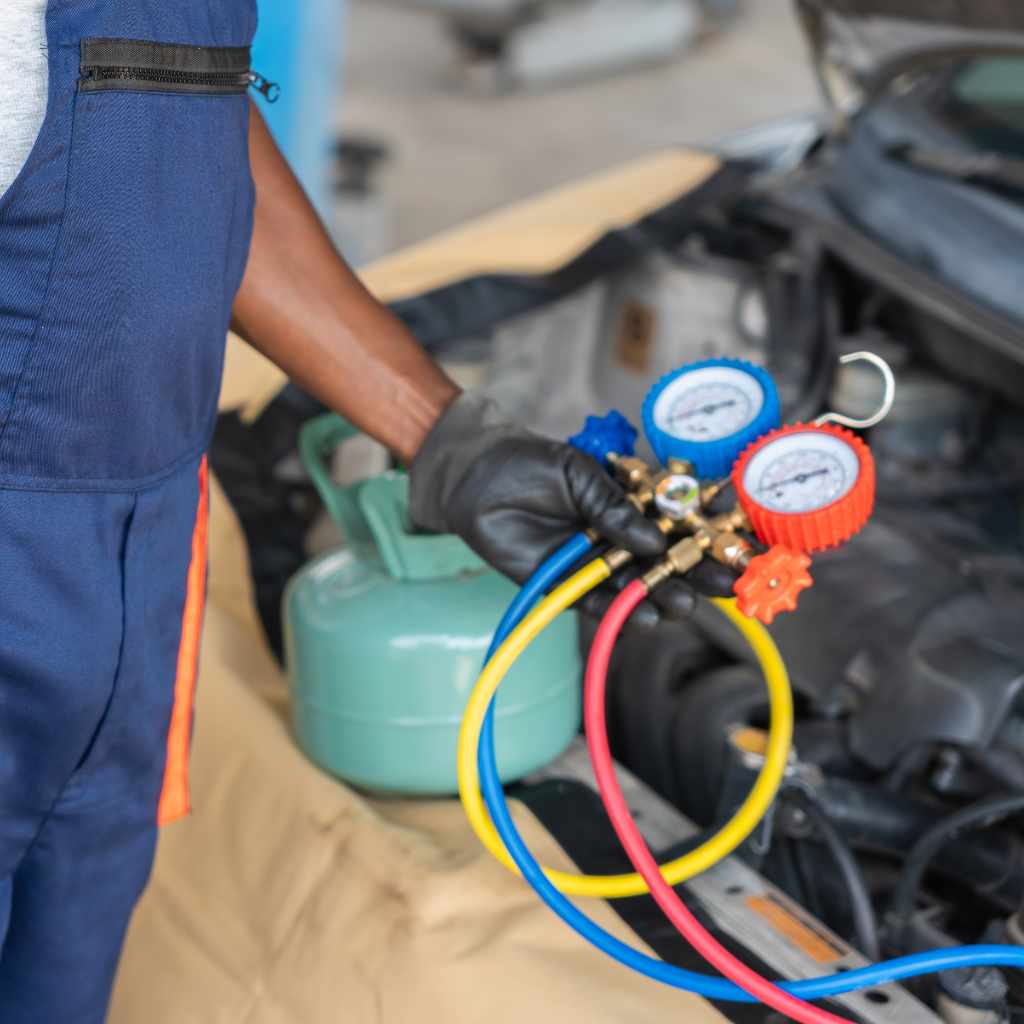
A professional technician uses specialized gauges to measure the pressure in your AC system. These pressure readings will show if there’s an imbalance, helping diagnose the issue. Pressure checks will also reveal the source of leaks and other pressure-related problems.
How to Deal With a Hissing AC
Now that we’ve explored the common causes, it’s time to talk about what to do when you hear that hissing sound. Here, you’ll find simple steps to troubleshoot and fix the problem. Remember, some fixes are easier than others. This section will guide you through the process, helping you determine what you can do yourself and when you need to call a professional.
Initial Checks and Visual Inspections
Before you take your car in for repairs, there are some simple checks you can do yourself. These inspections may not solve the problem completely, but they can help you understand what’s happening. Looking for signs of damage or leaks may also save you time and money. Here are some basic steps for examining your AC system.
- Check for Obvious Leaks: Look around the AC components under your hood, particularly the compressor, hoses, and connections. Look for oily spots, which are a sign that refrigerant may be leaking.
- Listen for the Hissing Sound: Have someone turn on the AC while you listen closely. Where does the sound seem to be coming from? This can help you focus your inspection.
- Inspect the AC Lines: Examine the AC lines for any visible damage like cracks, cuts, or wear and tear. Damaged lines will definitely cause leaks.
- Check for Blockages: Ensure that the condenser (located in front of the radiator) is not blocked by leaves, dirt, or other debris. This can affect how well the AC cools.
It’s important to remember that refrigerant is a hazardous substance. If you are not comfortable working with it, seek help from a qualified mechanic. Also, avoid working on the AC system if you’re not familiar with its components. This can prevent further damage or injury.
When to Consult a Professional
While some AC problems are easy to fix, others require professional expertise. Understanding when to consult a mechanic is key to keeping your car in great shape. Some repairs will need special equipment or skills that the average person won’t have. Here are some signs that it’s time to see a mechanic.
- Persistent Hissing: If the hissing continues even after you’ve checked the basic components, it might be a deeper problem that needs to be diagnosed.
- Lack of Cooling: If the AC doesn’t cool, even if the compressor is running, then you may have a major leak or other mechanical issue.
- Unusual Noises: Besides hissing, if you hear other strange noises like grinding or knocking, it could point to compressor failure or other serious problems.
- Oily Residue: If you see oily residue on AC components, it’s a sign of a refrigerant leak. A professional can find and repair the leak.
Professional mechanics have the tools, the knowledge, and the refrigerant-handling skills needed for effective repairs. They can diagnose the source of the problem and complete any necessary repairs safely. They can identify the exact source of the leak and also ensure that the AC system is charged with the proper amount of refrigerant.
DIY AC Troubleshooting (When Safe)
There are some simple things you can check, even if you are not an expert. Safety is key, so make sure you understand the basics before you begin. Here are a few simple troubleshooting tips that you can try before you take your car to the shop. Please note that you should only proceed with these steps if you feel comfortable. If not, it is best to consult with a mechanic.
- Check the AC Fuse: A blown fuse can prevent the AC from working. Check the fuse box and replace any blown fuses. This is an easy fix that could solve the problem.
- Examine the AC Relay: The AC relay controls power to the compressor. If it fails, the AC may not turn on. You can try swapping the AC relay with another similar relay to see if that works.
- Clean the Condenser: Make sure the condenser is free of debris that can limit its ability to release heat. You can gently clean it with a brush or spray it with water.
- Inspect the AC Belt: The AC belt drives the compressor. Check for cracks or damage and replace if necessary.
Remember that working on your car’s AC can be risky. If you are unsure about any of these steps, or if you feel uncomfortable, then seek professional help. Your safety is the most important thing. Never try to refill refrigerant yourself unless you are trained and have the necessary tools.
Important Components and Their Roles
To better understand why your AC might be hissing, it is helpful to know the different components. Each part plays a vital role in cooling. Knowing what each part does will make it easier to understand how the system works. It will also help you to identify potential problems when you hear the hissing sound. This area explains some key components.
The Compressor: The Heart of Your AC
The compressor is one of the most important components in the AC system. It’s essentially the heart of the system because it drives the refrigerant. It’s responsible for compressing the refrigerant gas, which then causes it to increase in temperature and pressure. This compressed, hot refrigerant is then sent through the rest of the system, where it eventually releases its heat and cools the air. If the compressor fails, your AC system will not cool the air.
- Compressor Clutch: The compressor clutch is a key part because it engages and disengages the compressor. It connects the compressor to the engine when you turn on the AC, and disconnects it when the AC is off.
- Compressor Seal: The compressor seal keeps the refrigerant inside the compressor. Leaks at the seal can cause the AC system to lose refrigerant.
- Compressor Valves: These valves control the flow of refrigerant in and out of the compressor. They help regulate the pressure and ensure that the refrigerant is compressed effectively.
- Compressor Housing: The housing contains all the inner parts of the compressor. It is made to withstand high pressures and extreme temperatures.
A damaged or failing compressor will often make loud noises like hissing, knocking, or grinding sounds. In many cases, replacing the compressor is the only solution. However, it’s always best to have a professional diagnose the exact problem.
Condenser and Evaporator: The Cooling Duo
The condenser and evaporator work together to cool the air inside your car. The condenser cools the hot, compressed refrigerant, changing it from a gas to a liquid. The evaporator then absorbs heat from the car’s interior, making the air cold. Understanding how these parts function helps you to understand how the overall system cools the cabin.
- Condenser Function: The condenser releases the heat from the hot, compressed refrigerant. It’s usually located in front of the radiator, and is designed to dissipate heat into the outside air.
- Evaporator Function: The evaporator absorbs heat from the interior of your car. The liquid refrigerant passes through the evaporator, and absorbs the heat, turning it back into a gas. This cold gas then goes back to the compressor to start the process again.
- Condenser Blockage: The condenser can become blocked by debris, like leaves and dirt. This reduces its efficiency. That is why it’s important to keep the condenser clean.
- Evaporator Leaks: The evaporator is prone to leaks, often due to corrosion or physical damage. A leak here can cause a loss of cooling.
A good air flow is important for both the condenser and the evaporator. The fan helps push air through the condenser to help cool the refrigerant. Make sure to keep the condenser clear of any debris to ensure your AC system is working correctly.
Expansion Valve and Orifice Tube
The expansion valve (or orifice tube) is a crucial part because it controls the amount of refrigerant that enters the evaporator. It helps to regulate pressure in the system. The expansion valve and orifice tube prevent too much or too little refrigerant from entering the evaporator, ensuring that the cooling process runs efficiently. Understanding their functions and importance will help in any troubleshooting efforts.
- Pressure Regulation: The expansion valve reduces the pressure of the liquid refrigerant before it enters the evaporator. This pressure drop is a critical step in the cooling process.
- Refrigerant Flow Control: The expansion valve is designed to deliver the right amount of refrigerant to the evaporator. This helps the system work as effectively as possible.
- Orifice Tube vs. Expansion Valve: Some cars use an orifice tube instead of an expansion valve. The tube works similarly, but is a fixed size and less adjustable than the expansion valve.
- Blockage Issues: Both the expansion valve and the orifice tube can get blocked. This can reduce the refrigerant flow, and harm the cooling performance of the AC system.
If the expansion valve or orifice tube becomes blocked, it can cause various problems. These can include poor cooling performance, inconsistent cooling, or a hissing sound. Addressing problems with these parts can often solve AC troubles.
Real-Life Scenarios and Common AC Problems
Understanding real-life scenarios can help you prepare for and prevent problems. These examples highlight the different ways AC problems can affect vehicle performance. These case studies highlight common AC issues. They also explore solutions, to help vehicle owners handle these situations with confidence.
- A car owner notices a hissing sound when the AC is turned on. They investigate and discover a small refrigerant leak from a damaged AC line. A mechanic replaces the damaged line and recharges the system. The AC works effectively again.
- A driver hears hissing and notices the AC doesn’t cool well. They have the system checked and learn that the compressor is failing. The compressor is replaced, and the AC is restored to working order.
- A motorist notices the AC hisses, and finds that the condenser is blocked by debris, which is affecting performance. They clean the condenser, and the AC functions as expected.
Frequently Asked Questions
Question: Why does my car’s AC hiss when I turn it on?
Answer: Hissing can be caused by refrigerant leaks, pressure issues, or problems with the compressor.
Question: Is a hissing AC always a sign of a serious problem?
Answer: Not always, but it does often indicate a leak or other problem. You should have it checked.
Question: Can I fix a hissing AC myself?
Answer: Some basic issues, such as a blocked condenser, can be addressed. Most complex issues will require professional help.
Question: What should I do if my AC is hissing and not cooling?
Answer: Stop using the AC and get the car checked by a qualified mechanic. There is likely a significant issue that needs to be addressed.
Question: How often should I have my car’s AC system checked?
Answer: It’s good to have it checked every year or two, especially before the hot summer months.
Final Thoughts
Dealing with a hissing AC can be frustrating, but now you know the possible causes. You’ve learned about refrigerant leaks, compressor issues, and pressure imbalances. We’ve explored the roles of key components. Remember, you can start by checking for any visible signs of leaks and cleaning obvious debris. If the hissing persists or you experience a loss of cooling, it’s best to consult a professional mechanic. Addressing the problem quickly will prevent further damage and keep you cool and comfortable. Armed with this information, you’re ready to diagnose the problem and keep your car’s AC in top condition!