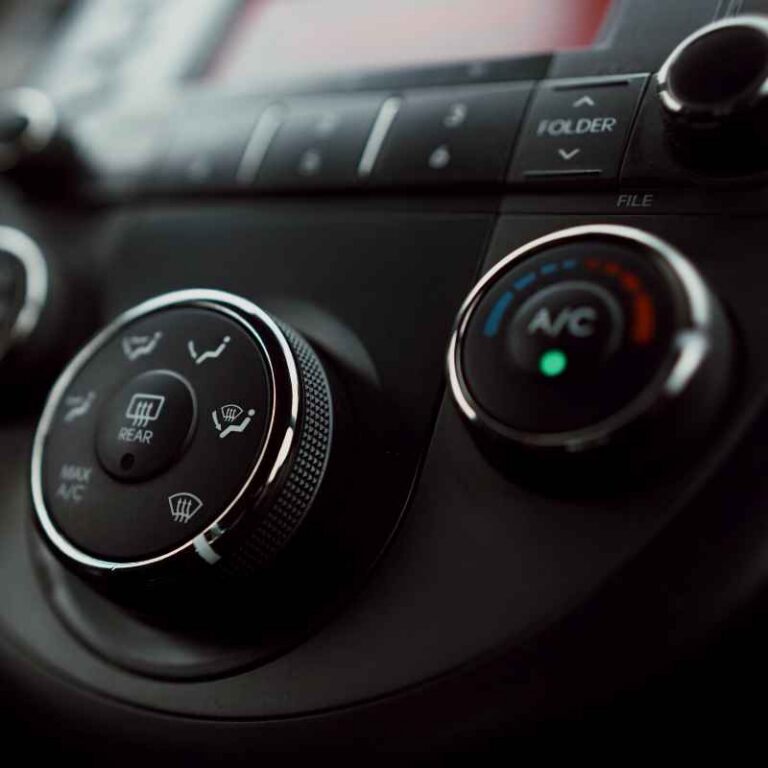
Does A Car Leak Water When The Heat Is On? Find Out
Yes, it’s common for a car to drip water from underneath when the heat is on, but it’s usually a sign of the air conditioning system working, not a leak from the heating system itself. This condensation is normal. However, other types of water leaks can occur for different reasons.
Understanding Your Car’s Systems: Heat and Condensation
Your car’s heating system and its air conditioning system are more connected than you might think. The heater core is like a small radiator inside your dashboard. Hot coolant from the engine flows through it.
A fan blows air across the hot heater core. This warms the air and sends it into the car’s cabin.
Now, let’s talk about the air conditioning (AC) system. When your AC is running, it cools the air. To do this, it removes moisture from the air.
Think of it like a cold drink on a hot day. Water droplets form on the outside of the glass. The same thing happens inside your car’s AC system.
This moisture is collected and then drained away. It exits the car through a small hose. This hose is usually located underneath the vehicle.
This is where the water you see comes from. It’s essentially distilled water from the air.
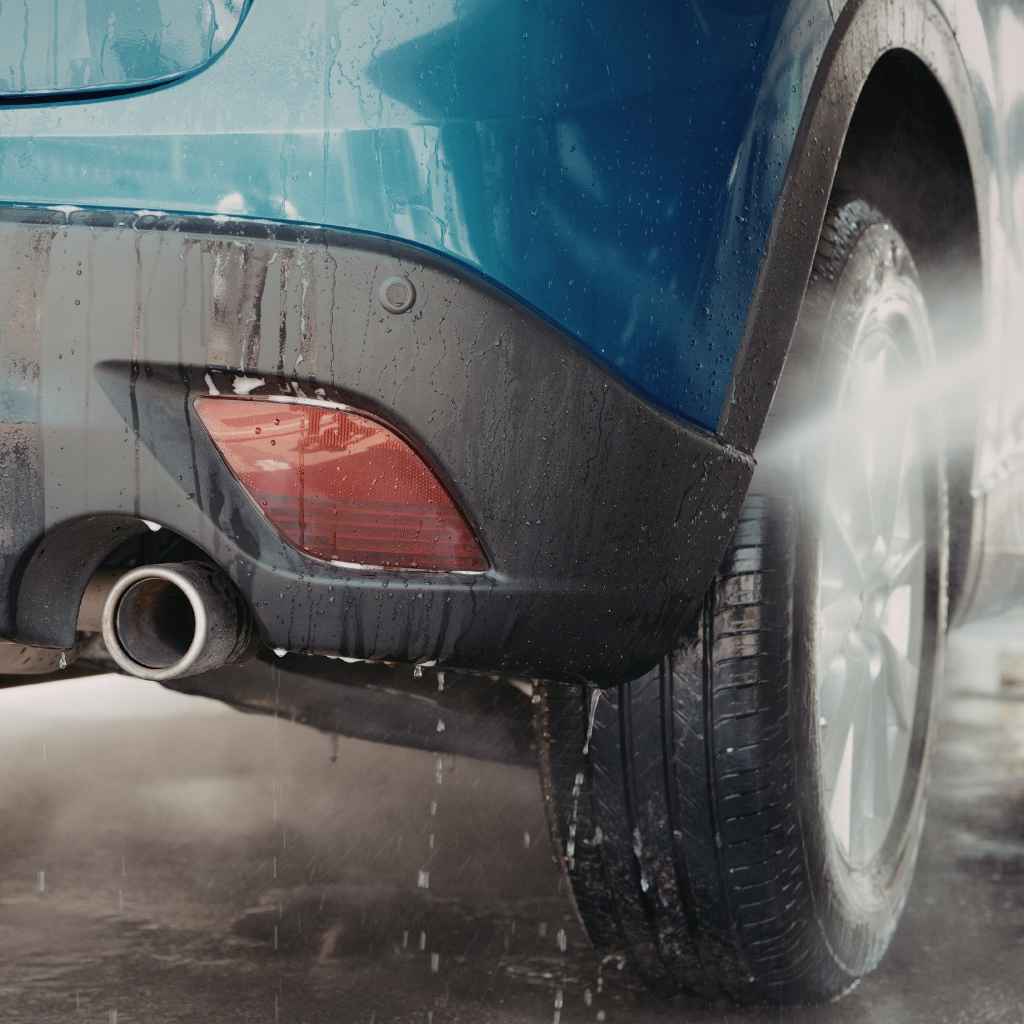
Why You See Water When the Heat Is On
This is where it gets a little confusing for many people. You might be using your heater, but the water dripping is often from the AC system. How can this be?
Well, many cars have automatic climate control systems. These systems often run the AC compressor even when you have the heat on. This is done to dehumidify the air.
Why would a system dehumidify air that it’s then heating? It helps prevent foggy windows. When you turn on your defroster, the AC system is usually engaged automatically.
It dries the air. Then, the heater warms this dry air. This clears your windshield much faster and better than just hot, humid air.
So, if you notice water dripping when you use your defroster or when the climate control system is set to auto, it’s very likely just normal AC condensation. This is a sign that your AC system is working to keep your windows clear and your cabin comfortable. It’s not a sign of a problem with your heating system or a coolant leak.
I remember the first time I saw a puddle under my car when I had the heat on. I’d just bought my car and panicked a little. I called my dad, who’s a mechanic.
He calmly explained about the AC running to dehumidify. It was such a relief! It’s one of those things that makes perfect sense once you understand the car’s clever systems.
Distinguishing Normal Condensation from a Real Leak
While AC condensation is normal, it’s also important to know when that dripping water might be something more serious. There are a few key differences to look for. Normal condensation is clear water.
It has no color and no real smell. It shouldn’t have any oily sheen to it.
If the liquid you see is colored – green, pink, orange, or brown – that’s a strong indicator of a coolant leak. Coolant is what keeps your engine from overheating or freezing. It’s vital for your car’s engine health.
A coolant leak is definitely something you need to address quickly.
The smell is another clue. Normal water doesn’t smell. Coolant, on the other hand, often has a sweet, syrupy smell.
If you smell something sweet near the dripping water, suspect a coolant leak. Also, check the consistency. If it feels a bit oily or thicker than water, it’s probably not just condensation.
Another tell-tale sign of a coolant leak is that the puddle might be larger than usual. Condensation drips are usually steady but not excessive. A significant coolant leak will leave a much bigger wet spot.
The location can also vary. AC condensation usually drips from a specific spot under the passenger side of the car. Coolant leaks can come from various places under the engine or radiator.
Quick Check: Water vs. Coolant
Normal Water (AC Condensation):
- Clear color
- No smell
- Thin consistency
- Usually drips from under the passenger side
Potential Coolant Leak:
- Colored (green, pink, orange, brown)
- Sweet smell
- Slightly oily or thicker consistency
- Can drip from various locations under the engine
Common Causes of Actual Water Leaks
When it’s not AC condensation, what else could cause water to leak from your car? The heating system itself uses coolant, so a leak in the heating system means a coolant leak. The main component here is the heater core.
This is located behind the dashboard.
If the heater core develops a leak, you might notice a sweet smell inside your car. You could also see a wet spot on the passenger side floor mat inside the car. The windshield might also fog up more than usual, even when the AC is not running.
Another place water can leak from is the windshield washer fluid reservoir. This fluid is mostly water, with some additives. If the reservoir cracks or the hoses connected to it develop a leak, you’ll see water dripping.
This fluid is usually clear or colored, depending on the brand.
The radiator is another key part of your cooling system. It has coolant flowing through it. If the radiator itself is damaged or its seals fail, it can leak.
Radiator leaks are usually a type of coolant leak. You’d typically see colored fluid with a sweet smell.
The water pump is responsible for circulating coolant. If its seal fails, it can cause a leak. Hoses that carry coolant can also crack or loosen over time.
These are all critical for keeping your engine cool. A leak from any of these components is serious.
Finally, even simple things like cracked or clogged drain tubes can cause water buildup. This is especially true if you use your AC a lot. If the AC drain tube gets blocked with debris, water can back up.
It might then find its way into the cabin, often onto the passenger side floor.
When to Suspect a Real Leak
Check these signs:
- Colored fluid: Green, pink, orange, or brown drips.
- Sweet smell: A sugary odor near the leak.
- Sticky or oily fluid: Feels different than plain water.
- Inside the car: Wet carpets or a damp smell in the cabin.
- Foggy windows: Especially when defroster is off.
- Low fluid levels: Check coolant or washer fluid levels.
The Role of Your Car’s Cooling System
Your car’s cooling system is complex. It’s designed to keep the engine at an optimal temperature. This involves circulating coolant.
Coolant is a mixture of antifreeze and water. This mixture prevents freezing in cold weather and boiling in hot weather.
The system includes the radiator, water pump, thermostat, hoses, and the heater core. All these parts work together. They ensure the engine doesn’t overheat.
Overheating can cause severe engine damage. This is why a coolant leak is so serious.
The heater core is a small radiator located inside your car’s dashboard. When you turn on the heat, hot coolant flows through this core. A fan blows air across it, warming the air for your cabin.
If the heater core leaks, coolant escapes. This is a type of engine coolant leak.
When coolant leaks, it’s not just water. It’s a mix that can damage engine parts if not corrected. It can also be harmful if ingested.
This is why the sweet smell is a key warning. It can attract pets if it leaks onto the ground.
A faulty radiator cap can also cause issues. If it doesn’t hold pressure properly, coolant can escape. This might happen as steam or liquid.
Hoses are another common failure point. Rubber hoses degrade over time. They can crack, split, or become loose at the connection points.
When Is It Okay to See Water Dripping?
As we’ve discussed, the most common reason for water dripping from your car is AC condensation. This happens when the air conditioning system removes moisture from the cabin air. This moisture is then drained outside the car.
It’s a normal process.
You will often see this dripping when the AC is running. You might also see it when the heater is on and the climate control system is set to automatically dehumidify the air. This is especially common in humid weather.
Or, when you first start your car on a cool, damp morning.
You might notice more water dripping after a long drive. This is because the AC system has had more time to remove moisture. The location of the drip is usually under the passenger side of the vehicle.
It looks like clear water. It doesn’t have a strong smell.
It’s also worth noting that sometimes condensation can form on the outside of your car. This is from humidity in the air condensing on cooler surfaces. But the dripping water we’re talking about comes from underneath the car, from a drain tube.
If you consistently see clear water dripping from under your car, especially after using the AC or defroster, it’s likely just normal operation. It means your systems are doing their job. This is a good thing!
Signs It’s Just AC Condensation
- Fluid is clear
- Fluid has no smell
- Fluid feels like water
- Drip is under the passenger side
- Happens after using AC or defroster
- Puddle isn’t excessively large
When to Worry: Red Flags for Leaks
Now, let’s talk about the times you absolutely should be concerned. If the liquid under your car is not clear water, that’s your first major red flag. This includes colors like green, pink, orange, or brown.
These colors point directly to engine coolant.
The smell is another big clue. If you notice a sickly sweet smell, that’s your coolant. This smell can be very distinctive.
It’s different from the smell of exhaust or oil. If you smell this, investigate immediately.
The texture matters too. If the fluid feels a bit oily or slick, it’s likely not just water. Coolant can feel that way.
Engine oil leaks can also occur, but they usually result in a darker, blacker fluid. Water leaks from a coolant system are usually colored.
The amount of fluid is also important. A tiny drip from AC condensation is normal. A large puddle that appears quickly, especially if it’s colored fluid, is not.
This could indicate a burst hose or a failed seal.
Pay attention to your car’s dashboard. Are any warning lights on? An engine temperature warning light is a critical sign that your cooling system is not working correctly.
This could be due to a leak.
Finally, check the fluid levels yourself. If your coolant level is low, and you see coolant leaking, you’ve found your problem. Low washer fluid is less critical, but still needs fixing.
Always make sure your car is safe to drive.
I once saw a colleague’s car leaking bright pink fluid. She didn’t think much of it, saying her AC must be acting up. I strongly urged her to get it checked.
Turns out, it was a major radiator leak. She caught it just in time before her engine overheated completely. It’s those subtle clues that can save you a lot of money and trouble.
Red Flags for Serious Leaks
- Colored fluid (green, pink, orange, brown)
- Sweet smell
- Oily or slick fluid
- Large puddles
- Engine temperature warning light
- Constantly needing to top up fluids
Real-World Scenarios and What They Mean
Let’s look at a few common situations people face with their cars. Imagine you’re driving on a hot, humid summer day. You turn on your AC, and after a while, you park.
You notice a puddle under your car.
This scenario is almost always normal AC condensation. The AC has been working hard to pull moisture from the hot, sticky air. That moisture has to go somewhere, and it’s designed to drain out.
This is a sign your AC is functioning as it should.
Now, picture this: It’s a cold winter morning. You start your car and turn on the defroster to clear the ice. You see a small drip under your car.
This could still be AC condensation if your car’s climate control system is set to auto. It’s drying the air to clear the windows effectively.
However, if you turn the heat on and the only thing you smell is sweet, and you see colored fluid, that points to a heater core leak. The heater core is part of your cooling system. It uses engine coolant.
So, a leak here means coolant loss.
What if you notice a small drip of clear water under your car. It happens every day, whether the AC or heat is on. This could be a very slow leak in the AC system itself.
Or, it could be something minor like a loose connection in a hose. For peace of mind, it’s good to get it checked.
Consider a scenario where you notice a dark, oily puddle. This is unlikely to be coolant or AC water. This suggests an engine oil leak.
Engine oil leaks need attention too, as oil is crucial for your engine’s lubrication and longevity.
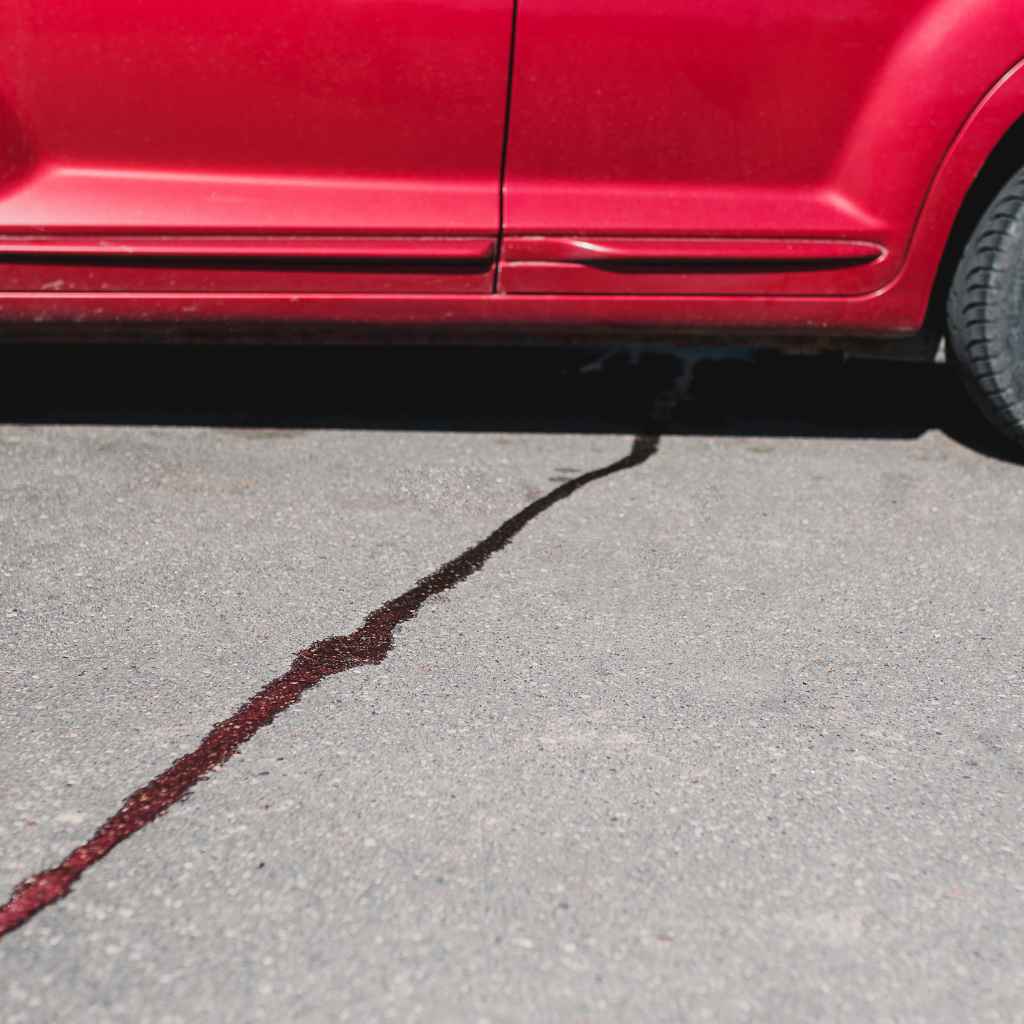
My neighbor, Martha, drives a popular mid-size sedan. She was visiting one rainy afternoon, and after she left, I saw a distinct trail of green fluid under her car. I mentioned it to her later.
She’d been noticing her temperature gauge creeping up. She took it to the mechanic, and they found a cracked hose on her radiator. Catching that leak early saved her engine.
It’s amazing how those small observations can lead to important fixes.
Scenario Breakdown
Scenario 1: Hot day, AC on, puddle under car after parking.
- Likely Cause: Normal AC condensation.
- What it means: Your AC is working well.
Scenario 2: Cold morning, defroster on, drip under car.
- Likely Cause: AC dehumidifying or normal condensation.
- What it means: System is clearing windows.
Scenario 3: Sweet smell, colored fluid, heater on.
- Likely Cause: Heater core or coolant leak.
- What it means: Serious cooling system issue.
Scenario 4: Dark, oily puddle.
- Likely Cause: Engine oil leak.
- What it means: Needs immediate inspection for engine health.
What This Means For You and Your Car
Understanding what that drip means is crucial for car maintenance. If it’s normal AC condensation, you can usually relax. It’s a sign of healthy operation.
However, it’s still good to keep an eye on it. If the dripping suddenly stops, that could mean your AC drain is clogged. Water can then back up into your car.
If you suspect a coolant leak, this is where you need to act. A coolant leak means your engine could overheat. This can lead to very expensive repairs, like a blown head gasket or a seized engine.
You should check your coolant level regularly. If it’s low, find and fix the leak.
A leaking heater core is also a problem for your comfort. Not only will your heat not work as well, but the coolant leaking into the cabin can damage the interior and create a slippery environment. It can also affect air quality inside the car.
Don’t ignore any leaks, even if they seem small. A small leak today can become a major problem tomorrow. Regular inspections by a trusted mechanic can catch these issues early.
This saves you money and keeps your car running safely.
It’s also important to know the type of coolant your car uses. Different cars require different types. Mixing them can cause issues.
Always refer to your owner’s manual or consult a professional.
Think of these leaks as your car’s way of communicating with you. A steady drip of clear water is like a little “hello, everything’s fine.” A pool of colored, sweet-smelling fluid is more like a loud alarm bell. Listen to what your car is telling you.
Quick Checks and Simple Tips
To ensure you’re not missing any important issues, here are some simple checks you can do yourself. Regularly check your car’s fluid levels. This includes engine oil, coolant, brake fluid, and windshield washer fluid.
Your owner’s manual will show you where these are and how to check them.
When you park your car, take a quick look underneath. Note any drips. Are they clear?
Colored? Do they have a smell? Where are they coming from?
Keep your car’s drain tubes clear. This includes the AC drain tube. If you park over leaves or debris, sometimes these can block the tubes.
A gentle spray of compressed air can help clear them if you suspect a blockage.
Listen to your car. Are there any new noises when you turn on the heat or AC? Squealing or hissing sounds could indicate a problem with the fan or a leak under pressure.
If you use your defroster often, keep an eye on your windshield. Does it get overly foggy? Does it leave a film?
This could point to issues with the heater core or other ventilation components.
Consider the weather. In very humid conditions, you’ll naturally see more AC condensation. In dry conditions, you’ll see less.
Understanding these natural variations helps you spot when something is truly out of the ordinary.
If you are ever unsure, it is always best to err on the side of caution. A quick visit to a mechanic can provide peace of mind and prevent more costly repairs down the road. They have the tools and expertise to diagnose subtle issues that might be missed by a casual observer.
Frequently Asked Questions
Why does my car drip water only when the AC is on?
This is typically normal AC condensation. The air conditioning system removes moisture from the air inside your car to keep it dry and comfortable. This moisture is then drained outside the vehicle through a small hose.
It looks like clear water dripping from underneath your car, usually on the passenger side.
Is it normal for water to drip from my car when the heater is on?
It can be. Many modern cars automatically use the AC compressor when the heat is on, especially in climate control or auto modes. This is to dehumidify the air, which helps prevent windows from fogging up.
So, you might see AC condensation even when you’re using the heater.
What color should the fluid dripping from my car be?
If it’s normal AC condensation, the fluid should be clear, like water. If you see colored fluid, such as green, pink, orange, or brown, it likely indicates a leak of engine coolant. This needs immediate attention.
My car smells sweet and has a colored drip. What is it?
A sweet smell combined with a colored drip (usually green, pink, or orange) is a strong sign of an engine coolant leak. This could be from the radiator, hoses, water pump, or heater core. You should have your car checked by a mechanic as soon as possible to prevent engine overheating.
Where does the water from my car’s AC system drain from?
The water from your car’s AC system drains through a dedicated hose. This AC drain tube is typically located underneath the vehicle, often towards the firewall on the passenger side. If this tube gets blocked with debris, the water can back up and potentially enter the car’s cabin.
Can a leaking heater core cause water to drip from my car?
Yes, a leaking heater core will cause coolant to leak. Because the heater core is part of the engine’s cooling system, the fluid will be colored (usually green, pink, or orange) and may have a sweet smell. This coolant can leak both outside the car and into the cabin, often onto the passenger side floor.
How do I know if it’s a windshield washer fluid leak?
Windshield washer fluid is mostly water but contains additives that can give it a color (often blue or green) and a distinct, sometimes soapy or chemical smell. If you see a leak of this type of fluid, check the washer fluid reservoir and its connecting hoses for cracks or leaks.
Conclusion
So, does a car leak water when the heat is on? The simple answer is often yes, but it’s usually not a leak from the heating system itself. It’s more likely the result of your car’s AC system working to keep your windows clear and your cabin comfortable.
Normal condensation is a clear, odorless drip.
However, it’s vital to be aware of the signs of a real leak, especially colored fluids with a sweet smell. These indicate coolant loss and require prompt attention from a mechanic to protect your engine. By understanding these differences, you can keep your car running smoothly and avoid costly repairs.
Products related to this article
Sponsored / affiliate links. As an Amazon Associate I earn from qualifying purchases. I may earn additional commission from eligible campaigns.