Why Is My Car AC Not Cooling? Top Reasons And Easy Fixes
If your car’s air conditioning system isn’t cooling, common culprits include low refrigerant levels due to leaks, a malfunctioning condenser fan, or a clogged cabin air filter. Other issues can involve electrical problems, a broken AC compressor, or issues with the blend door actuator. Checking these parts can help identify the cause.
Understanding Your Car’s AC System
Your car’s air conditioning system is like a mini refrigeration cycle. It uses a special fluid called refrigerant. This fluid moves through different parts.
It absorbs heat from inside your car. Then, it releases that heat outside.
The main parts are the compressor, condenser, expansion valve (or orifice tube), and evaporator. The compressor pumps the refrigerant. The condenser cools it down outside your car.
The expansion valve controls its flow. The evaporator cools the air inside your car. All these parts must work together perfectly.

Why Your Car AC Is Not Cooling: The Likely Suspects
When your car AC stops cooling, it can feel like a mystery. But most of the time, there are clear reasons. These reasons often involve one or more parts not doing their job.
Let’s break down the most common issues people face.
Low Refrigerant Levels: The Most Common Culprit
This is by far the most frequent reason your car AC won’t blow cold. Refrigerant is the lifeblood of your AC system. It’s the substance that actually does the cooling.
Think of it like the coolant in your engine. If it’s too low, the system can’t work.
Why does it get low? Usually, it’s due to a leak. Refrigerant is a sealed system.
It’s not meant to be topped off like oil. If it’s low, it means there’s a tiny hole somewhere. This hole lets the refrigerant escape.
Over time, this leak can empty the system.
You might not see any puddles under your car. AC leaks can be very small. They often happen in hoses, seals, or the condenser.
Sometimes, the leak is in the evaporator, which is deep inside your dashboard. Finding these small leaks can be tricky.
If your AC is blowing cool but not cold, it could also be low on refrigerant. It’s still working, but not as well as it should. This is a warning sign that a leak is present.
You’ll likely need to find and fix the leak, then recharge the system.
I remember one summer, my AC started blowing barely cool air. It was still better than nothing. I kept putting it off.
Then, one day, it just stopped working completely. It turned out I had a slow leak in one of the AC lines. It had finally leaked out all the refrigerant.
Getting it fixed was a relief.
Refrigerant Leak Checks
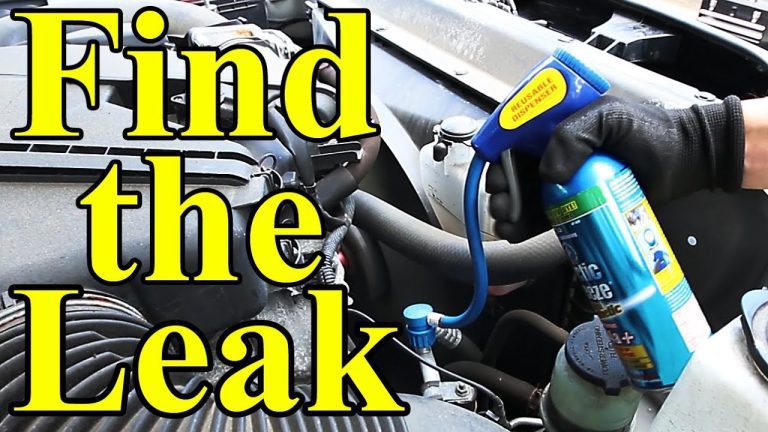
What to look for: Sometimes, AC systems have a dye added. This dye can help mechanics find leaks. Look for oily spots around AC fittings and hoses.
These spots might have a greenish tint if dye is present.
What it means: A leak means your system is not sealed. It needs to be repaired before it can be refilled. Driving with very low refrigerant can damage the compressor.
The Condenser Fan’s Role
The condenser is usually located in front of your car’s radiator. It looks like a smaller radiator. Its job is to release the heat from the refrigerant into the outside air.
This process needs airflow. That’s where the condenser fan comes in.
This fan pulls air through the condenser. If the fan isn’t working, the refrigerant can’t cool down properly. It stays too hot.
This means the system can’t cool the air inside your car effectively. On a hot day, if you’re stuck in traffic, the fan is crucial.
Sometimes, the fan motor burns out. Other times, it might be an electrical issue. A blown fuse or a bad relay can stop the fan from turning on.
If you’re stopped, and the AC is weak or warm, but it works better when you drive faster, the fan is a prime suspect.
I noticed my AC was weakest when I was idling in long lines. When I drove on the highway, it was cooler. This clue pointed directly to the fan not working correctly at low speeds.
It was a relief to find out it wasn’t a super complex problem.
Condenser Fan Check
When to check: When your car is running and the AC is on, look to see if the fan in front of the radiator is spinning. It might cycle on and off, which is normal. But if it never spins, that’s a problem.
What to do: If the fan doesn’t spin, check your car’s fuse box for a blown fuse related to the cooling fan. If the fuse is good, the fan motor or its wiring might be faulty.
Clogged Cabin Air Filter
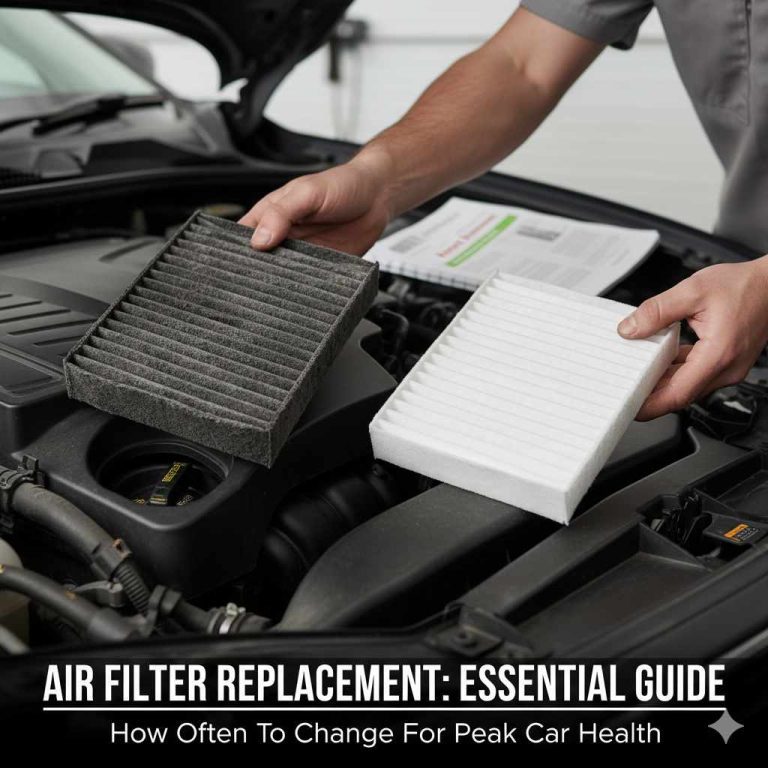
The cabin air filter cleans the air that enters your car’s interior. It traps dust, pollen, and other debris. It’s located behind your glove box or under the dashboard.
It needs to be replaced regularly.
If this filter gets clogged with dirt, it restricts airflow. Less air can pass through the vents. This means the cool air produced by the AC system can’t get into the cabin efficiently.
You might notice weak airflow from the vents, even if the system is making cold air.
This is one of the simpler fixes. Replacing a cabin air filter is often a DIY job. You can usually find instructions online for your specific car model.
It’s a good idea to check it at least once a year, or more if you drive in dusty areas.
A friend once complained their AC wasn’t cooling well. They had already checked refrigerant levels. I asked about their cabin filter.
They admitted they hadn’t changed it in years. After replacing it, they were amazed at how much stronger the airflow was. The cooling also improved significantly.
Cabin Air Filter Impact
Symptoms: Weak airflow from AC vents. Sometimes, a musty smell. The AC might still be cold, but it feels like it’s not circulating enough.
Action: Locate your cabin air filter. If it looks dirty or very dusty, replace it. This is a common maintenance item often overlooked.
Faulty AC Compressor
The AC compressor is the heart of the system. It’s a belt-driven pump that compresses the refrigerant gas. This compression makes it hot.
Then it moves to the condenser. If the compressor fails, the refrigerant can’t circulate.
A broken compressor means no cooling at all. You might hear strange noises from the engine bay when you turn on the AC. These could be grinding or rattling sounds.
Sometimes, the AC clutch won’t engage. This clutch connects the compressor pulley to the engine’s drive belt.
Compressor issues are usually more expensive to fix. It’s a major component. If your compressor is bad, the AC system will be completely ineffective.
You’ll have no cold air whatsoever.
My neighbor’s car had a complete AC failure. They took it to the shop. The mechanic found that the AC compressor had seized up.
It made a terrible grinding noise. They had to replace the compressor, which was a significant repair bill. That’s why it’s good to catch problems early.
AC Compressor Check
Listen: When you turn on your AC, listen under the hood. Do you hear a distinct click as the clutch engages? Then, does the engine idle change slightly?
If not, the clutch might not be engaging.
Look: Check if the center part of the compressor pulley is spinning with the belt. If it’s not, the compressor might be bad or not receiving power.
Blocked Orifice Tube or Expansion Valve
These parts control the flow of refrigerant into the evaporator. They reduce the pressure of the refrigerant. This pressure drop makes it very cold.
If these are blocked, the refrigerant can’t flow properly. This stops the cooling process.
Blockages can happen due to debris in the system. This debris might come from a failing compressor. Or it could be from moisture.
Moisture can turn into ice crystals and block the small passages. A clogged orifice tube or expansion valve will result in little to no cooling.
These are internal parts. Finding a blockage requires a mechanic. They have the tools to test system pressures.
Low pressure on one side and high pressure on the other can indicate a blockage. This is more complex than a simple refrigerant top-off.
A friend was experiencing poor cooling. Their mechanic found a small piece of metal from a failing part had gotten lodged in the expansion valve. It was like a tiny pebble blocking a tiny pipe.
Clearing it and replacing the failed part fixed the issue.
Orifice Tube/Expansion Valve Clues
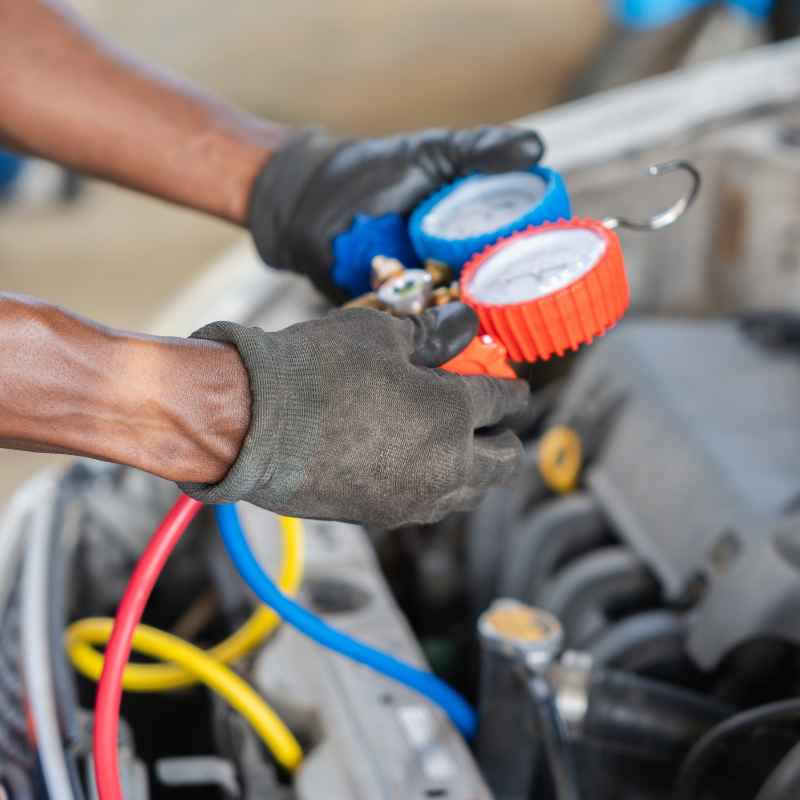
Pressure readings: A mechanic will use gauges to check AC system pressures. If one side shows very high pressure and the other very low, it suggests a restriction.
System contamination: If there’s been a compressor failure, debris can travel through the system. This often requires flushing the entire AC system to remove contaminants.
Electrical Issues and Bad Fuses
Your car’s AC system has electrical components. It has relays, fuses, sensors, and switches. Any of these can fail.
A blown fuse is a simple fix. But a faulty sensor or control module can be harder to diagnose.
The AC control module tells the compressor to turn on. It monitors temperatures and pressures. If this module fails, it might not tell the compressor to engage.
Or it might prevent the fans from working. This can lead to a complete loss of cooling.
Often, electrical issues will cause the entire AC system to shut off. You won’t get any cold air, and the fan might not even blow. Sometimes, a dashboard warning light might come on, but not always.
I once had a car where the AC just stopped working one day. No fan, no cold air. I checked all the obvious things.
Then I looked up the AC system’s fuse. It was blown! Replacing it fixed the problem instantly.
It was a simple, cheap fix that saved me a mechanic visit.
Simple Electrical Checks
Fuse box: Check your car’s owner’s manual to find the fuses for the AC system and cooling fans. Visually inspect them. If one looks burnt or broken,
Relays: AC systems also use relays. These are small electrical switches. If you suspect a relay, you can sometimes swap it with another identical relay in the fuse box to test it.
Blend Door Actuator Problems
Inside your dashboard, there are small doors that control airflow. These doors mix hot and cold air to reach your desired temperature. The blend door actuator is a small motor that moves these doors.
If this motor fails, the door can get stuck.
If the blend door is stuck on the “heat” side, you’ll get warm air. Even if your AC system is making cold air perfectly, the blend door is sending that warm air into the cabin. You might also hear clicking sounds from behind the dashboard.
This is another issue that can be tricky to diagnose without taking parts of the dashboard apart. Mechanics use tools to test the actuators and see if they are moving correctly. A failed actuator can lead to warm air constantly blowing, regardless of the AC setting.
My sister’s car was blowing warm air no matter what she did. She thought the whole AC was broken. A mechanic found that the blend door actuator for the passenger side was stuck.
It was making her feel like the AC wasn’t working at all. Replacing that small motor fixed it.
Blend Door Actuator Clues
Air temperature differences: Do you feel warmer air on one side of the car than the other? This can point to a specific blend door issue.
Dashboard noises: Listen for clicking or ticking sounds behind the dashboard when you adjust the temperature or fan speed. This often means an actuator is struggling to move.
The AC System’s Coolant: Refrigerant Explained
Refrigerant is not like engine coolant. You don’t just “top it off” when it’s low. It’s a specific chemical compound designed to change between gas and liquid states.
This change is what absorbs and releases heat.
There are different types of refrigerants. The most common in cars are R-134a and R-1234yf. Newer cars use R-1234yf, which is more environmentally friendly but also more expensive.
When a mechanic checks your AC, they will measure the pressure and amount of refrigerant. If it’s low, they need to find the leak first. Then, they will repair the leak.
After that, they will evacuate any remaining refrigerant and moisture. Finally, they will recharge the system with the correct amount of new refrigerant.
Just adding more refrigerant without fixing a leak is a temporary fix. The refrigerant will just leak out again. Plus, overcharging the system can cause damage.
It’s crucial to have it done correctly by a professional.
I learned this the hard way. I once asked a quick-lube place to “top off” my AC. They did.
For about two weeks, it worked. Then it stopped again. The mechanic told me they should have found the leak first.
It ended up costing me more in the long run.
Refrigerant Types
- R-134a: Common in cars made before 2015.
- R-1234yf: Used in newer vehicles, starting around 2015.
Importance: Using the wrong type of refrigerant can damage your system.
Personal Experience: The Day My AC Died
It was July in Arizona. The sun beat down like a hammer. I was driving my trusty old sedan.
The air conditioning had been a little weak lately, but I just turned the fan up higher. I figured I’d get it looked at next week. Famous last words.
I was heading to my parents’ house, about an hour away. About halfway there, the air coming from the vents turned from lukewarm to downright hot. Not just warm, but hot.
Like the engine was blowing hot air. Panic started to set in. This was going to be a miserable drive.
I pulled over at a gas station. I popped the hood, even though I didn’t know much about AC systems. I saw the compressor.
The belt was there. The fan was spinning. I didn’t see any obvious leaks or damage.
I felt a wave of dread. This was beyond a simple fix.
I ended up driving with the windows down. The wind buffeted my hair. The air outside was like a sauna.
I felt sticky and miserable. When I finally got to my parents’, I was drenched in sweat. I felt so foolish for not addressing the problem sooner.
That experience taught me a valuable lesson about car maintenance.
When Is It Normal for Your AC Not to Cool?
Sometimes, an AC system might seem like it’s not cooling, but it’s actually normal behavior. It’s important to understand these situations to avoid unnecessary worry or repairs.
Initial Startup
When you first start your car on a very hot day, the AC system has a big job to do. It needs to cool down the entire interior, which has been heated by the sun. The air coming out might not be ice cold immediately.
It can take 5-15 minutes for the cabin temperature to drop significantly.
The compressor might also cycle on and off, especially in the first few minutes. This is normal. It’s the system managing the cooling process.
Don’t assume it’s broken if it’s not arctic blast-level cold right away.
Extreme Temperatures
In extremely hot climates, even a properly working AC system has its limits. If the outside temperature is over 100°F (38°C), the system might struggle to cool the interior to a comfortable 70-75°F (21-24°C).
The system is designed to create a temperature difference. It can typically lower the cabin temperature by about 30-40°F (17-22°C) compared to the outside air. So, if it’s 110°F outside, you might get air around 70-80°F, which can still feel warm.
Humidity
High humidity can make the air feel warmer and make the AC seem less effective. This is because AC systems also dehumidify the air. When there’s a lot of moisture, the system works harder to remove it.
This can sometimes reduce the perceived cooling power.
Ventilation Settings
If your car is set to recirculate the air inside the cabin, the AC will cool much more effectively. When set to draw in fresh outside air, the system has to cool that warmer, more humid air. Always use the recirculate setting on very hot days for best results.
When Should You Worry? Signs of Serious AC Problems
While some AC issues are minor, others can indicate bigger problems. Paying attention to certain signs can help you catch serious issues before they cause major damage or leave you stranded.
Complete Loss of Cooling
If your AC suddenly stops blowing any cold air at all, that’s a clear sign something is wrong. This could be a failed compressor, a major refrigerant leak, or an electrical failure. Don’t ignore this.
Continued operation without refrigerant can damage the compressor.
Strange Noises
Any new or unusual noises coming from the AC system or under the hood when the AC is on should be investigated. This includes grinding, squealing, rattling, or loud clicking sounds. These noises often point to mechanical problems with the compressor, clutch, or fan.
Weak Airflow
If the air coming from your vents is weak, even on the highest fan setting, it could be a clogged cabin air filter, a blocked evaporator, or a failing blower motor. While a clogged filter is easy to fix, other issues can be more complex.
AC Smells Bad
A musty or moldy smell from the vents can indicate mold or mildew growth in the AC system. This is often due to moisture buildup. While not directly related to cooling failure, it affects air quality and can sometimes be linked to system issues.
AC Turns On and Off Rapidly
If your AC compressor clicks on and then immediately off, and this cycles very quickly, it might be a sign of a problem. This can happen if the system is overcharged, undercharged, or if a sensor is faulty and telling the system to shut down.
Quick Fixes and Tips for Your Car’s AC
While major AC repairs require a professional, there are a few things you can check or do yourself to potentially improve cooling or prevent issues.
Check the Cabin Air Filter
As mentioned, this is a simple DIY task. Locate your cabin air filter (check your car’s manual or online). If it looks dirty, replace it.
This is often the cheapest and easiest fix for weak airflow.
Inspect Visible AC Components
With the engine off, visually inspect the AC compressor, hoses, and condenser (the small radiator at the front). Look for obvious signs of damage, oily residue (which can indicate a refrigerant leak), or loose connections. Don’t touch anything that looks hot or is near moving parts.
Use the Recirculate Setting
On hot days, always use the “recirculate” setting on your climate control. This tells the system to cool the air already inside the car, rather than constantly trying to cool hot outside air. This makes the AC work much more efficiently.
Regular Maintenance
Follow your car manufacturer’s recommended maintenance schedule. This includes regular checks of the AC system. Many services include checking AC pressures and looking for leaks.
Park in the Shade
This is a preventive tip. If possible, park your car in a shaded area. This keeps the interior from heating up as much.
When you start the car, the AC won’t have to work as hard to bring the temperature down.
Frequent Questions About Car AC Not Cooling
Why is my car’s AC blowing warm air even after I recharged the refrigerant?
If you recently recharged the refrigerant and it’s still blowing warm, there’s likely still a leak. The refrigerant has escaped again. You might also have an overcharged system, or another component like the compressor or a fan is not working.
It’s best to have a professional diagnose the issue.
Can a bad thermostat cause my car AC to not cool?
The thermostat in your home controls the heating and cooling. Your car has a similar system, but it’s managed by the car’s computer and various sensors. A faulty temperature sensor could lead to incorrect AC operation, but it’s not typically called a “thermostat” in the same way.
How much does it typically cost to fix a car AC that is not cooling?
Costs vary widely. A simple fix like replacing a fuse or cabin air filter might be under $50. Topping off refrigerant (if done correctly after leak repair) could be $100-$300.
Replacing a compressor or other major parts can range from $500 to $1500 or more, depending on the car and the specific part.
Is it safe to drive my car if the AC is not cooling?
Generally, yes, it is safe to drive. However, if the AC system is critically low on refrigerant, running it could damage the compressor. It’s best to get it checked out sooner rather than later to avoid more costly repairs.
Plus, it’s much more comfortable!
What happens if I ignore a car AC leak?
If you ignore an AC leak, the refrigerant will continue to escape. Eventually, the system will have too little refrigerant to cool effectively. Running the AC with very low refrigerant can damage the compressor because it lacks lubrication.
This leads to a much more expensive repair.
Can a clogged condenser cause my car AC not to cool?
Yes, a clogged condenser can significantly reduce your AC’s cooling ability. The condenser needs good airflow to release heat from the refrigerant. If it’s blocked by debris like leaves, dirt, or bugs, it can’t do its job efficiently, leading to warm air from the vents.
Final Thoughts on Keeping Your Cool
Dealing with a car AC that isn’t cooling is a common frustration. By understanding the main reasons, from simple fixes like a clogged filter to more complex issues like refrigerant leaks, you can better diagnose the problem. Regular checks and maintenance are key to preventing these issues and ensuring your comfort on the road.
Products related to this article
Sponsored / affiliate links. As an Amazon Associate I earn from qualifying purchases. I may earn additional commission from eligible campaigns.