The Cultural Significance of Car Movies on Lifestyle
Car movies shape lifestyle by turning screen cars into status signals that influence what people drive, modify, collect, and post online. Ignore that pull, and you miss why some models hold cachet while others fade. This guide explains how film exposure changes taste, identity, tuning trends, brand perception, and collecting behavior.
What makes car movies culturally significant?


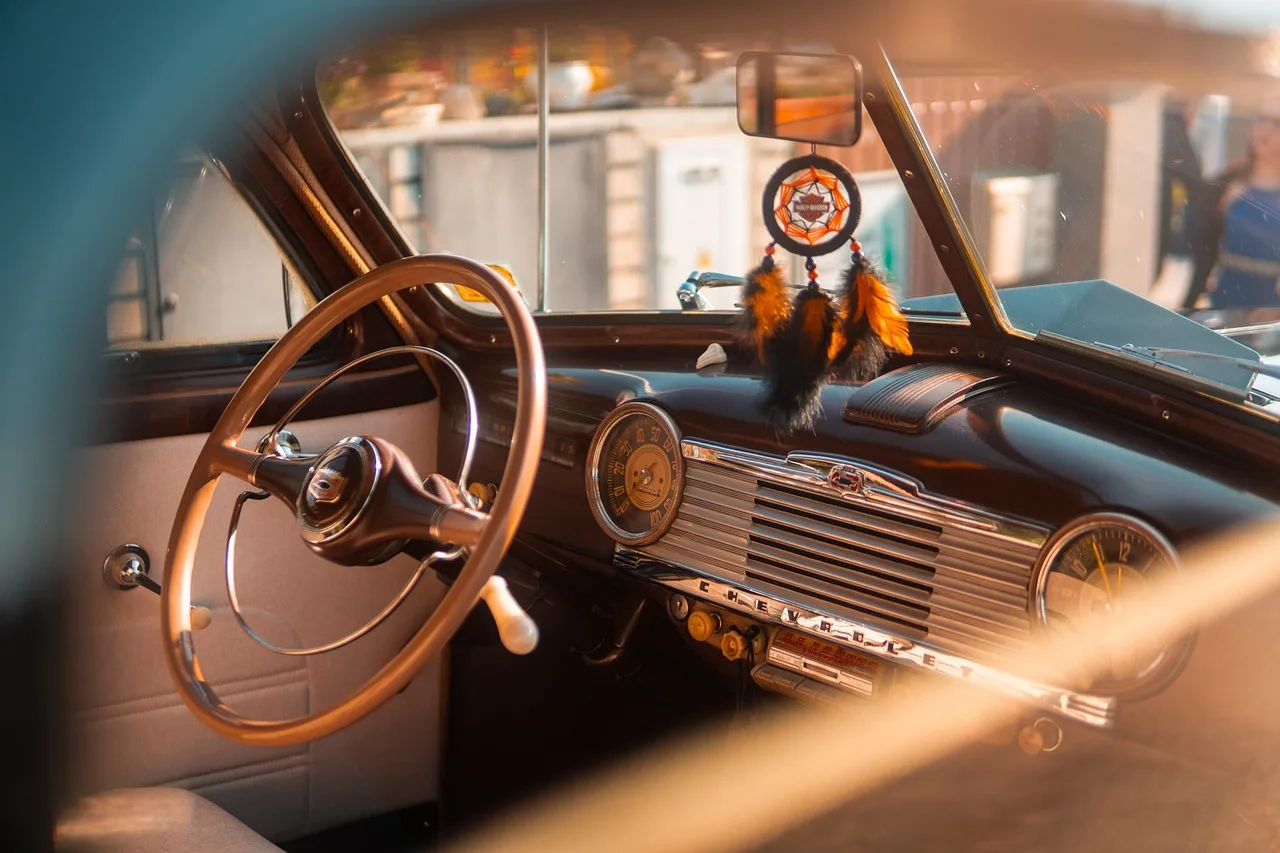
Car movies matter when the vehicle stops being a prop and starts carrying social meaning. They connect freedom, status, and identity to a model, trim, or badge, which is why some screen cars outlast the films themselves and stay part of automotive culture long after release.
From screen time to social meaning
Movie cars become memorable when the audience can read them at a glance. A Mustang in a chase scene, a DeLorean in a time-travel story, or a black Aston Martin in a spy film all communicate more than motion. They turn sheet metal into a symbol.
That is why car movies shape automotive culture and automotive lifestyle trends. The car is no longer only transport. It becomes a signal about taste, income, technical interest, and the kind of life someone wants to project.
Freedom, status, and identity as recurring themes
Car movies repeatedly link driving with independence. The car becomes a private space, a route out, or a badge of adulthood. That is part of why film cars can influence automotive design and why car ownership has become a lifestyle choice in popular culture.
For younger viewers, the draw is often less about horsepower alone and more about what the car seems to grant: attention, mobility, confidence, and a clear identity. Those are social goods, not only mechanical ones.
Why some movie cars outlast the films themselves
Only a small share of movie cars become long-term icons. The ones that do usually combine visual distinctiveness, repeated cultural replay, and a clear emotional script. They are easy to recognize in a thumbnail, a poster, or a parking lot.
That recognizability matters because it keeps the model in circulation. A car that remains instantly identifiable can keep drawing interest in collecting, tuning, and brand storytelling years after the movie leaves theaters.
How do car movies influence car culture?
Car movies influence car culture by changing what people notice, want, and imitate. They can drive real demand and resale-value spikes, shape buying interest, and push owners toward certain modifications or styling cues. The effect is not uniform, but it is visible across enthusiast communities and brand image.
Buying interest and model fame
A film can make a car famous to people who never followed cars before. That fame can help a model hold attention in classifieds, auctions, and enthusiast forums. The page states that a movie car can outsell its stock equivalent at auction, which shows how screen identity can affect perceived value.
Still, the premium varies. Some cars benefit from broad recognition; others get a brief burst of attention and then settle back to ordinary market behavior.
Tuning, modification, and style cues
The Fast and the Furious gave mainstream visibility to performance-modification imagery: body kits, wheels, exhaust notes, and graphics that signal speed even when the car is parked. That visual language moved beyond the screen and into real modification habits.
A common first-timer mistake is copying the look without matching the package. A 240SX with oversized aero parts and no chassis setup can read as imitation rather than taste. In enthusiast circles, the film-inspired style only works when the mechanical choices fit the image.
Brand image and design language
Movies also affect how brands are read. A sleek Aston Martin in James Bond films reinforces luxury, precision, and espionage symbolism. A futuristic DeLorean in Back to the Future keeps the car tied to nostalgia and forward-looking fantasy at the same time.
That feedback can show up in grilles, lighting signatures, color choices, and trim packages. It does not mean films dictate production design, but they do feed the visual cues manufacturers know buyers already associate with performance or prestige.
Why do movie cars become lifestyle symbols?
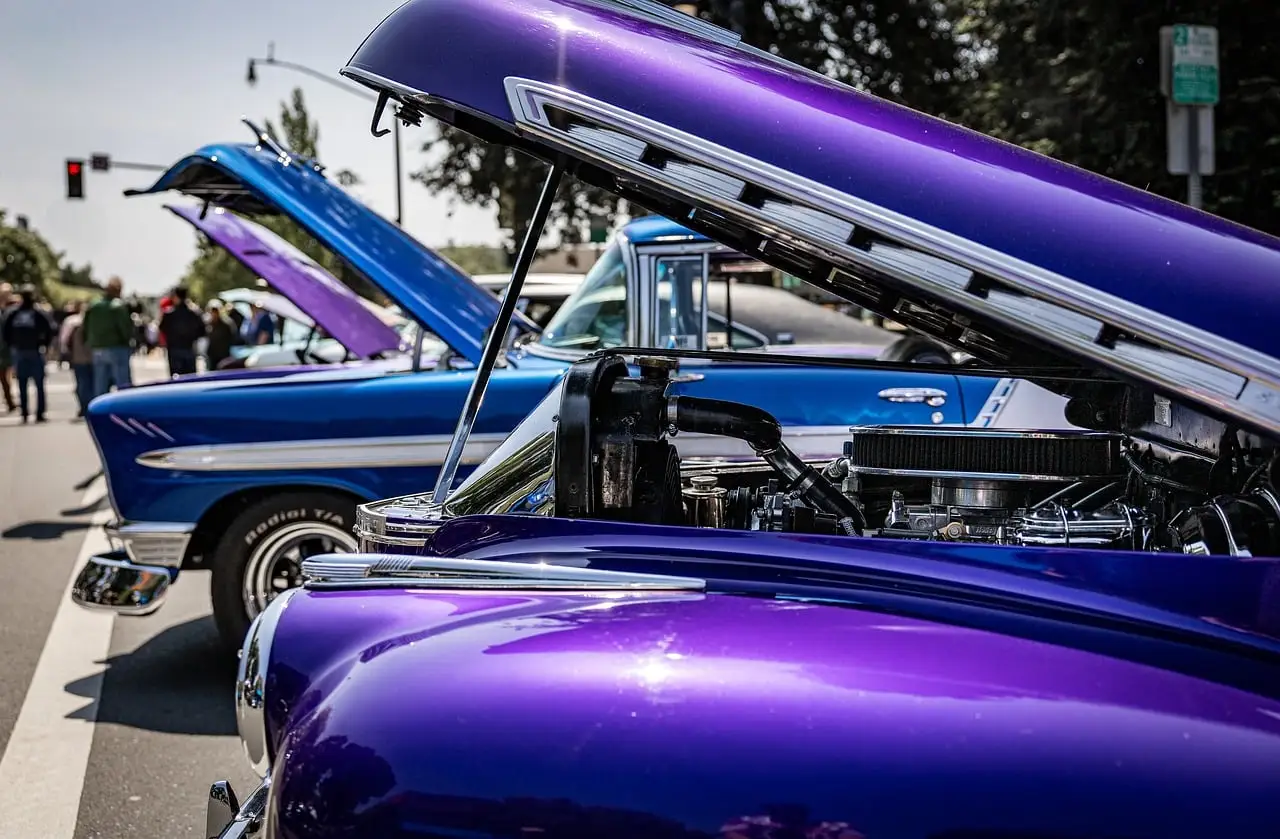
Movie cars become lifestyle symbols because they compress identity into one object. A screen car can signal independence, social mobility, confidence, or ambition. For many viewers, especially younger ones, the car becomes a shortcut to an imagined version of adulthood.
Youth identity and aspiration
Car movies link youth culture to motion, risk, and self-definition. The page explicitly connects car movies to youth culture, and that matters because the first car is often the first major consumer object tied to freedom. The movie car gives that feeling a visual template.
Suppose a 19-year-old sees a silver coupe in a nighttime chase and starts watching classifieds for the same model. Even if the real car is slower, older, or harder to insure, the film has already set the frame: this is not just transportation; it is identity.
Dating, independence, and social mobility
Cars also function as social tools. They affect where someone can go, who they can meet, and how they are perceived. That is why film cars often become shorthand for independence and status in popular culture, especially in stories about first cars and first impressions.
In that sense, the car on screen is doing work beyond entertainment. It is telling the viewer that mobility can change social standing, and that a specific model can carry cultural meaning along with passengers.
Cars as status markers in popular culture
Automotive ownership has long been read as a lifestyle choice, and movie cars intensify that reading. They tell other people something about taste, subculture alignment, and how much attention the owner wants to draw.
That is why screen fame can matter even for people who never plan to own the exact vehicle. The image still informs what they admire, what they share online, and which communities they join.
Iconic movie cars and the signals they send
Some cars become famous because the film gives them a clean cultural signal. The Fast and the Furious pushed performance-modification imagery. Bullitt turned the Mustang chase into a lasting legacy. Back to the Future made the DeLorean futuristic and nostalgic at once. James Bond made the Aston Martin a luxury spy symbol.
The Fast and the Furious and performance-modification imagery
The franchise made tuning visible to a mass audience. Imports, swaps, neon lighting, and aggressive aero moved from specialist magazines into mainstream conversation. That influence still shapes how younger enthusiasts think about what a modified car should look like.
Bullitt and the Mustang chase legacy
Bullitt remains one of the clearest cases of a movie car becoming a cultural shorthand. The Mustang did not just appear in a chase scene; it became inseparable from the chase-scene legacy itself. That association keeps collector appeal alive and gives the model a place in American car mythology.
Back to the Future and DeLorean nostalgia
The futuristic DeLorean works because it carries a contradiction. It looks like tomorrow and the past at the same time. That mix creates a strong nostalgia effect, which is why the car remains instantly identifiable even among people who know the movie only in fragments.
James Bond and Aston Martin luxury symbolism
The sleek Aston Martin in Bond films ties the brand to elegance, exclusivity, and covert competence. That image is powerful because it is not only about speed. It is about a refined lifestyle, one where the car performs status as much as it performs on the road.
8 iconic movie cars and their real-world impact
This table separates collecting, tuning, and brand image because those effects may not always show up in the same place. Some movie cars move auction interest. Others shape modification taste. A few mostly reinforce brand identity rather than changing demand in a direct way.
| Film | Model | Cultural signal | Real-world lifestyle impact | Effect type |
|---|---|---|---|---|
| Bullitt | 1968 Ford Mustang GT fastback | Chase-scene grit and American cool | Strong collector appeal and enduring model fame | Collecting |
| Back to the Future | DeLorean DMC-12 | Futuristic nostalgia | High recognition, specialty collecting interest, strong fan devotion | Collecting |
| James Bond films | Aston Martin DB5 and related models | Luxury, spycraft, refined performance | Brand image lift and lasting prestige association | Brand image |
| The Fast and the Furious | Toyota Supra | Street performance and tuner identity | Modification interest and aftermarket visibility | Tuning |
| The Fast and the Furious | Mitsubishi Eclipse | Accessible tuner style | Owner interest in visual mods and entry-level performance builds | Tuning |
| Gone in 60 Seconds | Ford Mustang Shelby GT500 “Eleanor” | Hero-car desirability | Collector attention and replica culture | Collecting |
| The Italian Job | Mini Cooper | Compact agility and urban cleverness | Brand charm and broad cultural recognition | Brand image |
| Back to the Future Part II | Hover-concept DeLorean imagery | Retro-future fantasy | Merchandising, fan identity, and lasting online visibility | Brand image |
How to read the table
- Check whether the effect is in collecting, tuning, or brand image.
- Separate the car’s fame from actual market demand.
- Look for a clear visual hook that survives still images.
- Watch whether the model keeps attention after the film cycle ends.
- Compare regional interest before assuming the effect is universal.
Not every famous screen car becomes a durable market force. Some become posters and memes, not purchase targets. That failure case matters because cultural significance is not the same as resale strength.
Do car movies change collector behavior and demand?
Yes, but unevenly. Screen fame can help a car hold attention in auctions and private sales, and it can push certain trims into collector conversation. The effect is strongest when the movie car is visually distinct, easy to identify, and tied to a memorable scene or character.
When screen fame helps a car hold attention
Collectors respond to recognition, provenance, and story. A car linked to Bullitt or Bond comes with a narrative buyers can repeat, and that narrative can matter nearly as much as mechanical specification. This is where movie cars can outsell their stock equivalent at auction.
That does not mean every example gets a premium. Condition, originality, and documentation still matter. Screen fame adds a layer; it does not replace the basics.
Short-term hype versus long-tail legacy
Short-term hype arrives right after release or after a franchise moment goes viral. Long-tail legacy is slower and usually more durable. The first can inflate attention on social media; the second keeps a model relevant across generations of buyers and fans.
Regional markets also diverge. In the US, Mustang and muscle-car tie-ins often land fastest. In the UK, Bond-linked prestige carries more weight. Global markets may respond more strongly to import tuner culture, especially where The Fast and the Furious shaped the visual language of modification.
Why some tie-ins fade instead of appreciating
Some movie cars never translate into demand because the film connection is too obscure, the model is already common, or the styling is too dependent on movie graphics. A one-off paint scheme can attract attention without creating durable collector value.
That is the key distinction: cultural significance can exist without market heat. A car can matter deeply in fan memory and still fail to move prices in a lasting way.
How do car movies shape youth culture and identity?
Car movies shape youth culture by giving young drivers a readable script for independence. They connect a first car to confidence, social mobility, and belonging. The result is not only admiration of the car itself, but also a stronger link between vehicle choice and personal identity.
Aspirational identity on a budget
Many younger fans cannot buy the hero car, so they buy the signal around it: wheels, decals, lighting, badges, or a similar body style. That is why film exposure can influence modification habits even when the original car is out of reach.
Picture a compact hatchback parked outside a campus lot with period-correct wheels and a clean, understated paint color. The owner may be chasing a movie-inspired look without copying it blindly. That distinction matters. It shows how films guide taste without dictating it.
Social posting and online visibility
Screen cars also fit digital life. They photograph well, are easy to recognize in short-form video, and trigger instant reactions. That gives them a second life online, where recognition often matters more than rarity.
For many drivers, the appeal is partly practical. A car associated with a famous film can earn comments, followers, and conversation. That is a lifestyle signal, not only a nostalgia cue.
Frequently asked questions
Why do movie cars become cultural icons?
Movie cars become cultural icons when the screen car is easy to recognize, tied to a memorable scene, and linked to a clear social meaning. Freedom, status, and personality matter here. The best examples keep their image alive long after the film cycle ends.
Which cars became famous because of movies?
Well-known examples include the Ford Mustang from Bullitt, the DeLorean from Back to the Future, the Aston Martin linked to James Bond, and several tuner cars from The Fast and the Furious. These models became famous because the films gave them a distinct identity that viewers could repeat.
How do films affect collector car prices?
Films can raise attention, support auction interest, and sometimes help a car outsell a stock equivalent at auction. The size of the premium varies widely. A movie tie-in helps most when the car is iconic, documented, and desirable on its own, not when the screen role is the only attraction.
Do car movies influence car design in real life?
Yes, but mostly through visible cues rather than direct copying. Films can shape preferences for lighting, stance, grille treatment, wheels, and trim details. They also affect brand image, which can feed back into how manufacturers present performance, luxury, or futuristic identity.
Products related to this article
Sponsored / affiliate links. As an Amazon Associate I earn from qualifying purchases. I may earn additional commission from eligible campaigns.