Seat Belt Pad Cost
Seat belt pads make sense when the problem is simple shoulder or neck rubbing, because they cost little and go on fast. They do not repair a damaged belt, and they are not the same as child belt-positioning accessories. This guide sorts comfort pads from repair parts, then separates what you pay for by material, pack size, and retailer type.
Typical cost range


Seat belt pad prices are usually modest: a basic comfort product often falls in the roughly $5 to $20 per pair range, with lower-cost listings near the low end and more padded or premium options higher up. The right buy depends on whether you want a softer shoulder surface, a two-pack for multiple seats, or a separate belt-related repair.
Typical price range by material and pack size
Material matters, but not as much as shoppers sometimes expect. Cotton and simple foam products tend to sit near the low end, suede often lands in the middle, and faux sheepskin or similar softer finishes can be priced higher.
Pack size changes the math. A 1-pack is common for a driver who wants to stop one belt from rubbing the neck. A 2-pack is better value if both front seats need the same fix or if you want a spare.
What the low end usually buys
At the low end, the product is usually a comfort accessory rather than a replacement part. That means a soft wrap or pad that sits on top of a standard 3-point belt to reduce irritation at the shoulder, plus a claim of fit for most belts. Low price does not mean low function if the goal is only less rubbing.
When a higher price still means a simple comfort pad
A higher price can still be just a comfort pad, especially when the listing adds a brand name, a different finish, or a second pad in the package. It does not automatically mean better safety. It usually means a different material, a known retailer listing, or a short warranty.
Pros and cons
A basic seat belt shoulder pad is a small purchase with a simple job. It can make a belt feel less sharp on the neck or collarbone, and it usually goes on and comes off quickly. The limits matter just as much: it cannot fix a frayed belt, a sticky retractor, or a latch issue.
Pros of a basic comfort pad
- Low cost compared with belt repair or replacement.
- Usually fits most standard 3-point belts.
- Easy to move between vehicles.
- Can help with shoulder and neck irritation.
Cons and limits to watch
- It does not repair a damaged seat belt.
- Some thick pads can add bulk near the shoulder.
- Child-positioning clips are a different product and need caution.
- Replacement frequency can add up if the pad wears, flattens, or loosens.
Price tradeoffs by material
Suede usually feels less plush than faux sheepskin but often looks cleaner and can stay put well enough for daily commuting. Cotton is generally the cheapest and easiest to live with, though it may feel thinner. Faux sheepskin and simulated sheepskin feel softer and warmer, which can help in cold weather but may not matter much in a mild climate.
Who it’s for
This suits adult drivers who want less neck irritation from a standard shoulder belt and do not need a belt repair. It also fits shoppers who want a cheap add-on for a second vehicle or a rental-style backup. It does not suit anyone chasing a fix for a damaged belt system or shopping for a child restraint decision.
Adults versus kids
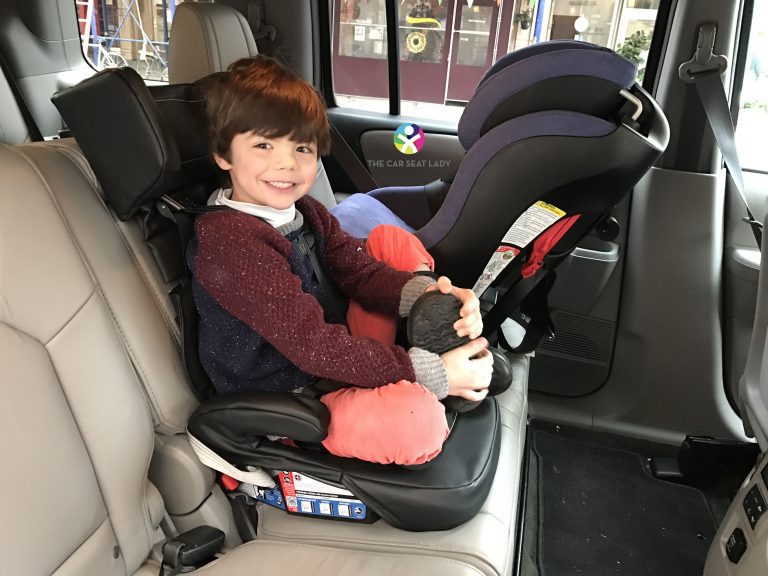
For adults, a comfort pad is about touch and feel. For kids, the conversation changes fast. Child belt-positioning accessories are not the same as a soft shoulder pad, and many aftermarket clips are not approved by vehicle or child-seat manufacturers. That matters because belt fit, not comfort alone, drives the safety result.
Say your commuter belt rubs the same spot on every left-hand turn. A simple suede or cotton pad can make that shoulder edge feel less harsh without changing the belt system itself. Suppose a child keeps sliding out of position on the rear bench; that is not a comfort-pad problem, and it should send you toward the vehicle manual and the child restraint maker’s instructions first.
When you should skip a pad and inspect the belt
Skip a pad if the belt is frayed, slow to retract, twisted inside the trim, or slow to latch. A pad does nothing for those problems. If the webbing is damaged or the retractor sticks, the real fix is inspection, repair, or replacement.
Seat belt pads price matrix
This matrix separates comfort pads from child-positioning adjusters and shows how price shifts by material, pack size, and retailer type. The figures below are listing examples, not a universal street price. Shipping, sales tax, and replacement frequency can move the total.
| Product type | Example material | Pack size | Retailer type | Example price | Use flag |
|---|---|---|---|---|---|
| Seat belt shoulder pad | Soft suede | 1-pack | Auto-parts retailer | Under $25 | Comfort pad |
| Seat belt shoulder pad | Tan comfort pad | 1-pack | Auto-parts retailer | Under $25 | Comfort pad |
| Seat belt shoulder pad | Cotton | 2-piece set | Mass retail | $7.99 | Comfort pad |
| Seat belt shoulder pad | Faux sheepskin wool | 2-piece set | Mass retail | $7.99 | Comfort pad |
| Seat belt shoulder pad | Simulated sheepskin | 1 listing option | Mass retail | Listing price shown | Comfort pad |
| Universal fit seat belt product | Accessory build | 2-pack | Mass retail | $27.54 | Comfort pad |
| Seat belt adjuster | Clip-based adjuster | 2-pack | Mass retail | $19.99 | Child-positioning adjuster |
Pack size and retailer type
Retailer type affects price as much as material does. Advance Auto Parts shows two seat belt shoulder pad products under $25, while Walmart lists lower-priced multipacks and also a separate adjuster product. That spread is why shoppers should compare the product type first, then the finish, then the listing price.
What drives the price?
Three things move seat belt pad cost most often: material, pack size, and whether the listing is a plain comfort pad or a different belt accessory. Brand names and retailer policies can add a little more. Warranty terms matter too, because a short warranty can be the only added protection on a budget item.
Suede, cotton, and faux sheepskin differences
Advance Auto Parts lists an AutoCraft soft suede seatbelt shoulder pad in black and also a tan option. Both are shown with a 30 day warranty. That is a good example of how a single product family can vary by color without changing the basic comfort job.
Walmart lists Moonet cotton shoulder seat belt pads as a two-piece set, with the cotton version starting at $7.99. Walmart also shows a Moonet faux sheepskin wool two-pack starting at $7.99, which tells you that soft texture and low price are not always opposites.
Single pad versus two-pack pricing
A 1-pack makes sense when one belt is the problem. A 2-pack often gives better value when you want both front seats matched or when you plan to keep one as a spare. The per-pad cost may drop in a pair, but the checkout total rises, so compare the actual use case before picking the cheapest line.
Brand examples and listing details
The same source shows review counts on the AutoCraft listings, which helps shoppers judge whether the listing has enough buyer feedback to matter. The same source lists an Auto Drive seatbelt shoulder pad in black, and Bell has a retail auto-parts listing with part number BK 221703398. Those details matter more than vague “universal” marketing copy.
Universal fit usually means the pad is made to fit most seat belts and standard 3-point belts. That is common for comfort accessories. It does not make a child adjuster acceptable in every vehicle or by every child-seat maker.
Are seat belt pads the same as adjusters?
No. A seat belt pad is a comfort accessory that wraps the shoulder belt to reduce irritation. A seat belt adjuster is a different product, usually clip-based, and is meant to keep the belt positioned away from the neck. That difference matters because the safety implications are not the same.
Why the products are different
Comfort pads are sold as accessories, not replacement parts. Adjusters try to change where the belt crosses the body, which puts them into child-positioning territory. That is why buyers should not assume a belt pad and a belt adjuster solve the same problem.
Child belt-positioning cautions
Izorax describes a child safety seat belt pad and clip as suitable for cars and airplanes, and says the adjuster comes in four colors and is designed for both safety and comfort. Treat that carefully. Many aftermarket belt-positioning accessories are not approved by vehicle or child-seat manufacturers, and many are not FAA-approved for aircraft use.
Picture a parent who sees a clip-style adjuster and thinks it will work anywhere a belt exists. That is the kind of mistake that leads to the wrong purchase. A child belt-positioning accessory should be checked against the vehicle manual, the child restraint instructions, and airline rules before anyone treats it as usable.
Car and airplane use limits
Do not assume a clip-based adjuster is fine for airplanes just because a product page mentions travel. Aircraft belt rules and approvals are different from car belt rules. If a child needs better belt fit in a car, that issue still needs a product that is actually approved for that use.
Buy pad or repair belt
Buy a pad when the belt works normally and the only complaint is pressure on the shoulder or neck. Repair or replace the belt when the webbing is damaged, the retractor sticks, the buckle fails, or the belt no longer latches and releases cleanly. That is the line between comfort shopping and real safety work.
Signs a comfort pad is enough
- The belt moves normally.
- The webbing is intact and untwisted.
- The only issue is rubbing or irritation.
- You want a low-cost fix for daily driving.
Signs you need repair or replacement
- The belt is frayed, cut, or faded through.
- The retractor does not pull smoothly.
- The latch is damaged or unreliable.
- The belt hardware has been in a crash and should be inspected.
Hidden costs to compare
Hidden costs are easy to miss on a low-priced accessory. Shipping can erase the savings on a single pad. A short warranty may matter if the stitching loosens early. Replacement frequency matters too, because a cheap pad that flattens quickly can end up costing more than one sturdier listing.
How much do seatbelts cost? For a repair or replacement, the answer varies much more than a pad price does, because labor, vehicle fitment, and part sourcing all change the total. How much is a seatbelt? In practice, the full cost can move from a modest part price to a larger repair bill once installation is included, so the comparison should be made against the actual fault, not the comfort accessory.
Frequently asked questions
How much do seat belt pads cost?
Most seat belt pads cost about $5 to $20 per pair, with basic versions near the lower end and softer or branded listings higher. Retailer type, material, and pack size all affect the final price. A 2-pack can raise the checkout total but lower the price per pad.
What is the typical price for a seat belt shoulder pad?
The typical price for a seat belt shoulder pad is usually in the low double digits or below. The same source shows two AutoCraft shoulder pad products under $25, while Walmart shows Moonet two-piece listings starting at $7.99. That puts common comfort options in a fairly narrow budget range.
Are seat belt pads for adults different from kids’ seat belt pads?
Yes. Adult comfort pads are meant to reduce irritation from a standard shoulder belt, while child belt-positioning products try to change where the belt rides on the body. Those are different use cases with different safety concerns, and child accessories should be checked against vehicle and child-seat instructions before use.
How many seat belt pads come in a pack?
Common pack sizes are 1-pack and 2-pack. A single pad fits one trouble spot, while a pair makes more sense for matching front seats or for keeping a spare. Walmart listings show both 2-piece comfort sets and a separate 2-pack adjuster product, so the package count should be checked carefully.
What materials are seat belt pads usually made from?
Common materials include suede, faux sheepskin, simulated sheepskin, and cotton. Cotton is usually the simplest budget choice. Faux sheepskin and simulated sheepskin feel softer. Suede often sits between those in feel and price, depending on the listing and retailer.
Do seat belt pads work with any car seat belt?
Most comfort pads claim universal fit and are usually sold to work with standard 3-point belts. That said, universal fit means “fits most,” not every possible belt setup. A comfort pad is usually an accessory, not a replacement part, so damaged hardware still needs inspection and repair.
Is a seat belt pad the same as a seatbelt adjuster?
No. A seat belt pad is a soft cover for comfort, while a seatbelt adjuster is a clip-based product meant to change belt position. That distinction matters because adjusters are not the same as padded shoulder covers, and child-positioning accessories should not be treated as automatic safety solutions.
What is the difference between a cheap seat belt pad and a seat belt replacement?
A cheap seat belt pad only changes comfort on top of a working belt. A seat belt replacement fixes the belt system itself. If the webbing is frayed, the retractor sticks, or the buckle fails, a pad is the wrong purchase and the belt should be inspected or replaced.
Seat belt vs seatbelt
Both spellings mean the same thing in shopping language. Retail listings use both “seat belt” and “seatbelt,” so search results may vary by spacing. The product type matters more than the spelling: a comfort pad, adjuster, or replacement part are not interchangeable just because the label wording shifts.
Lap belt vs seat belt
A lap belt crosses the hips only, while a seat belt in modern passenger cars usually means a 3-point belt with both lap and shoulder sections. Most shoulder pads and adjusters discussed here are for standard shoulder-equipped belts, not older or special restraint setups.
Products related to this article
Sponsored / affiliate links. As an Amazon Associate I earn from qualifying purchases. I may earn additional commission from eligible campaigns.
 Seat Belt Covers for Kids, 2 in 1 Car Seat Strap Covers & Auto Seatbelt Pillow for Kids nap, Car Travel Pillow & Strap Pads Cushion for headrest, Neck/Shoulder Support, fit Child, Adult, Grey;
 FLORICH Leather Seat Cover, Car Seat Covers Front Set, Waterproof Car Seat Protectors, Front Seat Covers 2 Pack, Breathable Automotive Seat Covers Protector Fit for Most Cars Trucks SUV