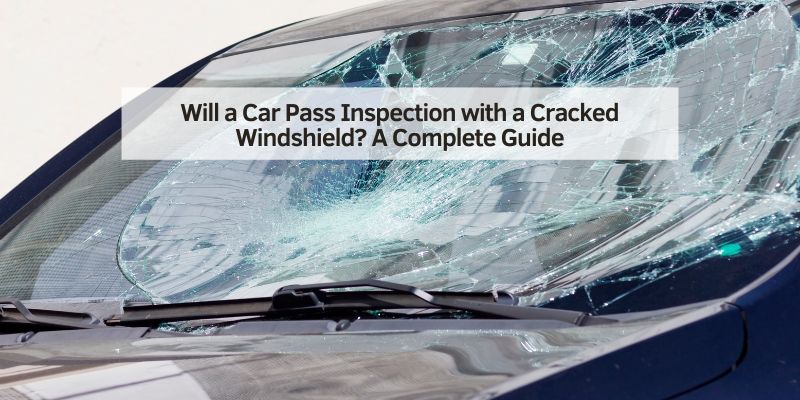
Will a Car Pass Inspection with a Cracked Windshield? A Complete Guide
Hey there! So, you’ve got a cracked windshield, and you’re wondering, “Will my car pass inspection with this?” I get it—seeing that crack spiderweb across your windshield is stressful, especially when inspection time rolls around. I’ve been there with my old pickup truck, staring at a crack and hoping it wouldn’t mean a failed inspection or a pricey fix.
Over the years, I’ve learned a lot about what makes a windshield pass or fail, and I’m excited to share it with you. Whether it’s a tiny chip or a big fracture, I’ll walk you through everything you need to know about car inspections, state rules, and how to handle that crack. By the end, you’ll be ready to tackle your next inspection with confidence. Let’s dive in!
What Is a Car Inspection, and Why Does It Matter?
If you’re new to car ownership, you might be wondering why inspections are such a big deal. In the USA, most states require annual or biennial vehicle inspections to make sure cars are safe to drive. I remember my first inspection in Texas—nerves were high, and I wasn’t sure what they’d check. Inspections cover things like brakes, tires, lights, and yes, the windshield. The goal is to keep roads safe by catching issues that could cause accidents.
A cracked windshield can be a safety hazard. It might block your view or weaken the structural integrity of your car. I learned this when a small chip in my windshield turned into a long crack during a hot summer. Inspectors take this seriously, but the rules depend on where you live. Let’s break down what makes a windshield pass or fail.
How Windshield Cracks Are Evaluated During Inspection
Not all cracks are created equal. When I took my car for inspection with a small chip, I was surprised to learn it wasn’t an automatic fail. Inspectors look at a few key things: the size, location, and severity of the crack.
Size matters a lot. In most states, a crack longer than 6 inches or a chip bigger than a quarter is likely to fail. My pickup had a 4-inch crack, and it passed, but only because it was near the edge. Location is huge too. Cracks in the driver’s line of sight—roughly the area in front of the steering wheel—are a big no-no. I had a chip right in my view once, and the inspector flagged it immediately.
Severity is another factor. If the crack goes all the way through the glass or makes the windshield loose, it’s a fail. I’ve seen inspectors tap the glass to check for stability. They also look for spiderweb patterns, which can spread fast. Knowing these factors helped me understand what to fix before heading to the inspection station.
State-Specific Windshield Inspection Rules
Here’s the tricky part: every state has its own rules. I’ve lived in a few states, and the differences can be confusing. In Texas, where I am now, a crack is okay as long as it’s not in the driver’s line of sight and doesn’t impair safety. But in Pennsylvania, where I used to live, any crack longer than 11 inches fails, no matter where it is.
Some states, like California, are super strict. A crack of any size in the driver’s view can fail you. Others, like Florida, don’t even require safety inspections for personal vehicles, so you might dodge the issue altogether. I had a friend in New York who failed because of a tiny chip in the critical area. To give you a clearer picture, here’s a table of windshield rules in a few states:
| State | Windshield Crack Rules | Notes |
|---|---|---|
| Texas | No cracks or chips in the driver’s view; strict standards | Even minor damage can cause failure |
| California | Small chips are okay if not obstructive | Even minor damage can fail |
| Pennsylvania | Cracks over 11 inches fail; no damage in critical area | Inspectors check for spreading cracks |
| New York | No cracks in driver’s view; chips over ¾ inch fail | Very strict on visibility |
| Florida | No safety inspections for personal vehicles | Windshield condition not checked |
Check your state’s DMV website for exact rules. I always look up the regulations before an inspection to avoid surprises. If you’re in a state with no inspections, you still want a safe windshield for your own peace of mind.
Can You Pass with a Cracked Windshield?
So, will your car pass with a cracked windshield? It depends. I’ve passed inspections with minor chips, but bigger cracks are riskier. If the crack is small, away from the driver’s view, and doesn’t affect the glass’s stability, you might be fine. My pickup passed with a 3-inch crack near the passenger side, but I got a warning to fix it soon.
However, if the crack is in the driver’s line of sight, over 6 inches long, or spreading, you’re likely to fail. I had a car fail once because a chip was right in front of the steering wheel. The inspector said it could distract me while driving. If you’re on the fence, get it checked by a professional before the inspection. It’s better to know ahead of time.
Repairing a Cracked Windshield Before Inspection
If your crack might fail inspection, repairing it is your best bet. I’ve fixed small chips myself and had larger cracks repaired by pros. For tiny chips, a DIY windshield repair kit works great. I used one from Rain-X on a small chip in my sedan. It cost about $15, and the process was simple: clean the area, apply resin, and let it cure in the sunlight. It took 30 minutes, and the chip was barely visible.
For bigger cracks, I go to a professional. Most auto glass shops can repair cracks up to 6 inches long. I paid $50 to fix a 5-inch crack, and it saved me from replacing the whole windshield. Repairs are usually quick—about an hour—and cost $50-$100, depending on the damage. If the crack is too big or in a bad spot, you might need a replacement, but we’ll get to that later.
When to Replace a Windshield Instead
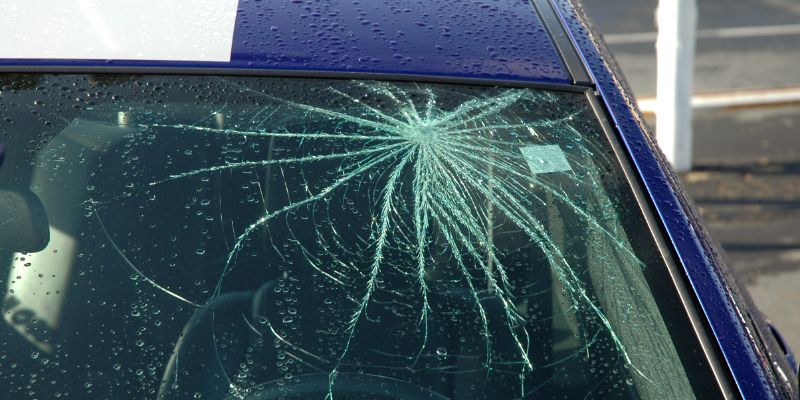
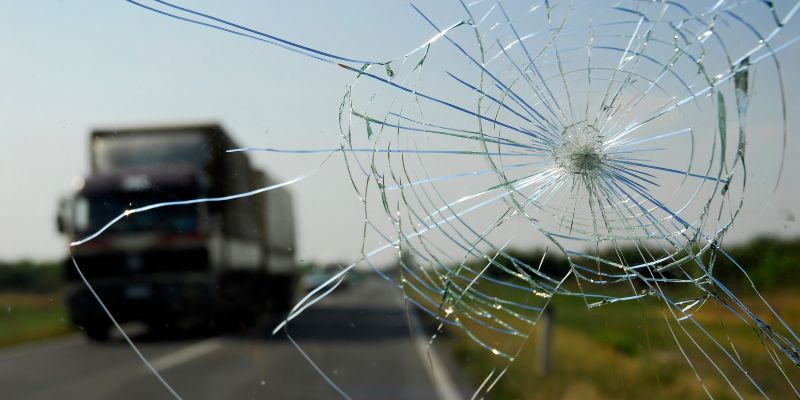
Sometimes, a repair won’t cut it. I learned this when a rock hit my windshield on the highway, leaving a crack that spiderwebbed across the driver’s side. If the crack is longer than 6-12 inches, goes through both layers of glass, or is in the driver’s view, replacement is usually the only option. My mechanic told me that a damaged windshield can also weaken the car’s structure, especially in a rollover accident.
Replacing a windshield isn’t cheap. I paid $300 for a new one on my pickup, but prices can range from $200 to $1,000, depending on your car’s make and model. Luxury cars or those with sensors (like for lane assist) cost more. Most shops handle it in a day, and some insurance plans cover it with a small deductible. I got lucky—my insurance covered 80% of the cost.
How to Prepare Your Car for Inspection
Getting your car ready for inspection can make or break your chances. I’ve learned a few tricks to avoid a fail. First, inspect the windshield yourself. Check for cracks or chips, especially in the driver’s view. Measure the crack with a ruler to see if it’s within your state’s limits. I did this before my last inspection and caught a small chip I hadn’t noticed.
Clean the windshield inside and out. A dirty windshield can make cracks look worse. I use glass cleaner and a microfiber cloth for a streak-free finish. Also, check other inspection points like lights, brakes, and tires. I failed an inspection once because of a burnt-out taillight, even though my windshield was fine. Fix small issues before you go to save time and stress.
What Happens If You Fail Inspection?
Failing an inspection isn’t the end of the world, but it’s a hassle. When my car failed because of a crack in the driver’s view, I got a rejection sticker and a list of fixes. Most states give you 15-30 days to fix the issue and get re-inspected. In Texas, I had 15 days, and the re-inspection was free at the same station.
If you fail, don’t panic. Get the windshield repaired or replaced, depending on the damage. I took my car to an auto glass shop the next day, got the crack fixed, and passed the re-inspection with no issues. Some states charge a small fee for re-inspections, so check your local rules.
Tips to Avoid Windshield Damage in the Future
Once you’ve dealt with a cracked windshield, you’ll want to prevent it from happening again. I’ve picked up a few habits to keep my windshield in good shape. First, avoid tailgating. Rocks and debris from other cars are a common cause of cracks. I keep a safe distance, especially on highways.
Park in a garage or under a carport if you can. I used to park under a tree, and falling branches caused a chip. If you’re on the road, avoid gravel roads when possible. I also check my windshield wipers regularly—worn wipers can scratch the glass, making it weaker.
If you spot a small chip, fix it right away. I ignored a chip once, and it turned into a crack after a cold night. A quick repair can save you hundreds on a replacement.
The Cost of Windshield Repairs and Replacements
Let’s talk money. Windshield repairs and replacements vary widely in cost. Here’s what I’ve learned from my repairs and talking to mechanics:
| Service | Estimated Cost | Notes |
|---|---|---|
| DIY Chip Repair | $10-$20 | Kits available at auto stores; good for small chips |
| Professional Repair | $50-$100 | Depends on the car make; higher for luxury models |
| Windshield Replacement | $200-$1,000 | Depends on car make; higher for luxury models |
| Inspection Fee | $10-$30 | Varies by state; re-inspections may be free |
Insurance can help. My policy covered most of my replacement cost with a $100 deductible. Check with your provider—some offer full coverage for repairs to encourage early fixes.
Dealing with Insurance and Windshield Damage
Insurance can be a lifesaver for windshield repairs. When I got that big crack, I called my insurance company, and they walked me through the process. Many policies cover windshield repairs with no deductible, especially if you catch the damage early. Replacements usually have a deductible, but it’s often lower than paying out of pocket.
File a claim as soon as you notice the damage. I waited a week once, and the crack spread, making it a replacement instead of a repair. Most insurers work with auto glass shops, so you might just pay the deductible and drive away with a new windshield. Always read your policy to know what’s covered.
Why a Safe Windshield Matters
A cracked windshield isn’t just about passing inspection—it’s about safety. I didn’t realize how important the windshield was until my mechanic explained it. It’s not just glass; it helps hold the car’s structure together, especially in a crash. A cracked windshield can also shatter more easily or pop out during an accident. Plus, any crack in your view can distract you while driving.
When I fixed my windshield, I felt safer on the road. It’s worth the effort to keep your car in top shape, not just for inspections but for your peace of mind.
Working with Auto Glass Professionals
If you’re not comfortable fixing a chip yourself, pros are the way to go. I’ve used both big chains like Safelite and local shops. Chains are convenient, and many offer mobile service—they’ll come to you. My local shop in Texas did a great job for less money, though, so shop around.
Ask for a quote upfront and check reviews online. I always make sure the shop uses OEM (original equipment manufacturer) glass for replacements—it matches your car’s specs. Also, ask how long it’ll take. Most repairs are done in an hour, while replacements might take a few hours.
Common Mistakes to Avoid During Inspection
I’ve made my share of mistakes with inspections, so let me save you some trouble. Don’t ignore small chips—they can spread and cause a failure. I did this once, and it cost me a replacement. Don’t assume a crack will pass just because it’s small—location matters more than size in most states.
Don’t skip cleaning your car. A dirty windshield can make damage look worse. I failed an inspection once because dirt made a chip seem bigger than it was. Finally, don’t put off repairs. If you know your inspection is coming up, fix the windshield early to avoid the stress of a fail.
The Peace of Mind from a Fixed Windshield
There’s something so satisfying about a clear, crack-free windshield. After fixing mine, I felt like my car was brand-new. Driving without worrying about a spreading crack or a failed inspection is a huge relief. Plus, a clean windshield just looks better—it’s like giving your car a mini makeover.
Conclusion
So, will a car pass inspection with a cracked windshield? It depends on the crack’s size, location, and your state’s rules, but small chips away from the driver’s view often pass, while bigger cracks usually don’t. I’ve been through this with my cars, and I can tell you it’s worth fixing that crack before inspection day. Whether you use a DIY kit for a small chip or call a pro for a bigger issue, taking action early saves time, money, and stress. A safe windshield means safer driving, and passing your inspection means one less thing to worry about. So grab that repair kit or call your local shop, and get that windshield looking good. You’ll be cruising with confidence in no time!
FAQs
Can I pass inspection with a small chip in my windshield?
It depends on your state. In Texas, I passed with a small chip outside the driver’s view. Check your state’s rules, but small chips often pass if they’re not obstructive.
How big can a crack be to pass inspection?
Most states allow cracks under 6 inches, but it varies. In Pennsylvania, anything over 11 inches fails. Look up your state’s DMV guidelines for specifics.
Can I fix a windshield crack myself?
Yes, for small chips. I used a $15 DIY kit on my sedan, and it worked great. For cracks over 6 inches, I’d call a professional to be safe.
How much does it cost to replace a windshield?
It ranges from $200 to $1,000, depending on your car. My pickup’s replacement was $300. Insurance might cover it with a deductible.
What happens if my car fails inspection because of a cracked windshield?
You’ll get a rejection sticker and a deadline to fix it—usually 15-30 days. I failed once, got the crack repaired, and passed the re-inspection with no hassle.