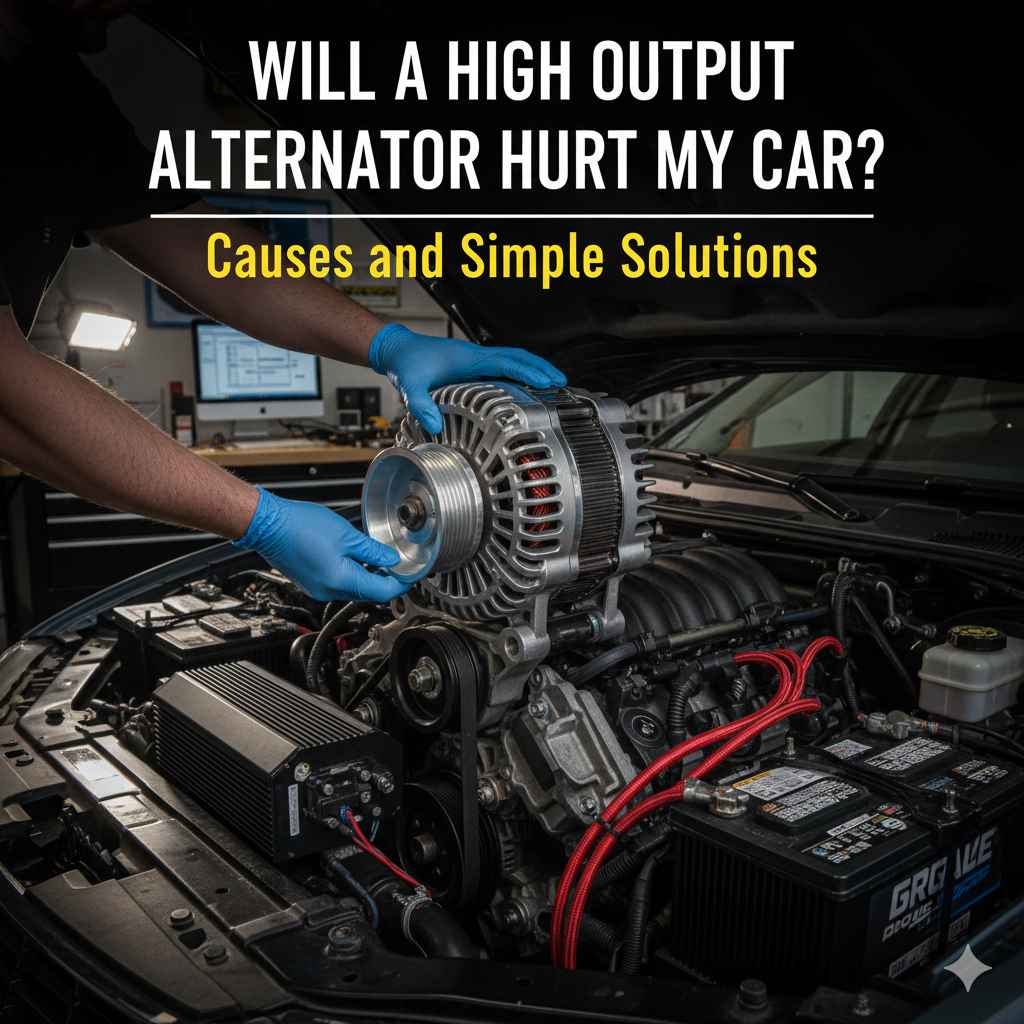
Will a High Output Alternator Hurt My Car?
Thinking about upgrading your car’s electrical system? You might be asking yourself, Will a High Output Alternator Hurt My Car? It’s a common question, especially for those just getting into car modifications. You might worry about damaging expensive parts. Don’t worry, we’ll break it down into easy-to-grasp pieces. This way, you can decide if it’s the right choice for your ride, without any confusing jargon. Let’s start with the basics.
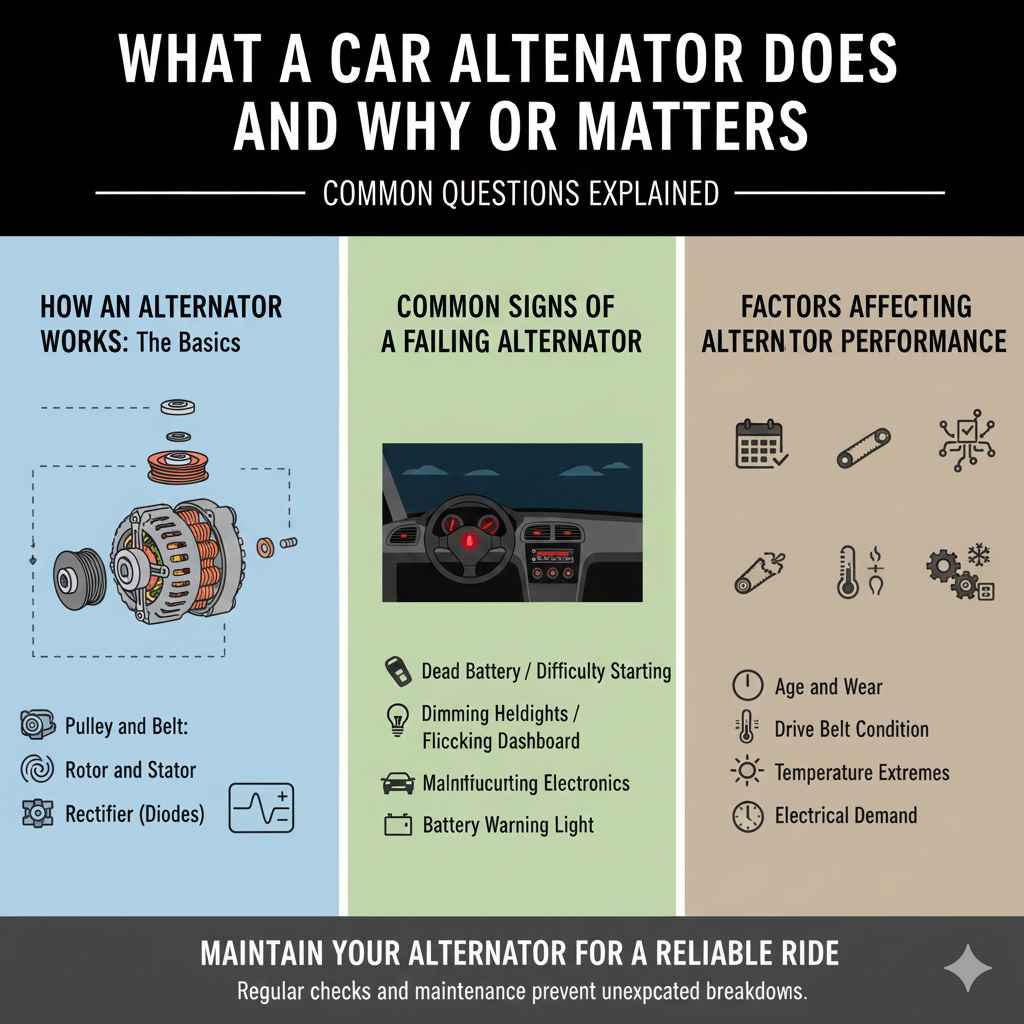
What a Car Alternator Does and Why It Matters
The alternator is a crucial part of your car’s electrical system, essentially a generator powered by your engine. It’s responsible for two key tasks: charging the car’s battery and supplying electricity to all the electrical components while the engine is running. These components include lights, the stereo, the air conditioning, and the engine control unit (ECU). When the engine is off, the battery provides the necessary power.
However, as soon as the engine starts, the alternator takes over, providing a constant supply of electricity and replenishing the battery’s charge. A properly functioning alternator ensures all these systems operate smoothly, keeping you safely on the road.
A failing alternator can manifest in several ways. The most obvious sign is a dead battery or difficulty starting the car. Other symptoms include dimming headlights, a flickering dashboard, or unusual electrical behavior like a malfunctioning stereo or air conditioning unit. In many modern vehicles, a warning light on the dashboard, often shaped like a battery, will illuminate when the alternator is failing.
If you observe any of these problems, it’s vital to have your alternator checked by a professional mechanic to prevent further damage to your car’s electrical system. Without a working alternator, your car won’t run for long.
How an Alternator Works: The Basics
An alternator operates by converting mechanical energy into electrical energy using the principles of electromagnetism. The process starts with a belt, driven by the engine’s crankshaft, turning a pulley attached to the alternator. Inside the alternator, a rotor spins within a stator. The rotor is essentially an electromagnet, creating a magnetic field as it rotates. As the rotor spins, it passes by the stator, which contains coils of wire. This movement generates an electrical current through the stator coils, a process known as electromagnetic induction.
This generated current is then converted from alternating current (AC) to direct current (DC) through a component called a rectifier, composed of diodes, making it suitable for charging the battery and powering the car’s electrical systems.
Pulley and Belt: The pulley connected to the alternator is turned by a belt that is connected to the engine’s crankshaft. This transfer of mechanical energy is the initial step in the power generation process.
The pulley’s diameter and the engine’s speed dictate how fast the rotor inside the alternator spins. The faster it spins, the more electricity the alternator can produce, up to its maximum output. A worn or loose belt can reduce the alternator’s efficiency and prevent it from generating sufficient power to keep the battery charged and run electrical components. If the belt breaks, the alternator will cease to function, potentially leaving you stranded.
Rotor and Stator: The rotor inside the alternator has electromagnets. As the rotor spins, it creates a spinning magnetic field. The stator has wires within it, and the magnetic field moving around those wires creates electricity.
The rotor’s design determines how strong the magnetic field is, which directly impacts the alternator’s output. A high-output alternator has a rotor designed to generate a stronger magnetic field. The stator coils are also carefully designed to maximize the conversion of magnetic energy to electrical energy. The interaction between the rotor and stator is the core of how the alternator creates power.
Rectifier (Diodes): The alternator produces alternating current (AC). The rectifier, which consists of diodes, converts this AC power into direct current (DC), which is what the car’s battery and electrical components use.
The diodes act like one-way valves for electricity, allowing current to flow in only one direction. This conversion is essential, because the battery, and most of the car’s electrical components, are designed to work with DC power. Without the rectifier, the AC power from the alternator would damage the battery and other sensitive electronics. The quality and design of the rectifier can also affect the alternator’s performance and lifespan.
Factors Affecting Alternator Performance
Several factors can impact how well your alternator works. Things like age and wear are significant. Regular maintenance, such as checking and replacing the drive belt, is important. Temperature also plays a key role. Extreme heat or cold can affect an alternator’s performance. Quality of components matters, too. Cheaper parts might fail sooner. Lastly, how much electrical demand you place on the system also influences its performance. An alternator is an essential part, and its health significantly impacts your car’s reliability.
Age and Wear: Over time, the internal components of an alternator wear down. Brushes, bearings, and diodes, which are all key pieces of the system, will eventually degrade.
As the brushes wear, they lose contact with the rotor, reducing the alternator’s output. Worn bearings can lead to noise and friction, decreasing efficiency and potentially causing the alternator to seize. Diodes can fail, preventing the proper conversion of AC to DC. The lifespan of an alternator varies, but it is typically between 80,000 to 150,000 miles. Regular inspections can help detect these issues before they cause problems.
Drive Belt Condition: The drive belt transmits power from the engine to the alternator. If the belt is worn, loose, or cracked, it can reduce the alternator’s ability to spin at the right speed.
A slipping belt means that the alternator doesn’t get enough power to work efficiently. This can lead to a reduced charging capacity, which results in a dead battery or underpowered electrical systems. Proper belt tension is also key. Too tight, and it can put extra strain on the alternator and engine components. Too loose, and it will slip. Replacing the belt periodically and checking tension are essential maintenance tasks.
Temperature Extremes: Heat and cold impact the alternator. Excessive heat can degrade the internal components, reducing their lifespan. Cold temperatures can increase the resistance within the alternator, making it harder to generate power, especially at startup.
Heat can also make the components deteriorate. Cold can make the alternator less efficient when you start your car. The range of temperatures the alternator can handle is pretty wide, but prolonged exposure to extreme conditions can cause issues. Proper ventilation in the engine compartment can help prevent overheating, and ensuring the alternator is rated for the climate you drive in is also beneficial.
Will a High Output Alternator Hurt My Car’s Electrical System?
The basic answer to Will a High Output Alternator Hurt My Car? is, it depends. A high-output alternator provides more electrical power than the stock one. This is helpful if you have added electrical components like high-powered audio systems, extra lights, or other accessories that require significant power. The increased power output can help keep your battery charged and prevent your electrical systems from overloading.
However, installing a high-output alternator without considering your car’s overall electrical system can cause problems. It’s important to match the alternator to your car’s needs and ensure everything works together correctly.
A high-output alternator increases the total amperage available to your car’s electrical systems. This can prevent problems like dimming headlights or low battery charge when electrical load is high. It can also help with accessories that drain a lot of power. However, it’s not always a straightforward upgrade. You need to consider the total power demand of your car and if the alternator is compatible with other components. If not installed properly, it could cause issues.
Potential Risks of High Output Alternators
While a high output alternator offers benefits, there are things to consider. If the alternator is too powerful for the system, it could cause issues. Wiring and fuses might not be rated for the increased power, leading to overheating or damage. In some cases, the car’s computer might not handle the extra output, which could cause problems with the engine’s performance or other electrical functions. If the upgrade isn’t done right, you might face some unexpected problems. It’s important to understand the potential risks before installing a high-output alternator.
Overloading the Wiring: A high-output alternator sends more power through the car’s electrical wires. If the wiring isn’t up to the task, it can overheat and cause a fire.
The gauge of the wires matters. Thicker wires can handle more current. When installing a high-output alternator, you might need to upgrade the wiring to handle the increased amperage. This often includes the main power wires between the alternator, the battery, and the fuse box. Failure to do so can create a serious fire hazard. Regular inspection of the wiring is critical after installation to look for any signs of overheating or damage. Never assume the existing wiring is adequate.
Damage to the Battery: A high-output alternator can overcharge the battery if the voltage regulator isn’t properly adjusted.
Overcharging can damage the battery, reducing its lifespan and potentially leading to premature failure. The voltage regulator controls the output voltage of the alternator. It ensures the battery receives the correct charging voltage. With a high-output alternator, you may need a regulator that can handle the increased output. This ensures the battery isn’t overcharged. Checking the battery’s voltage regularly after the install can help catch any issues early.
Compatibility Issues with the ECU: Modern cars have an Engine Control Unit (ECU) that manages the electrical systems. A high-output alternator can sometimes create issues with the ECU.
The ECU monitors and controls various aspects of the engine and electrical components. If the alternator’s output is outside the ECU’s expected range, it can cause the ECU to malfunction or misread data. This might cause issues like poor engine performance, incorrect sensor readings, or even unexpected shutdowns. Before installing a high-output alternator, confirm its compatibility with your car’s ECU, or make sure it can be programmed to handle the changes.
Benefits of Upgrading the Alternator
A high-output alternator offers several key advantages. It’s especially useful if you have added electrical accessories. It provides extra power, making sure those devices get the juice they need. It can also enhance the performance of the factory-installed electrical components. It helps prevent voltage drops and ensures your car’s electrical system runs reliably, especially under heavy load. The main advantage is to make sure your electrical systems work well, even when demanding lots of power.
Enhanced Power for Accessories: Many drivers add components like high-powered sound systems, off-road lights, or performance electronics. A high-output alternator ensures these devices have enough power.
These accessories need a lot of electrical power to work correctly. A high-output alternator delivers the extra amperage required, preventing issues like dimming lights or audio distortion. Upgrading the alternator is essential if you want your accessories to perform at their best. Without the extra power, you might not fully enjoy the benefits of your add-ons. It ensures everything runs smoothly without overworking the car’s electrical system.
Reduced Voltage Drops: Voltage drops occur when the electrical load exceeds the alternator’s output. A high-output alternator helps prevent this.
Voltage drops can cause performance issues, like reduced engine power or erratic behavior in electrical components. The extra power from the high-output alternator helps stabilize voltage levels, which can improve overall system performance. This ensures all your components receive a steady supply of power, enhancing the car’s reliability and function. You’ll notice better performance and fewer glitches. It’s a key benefit, especially in vehicles with many electrical devices.
Improved Battery Charging: A high-output alternator keeps the battery properly charged, especially in cars with many power-hungry accessories.
A consistent charge is vital for maintaining the battery’s lifespan. By providing extra power, the high-output alternator helps keep the battery at an optimal level, even with frequent use of accessories. A well-charged battery starts the engine easily and powers the electrical systems effectively. This keeps your car ready to go and reduces the risk of battery failure. It can contribute to overall system longevity and prevent the need for frequent battery replacements.
Choosing the Right Alternator for Your Vehicle
When selecting a high-output alternator, several factors must be considered to make the right choice. Consider your car’s make and model. Determine your car’s electrical needs. Then look at the alternator’s output capacity and compatibility. Finding the right alternator ensures you get the most from it without causing problems. Consulting with professionals and reading product reviews can make this process easier and help prevent problems. You want an alternator that fits your vehicle and provides the right amount of power.
Finding the right alternator starts with knowing what your car needs. Not all cars are the same. High-output alternators come in many output levels, so matching the alternator to your electrical load is key. It ensures you have enough power without exceeding what your car can handle. Researching and talking to experienced mechanics will help you choose the best alternator. They can advise on the right components and installation. This attention to detail will help you get the benefits of the upgrade without any of the risks.
Determining Electrical Needs
Before buying a high-output alternator, you need to figure out how much power your car uses. Start by adding up the power draw of all your electrical components. This will give you an idea of your power needs. Consider future upgrades as well, so you choose an alternator that can handle additional accessories. This will help make sure you have the right amount of power for all of your electrical needs. Accurately determining your electrical needs will help you choose the correct high-output alternator.
List All Electrical Components: Create a detailed list of all electrical components in your vehicle, including lights, stereo, air conditioning, and any aftermarket accessories.
Write down everything that uses electricity in your car. Then, find the power consumption of each component. This information is typically found in the component’s manual or online. Include factory parts and any added ones like extra lights or a high-powered stereo. Knowing what electrical parts you have is the first step in assessing your power needs. This list helps you get a clear picture of your car’s total electrical demand.
Calculate Total Amperage Draw: Add up the amperage draw of all your electrical components. This gives you an approximate amount of power your car needs when everything is running.
To calculate the total, you’ll need the amperage rating of each component. This rating indicates how much current the component uses. Add all the amperage draws together. This number tells you the minimum output your alternator should provide. Remember to consider conditions when the car runs with everything turned on, like nighttime driving with lights and AC running. This calculation will help you choose an alternator that supplies sufficient power.
Factor in Future Upgrades: If you plan to add any electrical accessories in the future, include their estimated power draw in your calculations.
Think ahead to any electrical additions you might make, like a new sound system or a set of auxiliary lights. It is better to get a slightly higher-rated alternator than you currently need. This will give you some wiggle room for future upgrades without needing to replace the alternator again. This planning saves money and keeps your electrical system running well, even as you add new components.
Alternator Output Capacity and Compatibility
Once you have a good idea of your electrical needs, choose an alternator with the right output capacity. Check the specifications for your car to make sure the alternator fits and works with your vehicle. Many high-output alternators are specifically designed for certain makes and models.
This ensures an easy fit and optimal performance. Making sure that the alternator you choose is compatible is essential. It will help ensure that you do not face any challenges down the road. This also prevents potential problems and keeps your car running smoothly.
Match Output to Needs: Choose an alternator with an output capacity that meets or exceeds your car’s total amperage draw.
Select an alternator that can handle your current electrical load, plus any future additions. A slight margin above your calculated needs is a good idea. This ensures you have plenty of power, even during peak demands. Avoid alternators that are excessively powerful unless you have a substantial electrical load. Overdoing it can lead to compatibility issues. It’s best to have enough power to run everything smoothly without overloading the system.
Verify Fitment: Check the alternator’s physical dimensions and mounting points to ensure it fits your vehicle. Use online resources and catalogs to ensure the alternator is made for your car.
Vehicle-specific alternators are often designed to drop right into place, making installation easier. Check the dimensions and confirm that it matches your car’s existing mounting bracket and pulley system. Not all alternators fit the same way. If an alternator does not fit, you will not be able to install it. Ensuring compatibility can help you avoid installation headaches and make sure the upgrade goes smoothly. Check the connections and wiring configurations too.
Check Voltage Regulator: Verify the alternator’s voltage regulator is compatible with your car’s electrical system. Some alternators have built-in regulators, while others require an external one.
The voltage regulator controls the alternator’s output voltage to protect the battery and other electrical components. Make sure the regulator matches your car’s voltage requirements. If you’re switching to a high-output alternator, you might need a regulator that can handle the increased amperage and voltage. Incompatible regulators can lead to overcharging or undercharging, which may hurt the battery and electrical components. If you are not sure, consult a mechanic. This is a very important step.
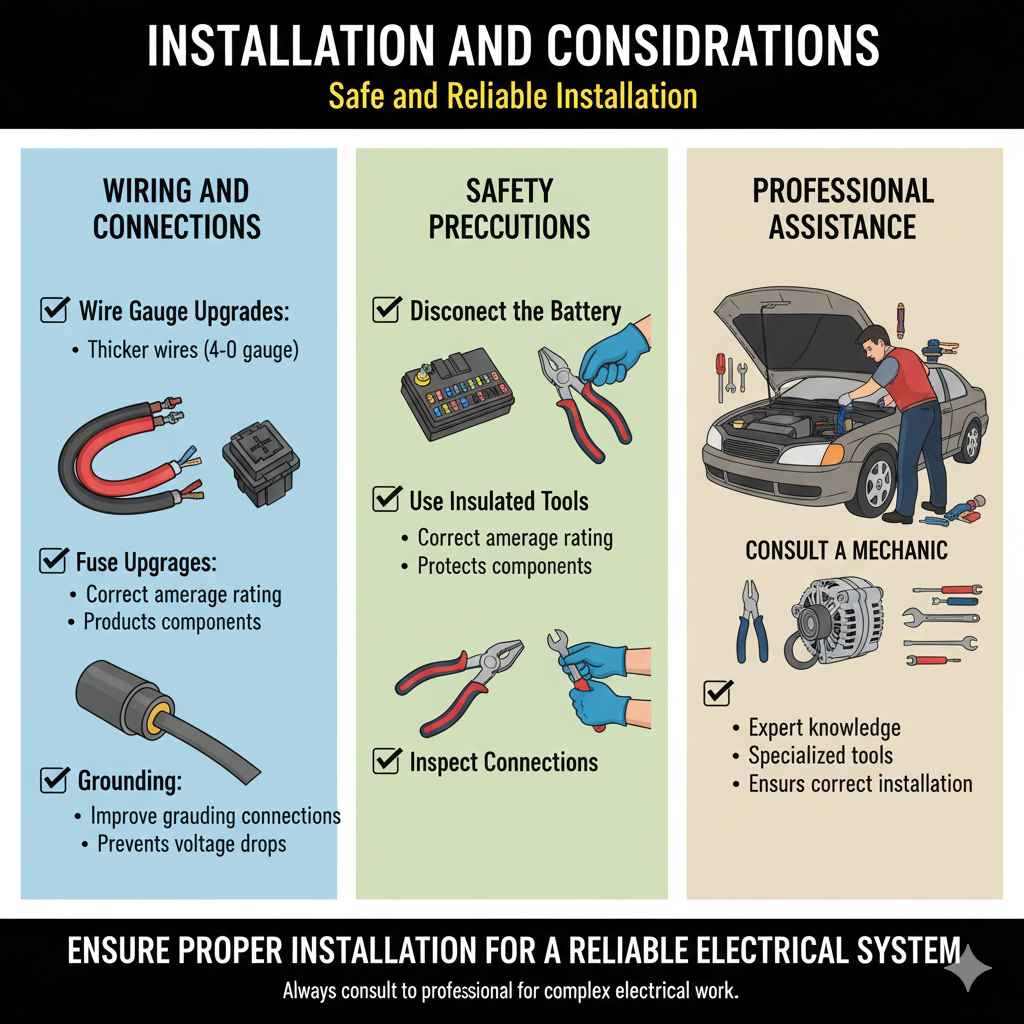
Installation and Considerations
Installing a high-output alternator involves more than just swapping parts. Proper wiring and connections are essential. A safe and reliable installation involves replacing the existing wiring with wires that can handle the increased amperage. This might also involve upgrading the fuses and making sure everything is properly grounded. If you are not familiar with car electrical systems, it’s best to have a professional handle the installation. Proper installation is critical to avoid any issues.
When upgrading your car’s alternator, remember that the work you do is very important. Always disconnect the battery before beginning any electrical work. This helps protect you from electric shock and prevents any potential short circuits. When you install it, make sure that the alternator pulley lines up correctly with the drive belt. Verify that the wiring connections are secure and that the alternator is properly grounded to the car’s chassis. Correct installation practices are essential for your safety and to protect your car.
Wiring and Connections
Upgrading the wiring is a critical step in installing a high-output alternator. The original wiring in your car might not be designed to handle the increased amperage.
Wire Gauge Upgrades: Use thicker wires, often 4 to 0 gauge, to handle the higher amperage. This reduces the risk of overheating and damage.
The right gauge wire is determined by the alternator’s output and the distance the wires run. You’ll need to upgrade the main power wires between the alternator and the battery. A qualified mechanic can help you choose the correct wire size. Replace the existing wiring or add additional cables to carry the extra current. Improper wiring can lead to a fire. Also, ensure all connections are tight and protected to prevent corrosion and improve reliability.
Fuse Upgrades: Check and replace fuses that may not be rated for the increased power. Make sure that they are rated correctly.
Fuses protect your car’s electrical components from overcurrents. Upgrading the fuses ensures they can handle the increased amperage from the new alternator. Install fuses with the correct amperage rating. If the fuse is too low, it may blow and cause problems. Make sure the fuse block is properly sized and in good condition. Consider adding an inline fuse between the alternator and the battery for added protection. Regularly check the fuses for any signs of wear or damage.
Grounding: Improve grounding connections to ensure a good electrical circuit. This helps prevent voltage drops and improves the overall performance of the electrical system.
Ensure the alternator is properly grounded to the engine block and the chassis. Clean any corrosion. Use grounding straps to make sure the electrical system runs well. A good ground connection provides a low-resistance path for the electrical current. Without a proper ground, you may experience voltage drops, dimming lights, and other electrical issues. Inspect and tighten the ground connections regularly. If you improve the grounding, it will enhance the alternator’s performance and the reliability of your car’s electrical components.
Safety Precautions
Working on your car’s electrical system requires caution. Always disconnect the negative terminal of the battery before starting any work. This stops any electrical current from flowing. This action helps protect you from electric shock and prevents short circuits. Use insulated tools to reduce the risk of accidental contact with live wires. If you aren’t experienced, it’s best to let a professional handle the work.
Disconnect the Battery: Before starting any electrical work, always disconnect the negative terminal of the battery.
This is the most crucial safety step when working with your car’s electrical system. Doing so stops any electrical current from flowing through the wires. It protects you from electric shock and prevents short circuits. Disconnect the negative terminal first. Make sure it doesn’t touch any metal parts while you are working. Before reconnecting the battery, check all connections to make sure they are secure and correctly positioned. Never skip this step, because safety is very important.
Use Insulated Tools: When working with electrical components, use insulated tools to reduce the risk of electric shock.
Insulated tools, like pliers and screwdrivers, have plastic or rubber coatings. These coatings help protect you from electrical current. These coatings can prevent contact with live wires or components. Regular inspections of your tools for damage are important. Discard any tools that are damaged. Using the right tools for the job is always best for safety and efficiency. Always take safety seriously.
Professional Installation: If you are not experienced with car electrical systems, consider hiring a professional. A mechanic can ensure the alternator is installed correctly.
Electrical work can be complicated and potentially dangerous. A professional mechanic has the knowledge and tools to install the alternator correctly. They can also ensure all connections are secure. A professional installation can prevent potential damage to your car. Also, this helps ensure the safety of your car and yourself. While DIY projects can be rewarding, it is sometimes wise to seek expert help. That’s especially true when dealing with car electronics.
Frequently Asked Questions
Question: Will a high-output alternator drain my battery?
Answer: No, a high-output alternator will not drain your battery. It’s designed to charge the battery and power your electrical systems. It can actually help keep your battery charged, especially if you have many power-hungry accessories.
Question: Can I install a high-output alternator myself?
Answer: If you have experience with car electrical systems and feel comfortable working with wiring, you might be able to install it yourself. However, if you’re not sure, it’s best to have a professional install it. They will ensure everything is done correctly and safely.
Question: Do I need to upgrade my car’s wiring when I install a high-output alternator?
Answer: Yes, it is often necessary to upgrade the wiring, especially the main power wires between the alternator and the battery. This is because the original wiring might not be able to handle the increased amperage.
Question: Will a high-output alternator increase my car’s fuel consumption?
Answer: It shouldn’t significantly increase fuel consumption. The alternator only draws power from the engine as needed. The added electrical load is usually minimal.
Question: How do I know if the high-output alternator is compatible with my car?
Answer: Check the alternator’s specifications and make sure it’s designed for your car’s make and model. Verify the dimensions, mounting points, and voltage regulator compatibility to ensure a proper fit.
Final Thoughts
So, Will a High Output Alternator Hurt My Car? The answer is not always a simple yes or no. The main issue isn’t the alternator itself, but how it integrates with your car’s current setup. A high-output alternator offers a great solution for boosting power to handle extra electrical needs. However, the installation and matching of the parts are critical. You must ensure all wiring, fuses, and connections can handle the increased power output. By carefully evaluating your car’s electrical needs and taking the necessary steps, you can safely enjoy the benefits of a high-output alternator.
If you’re not sure, it’s always smart to have a mechanic do the work. This makes sure everything is safe and functions correctly. With some research and planning, you can make an informed decision and upgrade your car’s electrical system with confidence.