Does the Car Need to Be Running to Add Water? (Answered)
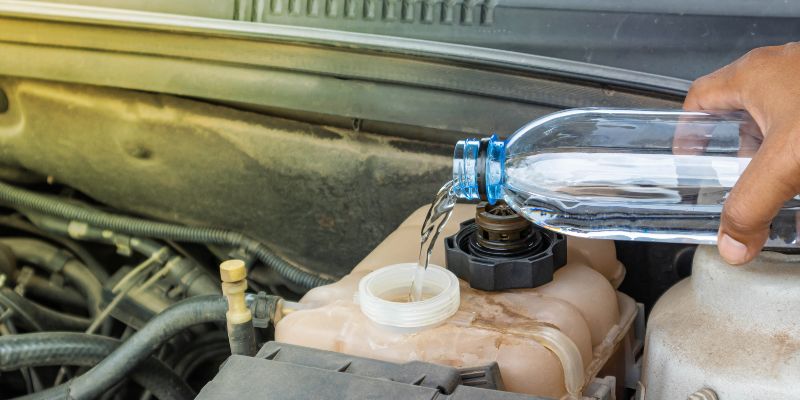
No — always turn the engine off and let it cool before adding water to your radiator or washer fluid tank. A hot, running engine pressurizes the cooling system, so opening the radiator cap can spray scalding coolant and cause a serious burn. Most modern cars actually have a separate coolant reservoir with its own low-pressure cap that is safe to check even while the engine is warm; it is only the radiator’s own pressurized cap that needs a full cool-down. Washer fluid carries no heat risk, so you can top that off with the engine running or off.
What Does “Add Water to a Car” Mean?
BEST FOR SPILL-FREE COOLANT REFILLS
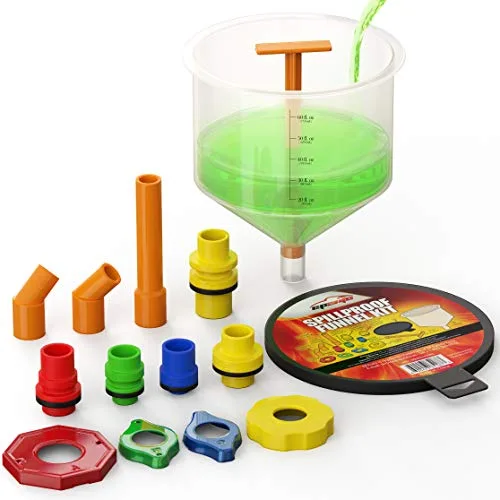 |
EPAuto Spill-Proof Radiator Coolant Filling Funnel Kit – $21.97 This funnel seals onto your radiator neck or coolant reservoir opening so you can pour distilled water or coolant in without spilling it on a hot exhaust manifold or belt.
|
Adding water to a car usually means one of two things: topping off the engine’s cooling system or refilling the windshield washer fluid tank. The two jobs share almost nothing in common except that both reservoirs live under the hood. The cooling system is pressurized and can reach 200°F or more, so it has its own set of safety rules. The washer fluid tank holds cleaning fluid at normal pressure and temperature, so it does not.
Why Does It Matter If the Car Is Running?
A running or recently-shut-off engine keeps the cooling system under pressure and the coolant near or above boiling point. Removing the radiator’s pressurized cap in that state lets trapped steam and scalding coolant erupt outward, which is a common way people burn their hands and face. Washer fluid carries none of that risk since the tank is never pressurized or hot, but it is still good habit to switch the engine off before working under the hood so you are not reaching around a spinning belt or fan.
Adding Water to the Radiator: Step-by-Step
The cooling system runs on a mix of water and coolant (antifreeze) to keep the engine at a safe operating temperature. On most vehicles built since the 1990s, you do not open the radiator itself at all — you top off a translucent plastic coolant reservoir instead, which sits at normal atmospheric pressure and has its own cap. That reservoir cap is safe to remove even when the engine is warm. It is only an older-style radiator cap, mounted directly on the radiator, that stays pressurized and dangerous until the engine has fully cooled. Check your owner’s manual if you are not sure which type your car has, and always start with the engine off either way.
Steps to Add Water to the Radiator
- Park the car. Make sure it is on flat ground and the parking brake is set.
- Turn off the engine. If the car has been driven recently, let it cool for at least 30 minutes.
- Find the coolant reservoir or radiator cap. The reservoir is a translucent plastic tank with MIN/MAX marks; the radiator cap sits directly on top of the radiator itself, further forward.
- Check the coolant level. Look at the marks on the side of the reservoir, or the level inside the radiator neck if your car has no reservoir.
- Mix water and coolant. Use a 50/50 mix of distilled water and coolant unless your manual says otherwise.
- Pour slowly. Fill to the “full” or “max” line, using a funnel to avoid spills.
- Close the cap tightly. Turn it until it stops, then give it a light tug to confirm it is seated.
Safety tip: never open a hot radiator cap. If the engine has just been running and you are not sure the system has cooled, wrap a thick cloth around the cap and turn it slowly to the first stop to release any remaining pressure before removing it fully.
Tools and Materials Needed
You do not need fancy tools. Here is a simple list:
- Distilled water (tap water leaves mineral deposits over time).
- Coolant (check your owner’s manual for the correct type — mixing incompatible coolants can cause buildup).
- A funnel to avoid spills.
- Gloves to protect your hands from hot components and coolant, which is toxic if swallowed.
Table 1: Radiator Fluid Comparison
| Fluid Type | Cost | Pros | Cons |
|---|---|---|---|
| Distilled Water | $1-2/gallon | Cheap, easy to find, no mineral buildup | No freeze or corrosion protection on its own |
| 50/50 Coolant Mix | $10-15/gallon | Protects engine, prevents freezing | More expensive than plain water |
| Full-Strength Coolant | $15-20/gallon | Long-lasting, mixable to your own ratio | Needs mixing with distilled water before use |
This table compares fluids for your radiator or coolant reservoir. Choose based on your budget and local climate.
Adding Water to the Windshield Washer Fluid
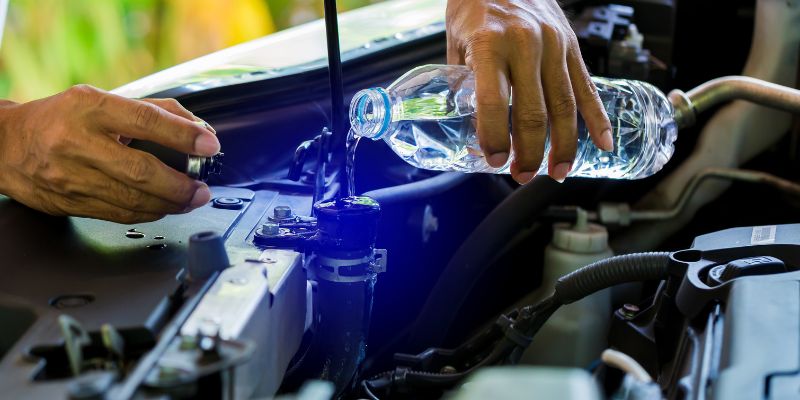
Windshield washer fluid keeps your view clear. You can add plain water to dilute it or use straight water in a pinch. The car does not need to be running for this, and the engine does not even need to be off for very long — there is no heat or pressure risk with this tank at all.
Steps to Add Washer Fluid
- Locate the washer fluid tank. It is under the hood, marked with a windshield-and-spray symbol on the cap.
- Open the cap. It is usually blue or white plastic.
- Check the level. If it is low, add fluid or water.
- Pour carefully. Use a funnel to avoid messes.
- Close the cap. Make sure it clicks or seats fully shut.
Pro tip: plain water works fine in warm weather, but switch to real washer fluid before winter so it does not freeze in the lines. Most manufacturers also advise against substituting dish soap, since it can foam up and clog the spray nozzles.
Table 2: Washer Fluid Options
| Option | Cost | Best For | Notes |
|---|---|---|---|
| Plain Water | Free-$1 | Warm weather | Can freeze and crack lines in cold climates |
| Washer Fluid | $3-5/gallon | All seasons | Rated to a specific freeze point, cleans better |
| Diluted Washer Fluid | ~$2/gallon | Budget-friendly, warm season | Mix per the bottle’s directions rather than guessing |
This table shows washer fluid choices. Pick one that fits your climate and season.
Does the Car Need to Be Running to Add Water?
No. For routine top-offs, the car should not be running when you add water to either the radiator/coolant reservoir or the washer fluid tank. For the cooling system, a running or still-hot engine keeps everything pressurized, so the safe routine is engine off, then wait roughly 30 minutes before removing a radiator cap (a coolant reservoir cap, by contrast, is low-pressure and can usually be opened once the engine is just off, even if still warm). The one exception is a roadside emergency: if you must add coolant to an overheating engine that you cannot safely shut off and cool first, pour it in slowly with the engine idling rather than all at once, so the cold liquid mixes gradually into the hot coolant instead of shocking the engine block. For washer fluid, there is no heat risk either way — it is simply easier and safer to top it off with the engine off so you are not reaching past a moving belt or fan.
Benefits of Adding Water Correctly
Doing it right saves money and keeps your car running smoothly. A properly filled cooling system prevents engine overheating, which can lead to a blown head gasket or a cracked engine block costing well over a thousand dollars to repair. Clean, full washer fluid improves visibility in rain, road spray, and salt season, which matters for safety as much as convenience. Both jobs take a few minutes and typically cost $10 to $20 in fluid, versus a shop visit for the same task.
Drawbacks and Risks
Adding water incorrectly can cause trouble. Using tap water in the radiator or reservoir long-term can leave mineral deposits that clog small passages in the radiator and heater core. Opening a hot radiator cap can cause a serious burn. For washer fluid, using only plain water through a freeze can crack the reservoir or its supply lines. Always follow the safety steps above and use the fluid your owner’s manual recommends.
Common Mistakes to Avoid
- Opening a hot radiator cap. It can spray scalding coolant outward.
- Using only water in the radiator long-term. The system needs coolant for freeze and corrosion protection too.
- Overfilling the washer tank. It can leak past the cap and make a mess in the engine bay.
- Mixing coolant types. Different coolant chemistries do not always mix well; check the color and spec against your manual.
Practical Maintenance Tips
- Check fluid levels monthly. It catches small leaks before they become breakdowns.
- Keep a jug of distilled water and a bottle of the correct coolant in the trunk for long trips.
- Use a flashlight to read the reservoir’s MIN/MAX marks clearly, especially at night.
- Note the coolant color and type your car uses so you never grab the wrong bottle at the parts store.
Table 3: Maintenance Checklist
| Task | Frequency | Tools Needed | Estimated Time |
|---|---|---|---|
| Check Radiator/Reservoir Fluid | Monthly | Flashlight, gloves | 5 minutes |
| Top Off Washer Fluid | Weekly, or as needed | Funnel, fluid | 3 minutes |
| Inspect Hoses and Clamps | Every 6 months | None | 10 minutes |
This checklist helps you stay on top of car fluid maintenance.
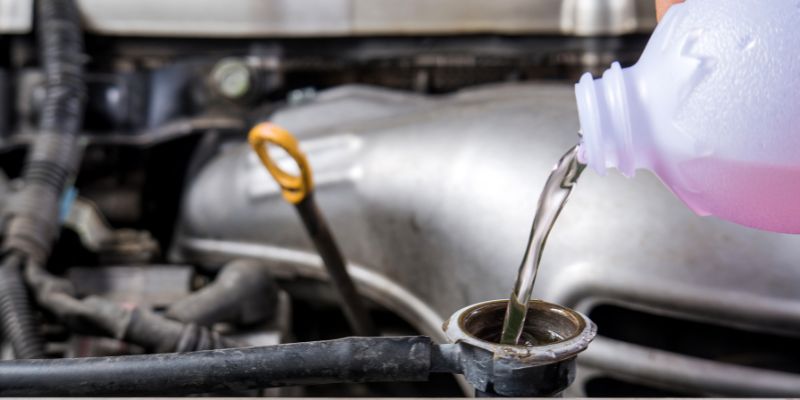
Other Ways to Manage Car Fluids
You do not always need to mix your own fluids. For the cooling system, pre-mixed 50/50 coolant is more convenient and only slightly pricier than mixing concentrate yourself. For washer fluid, store-bought fluid rated for your climate performs better than diluted water once temperatures drop. A mechanic or quick-lube shop can also handle either task during a routine service, though that costs more than doing it yourself.
Conclusion
Adding water to your car is simple once you know the rules. Does the car need to be running to add water? No — turn it off, let a hot engine cool for about 30 minutes, and check your owner’s manual for the right coolant type. Washer fluid is even more forgiving and can be topped off anytime the engine is off. Check both levels monthly and you will avoid the vast majority of overheating and visibility problems.
Frequently Asked Questions
Does the car need to be running to add water to the radiator?
No, the engine should be off. A running or recently-run engine keeps the cooling system hot and pressurized, and opening a radiator cap in that state can spray scalding coolant. Let the engine cool for about 30 minutes before removing a radiator cap; a low-pressure coolant reservoir cap can usually be opened sooner, once the engine is simply off.
Can I use tap water in my car’s radiator?
It is not ideal for regular use. Tap water contains minerals that can build up and clog the radiator and heater core over years of top-offs. Use distilled water mixed with the correct coolant for routine maintenance. In an emergency, tap water is fine to get you home, but flush and refill the system with the proper mix afterward.
What is the best fluid for the windshield washer tank?
A washer fluid rated for your climate is best, since it cleans road grime effectively and will not freeze in winter. Plain water works in warm weather but can freeze and crack lines in cold climates. Avoid substituting dish soap, since it can foam and clog the spray nozzles.
How often should I check my car’s fluid levels?
Check coolant monthly and washer fluid weekly, or whenever the low-fluid warning light comes on. Both checks take only a few minutes with a flashlight to read the reservoir marks. Regular checks catch small leaks before they cause overheating or a dirty windshield at the worst time.
Can I add water while the car is hot?
Do not open a hot radiator cap. The pressure inside can force scalding coolant out fast enough to cause a serious burn. Wait about 30 minutes after driving for the system to depressurize and cool. Washer fluid carries no heat risk, but the car should still be off so you are not reaching near a spinning belt or fan.
Is it cheaper to add water myself?
Yes. A gallon of coolant costs roughly $10 to $20, and distilled water is $1 to $2 a gallon, versus a shop labor charge for the same five-minute job. Doing it yourself also means you get familiar with your car’s reservoir marks and fluid type.
What happens if I do not add water or coolant?
Running low on coolant lets the engine overheat, which can warp a cylinder head or blow a head gasket and cost well over a thousand dollars to repair. Low washer fluid just makes it harder to clear a dirty windshield, which is a safety issue in its own right. Check both levels regularly to avoid either problem.
Products related to this article
Sponsored / affiliate links. As an Amazon Associate I earn from qualifying purchases. I may earn additional commission from eligible campaigns.