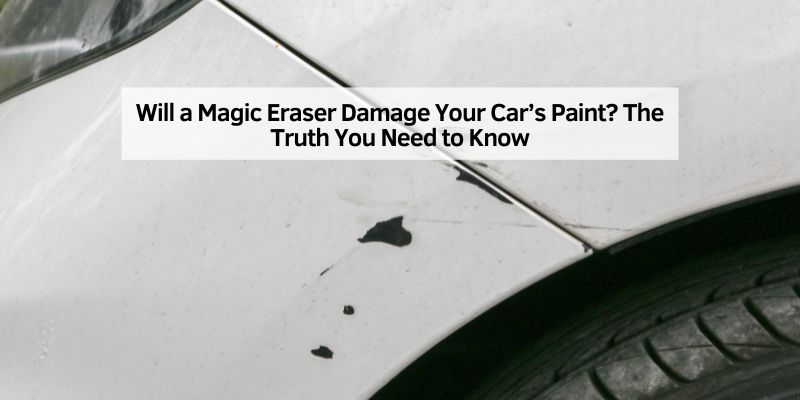
Will a Magic Eraser Damage Your Car’s Paint? The Truth You Need to Know
Hey there! If you’re anything like me, you love keeping your car looking shiny and new. There’s something satisfying about a spotless ride, right? But sometimes, stubborn marks like tree sap, bug splatter, or scuff marks show up and ruin the vibe. You might have heard about using a Magic Eraser to tackle these tough stains. It’s a popular cleaning tool that works wonders around the house, so it’s tempting to try it on your car. But here’s the big question: Will a Magic Eraser damage your car’s paint? I’ve been down this road myself, experimenting with this little white sponge on my own vehicle, and I’m here to share everything I’ve learned. Let’s dive in and figure out if this cleaning hack is a hero or a villain for your car’s paint job.
What Is a Magic Eraser, Anyway?
First things first, let’s talk about what a Magic Eraser actually is. It’s a small, white sponge made by Mr. Clean, and it’s become a household favorite for scrubbing away tough stains. The secret lies in its material: melamine foam. This foam has a unique structure that feels soft when dry but becomes slightly abrasive when wet. Think of it like super fine sandpaper that can lift dirt and grime without needing harsh chemicals.
I remember the first time I used one to clean scuff marks off my kitchen walls. It was like magic—hence the name! But cars aren’t kitchen walls. Their paint is delicate, with layers like a clear coat that protect the color underneath. So, while a Magic Eraser is great for household chores, I had to wonder if it was too rough for my car’s glossy finish.
How Does a Magic Eraser Work on Surfaces?
To understand if a Magic Eraser is safe for car paint, we need to know how it works. When you wet a Magic Eraser, the melamine foam’s tiny fibers act like micro-abrasives. These fibers scrub away dirt, stains, and even light scratches by gently sanding the surface. It’s effective because it can remove stuck-on gunk without much elbow grease.
I’ve used it to clean everything from crayon marks on furniture to soap scum in the bathroom. It’s a lifesaver for tough messes. But here’s the catch: car paint is much more delicate than a tiled shower. The abrasive nature of the Magic Eraser, even though it’s gentle compared to actual sandpaper, made me nervous about using it on my car. I didn’t want to trade a small scuff mark for a bigger problem, like scratches or a dulled finish.
The Layers of Car Paint: Why It’s So Fragile
Before we get into whether a Magic Eraser will harm your car’s paint, let’s talk about what car paint is made of. Your car’s exterior isn’t just one layer of color. It’s a system with multiple layers, each serving a purpose:
- Primer: This base layer helps the paint stick to the metal.
- Base Coat: This is the color you see, giving your car its personality.
- Clear Coat: The top layer, a glossy shield that protects the base coat from UV rays, scratches, and weather.
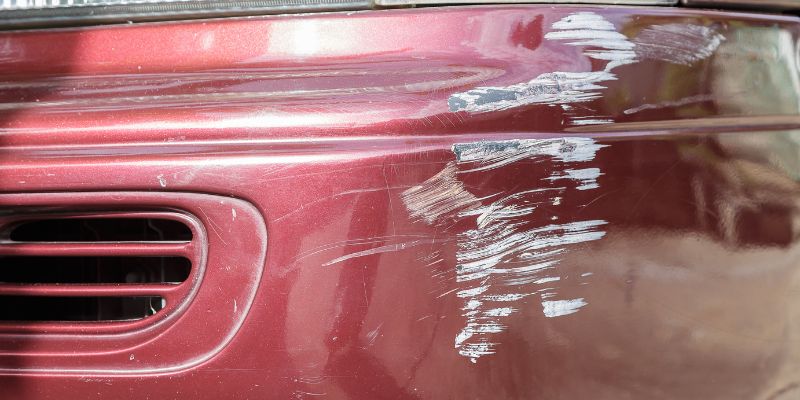
The clear coat is what gives your car that shiny, showroom look. But it’s also the layer most at risk when you use something abrasive like a Magic Eraser. I learned this the hard way when I noticed a dull spot on my car’s hood after trying to scrub off some tree sap. The clear coat took the hit, and it wasn’t pretty. Knowing how delicate these layers are helped me understand why we need to be cautious with tools like Magic Erasers.
Can a Magic Eraser Damage Car Paint?
Here’s the million-dollar question: will a Magic Eraser damage your car’s paint? The short answer is yes, it can. The melamine foam in a Magic Eraser is abrasive, even when used gently. It’s like using very fine sandpaper—somewhere between 3000 to 5000 grit, depending on how hard you scrub. While that might sound mild, car paint, especially the clear coat, is sensitive. Scrubbing with a Magic Eraser can cause micro-scratches, swirl marks, or dullness, especially if you press too hard or use it dry.
I tested this on an old junkyard car door I had lying around (don’t worry, I didn’t experiment on my daily driver!). I wet the Magic Eraser, scrubbed lightly, and sure enough, the paint looked duller where I used it. Under direct sunlight, I could see faint swirl marks. It wasn’t catastrophic, but it was enough to make me think twice about using it on my actual car. The damage might not be obvious right away, but over time, those micro-scratches can make your paint look hazy and less vibrant.
When Might a Magic Eraser Be Okay to Use?
Now, I’m not saying you should never use a Magic Eraser on your car. There are situations where it might work without causing major damage, but you have to be really careful. Here’s when it could be okay:
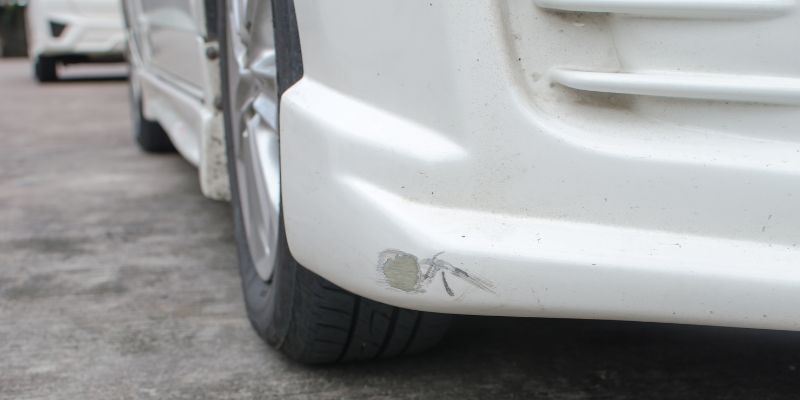
- Paint Transfer or Scuff Marks: If someone’s bumper grazed your car and left a paint transfer, a Magic Eraser might lift it off. I’ve had success with this on small marks, but I used very light pressure and lots of water.
- Stubborn Contaminants: Things like tree sap or bug splatter that won’t come off with regular washing might respond to a Magic Eraser. Again, go easy and test first.
- Non-Painted Surfaces: Magic Erasers can be great for cleaning wheels, tires, or unpainted plastic trim, where abrasion isn’t as big a concern.
The key is to always wet the eraser, use minimal pressure, and test it on a small, hidden area first—like under the trunk lid or near the bumper. I tried it on my car’s plastic bumper trim, and it worked like a charm without any visible damage. But on painted surfaces? I’d proceed with extreme caution.
How to Use a Magic Eraser Safely on Your Car
If you decide to use a Magic Eraser, here’s how to minimize the risk of damage. I’ve learned these tips through trial and error, and they’ve saved me from making costly mistakes:
- Clean the Area First: Wash the car with a pH-balanced car shampoo to remove dirt and debris. You don’t want to grind tiny particles into the paint while scrubbing.
- Dampen the Eraser: Never use a dry Magic Eraser—it’s too abrasive. Squeeze out excess water so it’s just damp.
- Test in a Hidden Spot: Try it on a small, inconspicuous area to see how your paint reacts. I always test on a spot no one will notice, like inside the door jamb.
- Use Light Pressure: Gently glide the eraser over the stain. Don’t scrub like you’re cleaning a stubborn pot.
- Rinse and Dry: After using the eraser, rinse the area thoroughly and dry it with a microfiber towel to prevent water spots.
- Polish and Wax: If you notice any dullness, use a polishing compound to restore the shine, followed by a wax to protect the paint.
I can’t stress enough how important it is to be gentle. The first time I used a Magic Eraser, I got carried away scrubbing a scuff mark, and I ended up with a hazy patch that took some serious polishing to fix. Learn from my mistake—less is more!
What to Do If You’ve Already Damaged Your Paint
So, what if you’ve already used a Magic Eraser and noticed some damage? Don’t panic—I’ve been there. If the damage is minor, like light swirl marks or dullness, you might be able to fix it yourself. Here’s what I did when I accidentally dulled a spot on my car:
- Assess the Damage: Run your fingernail over the affected area. If it catches, the scratch is deep, and you’ll need professional help. If it’s smooth, you can likely fix it at home.
- Polish the Area: Use a polishing compound with a microfiber cloth or a dual-action polisher. I used Meguiar’s ScratchX 2.0, applying it in circular motions until the haze started to fade.
- Apply Wax: After polishing, apply a coat of car wax to restore the shine and protect the paint. I love using a ceramic spray wax for extra durability.
- Consider Professional Help: If the damage is severe, like deep scratches or a large dulled area, take your car to a professional detailer. They have the tools to do a full paint correction.
When I messed up my hood, a good polish and wax brought it back to life, but it took time and effort. If you’re not confident, a detailer can save you a lot of stress.
Safer Alternatives to Magic Erasers for Car Cleaning
After my experiments with Magic Erasers, I started looking for safer ways to clean my car. There are plenty of products designed specifically for automotive use that won’t harm your paint. Here are my favorites:
| Method/Product | Best For | Why I Like It |
|---|---|---|
| Microfiber Cloth + Car Wash Soap | General cleaning | Gentle, effective, and won’t scratch. I use a pH-balanced soap for regular washes. |
| Clay Bar | Removing contaminants like sap or tar | Lifts stuck-on gunk without abrasion. It’s a game-changer for smooth paint. |
| Polishing Compound | Light scratches or swirl marks | Restores shine safely. I keep Meguiar’s ScratchX in my garage for quick fixes. |
| Waterless Wash Spray | Quick clean-ups without a hose | Eco-friendly and safe for paint. Great for touch-ups between washes. |
| Detailing Spray | Enhancing shine and removing light marks | Easy to use and adds a protective layer. I use it for a showroom finish. |
These alternatives have become my go-to tools. For example, I used a clay bar to remove tree sap from my car’s roof, and it worked like a charm without any risk to the paint. If you’re dealing with tough stains, try one of these before reaching for a Magic Eraser.
Where Magic Erasers Shine (Hint: Not on Paint)
While Magic Erasers aren’t the best choice for car paint, they do have their place in auto detailing. I’ve found them super useful for certain tasks:
- Wheels and Tires: They’re great for scrubbing brake dust and grime off rims. I’ve used them on my alloy wheels with no issues.
- Interior Plastics: Magic Erasers can clean scuff marks on door panels, consoles, or dashboards. Just be careful around glossy or coated surfaces.
- Glass: They work well for removing water spots or bug splatter from windows and headlights. I cleaned my foggy headlights with one, and they looked brand new.
- Carpets and Mats: For stubborn stains on floor mats, a Magic Eraser can be a lifesaver. I got a coffee stain out of my car’s carpet with minimal effort.
For these tasks, I still use light pressure and plenty of water to avoid any damage. It’s all about knowing where the Magic Eraser can work its magic without causing trouble.
Common Myths About Magic Erasers and Car Paint
There are a few myths floating around about Magic Erasers and car paint that I want to clear up. I’ve heard these from friends and online forums, and they can lead to costly mistakes:
- Myth 1: Magic Erasers Are Completely Safe: Nope! They’re abrasive, and even gentle use can cause micro-scratches or dullness.
- Myth 2: They Can Remove Deep Scratches: Magic Erasers might help with surface marks, but deep scratches need professional attention or a polishing compound.
- Myth 3: Wetting the Eraser Makes It Harmless: While water reduces abrasiveness, it doesn’t eliminate the risk. You still need to be cautious.
- Myth 4: Damage Is Always Visible Right Away: Sometimes, the dullness or swirl marks only show up in sunlight or after a wash. I learned this the hard way!
Busting these myths helped me make smarter choices about cleaning my car. Knowledge is power, right?
Tips to Protect Your Car’s Paint Long-Term
After my Magic Eraser mishap, I got serious about protecting my car’s paint. Here are some habits I’ve adopted to keep my ride looking pristine:
- Wash Regularly: Use a two-bucket method with a pH-balanced car shampoo to prevent dirt buildup.
- Wax or Seal: Apply wax or a ceramic coating every few months to protect the clear coat. I wax my car every three months, and it makes a huge difference.
- Use Microfiber: Always use soft microfiber towels for washing and drying. They’re gentle and effective.
- Avoid Harsh Tools: Stick to automotive-specific products and avoid household cleaners like Magic Erasers on painted surfaces.
- Park Smart: Park in the shade or a garage to protect your paint from UV rays and tree sap.
These habits have kept my car’s paint looking showroom-ready, even after years of driving. It’s all about prevention and using the right tools.
My Final Thoughts on Magic Erasers and Car Paint
After experimenting, researching, and learning from my mistakes, I’ve come to a clear conclusion: Magic Erasers are not the best choice for cleaning car paint. While they can work for specific tasks like removing paint transfer or cleaning non-painted surfaces, the risk of damaging your car’s clear coat is real. I’ve seen firsthand how a moment of enthusiasm can lead to swirl marks and dullness, and it’s not worth the hassle. Instead, I stick to safer alternatives like clay bars, microfiber cloths, and polishing compounds. They get the job done without the risk.
Your car’s paint is like its skin—it needs care and attention to stay healthy. By understanding the risks of tools like Magic Erasers and choosing automotive-specific products, you can keep your vehicle looking its best for years to come. So, next time you’re tempted to grab that Magic Eraser for a stubborn stain, pause and consider a gentler option. Your car will thank you, and you’ll love that mirror-like shine every time you hit the road.
Frequently Asked Questions
Can I use a Magic Eraser on my car’s interior?
Yes, you can use a Magic Eraser on certain interior surfaces like plastic dashboards, consoles, or carpets. I’ve used it to clean scuff marks off my door panels, and it worked great. Just be careful around leather or glossy surfaces, as it can remove coatings or dull the finish. Always test in a small area first.
Will a Magic Eraser remove scratches from car paint?
It might help with very light surface scratches or paint transfer, but it’s not a fix for deep scratches. I tried it on a small scuff, and it reduced the mark but left the area slightly dull. For scratches, a polishing compound or professional detailing is a better bet.
How can I fix paint damage from a Magic Eraser?
If you’ve caused minor dullness or swirl marks, try polishing the area with a product like Meguiar’s ScratchX and a microfiber cloth. I did this on my car, and it helped restore the shine. For deeper damage, consult a professional detailer for paint correction.
Are there car-specific Magic Erasers?
Some brands sell Magic Erasers labeled for automotive use, like for wheels or tires. I’ve used these on my rims, and they’re effective for brake dust. But even these should be used cautiously on painted surfaces, as they’re still abrasive.
What’s the best way to clean tree sap off my car?
I’ve had success with a clay bar and lubricant for tree sap—it’s safer than a Magic Eraser. Soak the sap in warm, soapy water first, then gently use the clay bar. Follow up with wax to protect the paint. It’s a bit more work, but it’s worth it to avoid damage.