Will’s Auto Service Austin: What to Expect and How to Prepare
You notice a small vibration when braking at 45 mph. Or maybe the check engine light flickered on during your morning commute. The first thought is usually about cost and time. You need a shop that won’t talk down to you, won’t pad the bill, and will actually fix the problem the first time.
This article walks through what you should know before visiting Will’s Auto Service Austin, how to prepare your vehicle for a smoother appointment, and where a few DIY repairs make sense. You’ll also see a comparison of common repair options so you can walk in with confidence and leave with a clear head.
MCCKLE
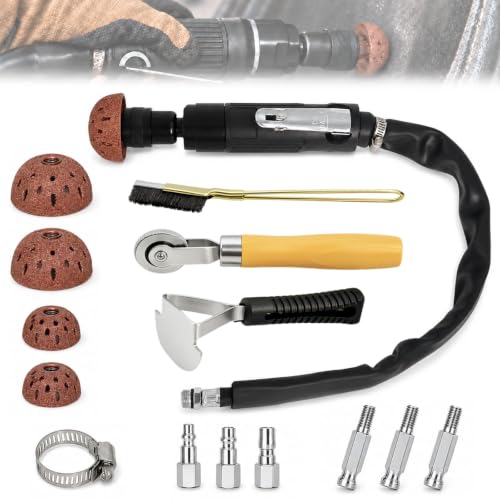
MCCKLE Air Tire Repair Polish Patch Kit…
- 【Complete Tire Repair Kit】This professional tire repair kit for efficient tire patching and maintenance: 1 x heavy-duty grinder, 1…
- 【Durable Tungsten Steel Grinding Heads】Our tire patch tools feature 4 high-quality tungsten steel grinding heads (40mm & 55mm) for…
- 【Adjustable Speed & Low-Noise Operation】The 2500 RPM low-speed air buffer comes with a platen start/stop switch and adjustable spe…
One tool that makes a real difference in tire maintenance is the MCCKLE Air Tire Repair Patch Kit. It’s an air-powered buffer that preps the inner liner properly before a patch goes on. If you handle your own tire patches, this kit saves you from the worst part of the job: grinding the surface by hand.
What Kind of Work Does Will’s Auto Service Austin Handle?
Most independent shops in Austin handle the same core services: oil changes, brake pads, alternators, starters, suspension work, and diagnostic scans. Will’s Auto Service fits that profile. They’re the kind of shop where a technician actually listens to your description of the noise before plugging in a scanner.
You’ll find they focus on routine maintenance and common repairs rather than exotic rebuilds. That’s a good thing. A shop that does 50 different things rarely does any of them well. Expect straightforward work on everyday vehicles—Hondas, Toyotas, Fords, Chevys, and the occasional European car that hasn’t become a money pit yet.
One thing to know: independent shops like this often have shorter wait times than dealerships. You can usually get an appointment within a few days, and the labor rate will be lower than what a dealer charges. The trade-off is that they may not have the specialized diagnostic equipment for brand-specific issues. For most repairs, that doesn’t matter.
How to Prepare Your Vehicle for the Appointment
Preparation saves you money. Here’s what to do before you drop the car off.
- Write down the symptoms. Include when it happens, what speed, what weather, and whether the noise changes when you turn. Vague descriptions lead to longer diagnostic time.
- Check your owner’s manual. Know your service intervals. If you’re due for a 60,000-mile service, mention that. The shop can bundle inspections and save you a second trip.
- Clean out the car. Technicians need to move seats, access panels, and sometimes crawl under the dash. A car full of clutter slows them down.
- Remove valuables. Shops aren’t responsible for items left in the car. Take your laptop, mail, and loose change.
- Ask for a written estimate before work begins. Good shops provide this without hesitation. If they won’t, that’s a red flag.
Pro tip: take a photo of your dashboard showing the warning lights before you drop the car off. That way you have proof of what was on when it arrived.
DIY vs. Professional Repair: Where to Draw the Line
Some jobs are genuinely easy. Others look easy but require tools you don’t own and experience you haven’t built. Here’s a practical breakdown.
Oil changes, air filter replacements, and battery swaps are DIY-friendly. You need basic hand tools, a jack, and about an hour. The savings are real—usually 30-40% compared to shop labor.
Brake pads are borderline. If you’ve done them before, go for it. If not, the risk of a caliper bolt seizing or a brake line snapping isn’t worth the savings. A shop charges around $150-250 in labor for a full axle, and they’ll spot issues you’d miss.
Anything involving the transmission, engine internals, or electrical systems belongs in a shop. These jobs need specialized tools, factory service manuals, and diagnostic software. Attempting them without the right equipment often turns a $500 repair into a $2,000 one.
Tire patching sits somewhere in the middle. A simple nail hole near the center of the tread is patchable. You need to remove the tire from the rim, grind the inner liner, apply the patch, and reinstall. That’s doable at home with the right tools. The MCCKLE Air Tire Repair Patch Kit includes the buffer, grinding heads, and roller needed for a clean patch job. It runs at 2500 RPM, which is fast enough to rough up the liner without burning the rubber.
Comparing Repair Options: Shops, Dealers, and DIY
| Option | Labor Cost | Turnaround Time | Best For | Downside |
|---|---|---|---|---|
| Independent shop (Will’s Auto Service Austin) | $80-120/hr | 1-3 days | Routine maintenance, brakes, suspension, diagnostics | May lack brand-specific tools |
| Dealership | $130-180/hr | 3-7 days | Warranty work, recalls, brand-specific electronics | Highest cost, upselling common |
| DIY | Parts only | Weekend | Oil changes, filters, battery, tire patches | Requires tools, experience, and time |
| Mobile mechanic | $60-100/hr | Same day | Starter replacements, alternators, battery swaps | Limited to jobs that don’t need a lift |
Numbers vary by shop and vehicle, but this gives you a realistic baseline. The key takeaway: independent shops offer the best balance of cost and capability for most drivers. Dealerships make sense only when you’re under warranty or need proprietary diagnostics.
Five Questions People Ask About Will’s Auto Service Austin
Do I need an appointment, or can I walk in?
Call ahead. Most independent shops in Austin accept walk-ins for oil changes but prefer appointments for anything diagnostic. A quick phone call saves you from sitting in a waiting room for two hours. If you have a specific noise or warning light, schedule a diagnostic slot.
Will they use aftermarket parts or OEM?
Ask when you get the estimate. Many shops default to aftermarket parts to keep costs down, but they’ll install OEM if you request it. The difference matters for sensors and suspension components. Aftermarket parts are fine for brake pads and rotors, but stick with OEM for anything electronic.
How long does a typical repair take?
Brake pads take 2-3 hours. An alternator takes 3-4 hours. A diagnostic scan takes 30-60 minutes. Most shops quote a day for any job that requires ordering parts. If they say “we’ll have it ready tomorrow,” they mean it. If they say “we’ll call you,” expect 2-3 days.
Can I bring my own parts?
Some shops allow it, but don’t expect a warranty on the labor. If you bring a cheap alternator and it fails, you’ll pay labor twice. The shop makes a small margin on parts, so they prefer to source their own. If you have a specific brand in mind, discuss it during the estimate.
What should I do if the repair doesn’t fix the problem?
Call the shop immediately. Reputable shops stand behind their work. They’ll re-diagnose at no charge if the original issue persists. Keep your receipt and any paperwork. If they refuse to help, file a complaint with the Texas Department of Motor Vehicles. That usually gets attention fast.
Three Mistakes That Cost You Money
First, ignoring small issues. That minor oil leak turns into a $1,200 engine repair if you let it go. Fix small things when they’re small.
Second, choosing the cheapest quote without checking the shop’s reputation. A low labor rate means nothing if the technician doesn’t torque your lug nuts. Look at reviews and ask for references.
Third, attempting a repair you’re not equipped for. A friend with a socket set is not a mechanic. If you have to borrow three tools, you’re in over your head. Pay the shop and save yourself the frustration.
For those who do tackle their own tire work, the MCCKLE Air Tire Repair Patch Kit is worth a look. It’s not a toy—the tungsten steel grinding heads hold up to real use, and the adjustable speed keeps you from gouging the liner. Check the current price on Amazon if you’re interested.
If you’re comparing shops in other cities, the same principles apply. A reliable independent shop in Windsor or anywhere else will follow the same preparation steps. And if you’re dealing with a specific repair, a transmission service guide can help you understand what the shop is doing.
One last piece of advice: build a relationship with your mechanic. The shop that knows your car’s history will catch problems early and give you honest advice. That relationship is worth more than any coupon or loyalty program.
Products related to this article
Sponsored / affiliate links. As an Amazon Associate I earn from qualifying purchases. I may earn additional commission from eligible campaigns.