A Suspension System Keeps The Car Stable During What?
A suspension system keeps the car stable during bumps, turns, and uneven road surfaces by controlling the up and down motion of the wheels. It also helps keep the tires in contact with the ground for better control and a smoother ride.
The Magic of a Stable Ride: How Your Car’s Suspension Works
Think about all the things a car goes through. It hits bumps. It turns corners.
It slows down and speeds up. All these actions push and pull the car. Your car’s suspension system is designed to manage these forces.
It does this in a few key ways.
First, it absorbs the shock from bumps. Imagine driving over a pothole. Without good suspension, you’d feel a huge jolt.
The suspension system cushions this impact. It stops most of that harshness from reaching you inside the car.
Second, it keeps your wheels on the road. This is super important. When your tires have good contact with the ground, you have better steering.
You also have better braking. The suspension helps ensure your tires don’t bounce too much. They stay planted.
Third, it helps the car handle turns. When you turn, your car wants to lean. The suspension works to reduce this lean.
This helps you feel more in control. It makes the drive feel more predictable.
My Own Wobbly Wheel Moment: A Tale of Unexpected Jitters
I remember one time driving home late. It was pouring rain, and the road ahead looked like it was covered in little dark puddles. I hit one, and my steering wheel suddenly felt… weird.
It wasn’t a hard bump, more like a strange, vibrating looseness. My heart did a little jump. I slowed down, gripping the wheel tighter.
Was my car okay? This was exactly the kind of unstable feeling I hated.
I pulled over when I could, peering under the car in the dim streetlights. Nothing looked obviously broken. But the feeling stuck with me.
It made me realize how much I rely on my car feeling solid. That wobbly sensation was a direct sign that something in the suspension wasn’t doing its job right. It made me appreciate the constant, unseen work the suspension does for us.
Key Suspension Parts at a Glance
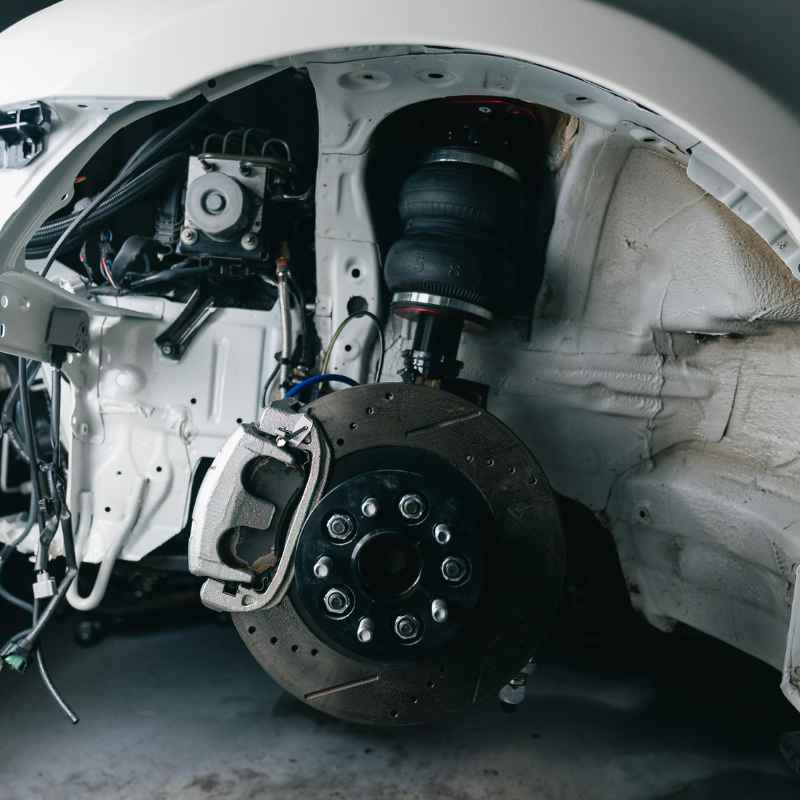
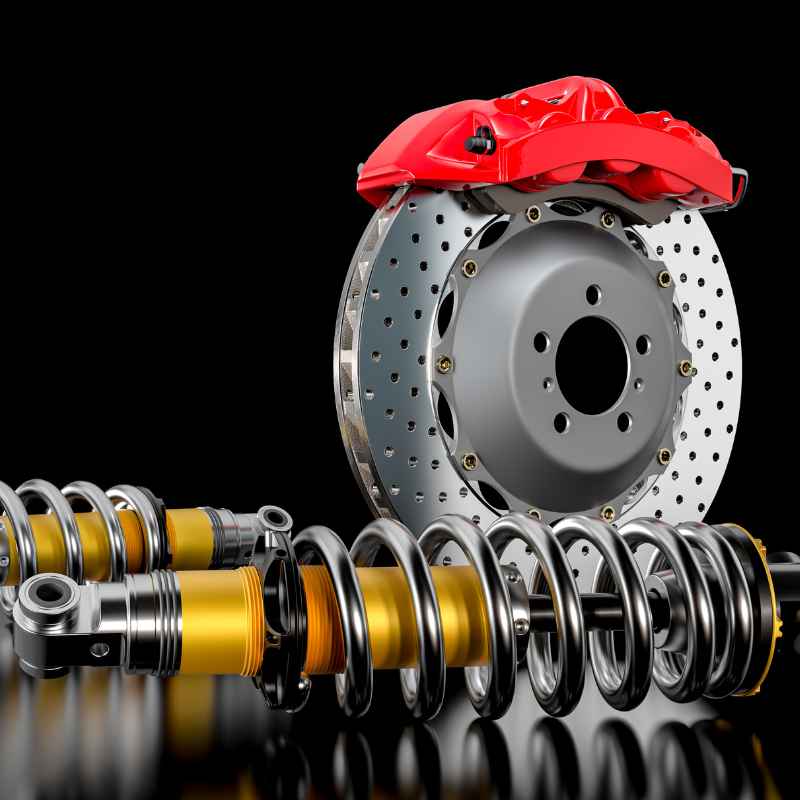
Springs: These soak up the bumps. They compress and expand.
Shock Absorbers (or Struts): These control the bouncing of the springs. They stop the car from rocking too much.
Control Arms: These connect the wheels to the car’s frame. They let the wheels move up and down.
Ball Joints: These allow for smooth turning and pivoting of the wheels.
The Science Behind Smoothness: How Components Team Up
Your car’s suspension isn’t just one thing. It’s a team of parts working together. They all have a role in keeping the car stable.
Springs are the first line of defense. Think of them like the springs in your mattress. When a wheel hits a bump, the spring compresses.
This takes the force away from the car’s body. Different cars have different types of springs. Some use coil springs, which look like a coiled metal rod.
Others use leaf springs, which are like stacked metal strips.
But springs alone can make a car bouncy. Imagine a pogo stick. That’s what a car would feel like with just springs.
This is where shock absorbers (or struts) come in. Their job is to dampen the spring’s movement. They use fluid to slow down the bouncing motion.
This stops the car from rocking back and forth for too long after hitting a bump.
Control arms are like the arms that connect your shoulders to your elbows. They attach the wheel assembly to the car’s frame. These arms allow the wheels to move up and down freely.
But they also control how the wheel moves. This keeps the wheel aligned correctly.
Ball joints are crucial for steering. They act like a ball and socket. This lets the wheel assembly pivot.
It lets you turn the steering wheel and have the car respond. Without smooth ball joints, steering would be stiff or uneven.
All these parts work in harmony. Springs absorb the initial impact. Shocks control the rebound.
Control arms and ball joints ensure the wheel stays properly positioned and can steer.
Quick Check: Understanding Your Shocks
What to look for: Bounce test. Push down hard on each corner of your car. If it bounces more than once or twice, your shocks might be worn.
What else? Look for leaks. Oil on the outside of the shock absorber means it’s likely bad.
Real-World Roads: Where Stability Truly Shines
Think about driving in different places. On a smooth highway, you barely notice the suspension. It’s doing its job so well you forget it’s there.
But the real test comes on rougher roads.
Consider a gravel road. There are many small, uneven bumps. Your suspension system works constantly to smooth these out.
It keeps the tires on the gravel, giving you traction. It prevents every single tiny pebble from rattling your teeth.
Now imagine a city street with speed bumps. You might slow down, but the suspension still handles the sudden upward movement. It stops the car from feeling like it’s leaping into the air.
It absorbs the impact before it jolts everyone inside.
Even in a parking lot, the suspension plays a role. When you turn your steering wheel, the suspension allows for that movement. It ensures the wheels can angle correctly.
This makes parking maneuvers much easier and more controlled.
The design of the suspension also matters. A sports car might have a stiffer suspension. This is to give the driver more feedback and control during fast turns.
A family SUV might have a softer suspension. This prioritizes passenger comfort on long trips.
Suspension Styles Compared
- Independent Suspension: Each wheel moves on its own. Better for comfort and handling.
- Dependent Suspension: Wheels are connected by a solid axle. Simpler, often found on older trucks or some rear axles.
When is Stability a Concern? Signs Your Suspension Needs a Look
Most of the time, your suspension just works. But sometimes, it needs attention. You might notice a few things.
Excessive Bouncing: Like I mentioned, if your car keeps bouncing after hitting a bump, the shock absorbers might be failing. This means less control.
Sinking Corner: If one corner of your car seems to sag lower than the others, a spring might be broken or weak. This affects how the car sits and handles.
Noisy Rides: Clunking, rattling, or squeaking sounds when you go over bumps or turn can point to worn parts. A loose component can make a lot of noise.
Uneven Tire Wear: If your tires wear out in strange patterns, like only on the edges or in the middle, it can be a sign of alignment issues. Suspension problems often cause alignment problems.
Poor Handling: If your car pulls to one side, feels loose, or drifts in corners, your suspension might be compromised. This is a safety issue.
Longer Braking Distances: When suspension parts wear out, they can’t keep the tires firmly on the road. This means your brakes might not work as effectively. You might notice it takes longer to stop.
It’s wise to pay attention to how your car feels. If something changes, it’s worth checking out. You don’t want a small problem to become a big one.
Simple Tips for a Happier Suspension
While you can’t do major suspension work yourself without tools and knowledge, there are a few things you can do.
- Drive Gently: Avoid hitting potholes or curbs whenever possible. Slow down for speed bumps and rough patches. This is the easiest way to reduce stress on your suspension.
- Regular Check-ups: When you get your oil changed, ask your mechanic to give the suspension a quick look. They can spot small issues before they grow.
- Proper Tire Inflation: Make sure your tires are inflated to the correct pressure. This helps them work better with the suspension system.
- Don’t Overload: Carrying too much weight puts extra strain on your springs and shocks. Stick to your car’s weight limits.
Myth vs. Reality: Suspension Edition
Myth: If my car isn’t making noise, the suspension is fine. Reality: Many suspension problems, like worn shocks, don’t always make noise at first. They can affect handling before noise starts.
Myth: All suspension parts last forever. Reality: Suspension components wear out over time, especially springs and shocks. They are subject to constant stress.
Common Questions About Car Stability and Suspension
What does a suspension system do to keep a car stable?
A suspension system keeps a car stable by absorbing shocks from bumps, controlling wheel movement, and ensuring tires stay in contact with the road. This allows for better control during driving, turning, and braking.
How do shock absorbers help maintain car stability?
Shock absorbers dampen the bouncing motion of the springs. They use fluid to slow down the springs’ compression and extension. This prevents the car from rocking excessively, keeping it stable and controlled.
Can tire pressure affect how stable my car feels?
Yes, tire pressure is important. Underinflated tires can feel soft and less responsive, making the car feel less stable. Overinflated tires can make the ride harsher and reduce grip, also impacting stability.
What are the main components of a car’s suspension system?
The main parts include springs (like coil springs or leaf springs) to absorb impacts, shock absorbers or struts to dampen movement, control arms to connect wheels to the frame, and ball joints for steering and pivoting.
When should I be concerned about my car’s suspension?
You should be concerned if you notice excessive bouncing, strange noises like clunking or squeaking over bumps, uneven tire wear, or if the car pulls to one side or feels unstable when turning.
Does the suspension system affect steering and braking stability?
Absolutely. A properly functioning suspension system keeps the tires firmly on the road, which is essential for effective steering and braking. Worn suspension can lead to reduced grip and longer stopping distances.
Wrapping Up: Trusting Your Car’s Foundation
Your car’s suspension is a vital system. It works hard to keep you safe and comfortable. By understanding its parts and signs of wear, you can ensure it stays reliable.
A stable car is a safer car. It makes every drive more enjoyable.
Products related to this article
Sponsored / affiliate links. As an Amazon Associate I earn from qualifying purchases. I may earn additional commission from eligible campaigns.