AC and Heat Running Together in a Car: Is That Normal?
Yes, it is normal for a car’s AC and heater to run at the same time. Most automatic and dual-zone climate systems do this on purpose: running the AC compressor while the heater core is warm pulls moisture out of the air, which is what actually clears a foggy windshield in a couple of minutes instead of ten.
If you’ve ever noticed the compressor kick on the moment you hit “defrost,” or wondered why the dash shows both a red and a blue indicator lit up in winter, this article explains what’s actually happening under the hood, when it’s genuinely a problem instead of normal operation, and how to keep both sides of the system working well.
Why Do the AC and Heat Run at the Same Time in a Car?
BEST FOR RESTORING WEAK AC/HEAT AIRFLOW
 |
Spearhead Breathe Easy AC & Heater Cabin Air Filter – $11.97 A clogged cabin filter is one of the most common, cheapest-to-fix reasons AC and heat both feel weak; this filter swaps in without tools in most cars.
|
Warm air holds far more moisture than cold air. When humid cabin air touches a cold surface, like the inside of your windshield on a rainy or cold morning, that moisture condenses out as fog. Blasting the heater alone doesn’t fix this because hot air can hold even more water, it just delays the fog. The AC compressor is what actually removes the moisture, by cooling air below its dew point as it passes over the evaporator, so the water condenses out inside the AC unit instead of on your glass.
Most manufacturers wire the defrost setting to automatically switch the AC compressor on for exactly this reason, even in the dead of winter. The heater then warms that newly dried air back up before it reaches the vents, using a set of motorized blend doors that mix cold, dry air from the evaporator with hot air from the heater core. In a car with automatic or dual-zone climate control, the computer runs both systems together almost constantly, adjusting the blend doors on the fly to hit the temperature you set. Seeing the compressor cycle on while the heat is up is a sign the system is working correctly, not a fault.
How AC-Assisted Heat Works in a Car
A car actually runs two separate loops to control cabin temperature, and they only meet at the blend doors. The air conditioning side uses refrigerant: a compressor pressurizes it, sends it through a condenser to release heat, then through an expansion valve into the evaporator, where it absorbs heat and moisture from the cabin air passing over it. The heating side is simpler and runs off the engine itself; hot coolant is routed through a small radiator called the heater core, and air blown across its fins comes out warm.
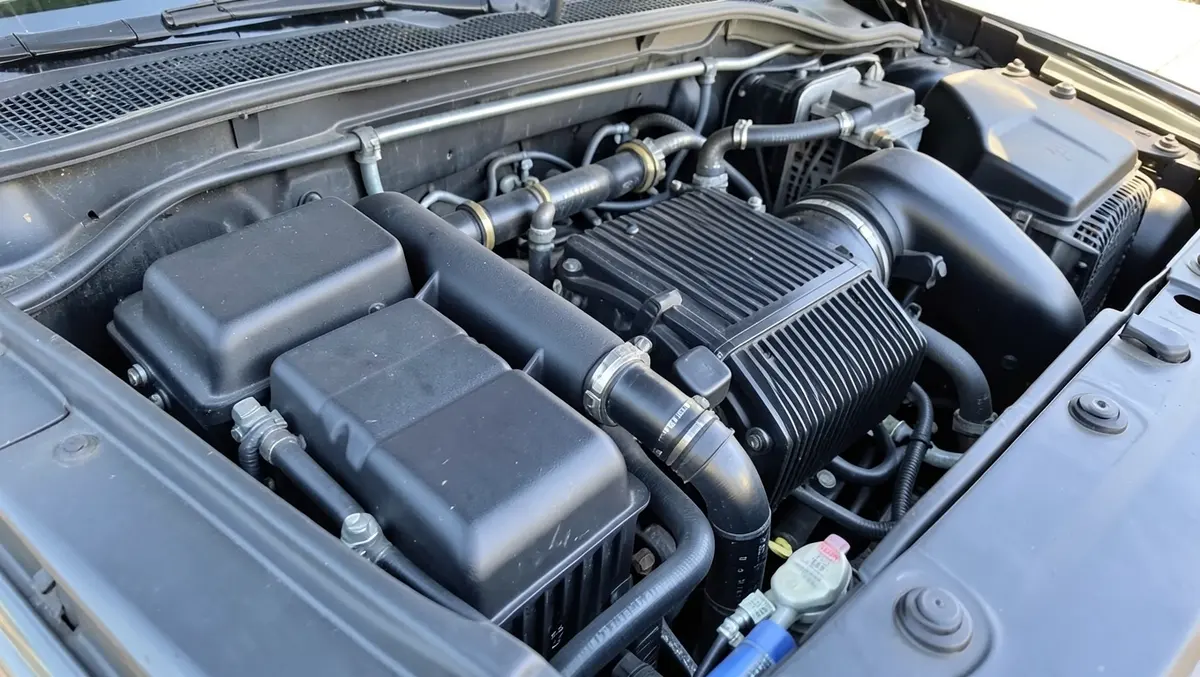
Because the heater core depends on engine coolant, it needs the engine to already be warm to blow hot air, which is why heat feels weak for the first minute or two on a cold start. The AC side, on the other hand, can start cooling and drying air almost immediately once the compressor engages. Blending the two lets the car deliver dry, temperature-controlled air well before the engine has fully warmed up.
Benefits of Running AC and Heat Together
The most obvious benefit is speed: a car that runs AC alongside heat clears a foggy or icy windshield noticeably faster than heat alone, which matters most on the exact mornings you’re already running late. Drier cabin air is also more comfortable on damp, humid days in any season, not just winter, since it cuts down on that clammy feeling long before the windows fog.
Running the compressor regularly, even briefly in winter, has a maintenance upside too. AC systems rely on refrigerant oil circulating through seals and O-rings to keep them from drying out and cracking. A compressor that sits unused for months at a time is more likely to develop a slow refrigerant leak by the time summer rolls around, so a car that blends AC into its heat cycle is quietly protecting its own AC system for the next cooling season.
Does Running the AC With the Heater Waste Gas?
Only slightly. The AC compressor is belt-driven or electrically clutched off the engine, so engaging it does add a small mechanical load, typically a fractional hit to fuel economy, far smaller than running the heater’s blower motor on high or driving with the windows down at highway speed. The heater itself costs essentially nothing extra in gas, since it’s just reusing heat the engine was already producing to run.
The one real exception is electric and hybrid vehicles. Without a gas engine constantly making waste heat, many EVs use an electric heating element or a heat pump to warm the cabin, which draws directly from the same battery that powers the wheels. Running AC-assisted heat in an EV can measurably shorten driving range on a cold day, which is why some EVs offer a lower-power “eco” cabin heat mode.
How to Keep Your Car’s AC and Heat System Working Well
Because AC and heat share the same blower, ducts, and blend doors, a problem in one system usually shows up as weak performance in both. A few checks catch most issues early:
- Cabin air filter: a clogged filter restricts airflow to both the AC and the heater, so if vents feel weak on every setting, check this first, most cars need it swapped every 12,000 to 15,000 miles.
- Coolant level: low coolant can cause weak heat even when the AC is fine, since the heater core has less hot fluid to pull from.
- Refrigerant level: low refrigerant is the most common reason the AC blows warm while the heater works normally; a slow leak at an O-ring or hose fitting is the usual cause.
- Belts and hoses: a worn serpentine belt or a cracked refrigerant hose can take out the compressor without affecting the heater at all.
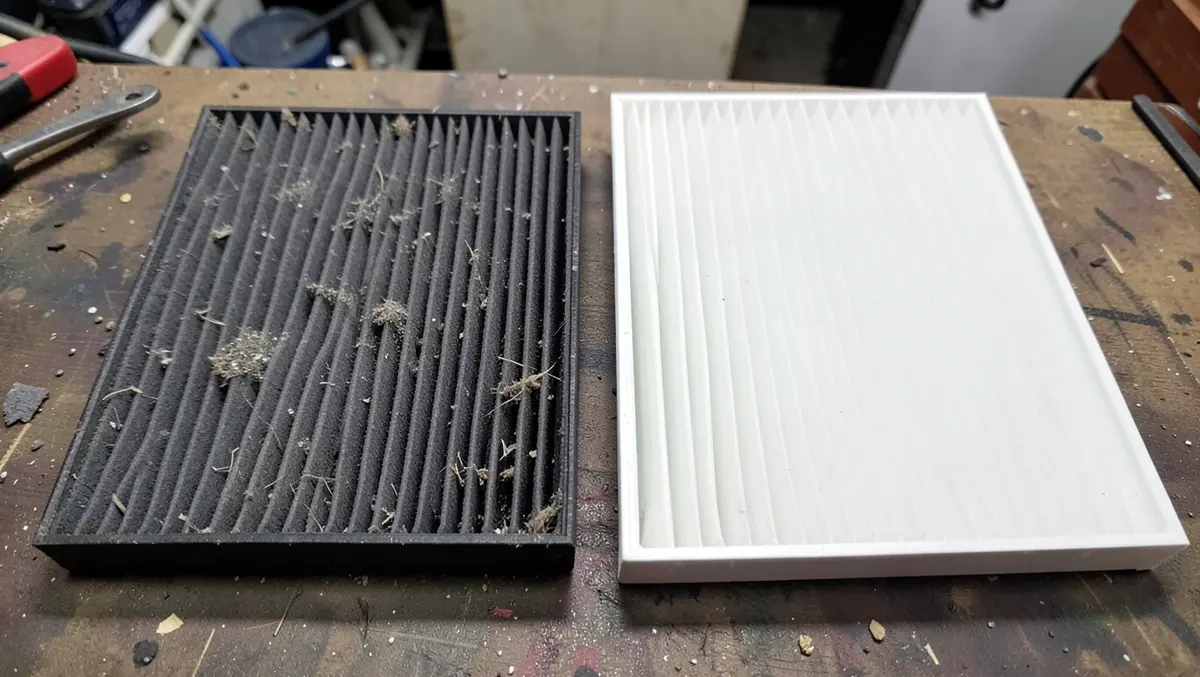
Unusual noises are worth listening for too. A hissing or clicking sound when the AC engages often points to a failing compressor clutch, while a musty smell from the vents usually means mold or debris built up on the evaporator or filter, not a mechanical fault. Either one is worth having a shop look at before it turns into a bigger repair.
Automatic and Dual-Zone Climate Control Explained
Most cars built in the last decade use automatic climate control: you set a target temperature, and the system decides on its own how much AC, heat, and fan speed it takes to reach and hold it, adjusting the blend doors continuously rather than waiting for you to nudge a dial. In practice, that means the AC compressor runs far more often than drivers expect, in every season, simply because it’s the only way the system can dry and cool air before mixing in heat.
Dual-zone and tri-zone systems take this further, giving the driver and front passenger (and sometimes rear seats) independent temperature settings from a shared air supply. Each zone has its own blend door, so one side of the car can run warmer air while the other runs cooler, drier air from the same AC and heater cycle at the same time. That’s a normal function of the hardware, not two separate climate systems fighting each other.
Quick Tips for Using AC and Heat Together
For fast defogging, turn the heat up, turn the AC on, and switch off air recirculation so the system pulls in drier outside air instead of recycling moist cabin air. Once the windows clear, you can back off the AC and keep just the heat running if you’d rather save a little fuel.
In summer, keep the AC on a moderate setting rather than max cold with the fan on high nonstop, it’s easier on the compressor and uses less fuel over a long drive. In any season, keep the windows fully closed while the AC or heat is on so the system isn’t fighting against outside air, and park in shade when you can to cut down on how hard the AC has to work once you start the car.
Frequently Asked Questions
Should You Use AC With Heat in a Car?
Yes, especially for defogging. Running the AC alongside the heater dries the air before it’s warmed, which clears a foggy or icy windshield much faster than heat alone. It’s also how most automatic climate control systems operate by default, so there’s nothing to turn on manually in many cars.
Why Is My Car AC Not Getting Cold?
The most common causes are low refrigerant from a slow leak, a failing compressor or compressor clutch, or a clogged condenser blocking airflow. A dirty cabin air filter can also make the AC feel weak even when the cooling itself is fine. Have a shop check refrigerant pressure and look for leaks if the air stays warm.
Is It Bad to Run AC and Heat at the Same Time?
No, it’s not bad for the car, and most vehicles are designed to do exactly this. Running the compressor periodically, even in cold weather, actually helps by keeping refrigerant oil circulating through the seals, which reduces the chance of a leak developing over a long winter of disuse.
Why Are My AC and Heater On at the Same Time?
In most cars this is normal operation, not a malfunction. Automatic and dual-zone climate control systems run the AC compressor to cool and dry the air, then use motorized blend doors to mix in heat until the cabin reaches your set temperature. Defrost mode is programmed to switch the AC on automatically for the same reason. If the temperature swings on its own without you touching a setting, that can point to a stuck blend door, which is worth having checked.
Does Running AC With Heat Use More Gas?
Only a small amount. The compressor adds a minor mechanical load on the engine, but it’s a much smaller hit to fuel economy than running the AC on max cold with the fan on high. In gas-powered cars, the heater itself is essentially free since it reuses heat the engine already makes. Electric and hybrid vehicles are the exception, since cabin heat draws power from the same battery that drives the wheels.
Conclusion
A car’s AC and heater running together isn’t a glitch, it’s how most automatic climate control systems clear fog and keep the cabin at whatever temperature you set. The only time it’s worth a mechanic’s attention is if the temperature swings unpredictably on its own, the air stays warm with the AC on, or vents feel weak on every setting even after a fresh cabin filter.
For a deeper look at troubleshooting a car AC that isn’t producing heat at all, see our guide on whether the AC button actually helps your heater work better. If your vents just feel weak in general, our breakdown of how long a car’s AC system typically lasts and what a typical AC repair costs can help you plan the next step.
Products related to this article
Sponsored / affiliate links. As an Amazon Associate I earn from qualifying purchases. I may earn additional commission from eligible campaigns.