Should You Disconnect the Battery When Storing a Car for Winter?
For winter storage of under about 30 days, the battery can usually stay connected; for about 30 to 90 days, use a maintainer; for longer storage, disconnect or remove the battery. Skip the wrong setup and you can return to a dead battery, lost settings, or corrosion. This guide explains when to disconnect, when to use a maintainer, and when to take the battery out based on storage length, electronics, and cold weather.
Should you disconnect the battery?


Disconnect the battery when the car will sit long enough for standby current to drain it and when you do not need to preserve settings. For short winter storage, disconnection is often unnecessary. For longer storage, a maintainer or full removal becomes the better choice depending on electronics, battery condition, and temperature exposure.
Winter battery storage decision table
| Storage length | Vehicle type/electronics | Best action | Risk if ignored |
|---|---|---|---|
| 1-2 weeks | Any vehicle with a healthy lead-acid battery and normal clocks, alarm, and module draw | Leave it connected if the battery is fully charged; use a maintainer only if the car is parked in very cold conditions or the battery is older | Low risk, but alarms, modules, and the clock can still draw the battery down |
| 3-6 weeks | Daily drivers, older cars, or vehicles with modest electronics | Use a battery maintainer if power is available; otherwise disconnect the negative terminal | Battery can discharge enough to weaken starting power and raise sulfation risk |
| 2+ months | Any vehicle, especially one with alarm systems or continuous memory draw | Remove the battery or keep it on a smart maintainer in a suitable storage location | Higher chance of deep discharge, sulfation, and cold-weather freeze damage |
| Any length with memory seats or advanced modules | Modern vehicle electronic modules, infotainment, memory seats, ECU learnings | Prefer a maintainer if settings matter; remove the battery only if the manual allows and storage is long | Settings may reset, and some newer vehicles may need dealer reset or reprogramming |
| When settings matter more than convenience | Vehicles with radio presets, clock settings, or learned shift and idle behavior | A smart maintainer beats disconnection | Disconnecting can erase presets and require relearning |
One short rule helps: if the vehicle will sit long enough for standby current to matter, but you want to keep memory settings intact, a maintainer is usually the cleaner answer. If the car will sit for months and no outlet is available, disconnecting or removing the battery is more practical.
When disconnecting helps and when it does not
Disconnecting stops the vehicle’s electrical system from drawing on the battery, because the negative terminal isolates the battery from the vehicle electrical network. It does not stop the battery from self-discharging, and it does not fix a weak battery that is already low on charge.
That distinction matters in winter. Cold weather slows the chemical reactions inside a lead-acid car battery, and a weak or partially charged battery can freeze at a higher temperature than a fully charged one. A disconnected battery that is already weak can still end up damaged in storage.
What cold weather does to the battery
Lead-acid batteries lose charge in storage, and winter storage is a higher-risk scenario for discharge. A fully charged battery is less likely to freeze. A low state of charge raises the chance of permanent damage, especially if the battery sits through repeated cold snaps.
Standby current adds to that problem. Alarms, clocks, and onboard computers keep drawing small amounts of current even with the engine off. If the car sits for weeks or months, that draw can be enough to drain the battery and trigger sulfation.
Picture a sedan parked in an unheated garage for six weeks. If the battery starts at full charge, the risk is far lower than if it was already weak from short-trip driving. The storage time is the same; the outcome is not.
Do you need to disconnect both battery terminals?
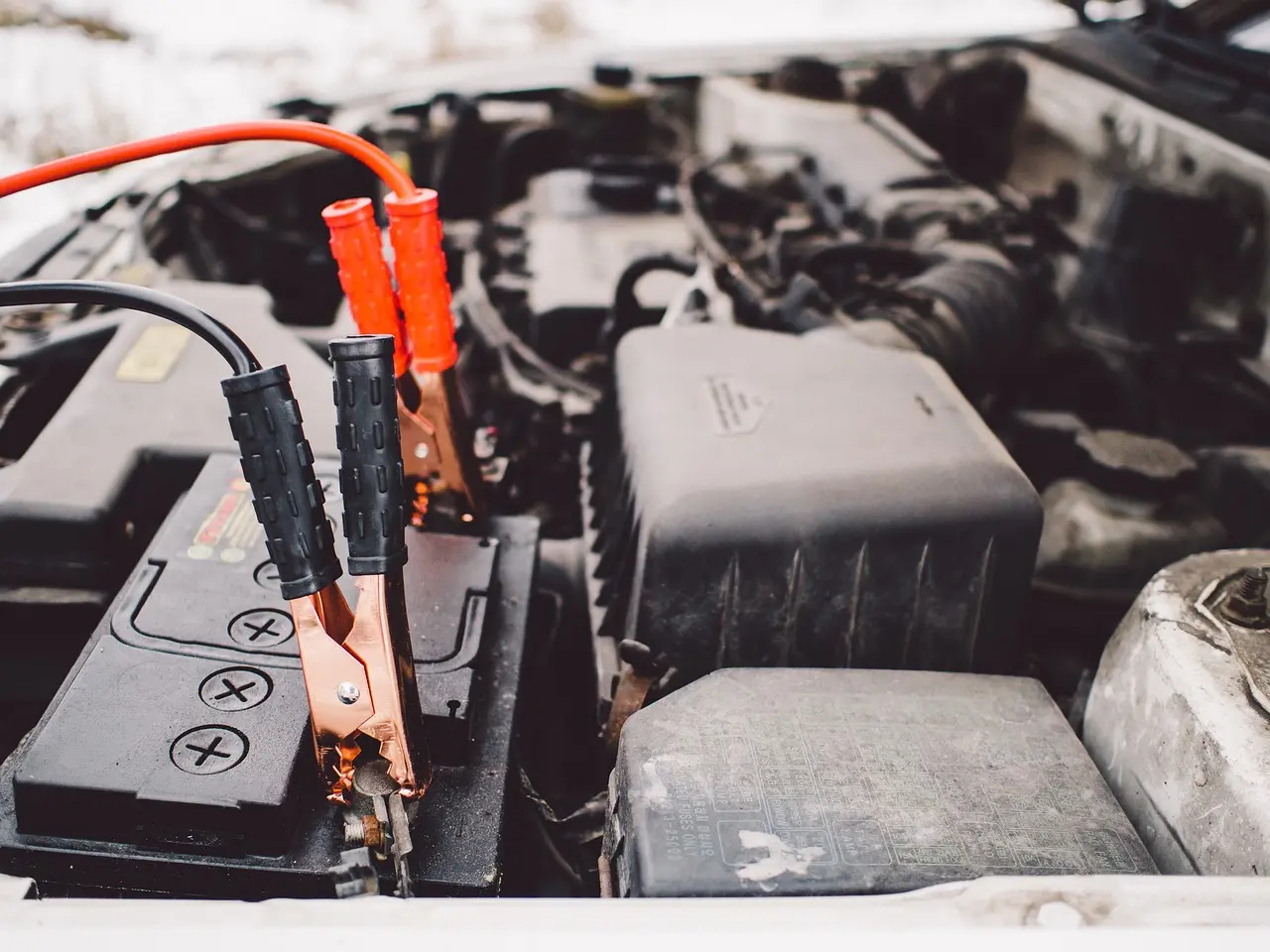
Usually, no. For storage, remove the negative terminal first, because that isolates the battery from the vehicle and lowers the chance of a short if your tool touches metal. If the battery needs full removal, take off the positive terminal after the negative, and reconnect in the reverse order.
Negative terminal first
The negative battery terminal is usually marked with a minus sign. Removing it first breaks the path to ground and makes the rest of the job safer. That sequence is the standard safe removal order for most vehicles.
Positive terminal second
After the negative terminal is off, remove the positive terminal, usually marked with a plus sign. If you are only disconnecting the battery for storage, many vehicles need only the negative cable removed. Full removal is for longer storage or when the battery is moving to a protected storage spot.
Reconnection order
Reconnect the positive terminal first, then the negative terminal. That reverse order keeps the process consistent with the safety sequence used during removal. Follow the vehicle manual and battery product instructions if they call for a different procedure.
When full removal makes sense
Full removal makes sense when the vehicle will sit for a long stretch, the storage area is not suitable for a battery, or the battery is already older and more vulnerable. Car batteries generally last 3-5 years in Michigan’s climate, so age matters when you decide whether to store the battery separately.
A common first-timer mistake is leaving a six-year-old battery connected in a cold barn for the whole winter. That setup combines age, cold, and standby current. None of those helps starting performance in spring.
- Shut the vehicle off and remove the key or keep the key away from the car.
- Wear gloves and eye protection before touching the battery.
- Disconnect the negative terminal first.
- If full removal is needed, disconnect the positive terminal next.
- Store the battery in a cool, dry place with stable temperatures.
- Reinstall it in reverse order: positive first, then negative.
When a maintainer is the better choice
A battery maintainer is often the better choice when you want to preserve radio presets, memory seats, clock settings, or other module memory. A maintainer keeps a battery at optimal voltage without overcharging, and smart maintainers adjust charging rate based on voltage and temperature.
Keeping radio presets and module memory
Modern vehicle electronic modules can lose radio presets, seat memory, clock settings, and some onboard diagnostics when power is removed. Some newer vehicles may also need dealer reset or reprogramming after battery disconnection. If those settings matter, a maintainer is usually safer than a disconnect.
Smart maintainer vs basic charger
Do not treat every charger the same. A smart battery maintainer monitors voltage and temperature and adjusts its output. That matters during winter storage because temperature swings affect battery behavior, and the goal is to keep the battery topped off, not to keep forcing current into it.
Suppose a crossover sits in a heated garage for five weeks. If it has memory seats and a navigation system, and the owner wants every setting left intact, a smart maintainer is a better fit than simply pulling the negative cable.
Where to place the car during storage
A cool, dry, well-ventilated storage area reduces battery stress and corrosion risk. A favorable storage temperature range for many lead-acid batteries is around 32–60°F. Extreme moisture and heat accelerate corrosion and capacity loss, so location matters as much as the charging plan.
Follow the owner’s manual and the battery product instructions for any maintainer use. If the vehicle specifies a certain connection point or a battery management procedure, use that procedure instead of guessing.
Will disconnecting erase your settings?
Yes, it can. Disconnecting the battery can reset the clock, radio presets, seat memory, and onboard diagnostics. On some newer vehicles, it can also trigger a dealer reset or reprogramming requirement. That is why a maintainer often beats disconnection when the car has more electronics.
Radio presets and clock settings
Basic settings are usually the first things to go. That is annoying, but manageable. What matters more is whether the car also loses seat positions, steering wheel memory, or other stored preferences tied to the vehicle’s modules.
ECU learnings and adaptive systems
Some vehicles need a short relearn period after power loss. Adaptive idle, transmission behavior, and other stored values may need time to settle again. The exact effect depends on the vehicle, which is why the owner’s manual should guide the decision.
When to consult the owner’s manual
Check the manual before disconnecting any newer vehicle, especially one with start-stop systems, multiple modules, or battery monitoring hardware. If the manual says to use a maintainer during storage, that instruction should take priority over a generic winter-storage rule.
How long can a car sit before the battery dies?
There is no single answer because battery health, storage temperature, and vehicle electronics all change the timeline. A healthy battery in a mild garage may sit for a few weeks without trouble. In cold weather, or with heavier standby current, it can die sooner.
Parasitic drain explained
Parasitic drain is the small current draw from systems that stay alive after shutdown, including alarms, clocks, and control modules. That draw continues when the engine is off. If storage stretches into weeks or months, it can pull the battery low enough to cause sulfation.
Why idle storage time matters
The longer the car sits, the more the odds tilt against the battery. Short storage often needs no action beyond a full charge. Longer storage shifts the choice toward a maintainer, disconnection, or removal, depending on how much electronics you need to preserve.
Warning signs the battery needs attention
Slow cranking, dim lights, or a battery that already needs a jump after short sitting periods are warning signs. So is an older battery that has spent time partially charged. In winter, that condition is more serious because cold can freeze weak batteries and make recovery harder.
Frequently asked questions
Should I disconnect my car battery when storing it for the winter?
Usually not for short storage. For winter storage under about a month, you can often leave the battery connected if it is healthy and fully charged. For longer storage, a maintainer or disconnection becomes more useful. The deciding factors are storage time, battery state of charge, and vehicle electronics.
Do I need to disconnect both battery terminals for storage?
Usually, no. Remove the negative terminal first to isolate the battery from the vehicle electrical system. Full removal may call for the positive terminal too, but many storage jobs stop at the negative cable. Reconnect in reverse order if you take both off.
Is it better to remove the battery or leave it connected in storage?
If storage is short and the battery is healthy, leaving it connected can be fine. If storage will last months, or the battery is sitting in a cold, damp place, removing it may be better. If you want to preserve settings, a maintainer is often the best compromise.
Will disconnecting the battery erase my settings?
Yes, it can erase radio presets, clock settings, seat memory, and some onboard diagnostics. On newer vehicles, it may also lead to dealer reset or reprogramming. If those settings matter, use a battery maintainer instead of disconnecting the battery.
Should I use a battery maintainer instead of disconnecting the battery?
Yes, when the vehicle has memory seats, infotainment settings, or other electronics you want to keep. A smart maintainer holds the battery at optimal voltage and adjusts charging based on voltage and temperature. That makes it a better choice than a plain disconnect for many winter storage cases.
Products related to this article
Sponsored / affiliate links. As an Amazon Associate I earn from qualifying purchases. I may earn additional commission from eligible campaigns.