Why Does My Windshield Fog Up When the Heat Is on?
Your windshield usually fogs with the heat on because warm, moist cabin air hits cold glass. If fog gets worse with heat, switch to defrost, turn on A/C, and use fresh outside air. Watch for a sweet smell or greasy film, which can point to a heater-core leak. Ignoring it can cut forward visibility fast and turn a small HVAC fault into a costly repair. This guide shows how to tell normal condensation from a vent-setting problem or a heater-core warning sign.
This guide is part of our Winter Car Care: The Complete Cold-Weather Guide series.
Why heat can fog glass



Fog is condensation, not smoke. It forms when moisture in the air reaches glass that is at or below the dew point of nearby air. Cold glass in damp weather makes that happen fast, and warm, humid cabin air can fog the windshield the moment you turn the heat on. (Illinois)
Why the first few minutes can look worse
Heat alone can make the windshield look worse at first because it warms the cabin air before the glass clears. That warm, humid air then condenses on the colder windshield until the glass temperature rises enough to stay above the dew point. The Physics Van notes that heating air helps evaporate condensation faster, but that improvement is not instant.
That is why a heater can seem to “cause” fog even though it is only exposing a moisture problem already in the cabin. The Illinois answer points to the same pattern: warm, humid air plus a cooler surface causes fogging.
When fog is normal and when it is not
Brief fog after startup can be normal in cold or damp weather. Fog that returns quickly after clearing, covers the whole windshield repeatedly, or comes with coolant smell, low coolant, or overheating points beyond ordinary condensation. Persistent visibility loss needs attention before you keep driving in traffic.
Inside fog or outside fog?
Start by asking where the moisture is forming. Fog can appear on either the inside or outside of the window. Inside fog usually feels different and behaves differently from exterior condensation, and that distinction tells you whether you need a setting change, a wipe of the glass, or a cooling-system check.
Wet-to-the-touch and wiper checks
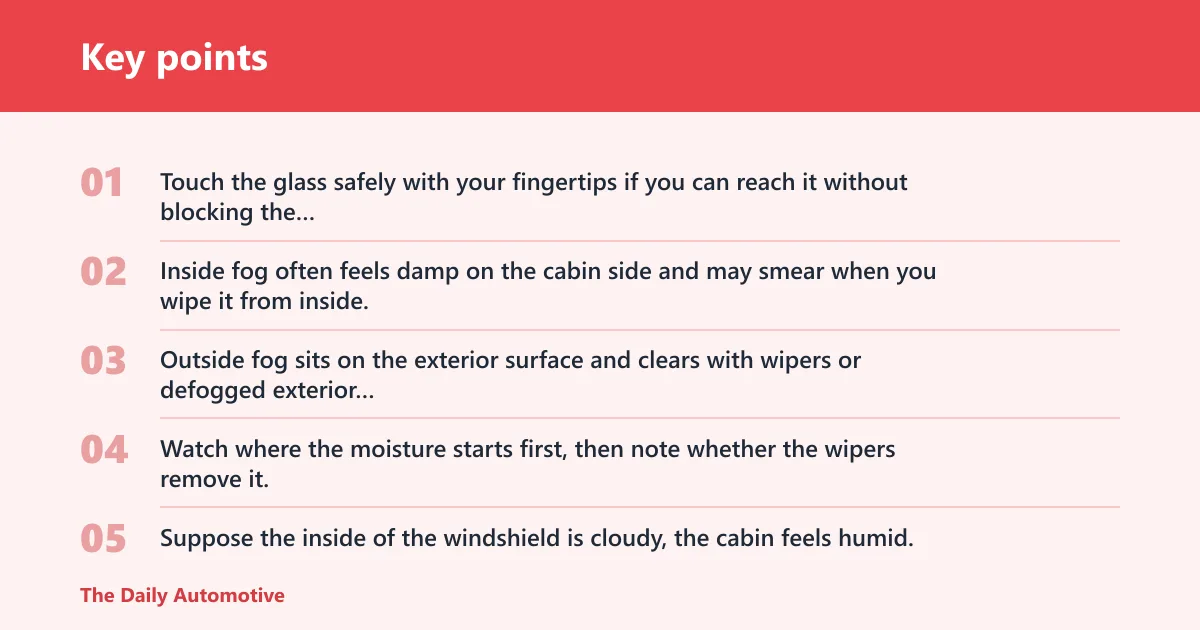
Touch the glass safely with your fingertips if you can reach it without blocking the road view. Inside fog often feels damp on the cabin side and may smear when you wipe it from inside. Outside fog sits on the exterior surface and clears with wipers or defogged exterior airflow. Watch where the moisture starts first, then note whether the wipers remove it.
Suppose the inside of the windshield is cloudy, the cabin feels humid, and the wipers do nothing. That points toward interior condensation. Suppose the outside of the windshield looks hazy on a cool morning, and the wipers clear it quickly. That points toward exterior fog, which can be normal in humid weather.
What each result means
If the moisture is inside, focus on cabin humidity, air mode, and airflow to the glass. If it is outside, the problem is usually surface temperature plus outdoor moisture, and the fix may be as simple as the defroster or the wipers. If the fog keeps coming back with a sweet odor or coolant loss, suspect a heater-core fault.
Windshield fog checklist
Use this checklist in order. Do not jump to parts replacement before checking the cabin settings, the fog location, and the coolant clues. The goal is to separate normal condensation from a setup issue or a heater-core warning sign in a minute or two.
| Check | Yes | No | What it means |
|---|---|---|---|
| 1. Is the fog on the inside of the glass? | Go to Step 2 | Go to Step 3 | Inside fog points to cabin moisture and airflow settings. |
| 2. Is recirculation on? | Turn it off first | Go to A/C and defrost | Recirculation traps moisture from breath and wet clothing. |
| 3. Does the outside fog clear with wipers? | Likely exterior condensation | Go to Step 4 | Exterior fog can be normal on cool, damp mornings. |
| 4. Do you smell sweet coolant or see a greasy film? | Stop and inspect coolant | Go to Step 5 | That points toward a heater-core leak. |
| 5. Is coolant low or the engine overheating? | Stop driving and inspect coolant | Keep using defrost settings | Low coolant and overheating can turn a fog problem into a repair emergency. |
- Check whether the fog is inside or outside.
- If it is inside, turn off recirculation and switch to defrost.
- If it is outside, use wipers and defrost airflow.
- Look for odor, film on the glass, low coolant, or overheating.
- Stop driving if coolant loss or overheating appears.
What settings clear fog fastest?
The fastest fix is usually defrost, not cabin heat alone. Defroster airflow aims at the windshield and often uses outside air, which helps move moisture out of the cabin. A/C can help even in winter because it removes moisture from cabin air before that air reaches the glass.
Defroster first
Set the airflow to defrost and use the highest practical fan speed. That gets air to the windshield faster, and the moving air helps clear moisture. Defrost can briefly seem weaker than heat alone, but it usually works better because it directs air to the glass and often pulls in outside air.
Heat plus A/C
Use heat to warm the cabin, but pair it with A/C when the windshield fogs from the inside. Running the air conditioner can help dry the air before it reaches the glass, and that dried air is easier to keep above the dew point. This combination is common in damp weather and in winter.
Outside air, not recirculation
Fresh outside air usually helps defog faster than recirculation. Crack a window if conditions and traffic allow. That gives moist cabin air an escape path and brings in drier or less humid air, depending on weather. If your vehicle has a fresh-air setting, use it for defogging.
Why recirculation makes fog worse
Recirculation usually makes fogging worse because it keeps the same moisture inside the cabin. Breath, wet coats, boots, and damp floor mats all add water to the air. With recirculation on, that moisture stays trapped and the glass keeps seeing humid air that wants to condense.
Short trips and crowded cabins
Short trips are a common trigger because the cabin never has time to dry out. More occupants raise humidity faster, and a damp cabin from snow or rain makes the problem worse. A crowded car can fog quickly even with the heat on if recirculation stays engaged.
How to change the airflow mode
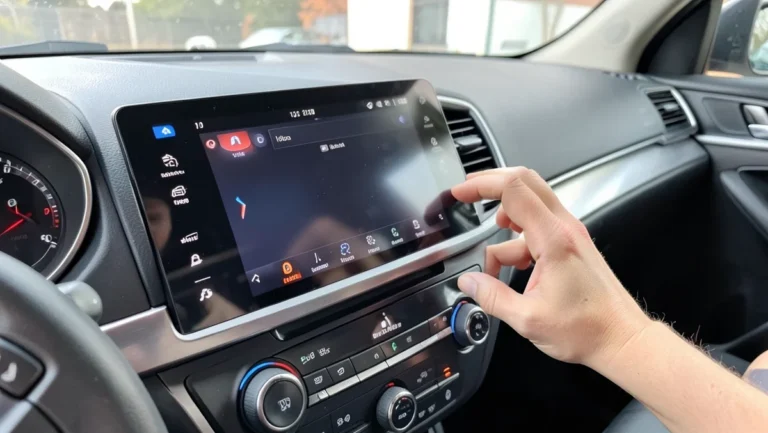
Turn recirculation off first. Then select defrost and increase fan speed. If the air still feels damp, use A/C with heat and crack a window slightly when safe. If a vehicle keeps reverting to recirculation or the airflow does not change, that setup problem deserves a service check.
When fog points to a heater-core fault

A heater core can be the source when fog is paired with coolant clues. A fogging windshield can happen when the heater core is leaking. Coolant in the air can make the cabin humid, and a leaking core can create a sweet smell, no hot air from the vents, low coolant, or overheating.
Sweet or musty odor
A sweet smell from the vents is one of the clearest warning signs. Some drivers also notice a musty odor when coolant and moisture collect in the HVAC case or on interior surfaces. If the windshield fogs fast again after you clear it, that pattern deserves more than a settings change.
Coolant loss or overheating
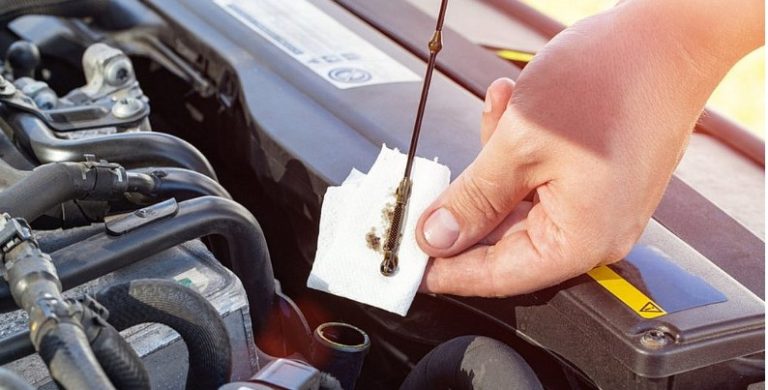
Check the coolant level only when the engine is cool enough to inspect safely and according to the vehicle manual. If the reservoir is low, the temperature gauge climbs, or you see any overheating warning, stop driving and inspect the cooling system. That is no longer a simple fogging issue.
Film on the glass and repeat fogging
Coolant leaks can leave an oily or sticky film on the inside of the windshield. That film may smear instead of wiping clean, and the fog may return quickly because the air in the cabin stays humid. If that happens with sweet odor and low coolant, the heater core moves to the top of the suspect list.
How to clear fog in humid weather
Exterior fog is common in humid weather and on cool mornings. It forms when outside humidity meets a colder windshield surface. That is different from interior fog, and it may not mean anything is broken. Wipers can clear the exterior layer while defrost air helps keep it from returning.
Cracking windows and using wipers
Crack the side windows a little if traffic, weather, and the owner’s manual allow it. That helps equalize cabin humidity. If the fog is on the outside, use the wipers instead of trying to “burn it off” with cabin heat alone, since the heat may not dry the outer surface as fast.
Short-trip and cold-climate tips
Short-trip drivers should expect more fog because the cabin never fully dries. In cold climates, start with defrost, A/C, and fresh air before the windshield gets fully opaque. If the fog keeps returning after those changes, return to the checklist and look for odor, coolant loss, or overheating.
Frequently asked questions
Why does my windshield fog up when the heat?
Warm cabin air can carry more moisture, and when that humid air meets a cold windshield, condensation forms on the glass. Heat can make the problem look worse at first because it warms the air before the windshield clears. Defrost, A/C, and fresh air usually work faster.
Why does my windshield fog up when I turn the heat?
Turning on the heat stirs up moist air that was already trapped in the cabin. If the windshield is colder than the air’s dew point, the moisture condenses on the glass. Recirculation, wet clothing, and short trips make that happen more often.
Why does outside of windshield fog up?
The outside of the windshield fogs when humid outdoor air hits a cooler glass surface. That is common on damp mornings and can be normal. Wipers usually clear it, and defroster airflow helps keep the glass surface warmer so the fog does not keep returning.
Why does my windshield fog up on the inside?
Inside fog usually means the cabin air is too humid for the windshield temperature. Breath, wet clothes, recirculation, and poor airflow all add moisture. Turn off recirculation, use defrost, and switch on A/C if needed to dry the air before it reaches the glass.
Is foggy windshield a sign of a heater core leak?
It can be. A heater-core leak can send coolant into the cabin air, which may cause a sweet smell, a greasy film on the glass, low coolant, or overheating. If those signs appear with repeated fogging, stop driving and inspect the cooling system.
How do I stop my windshield from fogging up fast?
Use defrost first, turn off recirculation, and switch on A/C if the windshield fogs from the inside. Crack a window if conditions allow. If the fog is on the outside, use wipers. Stop driving and inspect coolant if you smell sweet odor or see overheating.
Products related to this article
Sponsored / affiliate links. As an Amazon Associate I earn from qualifying purchases. I may earn additional commission from eligible campaigns.