Stickers for Car Lights: What Is Legal and What to Buy
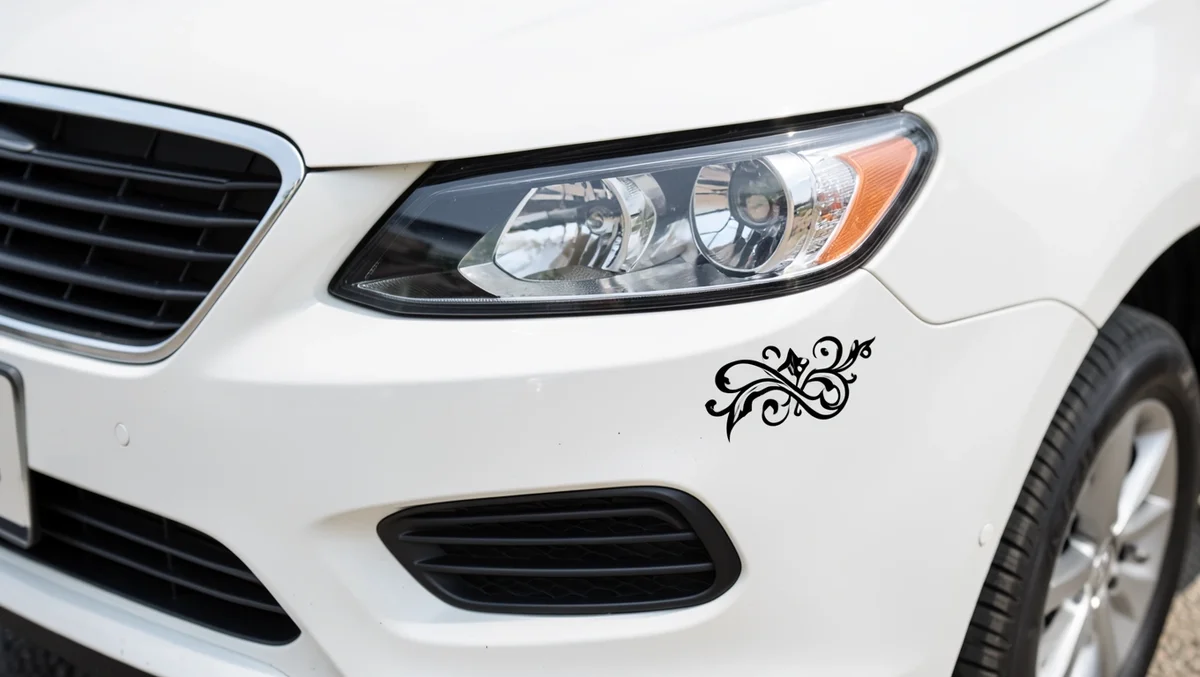
Not all “stickers for car lights” are the same thing, and that distinction matters more than most buying guides admit. A small decorative decal placed on the body panel next to your headlight is legal almost everywhere. A colored or tinted film stuck directly over the lens itself is illegal in nearly every state, because it changes the light color and brightness that federal law requires. Reflective safety stickers fall into a third category entirely — they are legal, cheap, and can genuinely make your car easier to see at night. This guide sorts out which is which before you buy anything.
Quick Answer
Decorative decals placed beside a headlight or taillight (not over the lens) are generally legal. Colored or tinted film applied directly on the lens is illegal in almost every state because it violates FMVSS 108, the federal rule on required lamp color and brightness. Reflective safety stickers are legal everywhere and improve nighttime visibility.
The 3 Types of Car Light Stickers (and Which Ones Are Legal)
“Stickers for car lights” is a broad search term that actually covers three very different products with three very different legal outcomes. Mixing them up is the single most common mistake people make before ordering.
| Type | What It Is | Placement | Legal Status |
|---|---|---|---|
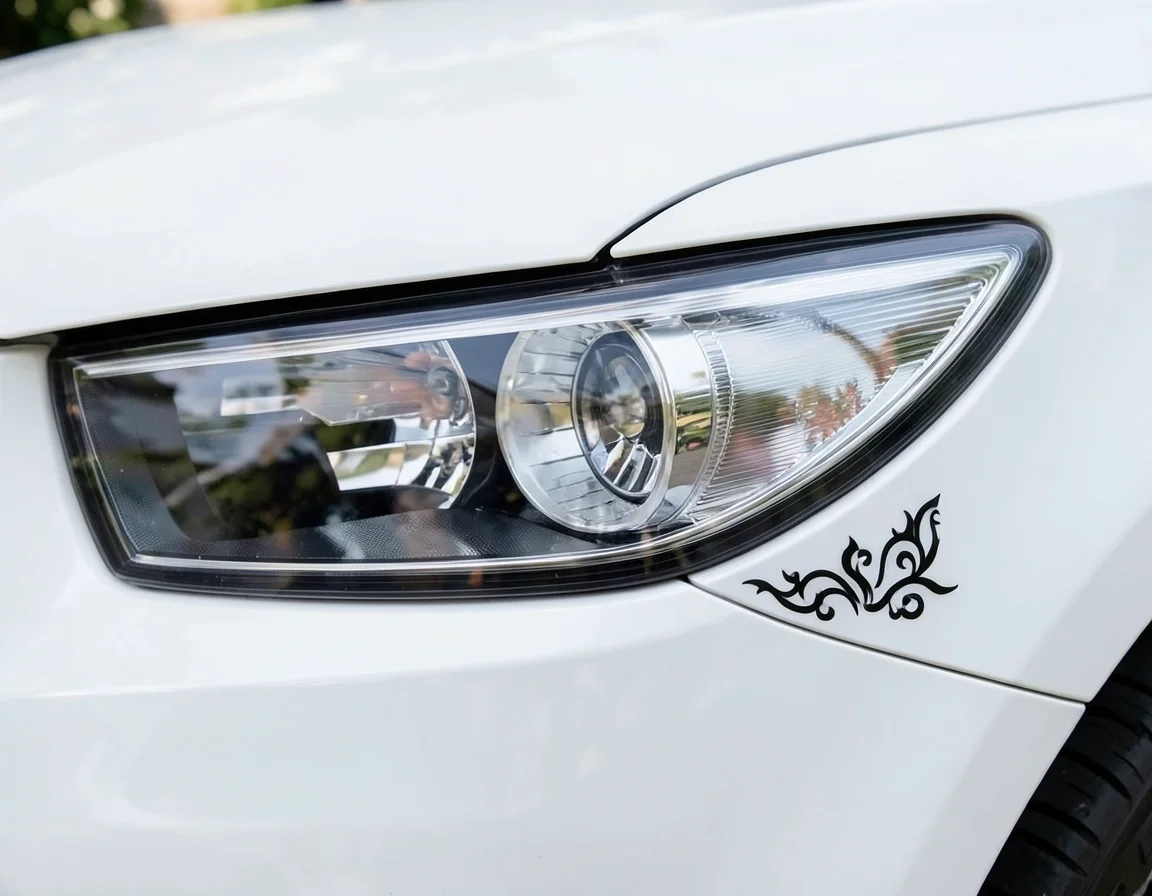
| Decorative decal | Vinyl graphic (claw marks, stripes, novelty designs) | Body panel next to the light, not on the lens | Generally legal in most states |
| Colored/tinted lens film | Smoke, amber, or colored overlay applied to the lens | Directly on the light-emitting surface | Illegal in nearly every state |
| Reflective safety sticker | 3M-style reflective strip or shape | Bumper, fender, or door — not blocking a required lamp | Legal everywhere, often beneficial |
The products in this guide are all decorative decals or reflective stickers designed to be placed beside your lights, not over the lens itself. That is the key difference that keeps them on the right side of the law.
Why Tinted or Colored Light Covers Are Illegal in Nearly Every State
Legal Everywhere – Adds Visibility, Not Color
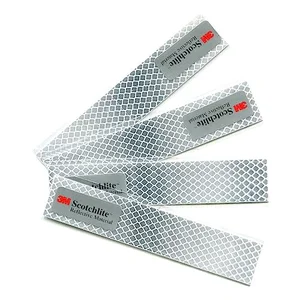 |
Salzmann Diamond Grade Reflective Sticker (4-Pack) – $8.50 If you want a car light sticker that is legal in every state and actually helps other drivers see you at night, this is the safer pick over any decal that touches the lens itself.
|
Every vehicle sold in the United States has to meet Federal Motor Vehicle Safety Standard (FMVSS) 108, which sets minimum requirements for the color and brightness of every required lamp on your car — headlights, tail lights, brake lights, turn signals, and reverse lights. Taillights and brake lights must show red. Turn signals must show amber or red. Headlights must show white or selective yellow. These are not style preferences; they are safety requirements so other drivers can instantly read what your car is doing.
A colored or “smoked” film applied directly to the lens does two things wrong at once. It changes the color the light emits, which can violate the required color for that lamp, and it reduces the total light output (candela) below the federal minimum — even a light tint can knock a bright red brake light or turn signal below what the standard requires. Because of this, vinyl tint film on a light lens is treated as illegal for on-road use in every state, and officers can issue a fix-it ticket or citation for it during a routine stop or inspection. Some aftermarket smoked tail lights are sold as complete, DOT-compliant assemblies engineered to still meet FMVSS 108 despite a darker lens — but the moment you add a DIY tint spray or film to a factory light, that approval no longer applies.
This is exactly why the decal and reflective sticker categories exist as a separate, legal option. Nothing in this guide is designed to sit on the lens itself, so none of it interferes with the color or brightness your lights are legally required to produce.
How to Apply Car Light Decals Without Damaging Anything
- Wash and dry the panel next to the light. Any dust, wax, or road grime under the decal will trap air bubbles and shorten how long it sticks.
- Wipe the area with rubbing alcohol on a microfiber cloth and let it fully dry. This removes wax residue that plain soap and water leaves behind.
- Position the decal dry first, using painter’s tape as a hinge, so you can check placement before committing.
- Peel the backing halfway, press that half down, then slowly peel the rest while smoothing the decal outward from the center.
- Use a squeegee or a credit card wrapped in cloth to push out air bubbles, working from the middle toward the edges.
- Leave it alone for at least a few hours before washing the car, so the adhesive has time to fully bond.
If you ever want to remove a decal cleanly, a low-heat hair dryer softens the adhesive so it peels without pulling paint. For a full walkthrough on getting a decal off without leaving residue or damaging clear coat, see our guide to removing car decals without damaging the paint. And if none of the pre-made designs match what you want, our guide on how to make your own car decals walks through cutting a custom design yourself.
Decorative Decal or Reflective Sticker: Which Should You Buy?
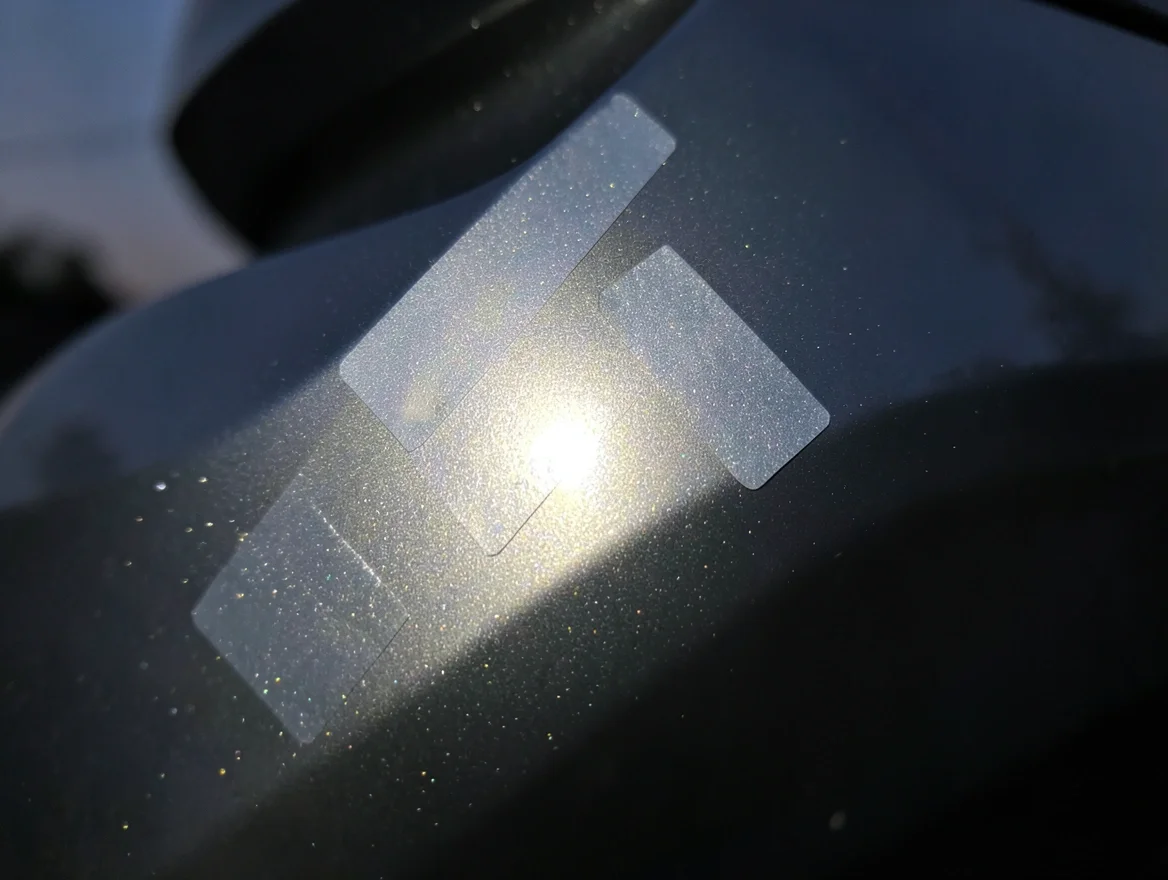
If your goal is purely visual — a claw mark stripe, a stripe design, a novelty shape — a decorative vinyl decal placed on the body panel next to the light does the job and stays legal, since it never touches the lens. If your goal is to actually be seen better at night, especially on a dark bumper corner where headlight beams from behind can catch it, a reflective sticker like the pick above adds real function on top of the look. Either way, the rule stays the same: keep it off the lens itself, and you stay clear of the FMVSS 108 issue that colored tint runs into.
Frequently Asked Questions
What Are Stickers for Car Lights?
They are decals or reflective strips applied near your headlights or taillights — either for decorative style or to improve visibility. They are meant to sit on the body panel beside the light, not on the lens itself.
Are Car Light Stickers Legal?
Decorative decals placed beside the light and reflective safety stickers are legal in most states, since they do not change the color or brightness of the lamp. Colored or tinted film applied directly over the lens is illegal in nearly every state under FMVSS 108.
Can I Put Colored or Tinted Film Over My Headlights?
No, in almost every state this is illegal. Colored or smoked film changes the light’s color and reduces its brightness below the federal minimum, which can result in a fix-it ticket or citation. Only complete aftermarket light assemblies engineered and certified to still meet FMVSS 108 are a legal exception.
How Do I Apply Car Light Stickers Without Damage?
Clean the panel with soap and water, then wipe it with rubbing alcohol to remove wax. Position the decal dry first, peel the backing gradually, and smooth out air bubbles with a squeegee working from the center outward.
Can Stickers Damage Car Lights?
A quality decal or reflective sticker applied to the body panel beside the light will not damage the light itself. Choose a removable, weather-resistant vinyl and avoid placing anything directly on the lens, since removing adhesive from the lens surface is far more likely to scratch it than removing one from painted metal.
Do Reflective Stickers Actually Improve Safety?
Yes. Reflective stickers made from retroreflective material (such as 3M Scotchlite) bounce headlight beams from other vehicles back toward the source, making your car more visible from the side or rear in low light — without altering any of your car’s required lamps.
Conclusion
Stickers for car lights can be a legal, cheap way to personalize your car or make it more visible at night — as long as you know which category you are buying. Decorative decals and reflective stickers placed beside the light stay on the right side of FMVSS 108. Colored film on the lens itself does not, in almost every state. Pick the type that matches your goal, keep it off the actual lens, and you get the look or the visibility boost without the risk of a ticket.
Products related to this article
Sponsored / affiliate links. As an Amazon Associate I earn from qualifying purchases. I may earn additional commission from eligible campaigns.