All-Season Tires vs Touring Tires: Which Fits You?
All-season tires are the safer pick if you need light snow traction and year-round flexibility; touring tires are the better pick if cabin quiet, soft impact absorption, and long tread life matter most. Pick the wrong type and you usually give up noise, brake feel, or winter grip. This guide compares all-season tires vs touring tires by wet grip, ride quality, snow use, and wear so you can match the tire to your driving.
This guide is part of our Car accessories guide series.
| Decision factor | All-Season Tires | Touring Tires | Winner |
|---|---|---|---|
| Ride comfort | Broadly comfortable, but many models lean firmer | Usually tuned for a softer, calmer ride | Touring Tires |
| Road noise | Varies widely by model | Usually quieter on pavement | Touring Tires |
| Wet grip | Designed for dry and wet pavement | Can be very good, but depends on the subcategory | All-Season Tires |
| Light-snow confidence | Built to handle light to moderate snow | Often acceptable in mild winter weather, but less consistent | All-Season Tires |
| Steering response | Usually more immediate, especially in performance all-season versions | More relaxed, aimed at easy commuting | All-Season Tires |
| Treadwear priority | Can wear well, but depends on compound and use | Often chosen for long tread life | Touring Tires |
All-season tires vs touring tires: what is the real difference?
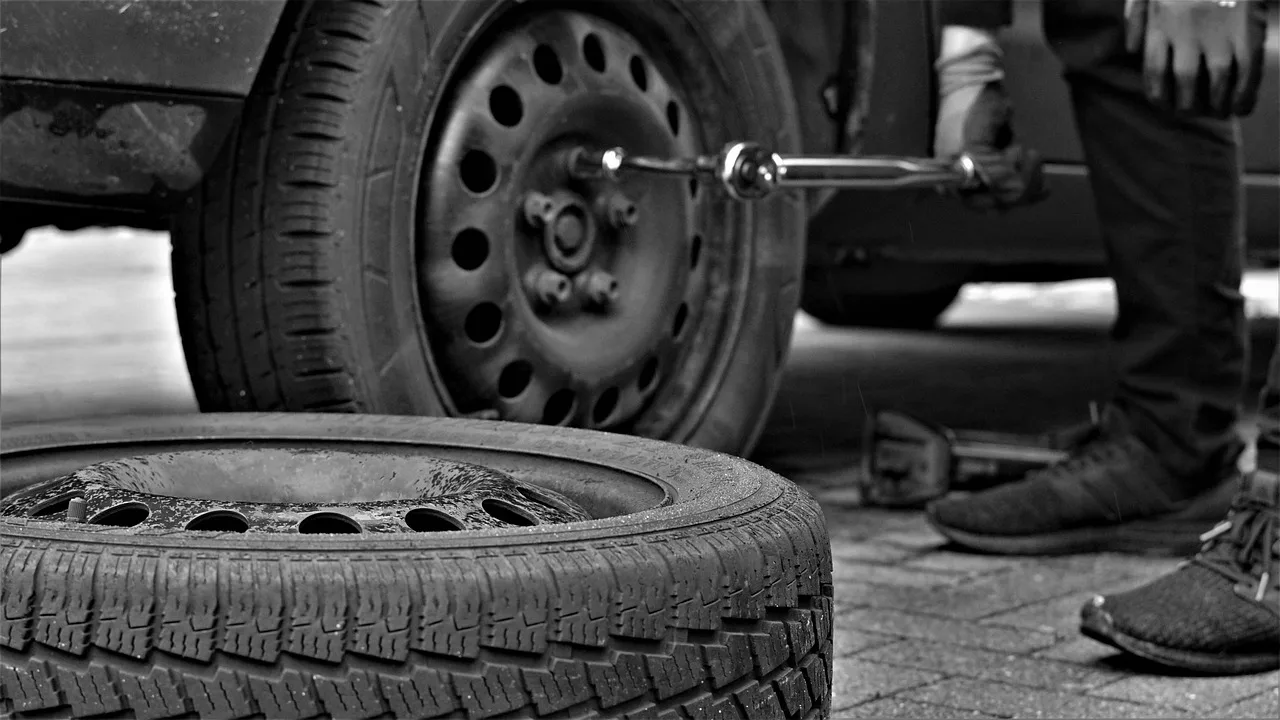


All-season tires are the wider-use option. They are the most common tire type, built for dry pavement, wet pavement, and light to moderate snow, and they fit everything from small cars to light-duty SUVs and pickups. Touring tires are generally a comfort-focused street choice, often aimed at quiet commuting, smoother ride quality, and longer tread life.
What all-season tires are built to do
All-season tires are the default replacement category for many drivers because they cover the widest spread of daily weather. They often come standard on many sedans and minivans, and they are common on vehicles that need one set of tires to handle changing conditions without seasonal swaps.
What touring tires are built to do
Touring tires are less about maximum flexibility and more about making the commute easier. The usual tuning priorities are ride comfort, low road noise, and tread life. That makes them a strong fit for drivers who spend most miles on paved roads and care more about calm behavior than sharp turn-in.
Why the names overlap across brands
Touring is not a fixed label across the market. One brand may use “touring” for a comfort tire, while another may place the same tire under “grand touring” or “touring all-season.” Read the tread design, UTQG-style positioning if provided, and the manufacturer’s use-case language instead of trusting the badge alone.
Which tire type fits your driving priority?

Choose all-season tires if you want the broadest everyday safety net and expect occasional cold or snowy weather. Choose touring tires if your commute is mostly dry or wet pavement and your top priorities are quiet operation, smoother impact absorption, and long wear. Choose grand touring if you want a middle ground.
Choose all-season if you want broad everyday capability
This is the smart pick for mixed weather, imperfect forecasting, and drivers who do not want to change tires seasonally. If your car sees rain, cold mornings, and occasional light snow, all-season rubber is the more flexible default.
Choose touring if comfort and quiet matter most
Touring makes sense for commuters who rack up highway miles and dislike tire drone or sharp road texture. It is also the better fit when ride isolation matters more than crisp steering response, such as on family sedans and many minivans.
Choose grand touring if you want a middle ground
Grand touring is often described as sitting between standard touring and performance all-season. It balances comfort, tread life, and all-season traction, and it often appears in both standard touring and more performance-oriented versions. For many drivers, that is the balance point.
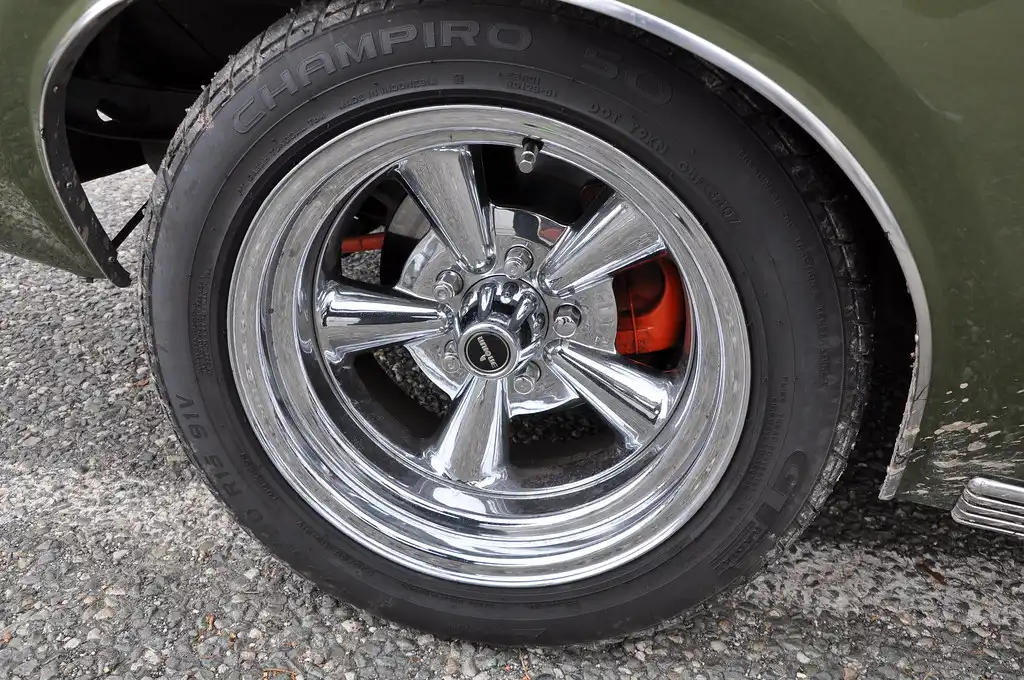
How do touring, grand touring, and performance all-season tires compare?
Touring tires favor comfort and quiet. Grand touring tires keep much of that comfort but add more balanced traction and more responsive handling. Performance all-season tires move further toward grip and steering precision, giving up some ride softness and treadwear priority to sharpen dry and wet-road behavior.
Touring versus grand touring
Grand touring is the more balanced option. It usually keeps the easygoing road manners of touring while adding better all-season traction and a bit more body control in corners. If the car feels too soft on standard touring tires, grand touring is often the next step.
Performance all-season versus touring all-season
Performance all-season tires often give up some comfort in favor of more control. They are useful on sporty sedans and crossovers where the driver notices steering feel, braking stability, and mid-corner grip. Touring all-season tires, by contrast, lean toward low noise and smoother commuting.
Ultra-high-performance all-season versus grand touring
Ultra-high-performance all-season tires are fitted to upscale sedans or sporty vehicles that want high dry and wet grip plus quick response. They give up some light-duty winter traction and usually ride firmer than grand touring. If the vehicle is driven hard, that trade can make sense.
Wet grip, light snow, and cold-weather reality
Wet traction and snow traction are different tests. A tire can feel composed in rain and still be a weak choice once temperatures drop or roads turn slushy. All-season tires handle dry and wet pavement well and can manage light to moderate snow, but they are not winter tires.
Why wet traction is not the same as snow traction
Rain performance depends on water evacuation, compound behavior, and contact patch stability. Snow grip depends more on biting edges and compound flexibility in the cold. Winter tires have more biting edges for better grip on snow and ice, and they often use a softer rubber compound that stays flexible in extremely cold temperatures.
How much light snow you should expect
Light snow capability means exactly that: light snow. It is enough for occasional flurries, shallow accumulation, and careful driving. It is not the same as winter tire performance, and it is not a reason to keep all-season or touring tires on the car through repeated ice, packed snow, or hard freezes.
When winter tires make more sense
Move to winter tires when cold weather is routine, roads stay snow-covered, or mornings bring frequent ice. Truck winter/snow tires should be used in a set of four. If you are choosing between all-season and touring for a true winter climate, neither is the right substitute for a proper winter setup. (consumerreports.org)
Which tire is quietest, smoothest, and longest lasting?
Touring tires often do well on ride comfort and road noise. All-season tires have the broader capability edge, but their comfort and wear results vary more by subcategory. Tread life matters, yet it changes with car type, tire type, driving aggressiveness, and road and weather conditions.
Ride comfort and road noise
Touring tires are normally built to reduce harshness and take the edge off broken pavement. That is why they often feel calmer on expansion joints and coarse asphalt. All-season tires can be very civil, but many are tuned with more neutral or firmer handling behavior.
Treadwear life and what changes it
There is no single tread life answer. A tire on a heavy crossover, driven hard on hot pavement, will not wear like the same pattern on a lightly loaded sedan used for highway commuting. Alignment, inflation, and seasonal conditions matter just as much as category name.
Steering response versus comfort tradeoffs
If the driver wants quicker steering and firmer control, the tire usually gives up some plushness. That is why performance all-season and ultra-high-performance all-season tires feel more eager, while touring tires feel more relaxed. The right answer depends on whether the driver notices turn-in or cabin quiet more.
Use the comparison table before you buy
Use the table as a driver-profile filter, not as a brand ranking. The best tire type is the one that matches your commute, your climate, and the way your car behaves on rough pavement, rain, and cold mornings. Fitment still matters; the tire must match the vehicle’s size requirements, load rating, and speed rating.
Plain-English winner by driver type
- Daily commuter in mixed weather: All-season tires.
- Quiet highway driver in a mild climate: Touring tires.
- Owner who wants a balanced, premium feel: Grand touring tires.
- Sporty sedan or crossover driver: Performance all-season tires.
- Upscale sedan or performance car with all-season needs: Ultra-high-performance all-season tires.
How to read the table for your own commute
- Start with weather. If snow is rare but rain is common, wet grip matters more than snow ability.
- Decide whether ride comfort or steering response matters more in your daily drive.
- Check whether the car needs a standard, touring, grand touring, or performance-oriented fit.
- Match the tire to your actual use, not the label that sounds best.
all season tires vs touring tires
All-season tires win when you need the wider weather envelope. Touring tires win when the priority is a quieter, smoother, more relaxed commute. If the car sees light snow or variable shoulder-season weather, all-season is the safer call; if it mostly sees pavement and you value cabin calm, touring is the better pick.
touring vs all season tires
Touring vs all-season comes down to comfort versus versatility. Touring tires usually ride better and wear well, while all-season tires usually deliver stronger year-round flexibility, including more confidence in light snow. Drivers in mild climates often pick touring; drivers with changing weather usually pick all-season.
are touring tires better than all season
Touring tires are better only if the goal is comfort, quiet, and often tread life. They are not better if you need light snow traction, a more versatile rain-and-cold setup, or sharper all-around performance. The “better” tire depends on the commute, not the category name.
is a touring tire all season
Sometimes, but not always. Many touring tires are touring all-season tires, yet the market uses the touring name in inconsistent ways. A tire can be touring-focused and still be all-season, or it can be tuned more for comfort and not be the same thing as a standard all-season replacement.
what are the best tires for all season
The best all-season tire is the one that matches the car’s fitment and the driver’s priorities. For the broadest daily use, standard all-season is the safe default. For quieter commuting, touring or grand touring makes more sense. For sharper handling, performance all-season is the better fit.
what is the difference between an all weather tire and an all season tire
All-weather tires are generally built to lean further toward winter use than standard all-season tires, while still working year-round. That usually means stronger snow and cold-weather confidence than a normal all-season, but a different comfort and wear balance. If winter is frequent, all-weather can be the smarter compromise.
performance all season tires vs touring all season tires
Performance all-season tires offer stronger dry and wet grip, along with quicker steering feel. Touring all-season tires give up some of that sharpness in exchange for a softer ride and usually lower noise. Choose performance all-season for a driver’s car; choose touring all-season for a commuter.
ultra high performance all season tires vs grand touring tires
Ultra-high-performance all-season tires favor grip, handling, and fast steering response on upscale sedans and sporty vehicles. Grand touring tires stay more balanced, with better comfort and more forgiving daily manners. If the car is driven hard, UHP all-season fits; if comfort matters more, grand touring wins.
all terrain tires vs touring tires
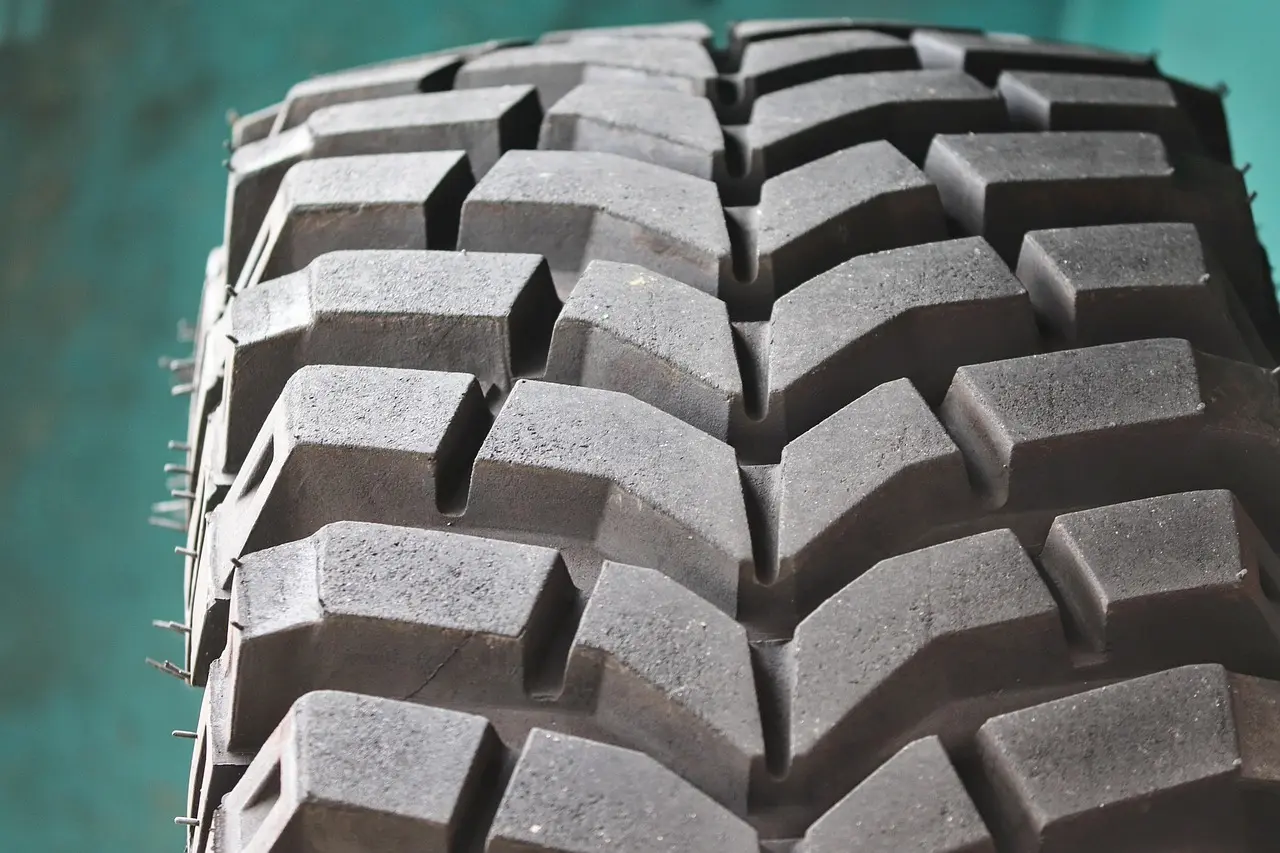
All-terrain tires are a different use case. They use a more aggressive tread pattern than all-season tires and are intended for on-road and moderate off-road conditions. Touring tires are for paved-road comfort, so this comparison only matters if the vehicle actually leaves the pavement.
Choose all-season tires if…
Choose all-season tires if you want the broadest everyday coverage, expect wet roads, and need some light snow confidence without switching sets. They are the safer call for drivers who face mixed weather, live with changing temperatures, or want one tire to do the most jobs.
Choose touring tires if…
Choose touring tires if your commute is mostly paved, comfort matters most, and you want a quieter cabin with a smoother ride. They fit drivers who value relaxed behavior over winter flexibility or sharp steering. For many mild-climate commuters, touring is the nicer daily choice.
Products related to this article
Sponsored / affiliate links. As an Amazon Associate I earn from qualifying purchases. I may earn additional commission from eligible campaigns.